




Selecting the right hydraulic pump manufacturers is a critical decision for any operation relying on heavy machinery, as the pump serves as the heart of the entire fluid power system. In the broader context of pump and vacuum equipment manufacturing, the quality of the hydraulic unit directly determines the efficiency, load capacity, and lifespan of construction, agricultural, and industrial machinery.
Procurement managers often struggle with balancing initial acquisition costs against long-term operational reliability and OEM compatibility. Whether sourcing gear pumps for an excavator or specialized water pumps for engine cooling, the challenge lies in verifying a manufacturer's technical capability to meet strict industry tolerances and material standards.
This guide provides a professional framework for evaluating manufacturers, analyzing critical technical specifications for gear pumps and cylinders, and establishing a decision-making process that minimizes downtime and maximizes system performance.

Essential Criteria for Evaluating Manufacturers

When auditing hydraulic pump manufacturers, the focus must shift from simple pricing to integrated manufacturing capabilities. A reliable supplier should demonstrate a complete vertical integration of R&D, machining, and quality control. For instance, the use of flexible machining centers and fully automatic gear checking machines is a baseline requirement for ensuring that internal gear tolerances meet international standards, which prevents internal leakage and pressure drops.
Beyond hardware, the organizational structure of the manufacturer indicates their service reliability. A company that separates its operations into dedicated marketing, supply chain, manufacturing, and integration centers can typically offer faster response times and more precise lead-time estimates. For professional buyers, verifying the presence of a strict quality control system—including 100% factory testing before delivery—is non-negotiable for mission-critical equipment.
Analyzing Gear Pump Technical Architecture
Fixed displacement gear pumps, such as the PGP series, operate on the principle of positive displacement, making them ideal for high-pressure applications where a consistent flow rate is required regardless of pressure changes. The technical integrity of these pumps depends heavily on the material of the body—often high-strength aluminum alloy or cast iron—and the quality of the seals. The use of NBR or Viton seals is essential for managing different temperature ranges and fluid types.
From an engineering perspective, the efficiency of a gear pump is determined by the precision of the gear mesh and the tightness of the clearances between the gears and the housing. Manufacturers who utilize computer-controlled testing machines can provide verified performance curves, ensuring that the pump maintains volumetric efficiency under peak loads. This technical rigor prevents premature wear and extends the maintenance interval of the entire hydraulic circuit.
Application-Specific Pump Selection
The application environment dictates the pump specifications. In construction machinery, such as excavators and road rollers, the demand is for high-torque walking motors and swing motors paired with robust main pumps. These systems require pumps capable of handling sudden pressure spikes. Conversely, in agricultural equipment or bending machinery, the focus shifts toward energy efficiency and consistent flow for precise movement.
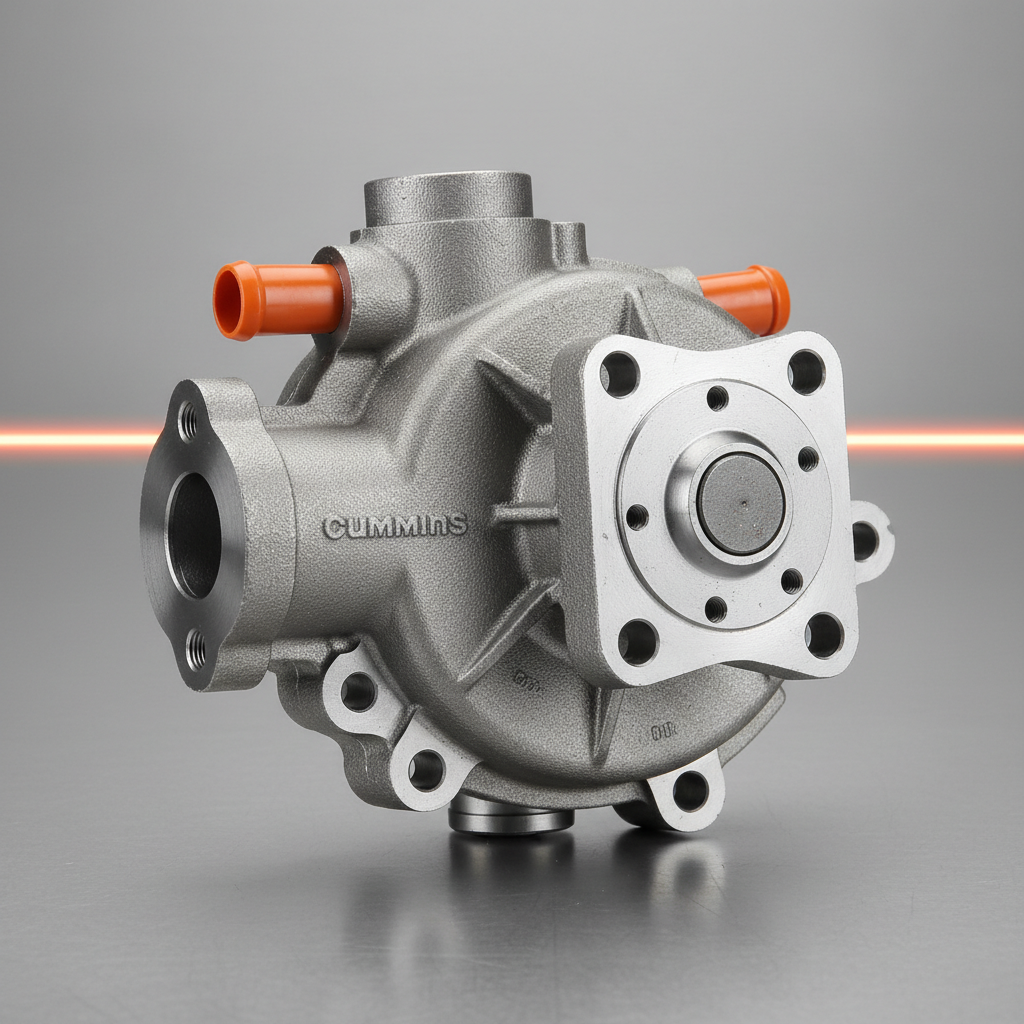
Specialized needs, such as engine cooling, require specific pump types like the water pump for MTZ80/82 engines. These are typically cast iron units designed for thermal durability and constant rotation. For marine or aviation hydraulics, the requirements escalate to include corrosion resistance and extreme reliability in unstable environments. Matching the pump's material (e.g., cast iron vs. aluminum alloy) to the operating environment is the most effective way to prevent catastrophic system failure.
Relative Performance Index by Pump Type
Different pump architectures offer varying trade-offs between pressure capability, flow stability, and cost. The following illustrative framework compares common pump types used in general equipment manufacturing based on normalized scores for durability, efficiency, and cost-effectiveness.
This conceptual comparison shows that while gear pumps offer the best balance of cost and durability for general industrial use, specialized high-pressure pumps provide superior efficiency at the cost of higher complexity. Buyers should prioritize the metric that most impacts their specific operational ROI—whether that is lower initial cost or minimized energy consumption over a 5-year period.
OEM and Customization Capabilities
For many B2B buyers, the ability of hydraulic pump manufacturers to provide OEM services is a deciding factor. True OEM capability goes beyond simply adding a logo; it involves the ability to modify shafts, mounting flanges, and seal materials to fit existing machinery without requiring redesigns of the surrounding system. This is particularly important for maintaining legacy equipment in the metallurgy and mining sectors.
Effective customization also extends to packaging and logistics. Professional manufacturers offer export-standard packaging, such as wooden cases with moisture-proof film, to ensure that precision-machined surfaces are not damaged during international transit. The capacity to accept small order quantities (MOQ) for testing and evaluation allows companies to validate the quality of a new supplier before committing to large-scale wholesale contracts.
Common Procurement Risks and Mitigations
One of the most frequent risks in sourcing from international manufacturers is the discrepancy between advertised specifications and actual performance. This often manifests as "pressure drop" under load or unexpected noise levels. To mitigate this, buyers should demand a 100% factory testing report for each batch and ensure that the manufacturer provides a clear warranty period (typically 12 months) that covers both parts and technical support.
Another critical risk is lead-time volatility. A lack of integrated supply chain management can lead to delays in sourcing castings or specialty seals. Evaluating a manufacturer's stocking policy—distinguishing between stock items (3-4 days delivery) and non-stock custom items (20-40 days)—provides a realistic timeline for project planning and prevents costly downtime in the production line.
Manufacturer Decision Framework
Choosing between different categories of suppliers requires a structured approach. The following table compares three common sourcing strategies based on the needs of the end-user, highlighting the primary trade-offs in quality, flexibility, and cost.
| Sourcing Strategy | Primary Advantage | Best Use Case | Main Risk |
|---|---|---|---|
| Specialized OEM | Exact Compatibility | Legacy Machine Repair | Higher Unit Cost |
| Wholesale Generic | Low Initial Cost | Standard Replacements | Variable Tolerance |
| Custom Integrated | Optimized Performance | New Product Development | Longer Lead Times |
| Local Distributor | Fast Delivery | Emergency Downtime | Limited Tech Support |
| Direct Factory | Technical Control | High Volume Sourcing | Logistics Complexity |
| Certified Partner | Verified Reliability | High-Risk Environments | Strict MOQ Req. |
Ultimately, the decision should be based on the critical nature of the pump's role in the system. For a main hydraulic pump in a concrete mixer truck, the "Direct Factory" or "Certified Partner" approach is preferred to ensure maximum uptime. For auxiliary pumps or secondary cooling systems, a "Wholesale Generic" approach may offer the best ROI.
Frequently Asked Questions
Verify their equipment list for flexible machining centers and automatic gear checkers, and request documentation of their 100% factory testing process and sampling standards.
Aluminum alloy bodies offer lightweight performance and better heat dissipation, while cast iron is preferred for high-pressure durability and heavy-duty industrial environments.
Yes, professional manufacturers can customize mounting flanges and shafts according to specific standards (such as GOST) to ensure compatibility with various machine brands.
Standard stock items are typically delivered within 3-4 days, while customized or non-stock products generally require 20-40 days for production and testing.
A standard professional warranty is 12 months, covering quality-related problems and providing technical support throughout the production life of the product.
While NBR is standard for many applications, Viton seals are highly recommended for systems operating at elevated temperatures due to their superior thermal stability.
Conclusion
Selecting the right hydraulic pump manufacturers requires a balanced evaluation of technical machining precision, material suitability for the application, and the supplier's ability to provide verified testing data. By focusing on vertical integration and OEM flexibility rather than just unit cost, procurement teams can significantly reduce the risk of system failure and unplanned downtime.
For organizations seeking high-quality gear pumps, hydraulic cylinders, or engine cooling water pumps, you can review available technical specifications and custom capabilities at www.autolsty.com to ensure your equipment meets the required operational standards.