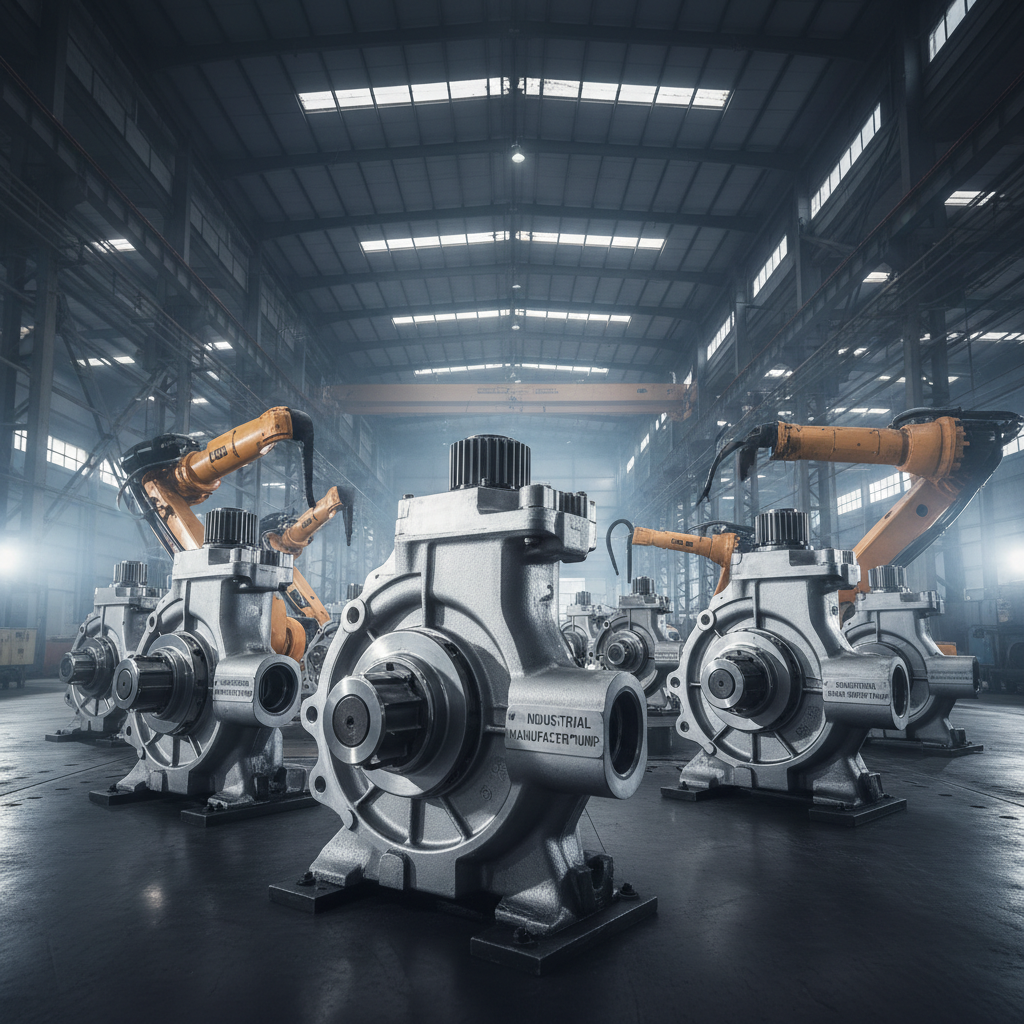
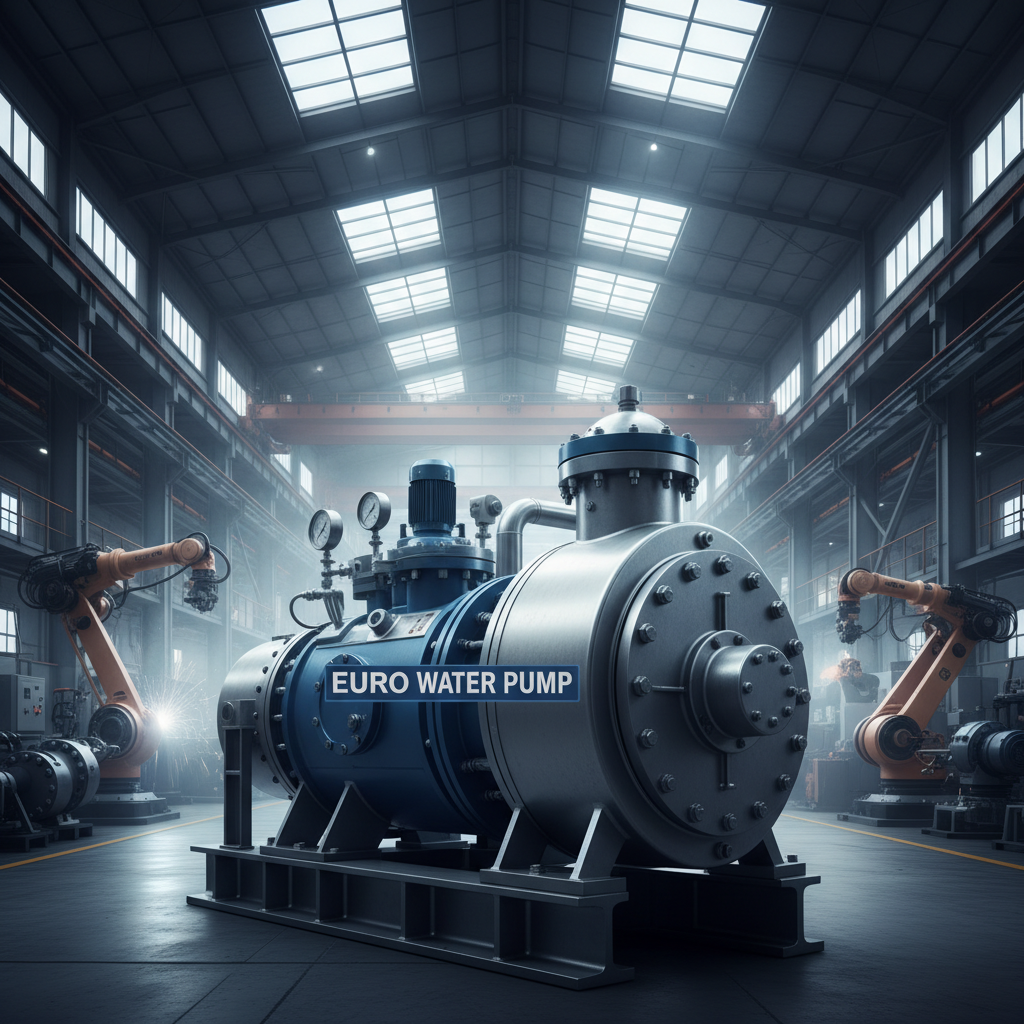
In the sophisticated world of fluid power and mechanical engineering, the low pressure gear pump stands as a cornerstone of efficiency and reliability. These devices are engineered to move fluids with consistent volumetric flow, serving as the heart of countless lubrication and transfer systems across global industries. By focusing on steady performance over extreme pressure, they offer a balanced approach to hydraulic power that minimizes energy waste and hardware fatigue.
Understanding the nuances of low pressure gear pumps is critical for engineers and procurement specialists aiming to optimize operational uptime. Whether it is maintaining the lubrication of a massive industrial turbine or powering the steering of agricultural machinery, these pumps provide a cost-effective solution that ensures system longevity. As industries shift toward more sustainable and energy-efficient models, the role of optimized gear pumping technology becomes even more pivotal.
Globally, the demand for precision-engineered low pressure gear pump units is driven by the expansion of the manufacturing sector and the need for durable, low-maintenance fluid transport. By mastering the selection and application of these pumps, companies can significantly reduce their total cost of ownership while increasing the reliability of their critical machinery.
Global Industry Context of Low Pressure Gear Pumps
The global industrial landscape relies heavily on the seamless movement of lubricants and coolants. According to various ISO standards for hydraulic fluid power, the stability of flow is often more critical than the peak pressure achieved. This is where the low pressure gear pump becomes indispensable, providing the necessary flow rates to prevent mechanical seizure in high-speed rotating equipment across Europe, Asia, and North America.
One of the primary challenges addressed by these pumps is the prevention of "cavitation" and system over-pressurization in lubrication circuits. By utilizing a low-pressure design, manufacturers can avoid the complexity and cost of high-pressure seals and heavy-duty piping, making the overall system more agile and easier to maintain in remote industrial zones or large-scale factories.
Defining the Low Pressure Gear Pump Mechanism
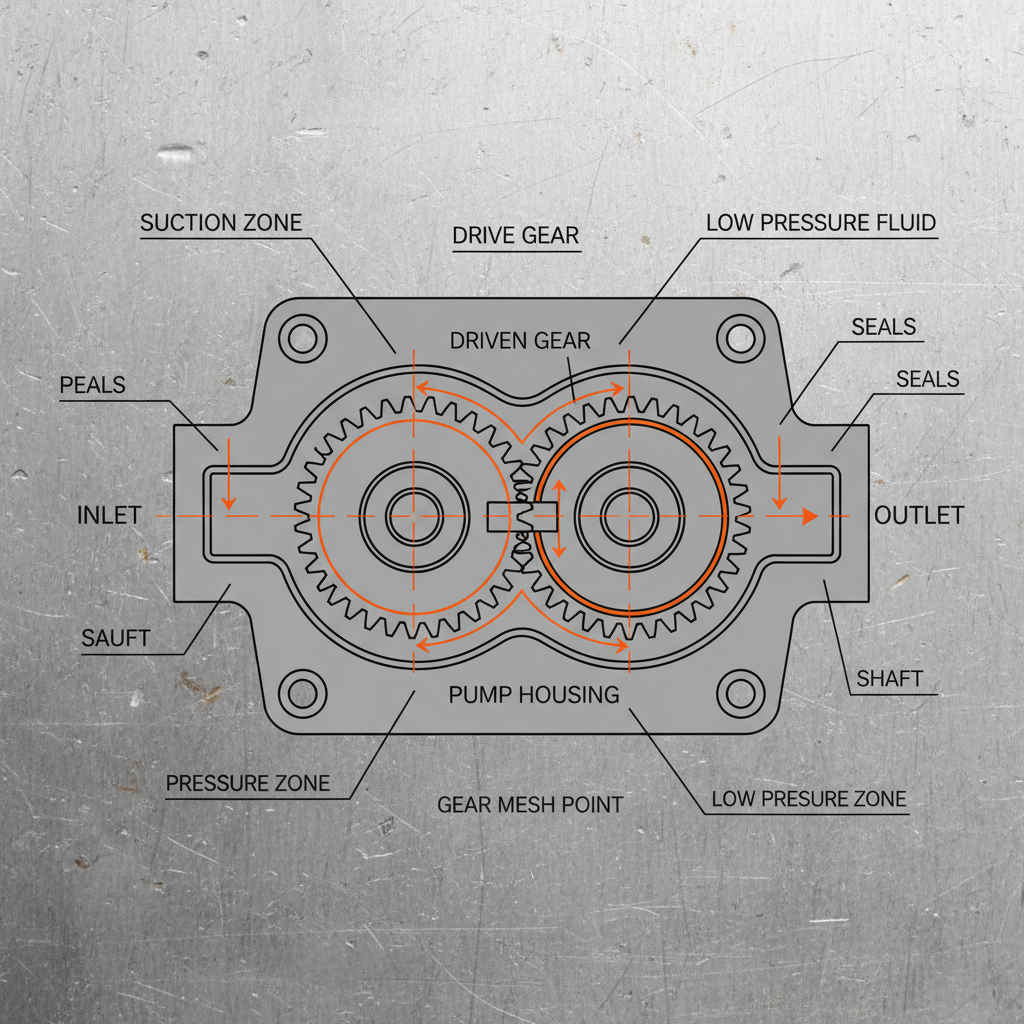
In simple terms, a low pressure gear pump is a positive displacement pump that uses the meshing of gears to move fluid from the suction side to the discharge side. Unlike high-pressure variants, these are designed specifically for applications where the goal is fluid transfer or lubrication rather than generating immense force for heavy lifting or crushing.
This mechanism is intrinsically linked to modern industrial needs for "lean" engineering. By removing the need for extreme tolerances required in high-pressure systems, the low-pressure gear pump offers a robust solution that can handle slightly more viscous fluids without immediate failure, ensuring that critical components remain oiled even under varying thermal conditions.
From a humanitarian and infrastructure perspective, the simplicity of these pumps makes them ideal for water treatment and basic agricultural irrigation systems in developing regions. Their ease of repair and lack of complex electronics ensure that vital services can be maintained with basic mechanical tools, bridging the gap between advanced engineering and practical field application.
Core Components and Engineering Factors
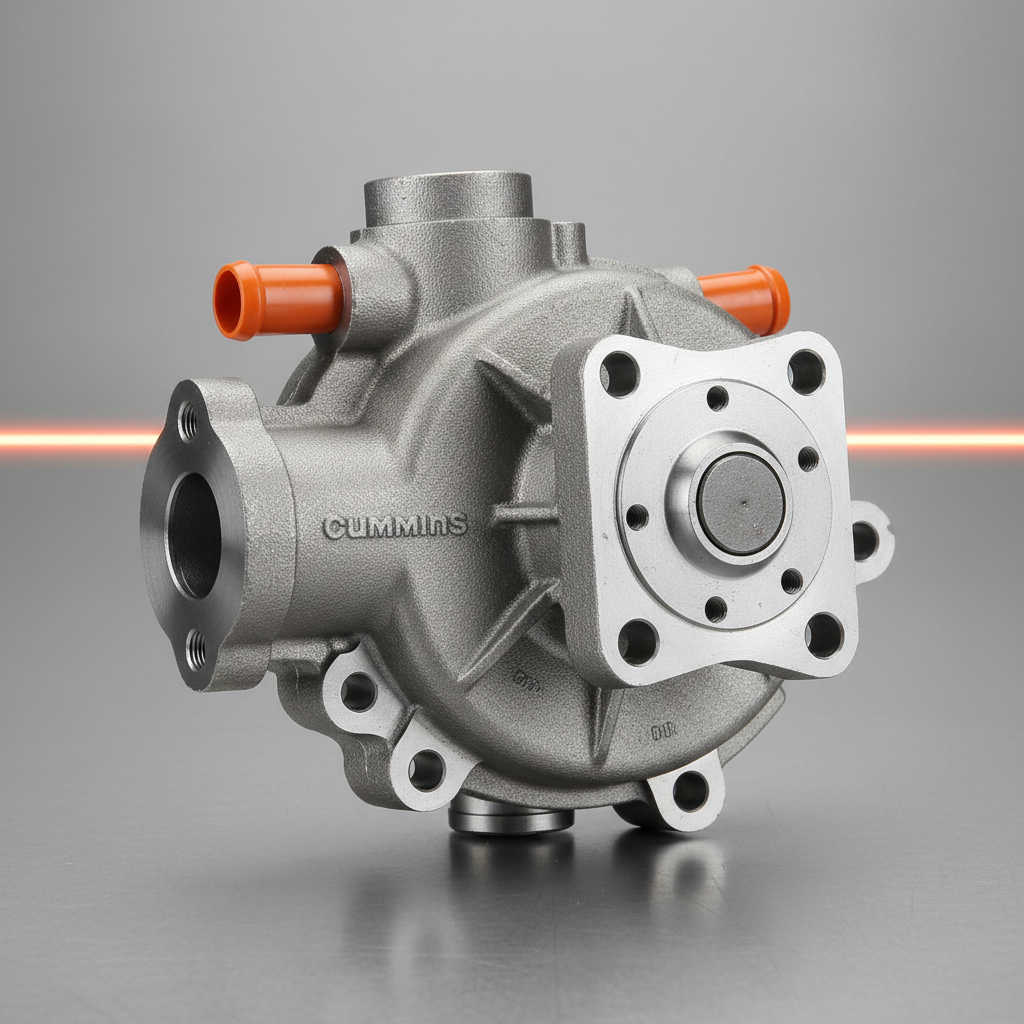
The durability of a low pressure gear pump starts with its material selection. Typically constructed from high-grade aluminum or cast iron, the pump housing must provide a perfect seal while resisting the corrosive properties of different hydraulic oils. The precision-ground gears are the heart of the system, ensuring minimal slippage and a steady flow.
Scalability is another vital factor. A well-designed low pressure gear pump can be adapted to various flow rates by simply altering the gear diameter or the rotational speed of the drive shaft. This flexibility allows a single pump design to be used across a wide range of products, from small steering units to large industrial water pumps.
Cost efficiency is achieved through the reduction of internal friction and the use of optimized manufacturing processes. By focusing on "low pressure" specifications, the engineering team can utilize bearings and seals that are longer-lasting and cheaper to replace, ensuring that the end-user receives a product that is both affordable and exceptionally reliable over thousands of operational hours.
Performance Metrics and Efficiency Ratings
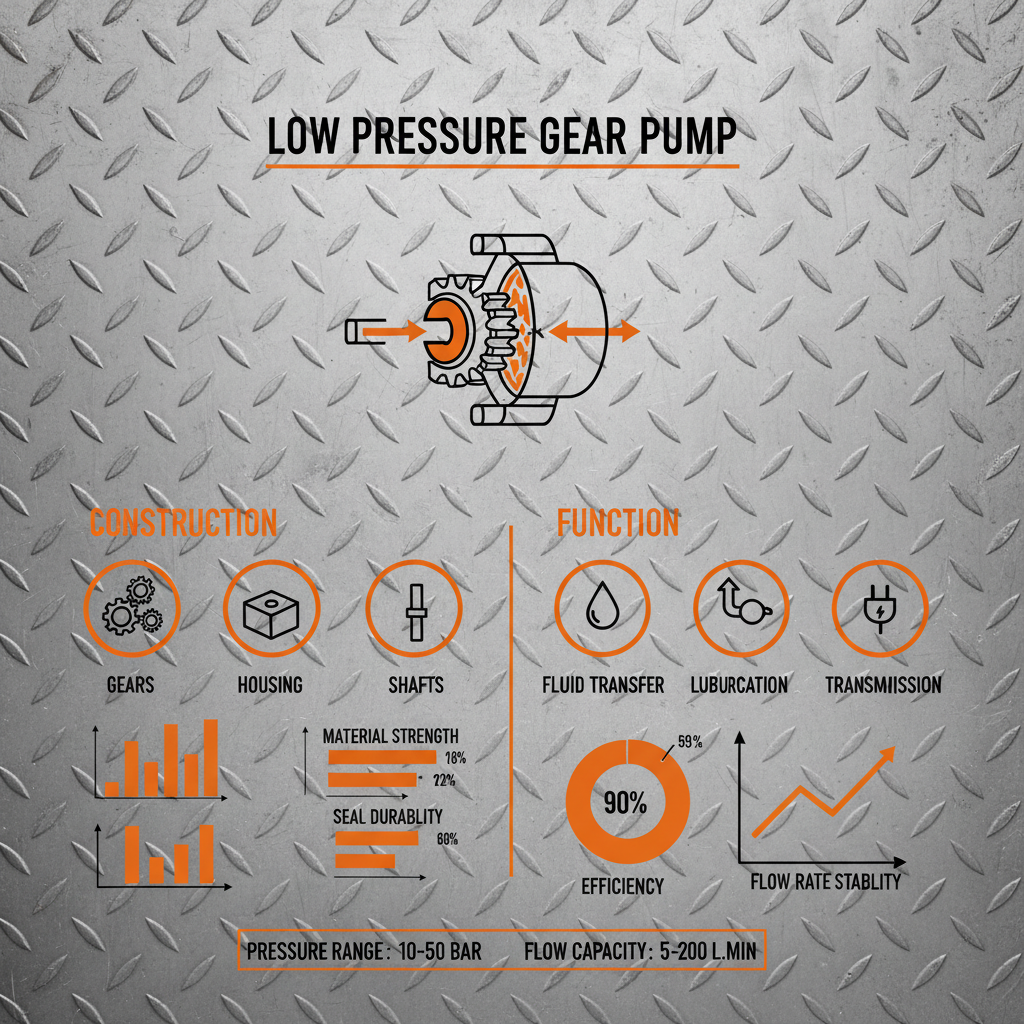
Evaluating the efficiency of a low pressure gear pump requires looking at volumetric efficiency—the ratio of the actual flow to the theoretical flow. In low-pressure environments, maintaining this ratio is easier, as there is less fluid "leakage" back through the gear clearances compared to high-pressure systems.
Furthermore, the energy consumption of these pumps is significantly lower, making them a preferred choice for systems powered by electric motors where reducing the carbon footprint is a priority. The following data illustrates how different configurations of gear pumps perform across various industrial metrics.
Efficiency Comparison of Low Pressure Gear Pump Variants
Global Applications and Real-World Use Cases
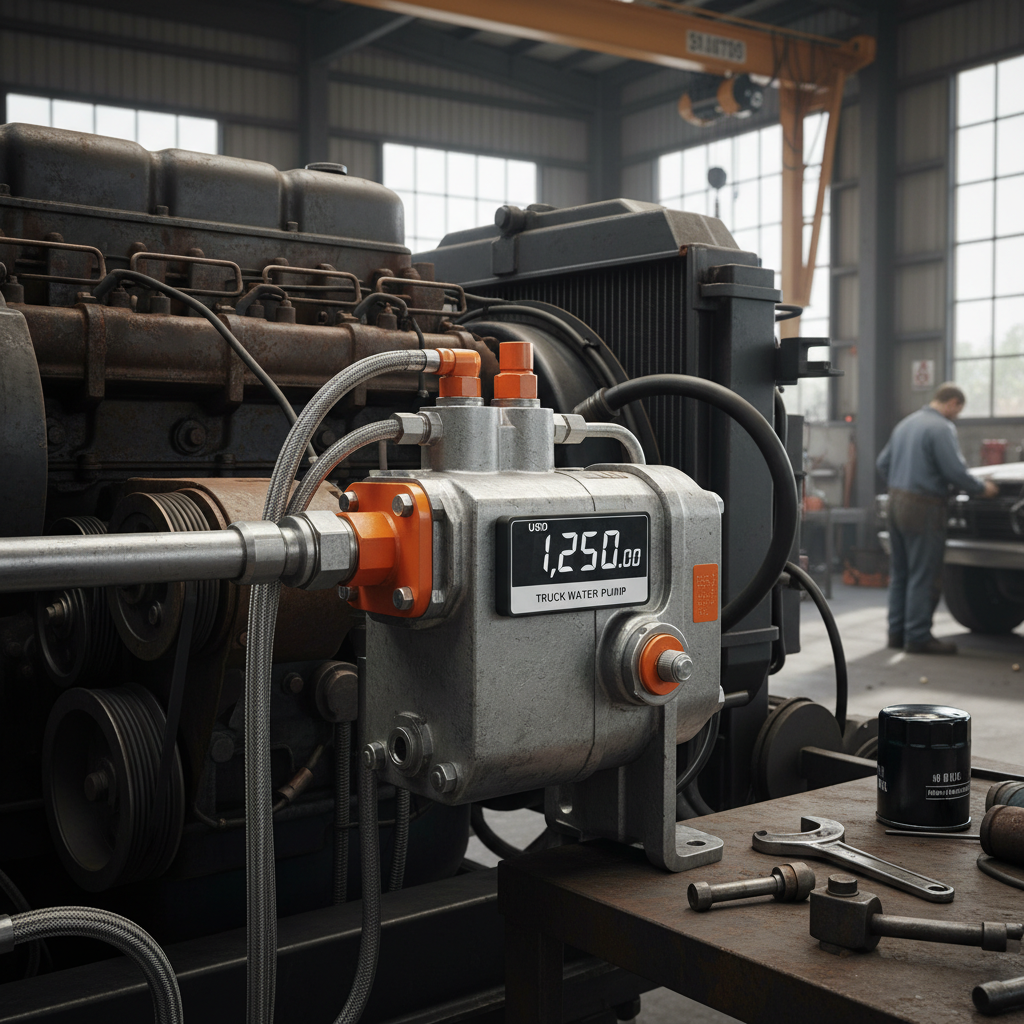
The versatility of the low pressure gear pump is evident in its widespread adoption across diverse sectors. In the agricultural heartlands of the Midwest USA and the plains of Brazil, these pumps are integrated into steering units and hydraulic lifting mechanisms for tractors, where reliability in dusty, harsh environments is non-negotiable.
In the industrial zones of Southeast Asia, these pumps are frequently used in large-scale cooling systems for plastic injection molding machines. By maintaining a steady, low-pressure flow of coolant, they prevent machine overheating and ensure a consistent product quality, demonstrating how a simple mechanical component can drive the productivity of a whole manufacturing line.
Long-Term Value and Sustainability Advantages
Investing in a high-quality low pressure gear pump yields significant long-term financial benefits. Because these pumps operate under less stress than high-pressure alternatives, they exhibit a much lower rate of wear and tear. This translates to extended service intervals and a reduction in unplanned downtime, which is the single most expensive factor in industrial production.
Beyond the financial logic, there is a strong sustainability angle. Low-pressure systems are less prone to catastrophic seal failures, which significantly reduces the risk of hydraulic fluid leaks into the environment. This aligns with global ESG (Environmental, Social, and Governance) goals, allowing companies to maintain operational efficiency while protecting local ecosystems.
Furthermore, the simplicity of the gear pump fosters a culture of trust and safety. Operators know that these systems are predictable and easy to troubleshoot. This psychological peace of mind is invaluable in high-stakes environments like mining or chemical processing, where a pump failure could lead to more than just a loss of profit, but a potential safety hazard.
Future Innovations in Gear Pump Technology
The future of the low pressure gear pump is being shaped by the digital transformation of the industry. We are seeing the integration of smart sensors directly into the pump housing to monitor flow rates and vibration in real-time. This enables "predictive maintenance," where a pump can signal for service before a failure actually occurs, moving the industry from reactive to proactive management.
Material science is also evolving. The introduction of advanced ceramic coatings and carbon-reinforced polymers is reducing internal friction even further. These innovations allow the gear pump to operate with higher volumetric efficiency while using biodegradable fluids, further pushing the boundaries of green engineering in the manufacturing sector.
As automation and robotics continue to expand, the demand for compact, integrated low-pressure pumping modules will grow. We expect to see more "plug-and-play" gear pump units that can be easily swapped out by automated systems, ensuring that the machinery of tomorrow is as resilient as it is intelligent.
Comparative Analysis of Low Pressure Gear Pump Material Performance
|
Material Type
|
Wear Resistance (1-10)
|
Corrosion Stability
|
Typical Application
|
| Cast Iron |
9 |
Moderate |
Heavy Industrial Lubrication |
| Aluminum Alloy |
6 |
High |
Mobile Machinery / Automotive |
| Hardened Steel |
10 |
Low |
High-Cycle Transfer Systems |
| Stainless Steel |
8 |
Excellent |
Food & Pharma Grade Pumping |
| Composite Polymer |
5 |
Very High |
Lightweight Cooling Loops |
| Ceramic Coated |
9 |
Excellent |
Abrasive Fluid Handling |
FAQS
The primary difference lies in the design tolerances and material strength. A low pressure gear pump is optimized for fluid transfer and lubrication, focusing on consistent flow rather than extreme force. This allows for simpler seals and lighter materials, making them more cost-effective and easier to maintain than high-pressure versions which require heavy-duty casings to prevent bursting.
While it depends on the fluid quality and operational hours, a general rule is to inspect seals and fluid levels every 2,000 to 5,000 hours. However, by using high-grade filtration and maintaining oil purity, the service life can be extended. Predictive maintenance sensors can now provide real-time alerts, reducing the need for scheduled downtime.
Yes, one of the strengths of the gear pump design is its ability to move viscous liquids. Because it is a positive displacement pump, it pushes the fluid regardless of its thickness, provided the fluid does not exceed the pump's torque limits. This makes them ideal for heavy oils and lubricants.
The most common cause is cavitation, which occurs when the pump cannot pull fluid in fast enough, creating vacuum bubbles that collapse violently. Other causes include misalignment of the drive shaft or contamination in the fluid that creates friction between the gear teeth. Proper priming and filtration usually solve these issues.
In most cases, yes. By reversing the direction of the motor driving the gears, the suction and discharge ports are effectively swapped. However, you must ensure that the internal seals and the rotation of the motor are compatible with this change to avoid damaging the pump components.
Selection depends on the required flow rate (Liters per minute) and the maximum system pressure. You should calculate the total volume needed at the furthest point of your system and add a safety margin of 10-20%. Additionally, consider the viscosity of your fluid and the available mounting space to select the appropriate frame size.
Conclusion
The low pressure gear pump remains an essential tool in the modern industrial toolkit, balancing simplicity, reliability, and cost-effectiveness. From its critical role in lubrication and cooling to its application in agricultural machinery, the ability to move fluids consistently at low pressures ensures the longevity of complex mechanical systems. By focusing on volumetric efficiency and material durability, these pumps reduce operational risks and environmental impact.
Looking ahead, the integration of smart monitoring and sustainable materials will only enhance the value of these components. For businesses seeking to optimize their hydraulic systems, transitioning to high-efficiency, low-pressure solutions is a strategic move toward greater sustainability and lower overhead. To explore our full range of precision pumping solutions, visit our website: www.autolsty.com