The 1 inch gear pump serves as a cornerstone in modern fluid dynamics, providing a compact yet powerful solution for moving high-viscosity fluids across a variety of industrial landscapes. By utilizing the precise meshing of gears to create a positive displacement mechanism, these pumps ensure a consistent flow rate regardless of pressure fluctuations, making them indispensable for precision engineering.
Globally, the demand for efficient fluid transfer systems has surged as industries shift toward automation and miniaturization. Understanding the nuances of the 1 inch gear pump—from its volumetric efficiency to its material compatibility—allows engineers to optimize system performance, reduce energy waste, and extend the operational lifespan of complex hydraulic machinery.
Whether integrated into a sophisticated steering unit or a heavy-duty hydraulic motor, the 1 inch gear pump offers a balance of reliability and cost-effectiveness. This guide explores the technical depths and practical applications of this vital component, illustrating why it remains a preferred choice for professionals in the general equipment manufacturing sector.
Global Relevance of 1 Inch Gear Pump Technology
In the current global industrial climate, the 1 inch gear pump is more than just a mechanical part; it is a critical facilitator of productivity. Following ISO standards for hydraulic fluid power, these pumps are integrated into millions of units worldwide, supporting everything from agricultural machinery in the Midwest to manufacturing plants in Southeast Asia. The ability to maintain a steady flow of lubricants or hydraulic fluids is essential for preventing machinery failure and ensuring worker safety.
The challenge many industries face today is the volatility of energy costs and the need for higher precision. A poorly matched pump can lead to cavitation or excessive heat generation, which drastically reduces the efficiency of the overall system. By adopting a high-quality 1 inch gear pump, companies can mitigate these risks, ensuring that their hydraulic cylinders and directional control valves operate within optimal parameters.
Defining the 1 Inch Gear Pump and Its Mechanism
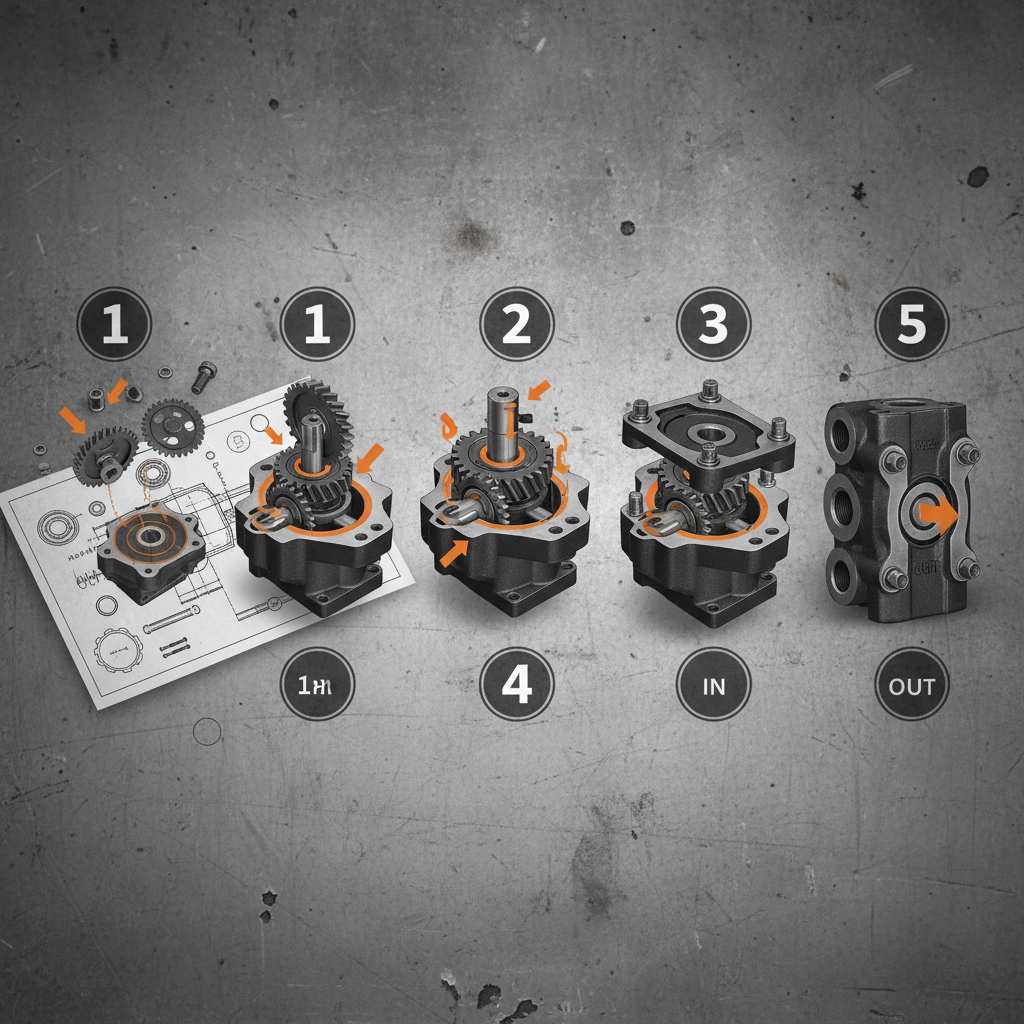
At its core, a 1 inch gear pump is a positive displacement pump that utilizes two rotating gears to move fluid. The "1 inch" typically refers to the nominal size or the porting diameter, providing a standardized footprint that allows for easy integration into existing hydraulic circuits. As the gears rotate, they create a vacuum at the inlet, drawing fluid into the pump and carrying it around the periphery of the gears to the outlet.
This mechanism is particularly effective for fluids with higher viscosities, such as oils and resins, where centrifugal pumps would struggle. The simplicity of the design—consisting primarily of a drive gear, an idler gear, and a housing—means there are fewer points of failure, making it a robust choice for harsh environments. It bridges the gap between small-scale laboratory pumps and massive industrial fluid movers.
In modern industry, the 1 inch gear pump is often paired with other components like hydraulic motors and steering units to create a cohesive power transmission system. Its role is to provide the necessary pressure and flow to actuate mechanical movements, reflecting a fundamental requirement in the movement of materials and the operation of heavy machinery.
Core Components Driving Pump Performance
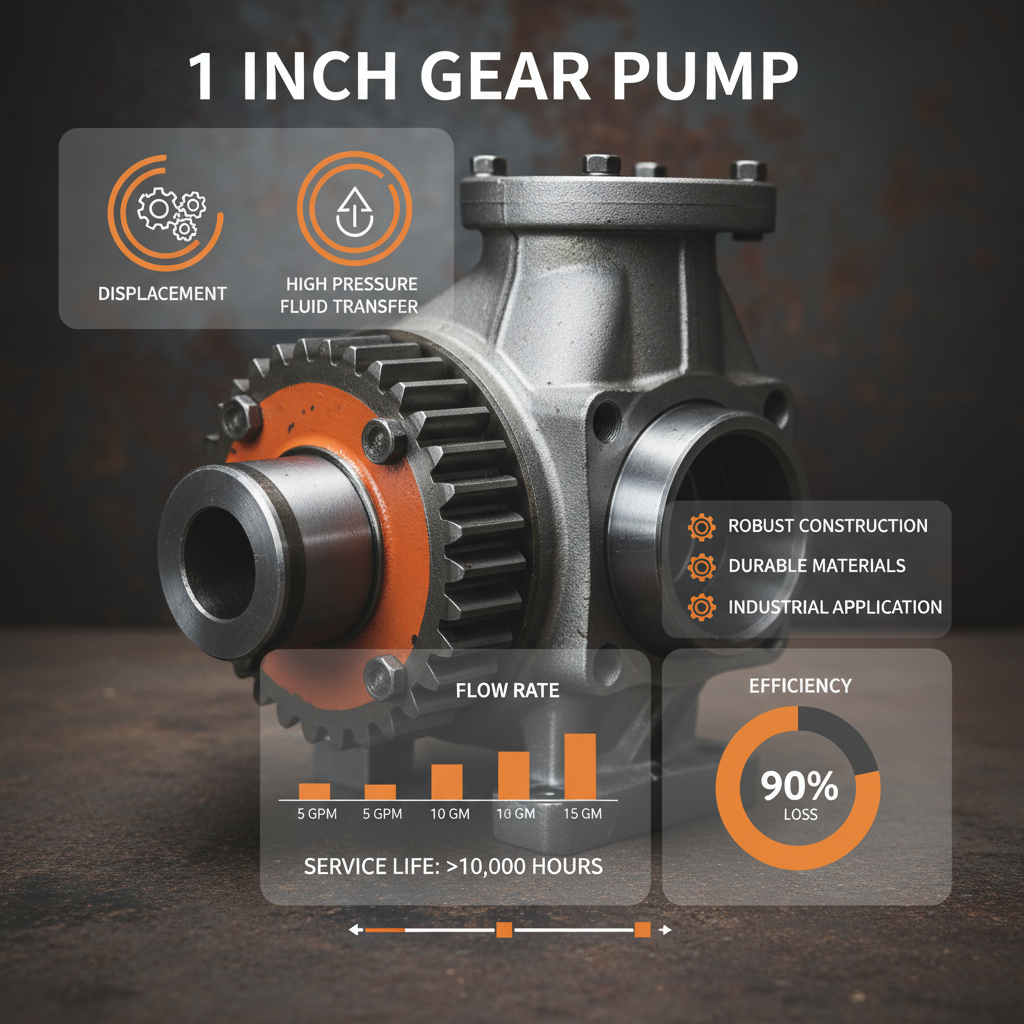
Durability is the primary hallmark of a high-performance 1 inch gear pump. The selection of materials, such as hardened steel or specialized alloys for the gears, ensures that the pump can withstand high-pressure environments without suffering from premature wear or pitting.
Efficiency in a 1 inch gear pump is closely tied to the precision of the tolerances between the gear teeth and the pump casing. When these gaps are minimized through expert machining, internal leakage (slip) is reduced, which directly increases the volumetric efficiency of the system.
Scalability and adaptability allow the 1 inch gear pump to be integrated into various configurations. Whether it is used in a tandem pump setup or as a standalone unit for a small hydraulic cylinder, its standardized design ensures compatibility with a wide range of couplings and valves.
Industrial Applications and Use Cases
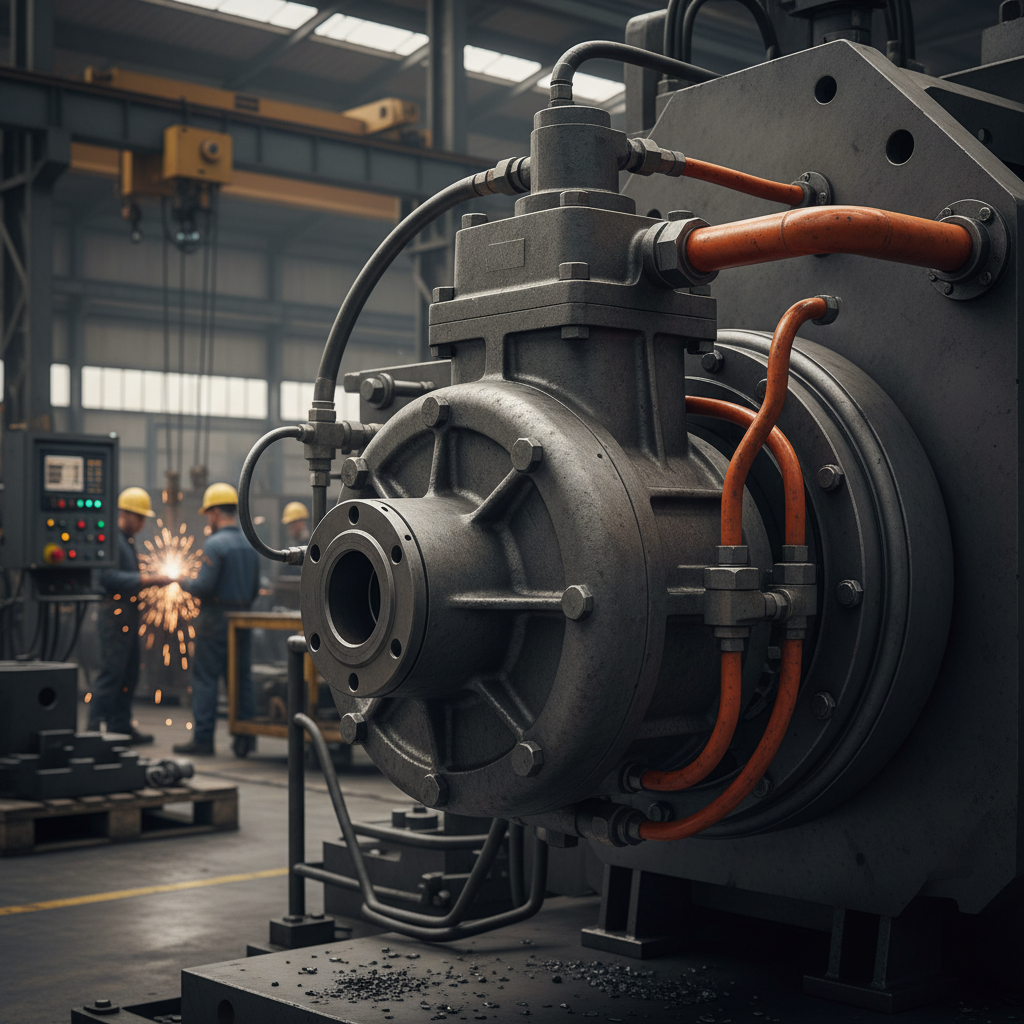
The versatility of the 1 inch gear pump makes it a staple in diverse sectors. In the agricultural sector, these pumps are frequently used in tractor hydraulic systems to power steering units and lift mechanisms. In remote industrial zones, such as mining sites, they are employed in lubrication systems to ensure that massive gearboxes remain cooled and lubricated under extreme loads.
Beyond heavy machinery, these pumps find utility in chemical processing and food production, where precise dosing of thick liquids is required. For instance, in an automated bottling plant, a modified 1 inch gear pump can ensure that a specific volume of syrup or oil is dispensed with millimetric accuracy, reducing product waste and improving quality control.
Efficiency Performance of 1 Inch Gear Pump Variants
Long-Term Value and Operational Advantages
Investing in a high-quality 1 inch gear pump provides tangible economic benefits over the long term. Reduced downtime is the most immediate advantage; because gear pumps are inherently simple, they require less frequent maintenance than piston or vane pumps. This reliability translates to higher machine uptime and lower labor costs for repair.
From a sustainability perspective, the efficiency of these pumps reduces the energy load on the prime mover, whether it's an electric motor or an internal combustion engine. This lower energy consumption not only reduces operational costs but also aligns with global green energy initiatives to lower the carbon footprint of industrial manufacturing.
Future Trends in Gear Pump Innovation
The future of the 1 inch gear pump is being shaped by the digital transformation of industry 4.0. We are seeing the integration of "smart" sensors within the pump housing that can monitor vibration, temperature, and flow rate in real-time. This allows for predictive maintenance, where a system can alert an operator to a potential failure before it occurs, effectively eliminating unplanned downtime.
Material science is also playing a pivotal role. The introduction of advanced ceramics and carbon-reinforced polymers is allowing pumps to operate in more corrosive environments and at higher temperatures than ever before. These innovations expand the reach of the 1 inch gear pump into the pharmaceutical and aerospace sectors, where purity and extreme tolerance are non-negotiable.
Furthermore, the shift toward biodegradable hydraulic fluids is prompting a redesign of seals and gaskets. Modern 1 inch gear pumps are now being engineered to be compatible with eco-friendly oils, ensuring that leakages do not result in environmental contamination, thus upholding the highest standards of corporate social responsibility.
Overcoming Common Challenges in Implementation
One of the most persistent challenges with the 1 inch gear pump is cavitation, which occurs when the pump cannot draw enough fluid, leading to the formation of vapor bubbles that implode and erode the gear surfaces. To solve this, engineers must ensure that the suction line is properly sized and that the fluid viscosity is appropriate for the operating temperature.
Another common issue is internal leakage as the pump ages. While wear is inevitable, it can be mitigated by implementing strict filtration standards. Ensuring that the hydraulic oil is free of contaminants prevents abrasive particles from scoring the gears and the housing, thereby maintaining volumetric efficiency over thousands of hours of operation.
Lastly, noise pollution can be a concern in indoor industrial settings. By utilizing dampened mounts and optimizing the pump's RPM to avoid resonance frequencies, companies can significantly reduce the acoustic impact of their hydraulic systems, creating a safer and more comfortable work environment.
Technical Comparison of 1 Inch Gear Pump Implementation Strategies
| Strategy Type |
Initial Cost |
Maintenance Level |
Expected Lifespan |
| Standard Cast Iron |
Low |
Moderate |
5,000 - 8,000 Hrs |
| Hardened Alloy Steel |
Medium |
Low |
12,000 - 15,000 Hrs |
| Ceramic Coated |
High |
Very Low |
20,000+ Hrs |
| Aluminum Lightweight |
Low-Medium |
Moderate |
4,000 - 6,000 Hrs |
| Smart-Integrated |
High |
Predictive |
15,000+ Hrs |
| Custom Hybrid |
Medium-High |
Low |
10,000 - 12,000 Hrs |
FAQS
The primary advantage is its ability to handle high-viscosity fluids and provide a constant flow rate regardless of the system pressure. While centrifugal pumps are great for water-like fluids at high speeds, a 1 inch gear pump excels in moving heavy oils and providing the precise pressure required for hydraulic actuation.
To prevent cavitation, ensure that the intake line is short, wide enough to minimize friction, and that the fluid is not too viscous for the pump's suction capacity. Regularly cleaning suction filters and ensuring the pump is primed before operation will also significantly reduce the risk of vapor bubble formation.
Yes, most gear pumps are inherently bidirectional. By reversing the direction of the drive motor, the flow of the fluid will also reverse. However, it is crucial to check that the check valves or directional control valves in your specific system are designed to handle reverse flow to avoid damage.
Maintenance primarily revolves around fluid quality. Regularly changing the hydraulic oil and replacing filters is essential. Additionally, monitoring for abnormal noise or heat increases can help identify wear in the gears or seals before a total failure occurs, allowing for a planned replacement of the wear parts.
The '1 inch' typically refers to the standardized port size, which means it can be easily connected to standard 1-inch hydraulic hoses and fittings. This standardization allows operators to swap pumps from different manufacturers without needing to redesign the entire piping layout, ensuring faster repair times.
Standard steel pumps are not suitable for corrosive chemicals. However, if you select a version made from stainless steel or one with specialized polymer coatings, it can be used for mildly corrosive fluids. Always verify the material compatibility chart for the specific chemical you intend to pump.
Conclusion
The 1 inch gear pump remains an essential component in the machinery manufacturing world, offering a rare blend of simplicity, power, and reliability. From its fundamental mechanism of positive displacement to its critical role in powering steering units and hydraulic motors, it provides the stability that modern industrial systems require to function efficiently. By focusing on high-quality materials and precise tolerances, users can maximize the volumetric efficiency and lifespan of these pumps, ensuring a sustainable and cost-effective operation.
Looking forward, the integration of IoT sensors and advanced materials will continue to elevate the performance of gear pump technology. As industries move toward smarter, greener production, the transition to predictive maintenance and eco-friendly fluid compatibility will be paramount. For those seeking to optimize their hydraulic systems, investing in a precision-engineered 1 inch gear pump is a strategic move toward greater operational resilience. Visit our website: www.autolsty.com