In the complex landscape of industrial fluid power, the commercial gear pump stands as a cornerstone of efficiency and reliability. These mechanical powerhouses are essential for converting mechanical energy into hydraulic energy, enabling the movement of heavy loads and the precise control of fluids across countless manufacturing sectors. Understanding the nuances of gear pump technology is not just about technical specifications; it is about optimizing the heartbeat of industrial machinery to ensure maximum uptime and operational safety.
Globally, the demand for robust fluid transfer solutions has surged as automation and heavy-duty machinery become more sophisticated. Whether it is integrated into a large-scale hydraulic system or used for specialized lubrication, a high-quality commercial gear pump ensures that viscous fluids are moved with consistency and precision. This reliability is critical in maintaining the integrity of equipment and reducing the risk of costly unplanned outages in high-pressure environments.
By exploring the engineering principles, application diversity, and maintenance strategies of these pumps, businesses can significantly lower their operational costs. From enhancing the efficiency of hydraulic cylinders to ensuring the smooth operation of steering units, the right pump selection defines the performance ceiling of the entire system. This guide provides a comprehensive analysis of why the commercial gear pump remains an irreplaceable asset in modern industrial infrastructure.
Global Industry Context of Commercial Gear Pumps
The global industrial landscape is currently undergoing a massive transition toward higher precision and energy efficiency. According to standards aligned with ISO hydraulic fluid power guidelines, the integration of an efficient commercial gear pump is vital for reducing energy waste in heavy machinery. In regions like North America and Asia-Pacific, the expansion of construction and mining infrastructure has placed immense pressure on fluid power systems to deliver higher pressures without compromising on longevity.
One of the primary challenges facing the industry today is the balance between high output and mechanical wear. As industries push for faster cycle times, the internal components of pumps are subjected to extreme thermal and mechanical stress. This necessitates a shift toward advanced materials and tighter manufacturing tolerances to prevent internal leakage and volumetric inefficiency, which can lead to systemic failure in critical operations.
Defining the Commercial Gear Pump and Its Role
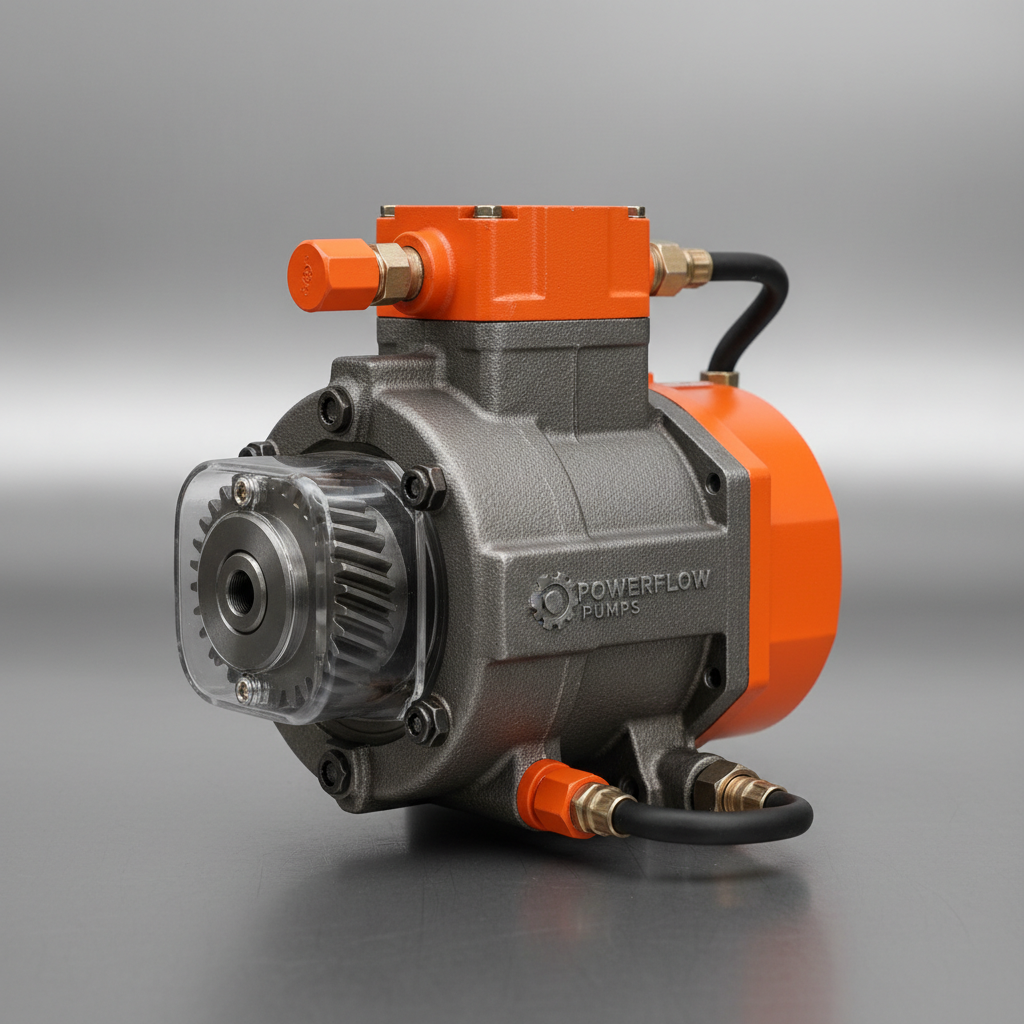
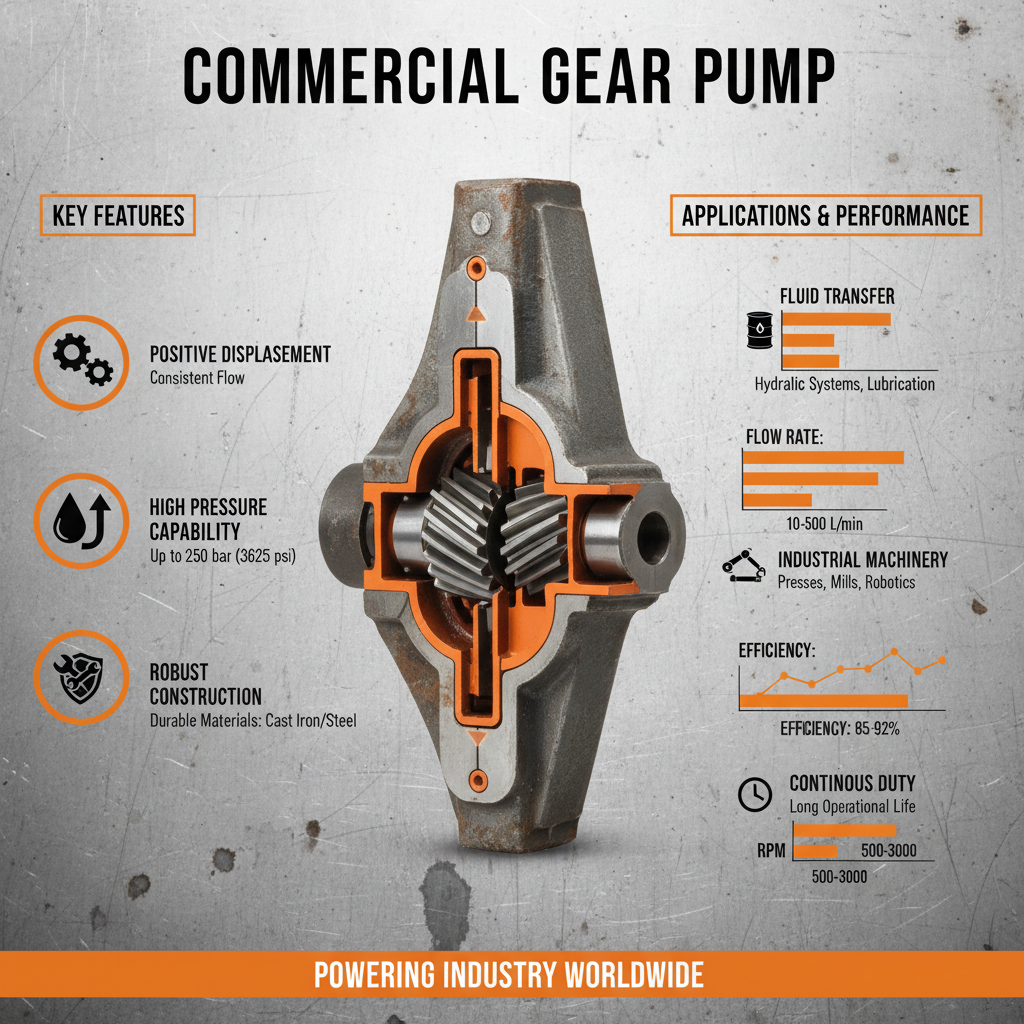
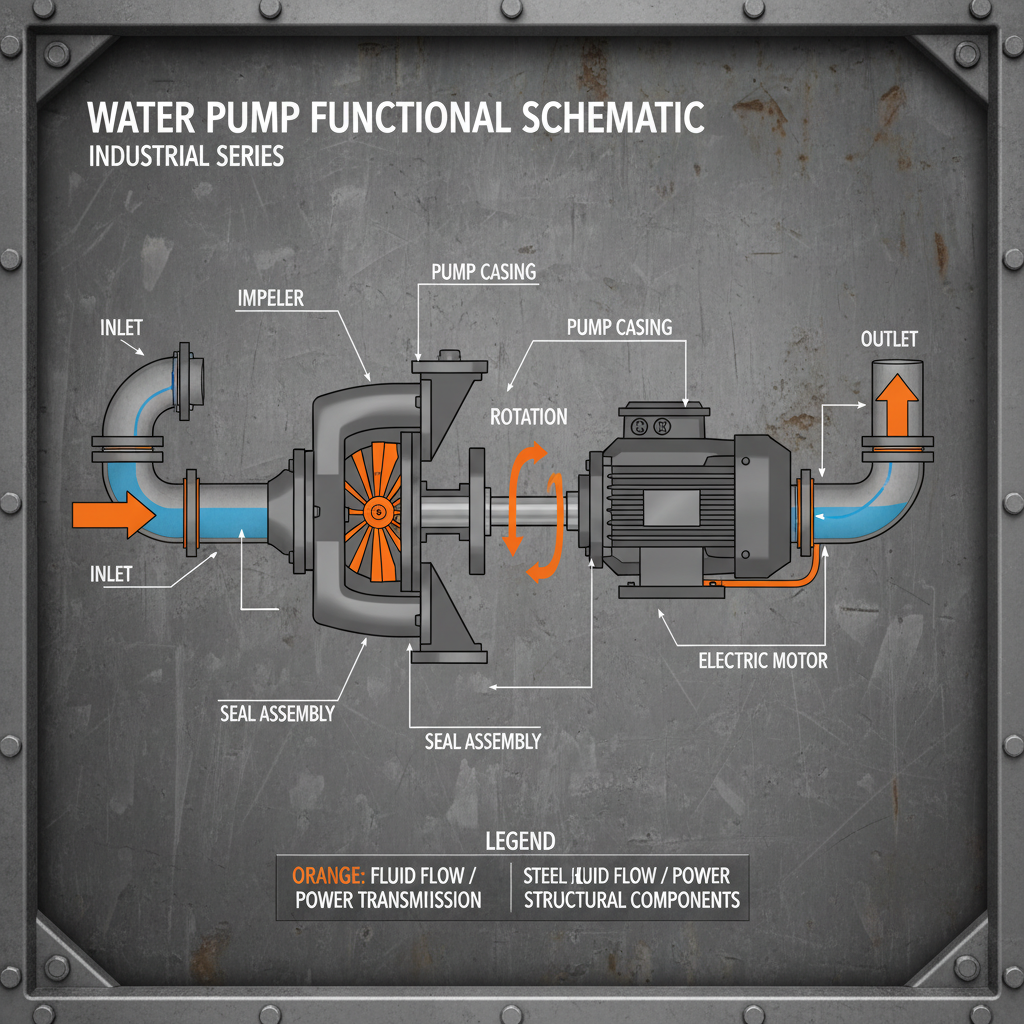
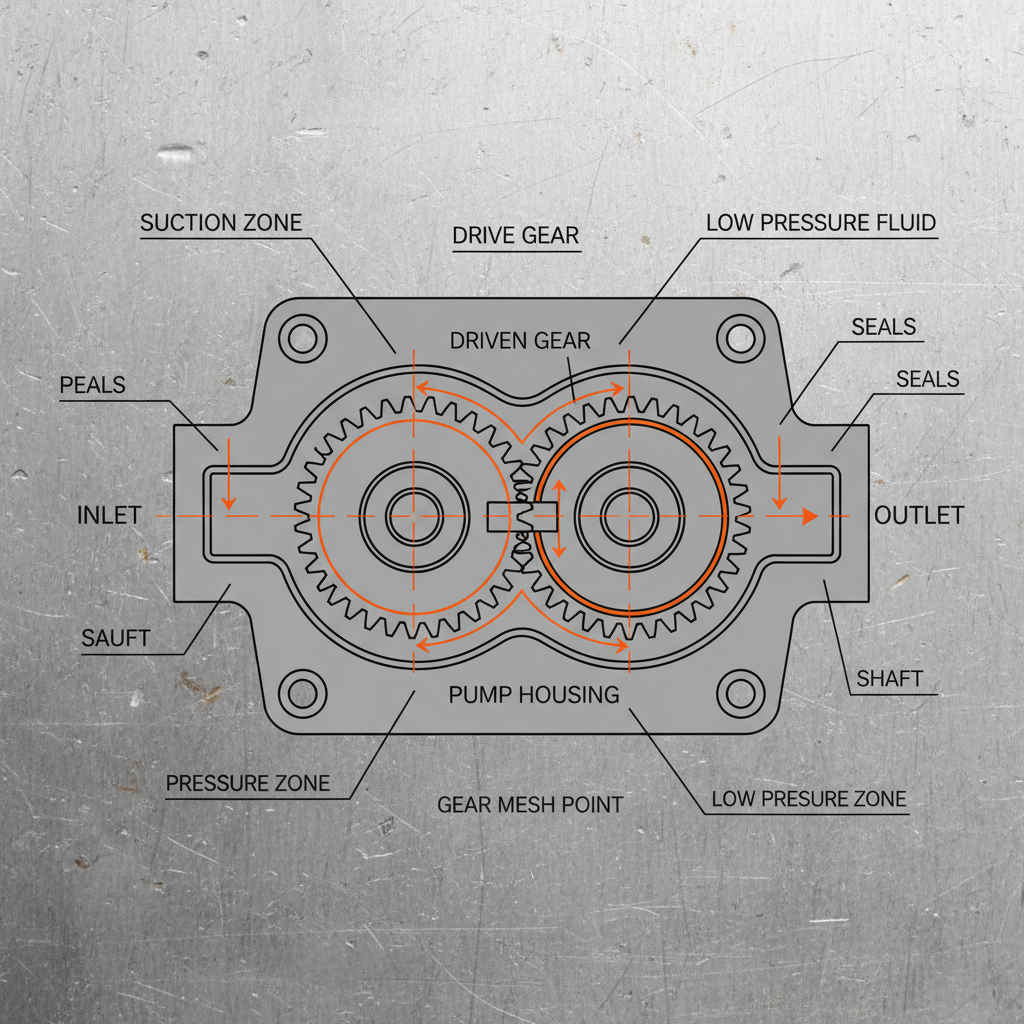
At its most basic level, a commercial gear pump is a positive displacement pump that moves fluid by repeatedly enclosing a fixed volume using interlocking gears. As the gears rotate, fluid is trapped between the gear teeth and the pump casing, forcing it to move from the suction port to the discharge port. This simple yet effective mechanism allows for the consistent movement of high-viscosity fluids, making it an ideal choice for hydraulic oils and lubricants.
Beyond the mechanical definition, these pumps serve as the primary "heart" of hydraulic circuits. They provide the necessary flow and pressure to actuate various components, such as hydraulic cylinders and motors. In a modern industrial context, the role of the gear pump extends to ensuring that precision equipment—such as directional control valves—receives a steady stream of fluid, which is essential for the rhythmic and safe operation of automated assembly lines.
The humanitarian and societal impact of this technology is often overlooked but profound. From the pumps used in agricultural machinery that ensure global food security to the hydraulic systems in emergency rescue equipment, the reliability of a commercial gear pump directly translates to operational success in high-stakes environments. It is the invisible force that enables the heavy lifting required for building cities and maintaining critical infrastructure.
Core Components and Technical Factors
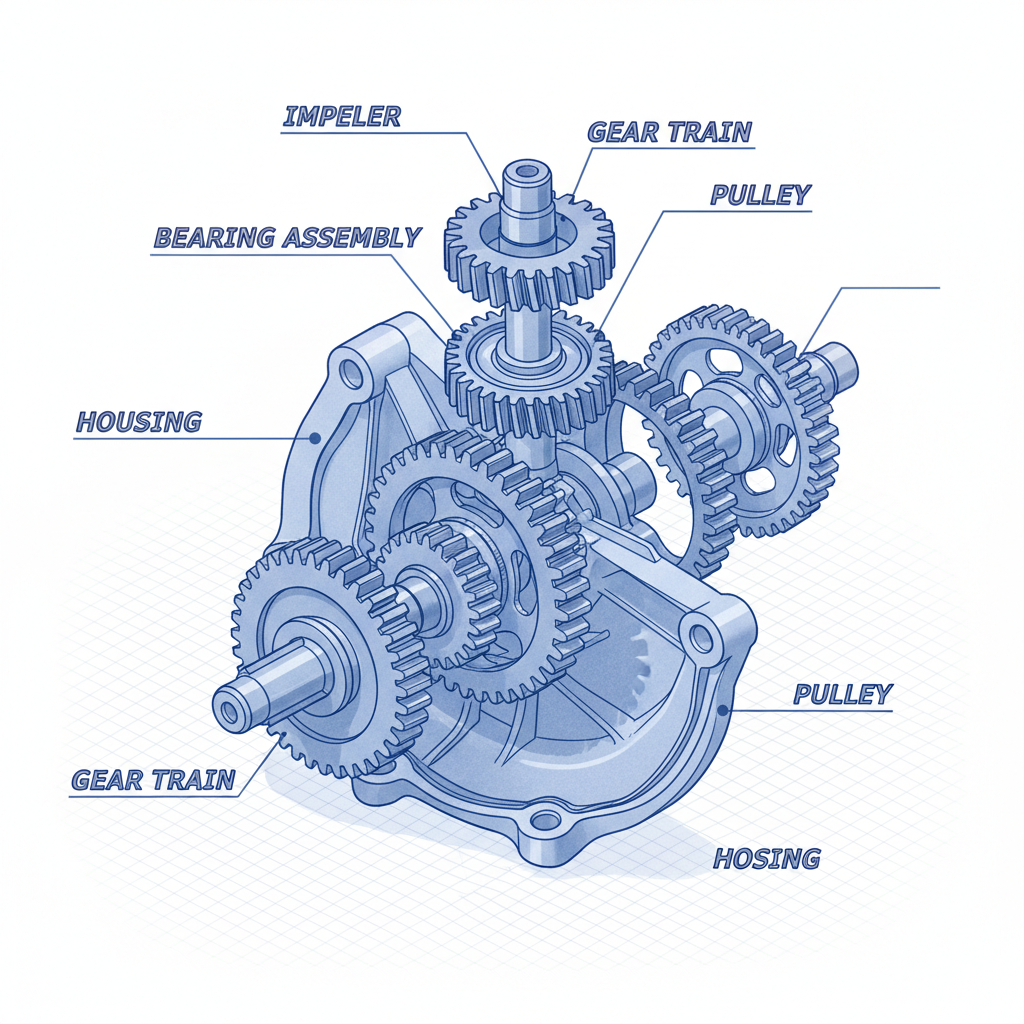
Durability is the first pillar of any high-performance commercial gear pump. This is achieved through the selection of hardened steel or alloy materials for the gears and high-strength aluminum or cast iron for the housing. The goal is to minimize wear at the mesh points, ensuring that the pump maintains its volumetric efficiency over thousands of operating hours even under contaminated fluid conditions.
Cost-efficiency and scalability are equally critical. Because gear pumps have fewer moving parts compared to piston or vane pumps, they offer a lower total cost of ownership. This scalability allows engineers to implement the same basic pump design across a wide range of capacities, from small lubrication units to massive hydraulic power packs, without needing to redesign the entire system architecture.
Finally, the precision of the seal and the tolerance between the gear tips and the pump body determine the overall performance. High-grade commercial gear pumps utilize advanced sealing technologies to prevent external leaks and internal slippage. This precision ensures that the pressure output remains stable, which is paramount when powering sensitive components like steering units or precision-timed hydraulic cylinders.
Global Applications and Use Cases
The versatility of the commercial gear pump allows it to thrive in diverse environments. In the mining sectors of Australia and Brazil, these pumps are used in heavy-duty earthmovers and drilling rigs to handle the extreme pressures required to move tons of rock. Similarly, in the agricultural heartlands of the US Midwest, gear pumps power the hydraulic lifts and steering mechanisms of modern tractors, ensuring precision seeding and harvesting.
In more specialized contexts, such as remote industrial zones or post-disaster relief operations, the simplicity of gear pumps is a massive advantage. Because they are easier to maintain and repair in the field than more complex pump types, they are often the first choice for portable hydraulic power units used in wreckage removal or emergency infrastructure repair.
Comparative Performance of Gear Pump Configurations
Long-Term Value and Operational Advantages
The long-term value of investing in a premium commercial gear pump extends beyond simple hardware costs. By reducing internal friction and leakage, these pumps contribute to lower energy consumption and a smaller carbon footprint for the entire facility. Furthermore, the inherent reliability of gear-driven systems provides operators with peace of mind, knowing that the system is less likely to fail during critical production peaks.
From a logical and emotional perspective, the use of high-quality pumps fosters a culture of safety and trust within the workplace. When hydraulic systems operate predictably and without sudden pressure drops, the risk of mechanical accidents is significantly reduced. This commitment to quality not only protects the workforce but also enhances the brand reputation of the company as a reliable and innovative industry leader.
Future Trends and Technological Innovations
The future of the commercial gear pump is being shaped by the twin forces of digitalization and sustainability. We are seeing the integration of IoT sensors directly into pump housings, allowing for real-time monitoring of vibration, temperature, and flow rates. This shift toward predictive maintenance means that a pump can signal for service before a failure occurs, eliminating the downtime associated with traditional "run-to-fail" strategies.
Material science is also playing a pivotal role, with the introduction of advanced ceramic coatings and composite materials that drastically reduce wear and noise. These innovations are making gear pumps more suitable for environments where noise pollution is a concern, such as urban construction sites or high-end manufacturing plants.
Additionally, the trend toward "green hydraulics" is pushing for the development of pumps that are compatible with biodegradable fluids. As environmental regulations tighten globally, the ability of a commercial gear pump to operate efficiently with eco-friendly lubricants without losing performance will be a key competitive advantage for manufacturers.
Challenges and Expert Solutions
Despite their robustness, commercial gear pumps often face the challenge of cavitation and fluid contamination. Cavitation occurs when the pump cannot pull enough fluid from the reservoir, creating vapor bubbles that implode and pit the gear surfaces. Expert solution involves optimizing the suction line diameter and ensuring that the reservoir is properly vented and placed at an ideal height relative to the pump.
Contamination remains the number one enemy of hydraulic systems. Small particles can act as abrasives, quickly wearing down the tight tolerances of the gear mesh. To combat this, we recommend the implementation of high-efficiency filtration systems and regular oil analysis. By maintaining fluid cleanliness, the operational life of the pump can be extended by 200% to 300%.
Another common limitation is the fixed displacement nature of standard gear pumps, which can lead to energy waste when full flow is not required. The innovative approach here is the use of variable-speed drives (VSDs) to control the pump's input speed. This allows the system to match the flow rate to the actual demand of the hydraulic cylinders, significantly increasing overall system efficiency.
Analysis of Commercial Gear Pump Performance and Maintenance Metrics
| Pump Category |
Wear Resistance (1-10) |
Energy Efficiency (1-10) |
Maintenance Cycle (Hours) |
| Standard External Gear |
7 |
6 |
4,000 |
| Hardened Alloy Gear |
9 |
7 |
8,000 |
| Low-Noise Series |
6 |
8 |
5,000 |
| High-Pressure Industrial |
10 |
8 |
10,000 |
| Compact Mobile Gear |
8 |
7 |
6,000 |
| Eco-Fluid Compatible |
7 |
9 |
7,000 |
FAQS
Unlike centrifugal pumps, which rely on kinetic energy and can lose significant efficiency as fluid thickness increases, a commercial gear pump is a positive displacement machine. It physically traps and moves a fixed volume of fluid regardless of viscosity. This ensures a steady, predictable flow rate even when pumping heavy oils or syrups, making it far more reliable for industrial lubrication and hydraulic power.
While maintenance intervals vary by application, a general rule is to perform a comprehensive check every 2,000 to 4,000 operating hours. This should include changing the hydraulic filters and analyzing the oil for metal particulates. If the pump is used in a high-contamination environment, such as mining, these intervals should be shortened to prevent premature wear of the gear teeth and seals.
Yes, but it depends on the build quality. Standard gear pumps are designed for medium pressure, but "high-pressure" variants utilize reinforced housings and specialized alloys to handle loads often exceeding 250 bar. However, for ultra-high pressure applications, piston pumps are sometimes preferred. For most commercial industrial needs, a high-grade gear pump provides the best balance of cost and pressure capability.
The most common cause is cavitation, where air bubbles form and collapse within the pump due to a restricted suction line. Another cause can be excessive system pressure or worn-out bearings. If you hear a high-pitched whine, first check your intake filters for clogs and ensure the fluid level in the reservoir is sufficient. Addressing these usually resolves the noise and prevents internal damage.
They are highly efficient at moving fluids, but because they are typically fixed-displacement, they can waste energy if the system doesn't need the full flow. To maximize efficiency, we recommend pairing the pump with a variable-speed motor or a pressure-compensated valve. This ensures that energy is only consumed based on the actual demand of the hydraulic actuators.
Selection depends on three main factors: required flow rate (GPM or LPM), maximum operating pressure, and fluid viscosity. You must calculate the total flow needed by all actuators in your system and select a pump that can provide that volume at your required pressure. Always include a small safety margin (10-15%) to account for internal slippage as the pump ages.
Conclusion
The commercial gear pump remains an indispensable tool in the world of industrial fluid power, combining simplicity, durability, and high performance. By understanding the critical relationship between material quality, fluid cleanliness, and precise installation, businesses can unlock the full potential of their hydraulic systems. From reducing operational downtime to enhancing safety through predictable power delivery, the value of a well-chosen gear pump is reflected in the overall stability and profitability of the manufacturing process.
Looking forward, the integration of smart monitoring and sustainable materials will only further cement the gear pump's role in the "Industry 4.0" era. We encourage operators to transition toward predictive maintenance and eco-friendly fluids to ensure their infrastructure remains competitive and compliant with global environmental standards. Investing in quality today ensures a seamless, efficient, and powerful operation for years to come. Visit our website for more professional solutions: www.autolsty.com