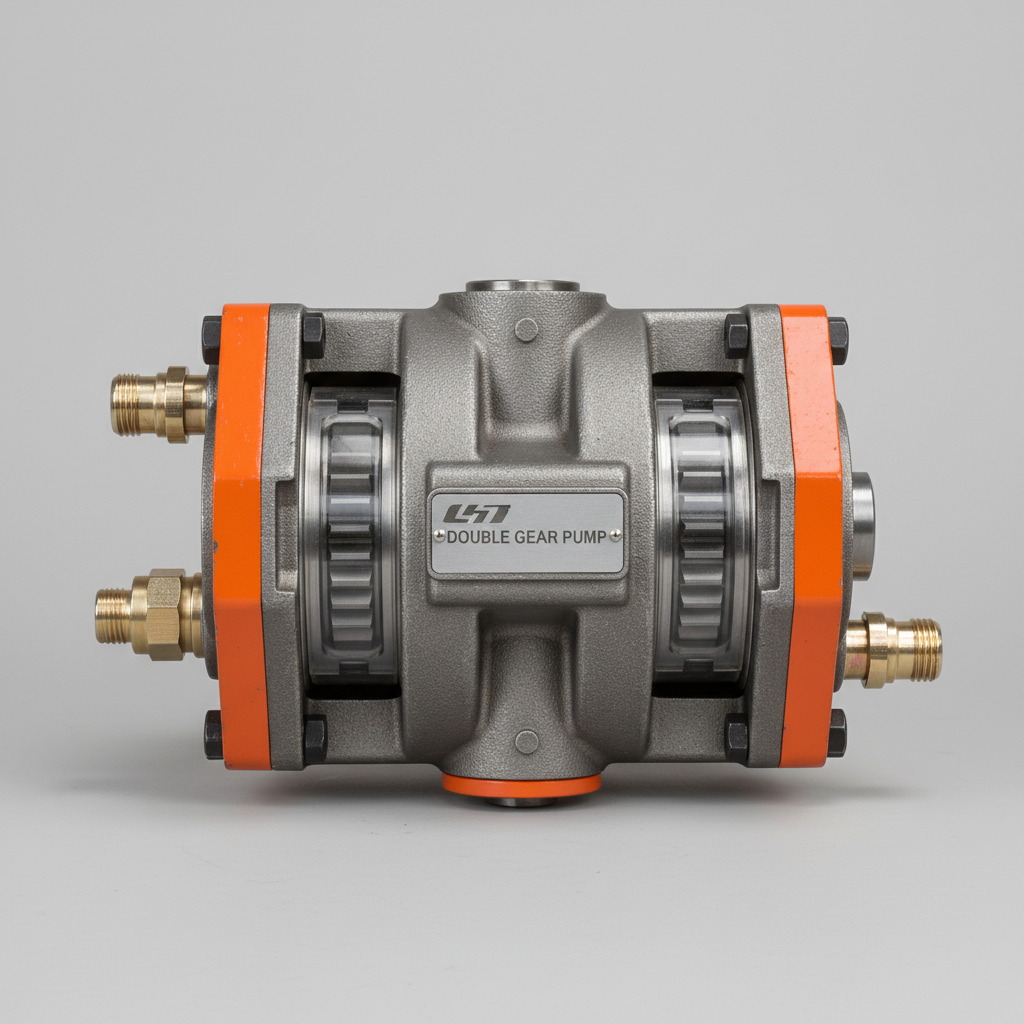
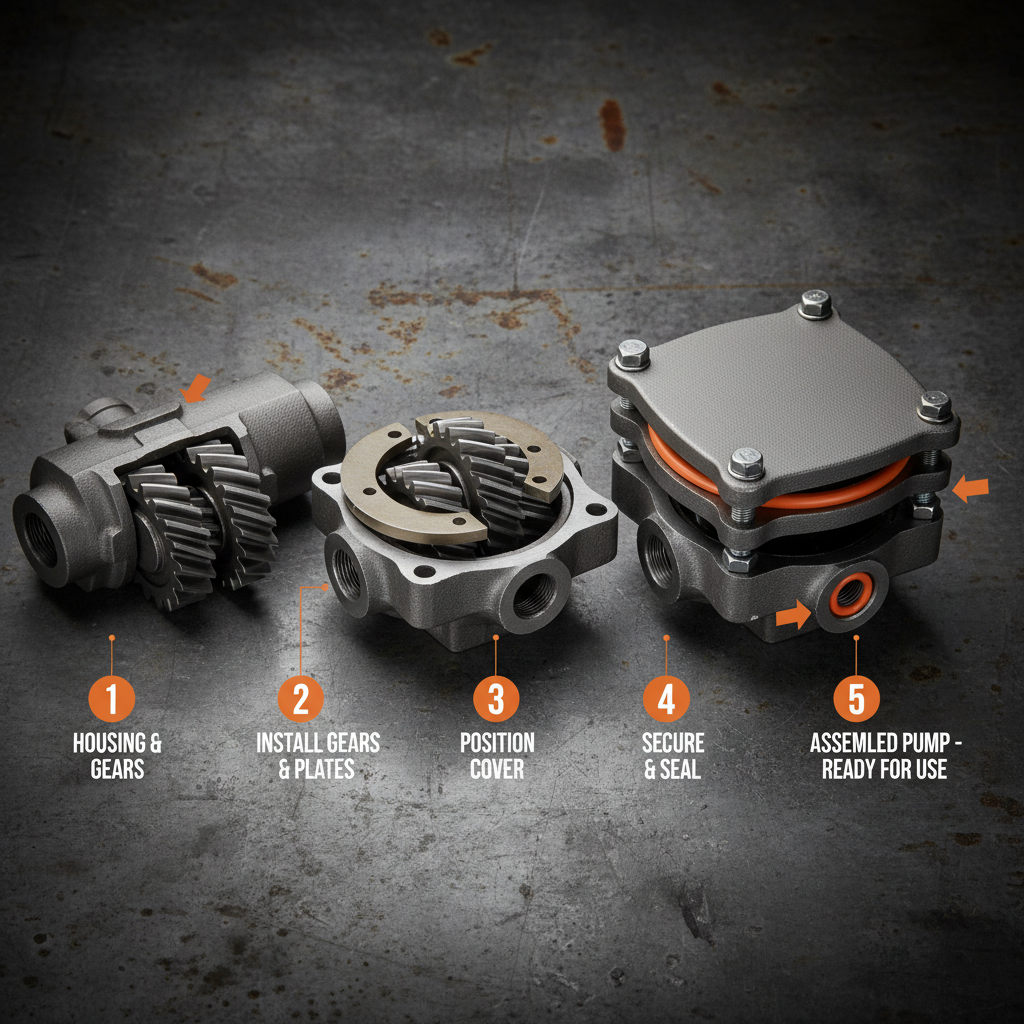
The double gear pump represents a cornerstone of modern fluid power systems, offering a robust solution for transferring high-viscosity liquids with consistent precision. By utilizing two meshing gears to create a positive displacement mechanism, these pumps ensure that a fixed volume of fluid is moved per revolution, making them indispensable in heavy-duty industrial environments where reliability is non-negotiable.
Globally, the demand for efficient hydraulic transmission has surged as the manufacturing sector pivots toward automation and high-capacity machinery. Understanding the nuances of the double gear pump is essential for engineers and procurement managers who seek to optimize system efficiency, reduce downtime, and extend the lifecycle of their hydraulic circuits.
From agricultural machinery to complex aerospace lubrication systems, the ability to maintain steady pressure under varying loads is what sets this technology apart. This guide explores the technical architecture, global applications, and future innovations of these pumps to provide a comprehensive resource for industry professionals.
Global Relevance of Double Gear Pump Technology
In the current landscape of global manufacturing, the double gear pump serves as a critical link in the supply chain of industrial productivity. According to ISO standards for hydraulic fluid power, the stability of flow is paramount to preventing systemic failure in high-pressure environments. As emerging economies in Southeast Asia and Africa expand their infrastructure, the reliance on durable, low-maintenance pumping solutions has increased, positioning these gear pumps as a preferred choice over more complex vane or piston alternatives.
The primary challenge facing the industry today is the need for higher energy efficiency without compromising the pump's ability to handle contaminated or highly viscous fluids. Many legacy systems struggle with internal leakage and volumetric inefficiency, leading to increased operational costs. The evolution of the double gear pump addresses these pain points by implementing tighter tolerances and advanced metallurgy to minimize slippage.
Defining the Double Gear Pump Mechanism
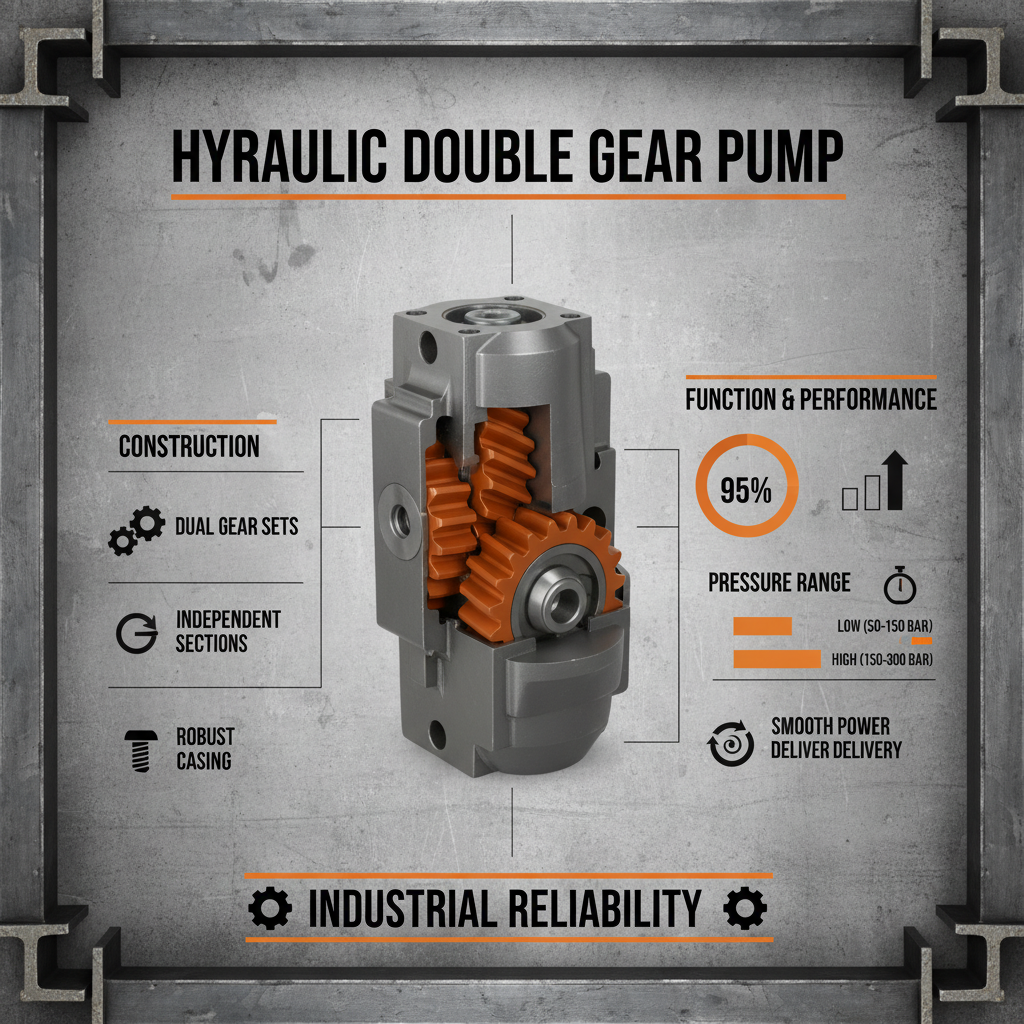
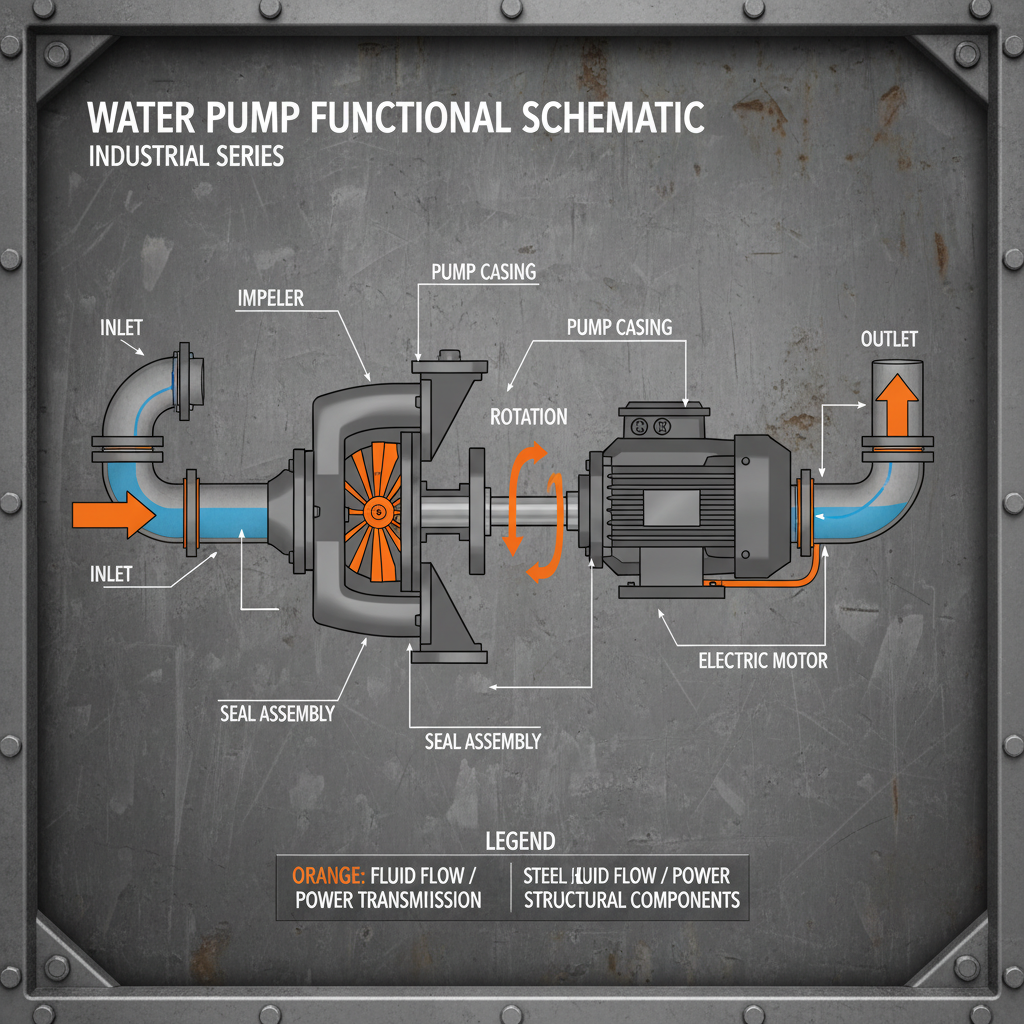
At its core, a double gear pump is a positive displacement pump consisting of two identical gears—a driver gear and a driven gear—housed within a precision-engineered casing. As the gears rotate, fluid is trapped between the gear teeth and the housing wall, carried from the suction port to the discharge port. This mechanical action ensures that the flow rate remains relatively constant regardless of the pressure at the outlet, which is vital for synchronized hydraulic movements.
Beyond the basic physics, this mechanism is deeply connected to modern industrial needs for "fail-safe" operation. Unlike centrifugal pumps that may lose prime or suffer from cavitation in thick oils, the gear-driven approach forces the fluid through the system. This makes them the gold standard for lubrication systems in large turbines, automotive transmissions, and hydraulic power units where a sudden drop in pressure could lead to catastrophic mechanical seizure.
In a broader humanitarian and developmental context, the simplicity of the double gear pump makes it easier to maintain in remote regions. When high-tech replacement parts are unavailable, the straightforward design allows for more accessible repair cycles, ensuring that critical water treatment or fuel transfer systems in developing zones remain operational.
Core Components and Design Factors
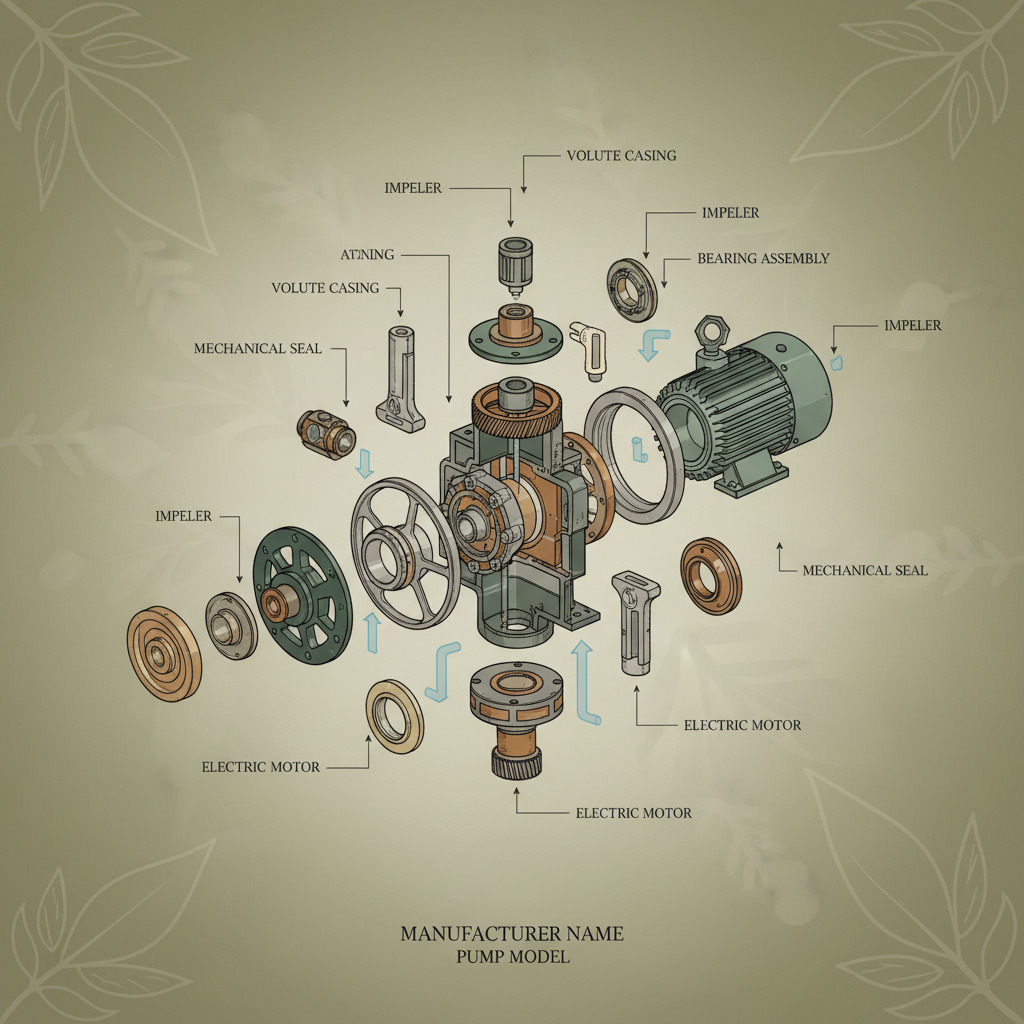
The durability of a double gear pump begins with its material selection. High-grade alloy steels or cast iron are typically used for the housing and gears to withstand the extreme frictional heat and pressure loads. The precision of the gear tooth profile is the most critical design factor, as any deviation can lead to increased internal leakage, which directly reduces the volumetric efficiency of the unit.
Scalability is another key consideration. By adjusting the diameter and the number of teeth on the gears of the double gear pump, manufacturers can tailor the flow rate to specific industrial requirements. This flexibility allows a single design philosophy to be applied to everything from small-scale medical devices to massive mining excavators, ensuring a consistent performance envelope across different scales.
Finally, cost efficiency is achieved through the minimization of moving parts. Compared to piston pumps, the double gear pump requires fewer seals and bearings, which reduces the initial purchase price and lowers the long-term cost of ownership. This makes it an attractive option for OEMs who need to balance high performance with competitive pricing in the global market.
Industrial Performance and Efficiency Metrics
Measuring the success of a double gear pump involves analyzing its volumetric efficiency—the ratio of the actual flow delivered to the theoretical flow. While gear pumps are generally less efficient than piston pumps at extremely high pressures, they excel in mid-range pressure applications where the cost-to-performance ratio is most favorable.
Modern testing focuses on the "slip" or internal leakage that occurs as fluid moves from the high-pressure side back to the low-pressure side. By optimizing the clearance between the gear tips and the pump casing, engineers can significantly boost the energy output of the double gear pump, reducing the load on the prime mover and lowering electricity consumption.
Comparative Performance of Gear Pump Variants
Global Applications and Use Cases
In real-world contexts, the double gear pump is the workhorse of the oil and gas industry. In remote industrial zones, such as the Siberian oil fields or the Permian Basin, these pumps are used to move crude oil through pipelines where the fluid's high viscosity would cause other pump types to fail. Their ability to handle "dirty" fluids with minimal wear makes them ideal for primary extraction and transfer stages.
Furthermore, in agricultural sectors across Brazil and the US Midwest, these pumps power the hydraulic steering and lifting mechanisms of heavy tractors and harvesters. In these environments, the pump must withstand extreme temperature fluctuations and dust contamination, providing the reliable torque necessary for seasonal harvests. The double gear pump ensures that these critical food-production machines operate with minimal interruption.
Long-term Value and Operational Advantages
The tangible benefits of investing in a high-quality double gear pump extend far beyond initial cost savings. From a sustainability perspective, a pump with high volumetric efficiency reduces energy waste, directly lowering the carbon footprint of the industrial facility. This alignment with "Green Manufacturing" policies is becoming a requirement for companies seeking ISO 14001 certification.
Beyond the numbers, there is a psychological value tied to reliability. For plant managers, the trust that a double gear pump will start and perform consistently every morning provides operational peace of mind. This reliability translates to safety; in hydraulic braking or steering systems, a pump failure is not just a financial loss—it is a safety risk. The consistency of gear pumps ensures that safety protocols are backed by dependable hardware.
Innovation in coating technologies, such as DLC (Diamond-Like Carbon) coatings on the gear teeth, has further enhanced the long-term value of these pumps. These advancements reduce friction and wear, extending the interval between maintenance cycles and increasing the total return on investment (ROI) for the end-user.
Future Trends in Pump Innovation
As we move toward Industry 4.0, the double gear pump is undergoing a digital transformation. The integration of IoT sensors into the pump housing allows for real-time monitoring of vibration and temperature. This enables "predictive maintenance," where AI algorithms can forecast a bearing failure before it occurs, shifting the industry from reactive repairs to proactive optimization.
Material science is also playing a pivotal role. The development of ceramic-composite gears is paving the way for double gear pump designs that are completely corrosion-resistant and capable of operating in extreme chemical environments without the need for expensive alloys. This is particularly relevant for the expanding hydrogen economy and advanced chemical processing plants.
Lastly, there is a growing trend toward "smart" variable-speed drives (VSD) paired with gear pumps. By adjusting the motor speed based on real-time demand, the system can eliminate the need for pressure-relief valves that bleed energy as heat, making the entire hydraulic circuit significantly more eco-friendly.
Technical Comparison of Double Gear Pump Specifications
| Pump Model Type |
Max Pressure (Bar) |
Viscosity Limit (cSt) |
Efficiency Score (1-10) |
| Standard Iron Series |
210 |
1500 |
7 |
| Precision Alloy Series |
280 |
2000 |
9 |
| Heavy Duty Mining Series |
350 |
5000 |
8 |
| Eco-Flow VSD Series |
200 |
1000 |
10 |
| Compact Industrial Series |
160 |
800 |
6 |
| Ultra-High Pressure Series |
400 |
1200 |
8 |
FAQS
A double gear pump utilizes a driven gear in addition to the drive gear, which ensures a more symmetrical distribution of pressure and fluid flow. This reduces the load on the drive shaft and typically provides higher volumetric efficiency and a more stable flow rate, making it superior for high-pressure industrial applications.
With proper lubrication and filtration, a high-quality double gear pump can last between 10,000 to 20,000 operating hours. The lifespan is primarily determined by the cleanliness of the fluid; using a high-efficiency filtration system prevents abrasive particles from wearing down the gear teeth and housing.
Yes, they are specifically designed for this. Unlike centrifugal pumps, the positive displacement nature of the double gear pump allows it to "push" thick fluids effectively. In fact, higher viscosity often improves the efficiency of these pumps by reducing internal slippage between the gear teeth and the casing.
The most common failures are cavitation—caused by restricted suction—and contamination. When particles enter the pump, they act as abrasives, widening the clearances and reducing pressure. Regular oil analysis and ensuring the suction line is unobstructed are the best ways to prevent these issues.
Selection depends on the required flow rate (GPM or LPM) and the maximum system pressure. You must calculate the displacement per revolution and match it to your motor's RPM. Additionally, consider the fluid viscosity to ensure the pump can handle the fluid without overheating.
Many double gear pumps are inherently bidirectional, meaning they can pump fluid in either direction depending on the rotation of the drive gear. However, you must verify that the seals and the rotation of the motor are compatible with the intended flow direction to avoid damage.
Conclusion
The double gear pump remains an irreplaceable asset in the world of fluid power, blending mechanical simplicity with industrial-grade performance. From its ability to handle extreme viscosities to its adaptability across diverse global industries, it provides a reliable foundation for hydraulic systems that demand consistency and durability. By focusing on precision engineering and adopting new digital monitoring tools, these pumps continue to evolve, meeting the rigorous standards of modern manufacturing.
As the industry moves toward a more sustainable and automated future, the integration of smarter materials and energy-efficient drives will further solidify the role of the gear pump. For companies looking to optimize their operational uptime and reduce maintenance overhead, investing in high-specification pumping solutions is a strategic necessity. To explore our full range of hydraulic solutions and find the perfect fit for your machinery, visit our website: www.autolsty.com.