
weixin
industrial water pump types
Whatsapp
email
up
0%

Table of Contents

You know, been running around construction sites all year, breathing in dust, and dealing with engineers… it’s tiring, honestly. But seeing things actually get built? That's something. Lately, everyone's talking about pre-fabricated components, modular stuff. Seems like every other project wants something drop-in, ready to go. But it’s not as simple as it sounds, believe me.

There's a real push for sustainability too, obviously. Everyone wants "green," but then they want it cheap. And that's where things get… complicated. It’s always a balancing act. We’re seeing more demand for quieter operation, too. Noise complaints are a killer, especially in urban areas. It’s not just about power anymore.

And honestly? Folks are starting to realize the importance of accessibility for maintenance. A pump that’s a bear to service? Forget it. No one wants to spend hours wrestling with bolts just to change a seal. It adds up, both in time and money.
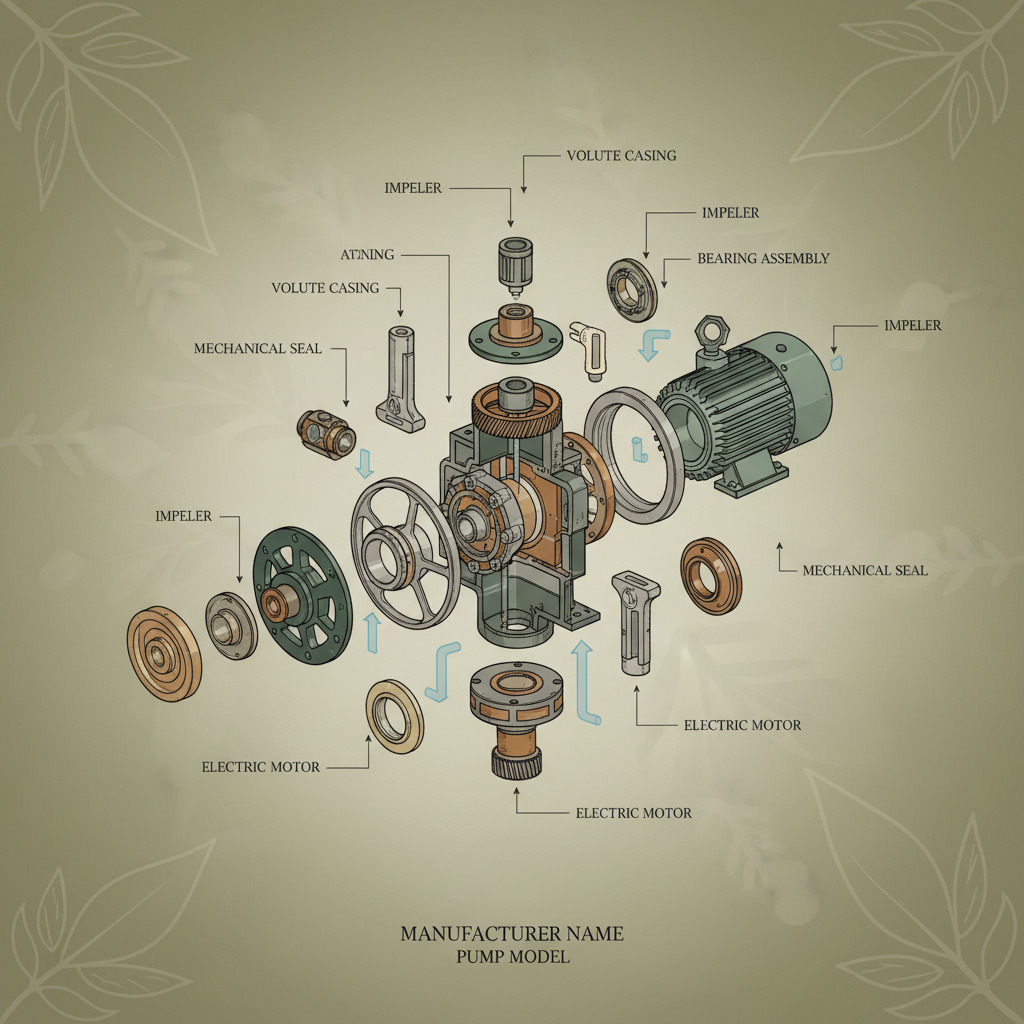
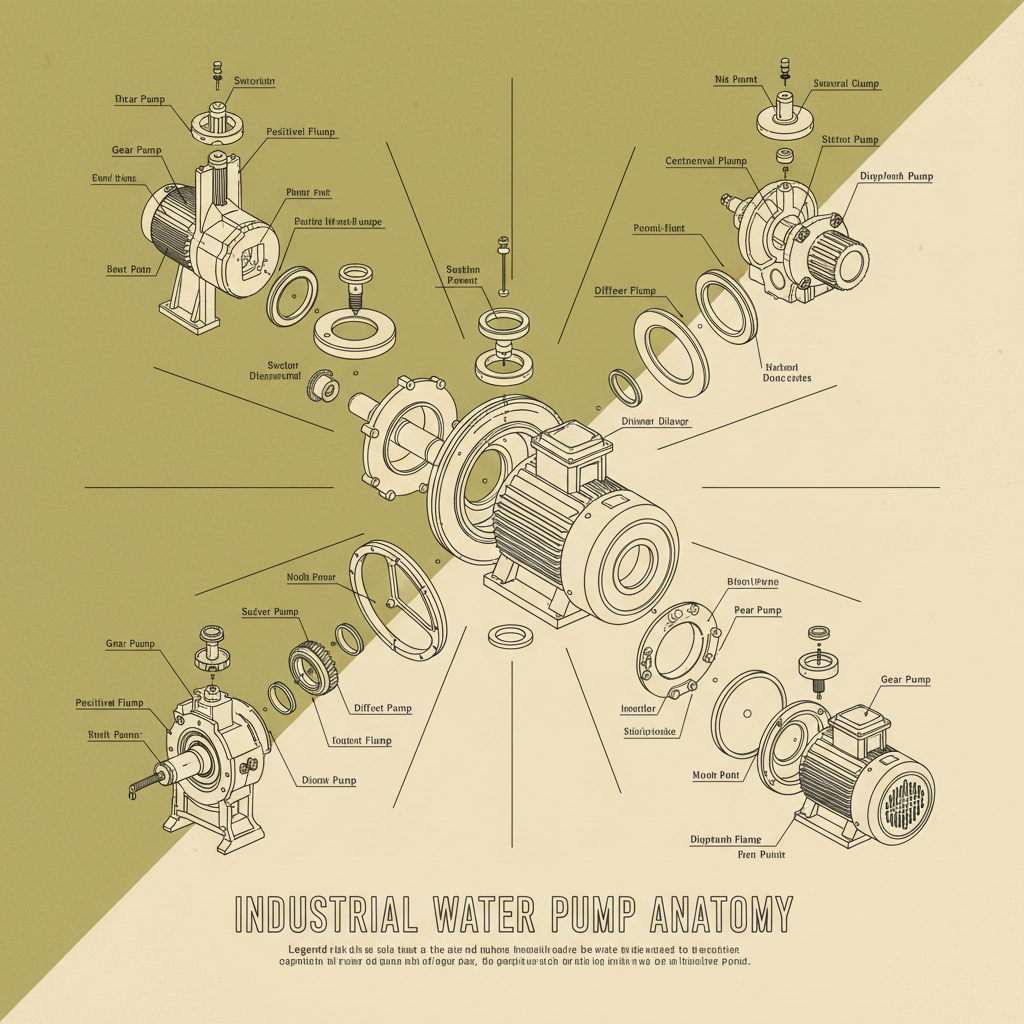
Understanding the Nuances of Modern Industrial Water Pump Systems

The Current Landscape of industrial water pump

Understanding the Nuances of Modern Industrial Water Pump Systems

I've noticed a massive swing towards variable frequency drives (VFDs) lately. It’s not just for saving energy, though that's a big part of it. It’s about control. Folks want to dial in exactly the flow rate they need, and VFDs let them do that. To be honest, they're a bit fussy to set up initially, but once they're dialed in, they're gold.

There’s also a lot of chatter about smart pumps—integrated sensors, remote monitoring, that sort of thing. Sounds fancy, and it is, but you run into issues with connectivity on site. Dead zones, interference… it’s a headache. And then there's the cybersecurity aspect. Seriously, who wants a hacker messing with their water supply?

Design Pitfalls and Common Mistakes

Have you noticed how a lot of designers forget about the actual installation process? They design these beautiful, streamlined pumps, but then they make it impossible to get to the mounting bolts. I encountered this at a wastewater treatment plant last time – the engineer had designed a system where you needed to disassemble half the pump to change a bearing. It was… a choice.

Another common mistake is underestimating the solids handling capabilities. Everyone says their pump can handle "some" solids, but "some" is subjective, right? Especially in industrial applications. And believe me, those solids can be nasty.

And don't even get me started on improperly sized suction lines. It leads to cavitation, and cavitation leads to… well, a very expensive repair bill. Strangely, it’s always the seemingly small details that cause the biggest headaches.

Core Materials and Their Quirks

Cast iron? Reliable. Heavy as sin, but reliable. You can feel the quality. It smells like… well, iron. You know the smell. It’s a bit rough to the touch, needs a good coat of paint to prevent rust. But it lasts.

Stainless steel is all the rage, naturally. Corrosion resistance is key, especially in harsh environments. But there are different grades, you know? 304 is good for general use, but 316 is what you want for saltwater or really corrosive stuff. It feels… colder, smoother than iron. More expensive, too.

And then you have plastics – polypropylene, PVC. Lightweight, cheap, but not always durable. They’re fine for some applications, but you wouldn’t want to put a polypropylene pump in a high-temperature environment. It gets… floppy. Anyway, I think choosing the right material is 70% of the battle.

Real-World Testing Procedures

Lab tests are fine, but they don't tell the whole story. We need to see how these pumps hold up in the real world. We do a lot of field testing – put the pump in the actual application and let it run. Sounds simple, but it’s not. You need to monitor everything – flow rate, pressure, vibration, temperature.

We also do what we call “abuse tests.” Basically, we try to break the pump. Run it dry, overload it, pump abrasive materials through it… see where it fails. It’s not pretty, but it’s necessary. It is more practical to test industrial water pump than laboratory tests.

Performance Comparison of industrial water pump Models


User Behavior and Unexpected Applications

People always use things in ways you don’t expect. I once saw a guy using an industrial water pump to fill a swimming pool. A swimming pool! Said it was faster than a garden hose. I didn’t even ask.

And you find folks repurposing pumps for things like irrigation or even fountain displays. They don’t always understand the intricacies of the design, but they figure it out. Which is… impressive, actually.

Advantages, Disadvantages, and Honest Assessments

The advantages? Reliability. When a good industrial water pump is running, it runs. That's it. Low maintenance, high efficiency, long lifespan. You get what you pay for, usually.

The disadvantages? The upfront cost can be significant. And, as I mentioned earlier, some models can be a pain to service. Also, they’re not exactly lightweight. Moving one around takes some muscle. But honestly, those downsides are often outweighed by the benefits.

Don't believe the hype about "zero maintenance". Everything needs maintenance eventually. It's just a matter of how much.

Customization Options and Practical Examples

We get a lot of requests for customization. Last month, that small boss in Shenzhen who makes smart home devices insisted on changing the interface to , and the result was a delayed shipment because we had to source a very specific waterproof connector. He wanted it to “look modern.” Honestly…

But seriously, customization can be valuable. We’ve done everything from changing the materials to adding special coatings to accommodate different fluids. We even had a customer request a pump with a built-in UV sterilizer. That was… interesting.

One of the most common requests is for different motor voltages. Different countries, different standards. You gotta be flexible.

Key Characteristics of industrial water pump Selection

Application Type Material of Construction Flow Rate (GPM) Typical Cost Range (USD)
Wastewater Treatment Cast Iron/Stainless Steel 50-500 $1,500 - $10,000
Irrigation Polypropylene/PVC 10-150 $500 - $3,000
Chemical Processing 316 Stainless Steel 20-200 $3,000 - $15,000
Cooling Systems Cast Iron/Stainless Steel 100-1000 $2,000 - $12,000
Oil & Gas Duplex Stainless Steel 50-300 $5,000 - $20,000+
Food & Beverage 304 Stainless Steel 30-250 $1,000 - $8,000

FAQS

What is the typical lifespan of an industrial water pump?

That's a tricky one. It depends heavily on the application, maintenance, and quality of the pump itself. But generally, a well-maintained industrial water pump should last anywhere from 10 to 20 years, sometimes even longer. It’s all about preventative maintenance - changing seals, checking bearings, ensuring proper lubrication. Neglect it, and you’ll be replacing it sooner than later. And honestly, the quality of the initial build matters a lot. Cheaper pumps often have a shorter lifespan.

How do I choose the right pump size for my application?

Pump size is crucial. You need to consider the flow rate (how much liquid you need to move) and the head (how high you need to lift it). Undersizing will lead to insufficient flow, while oversizing wastes energy and can cause problems with system pressure. It’s best to consult with an engineer or pump specialist to do the calculations correctly. They'll consider things like pipe friction, elevation changes, and fluid viscosity. A rough estimate is better than guessing, but get professional advice if you can.

What are the common causes of pump failure?

Oh, where do I start? Cavitation is a big one – that’s when vapor bubbles form in the pump due to low pressure. Running the pump dry is another common mistake. Solids getting into the pump can also cause problems, as can corrosion and seal failures. Regular inspections and preventative maintenance can catch these issues before they become catastrophic. Don't ignore unusual noises or vibrations – they're often early warning signs.

What’s the best way to winterize an industrial water pump?

If you're in a cold climate, winterizing is essential. You need to drain all the water from the pump and pipes to prevent freezing and cracking. Also, disconnect the power supply and protect the pump from the elements. There are specific winterization kits available, but even a thorough draining and covering can make a big difference. Don’t forget to check the manufacturer’s recommendations, as different pumps may require different procedures.

Are variable frequency drives (VFDs) worth the investment?

In most cases, absolutely. VFDs allow you to control the pump speed, which means you can adjust the flow rate to match the demand. This saves energy, reduces wear and tear, and improves system efficiency. The initial cost is higher, but the long-term savings usually outweigh the investment. Plus, VFDs can help reduce water hammer and other pressure-related issues. Just be prepared for a bit of a learning curve with the setup.

How important is the pump’s net positive suction head (NPSH)?

NPSH is critical. It’s the difference between the liquid pressure at the pump inlet and the liquid’s vapor pressure. If the NPSH is too low, you’ll get cavitation, which can quickly destroy the pump. You need to ensure that the system is designed to provide adequate NPSH, considering factors like pipe length, elevation changes, and fluid temperature. It’s one of those things that engineers spend a lot of time calculating, and for good reason.

Conclusion

So, yeah, industrial water pumps. They're not glamorous, but they're essential. From wastewater treatment to irrigation to chemical processing, they keep the world turning. It’s a balancing act between cost, reliability, efficiency, and customization. And the key is understanding the application, choosing the right materials, and performing regular maintenance.

Ultimately, whether this thing works or not, the worker will know the moment he tightens the screw. It's a simple truth, but one that gets lost in all the engineering and data. If it’s a smooth, solid connection, you know you’ve got a good pump. If it feels… off? Well, you’ve got problems. Visit our website for more information.

Kevin Rodriguez

Kevin Rodriguez

Kevin Rodriguez is a dedicated R&D Engineer at LSTY Pump Industry, focused on the design and development of new hydraulic pump models, specifically our PGP series. He holds a Bachelor's degree in Mechanical Design and has quickly become a valuable asset to our innovation team. Kevin’s role involves utilizing advanced
Previous Leading Industrial Water Pump Manufacturer for Efficient Water Management
Next Reliable Industrial Water Pump for Sale Addressing Real World Challenges
https://www.autolsty.com/static/autolsty/icon11.png autolsty@163.com autolsty@163.com up2

If you are interested in our products, you can choose to leave your information here, and we will be in touch with you shortly.