
weixin
industrial water pump types
Whatsapp
email
up
0%

Table of Contents

The global demand for efficient and reliable fluid power solutions is constantly increasing, driven by advancements in manufacturing, infrastructure development, and automation. At the heart of many such systems lies the tandem gear pump, a critical component for delivering consistent and precise hydraulic power. Understanding the principles, applications, and future trends surrounding this technology is essential for engineers, procurement specialists, and anyone involved in industries relying on hydraulic systems. These pumps are fundamental in applications requiring high flow rates and pressures, offering a compact and robust solution where efficiency and longevity are paramount.

The proliferation of industries like construction, agriculture, and material handling has led to a surge in the need for dependable hydraulic components. Traditional single gear pumps often fall short in demanding applications, prompting the development and adoption of tandem gear pump configurations. These pumps, capable of delivering higher flow rates and handling more viscous fluids, are becoming increasingly vital to maintaining operational efficiency and minimizing downtime. As global industrial output continues to expand, so too will the demand for these crucial components.

The integration of advanced materials and manufacturing processes is further enhancing the performance and durability of tandem gear pump systems. This allows for operation in harsh environments and reduces the lifecycle cost of machinery. From mobile hydraulics to stationary industrial applications, this pump type is vital in diverse sectors.
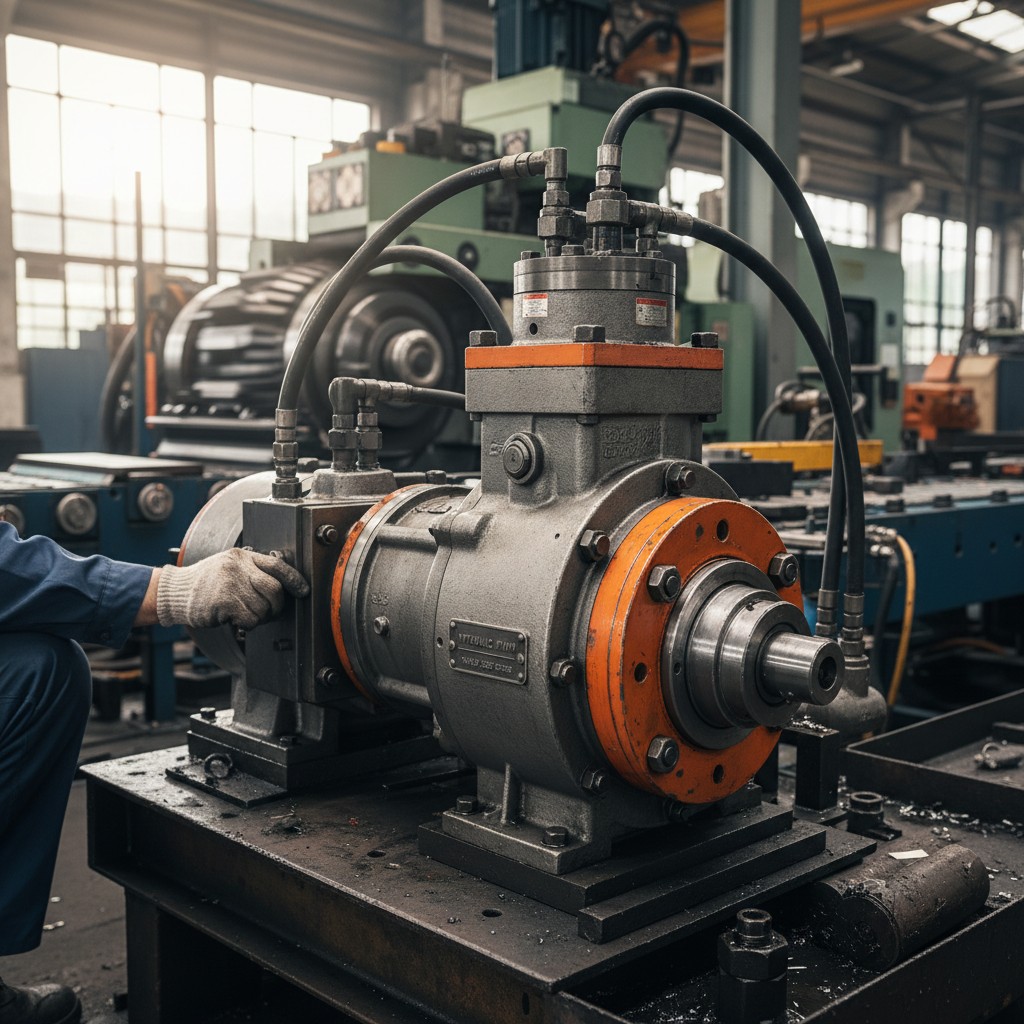
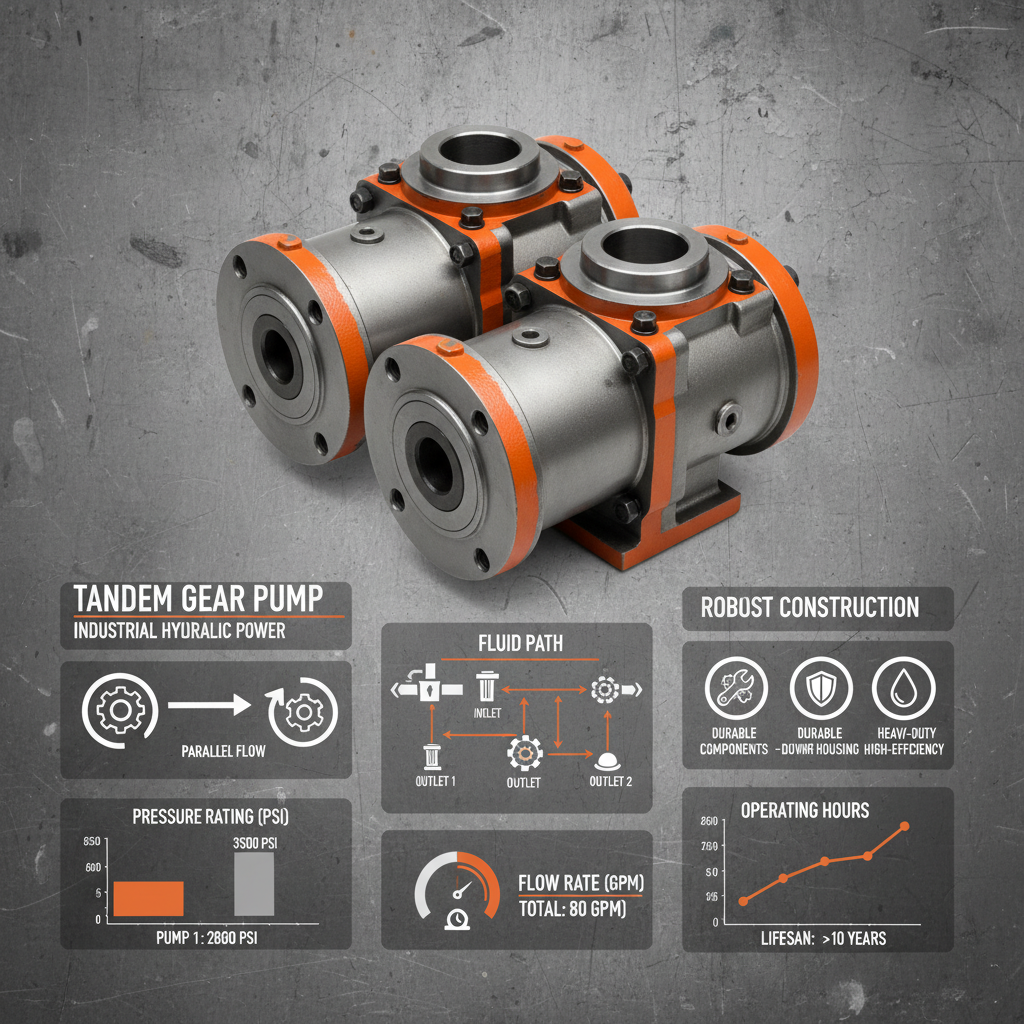
Exploring the Applications and Future of the Tandem Gear Pump Technology

Understanding the Core Principles of tandem gear pump

Exploring the Applications and Future of the Tandem Gear Pump Technology

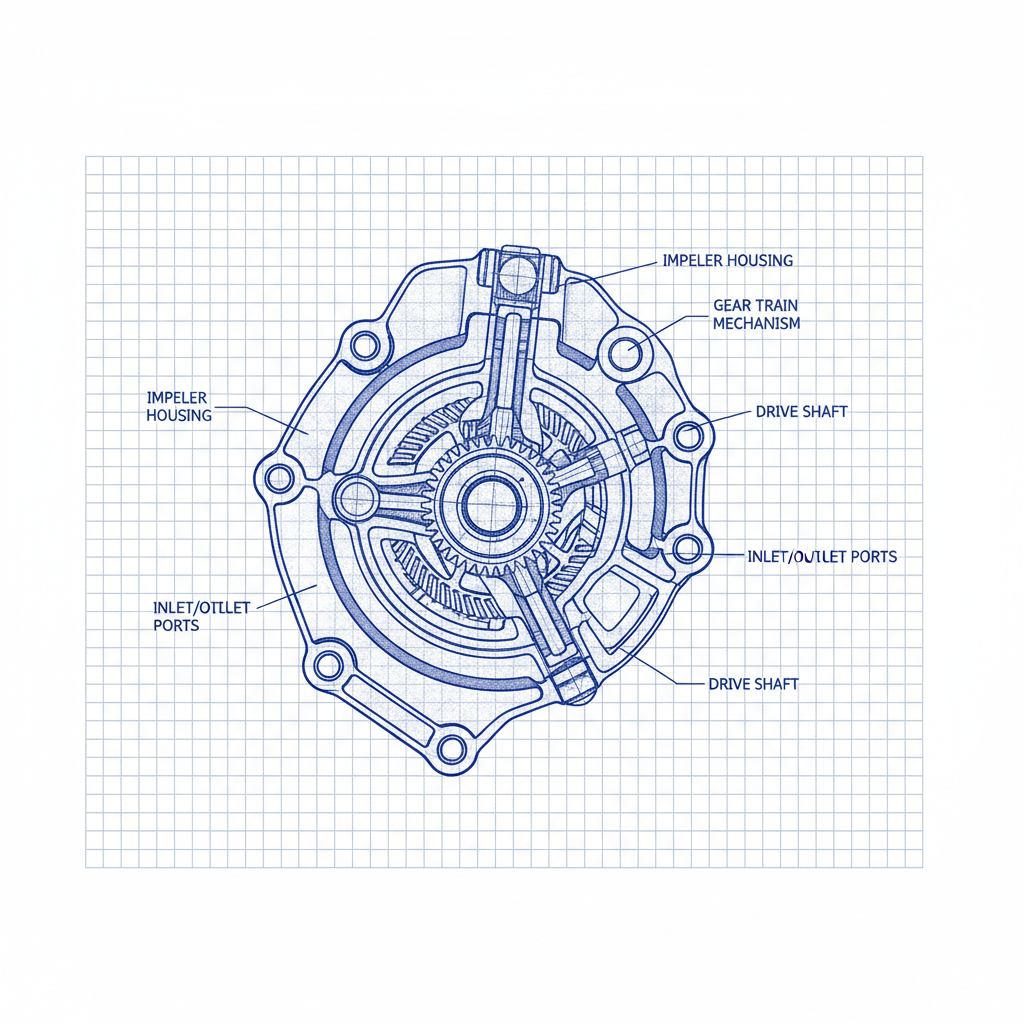
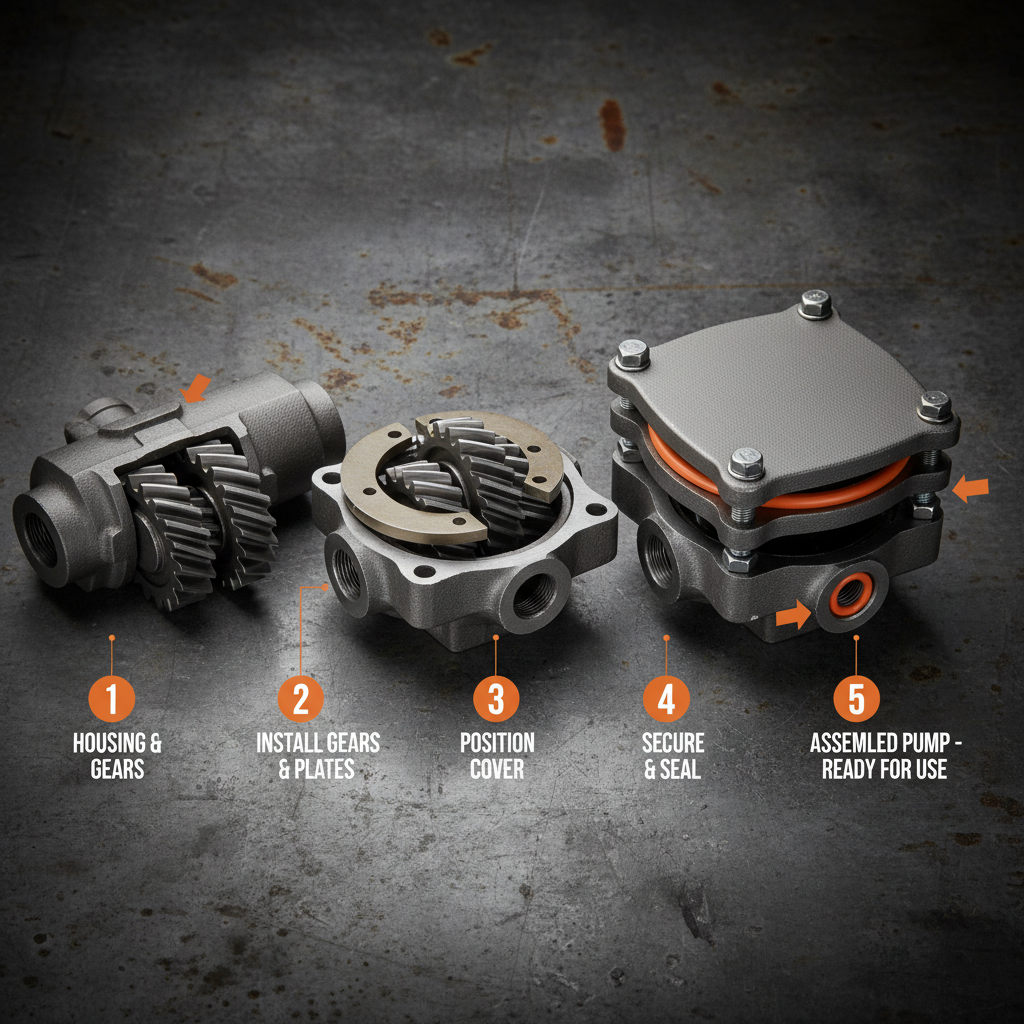
A tandem gear pump fundamentally operates by utilizing two gear sets mounted on a common shaft. This configuration allows for a significantly increased flow rate compared to a single gear pump of the same size. The meshing of the gears creates a positive displacement, drawing fluid from the inlet and discharging it at a higher pressure. Understanding the interplay between gear tooth profile, clearances, and rotational speed is critical to optimizing pump performance.

The beauty of this design lies in its simplicity and robustness. Fewer moving parts translate to a lower likelihood of failure and easier maintenance. Furthermore, the tandem arrangement offers a degree of redundancy – if one gear set experiences issues, the other can continue operating, albeit at reduced capacity, minimizing downtime in critical applications.

The Global Significance of tandem gear pump Technology

The global hydraulic pump market, of which tandem gear pump represent a significant segment, is projected to reach substantial growth in the coming years. This growth is directly linked to expanding infrastructure projects, particularly in emerging economies, and the increasing demand for hydraulic machinery in industries like construction, agriculture, and manufacturing. The UN reports a growing need for efficient machinery in developing nations, where tandem gear pumps play a crucial role.

Challenges such as resource scarcity and environmental concerns are driving a demand for more efficient and sustainable hydraulic systems. Tandem gear pumps, when designed and operated optimally, can contribute to reduced energy consumption and lower operating costs. The World Bank has highlighted the importance of investing in sustainable infrastructure, which necessitates the use of reliable and efficient hydraulic components like tandem gear pumps.

The need for increased productivity and reduced downtime in industrial processes has also fueled the adoption of tandem gear pump. These pumps are often employed in applications where consistent and high flow rates are essential, making them a critical component in modern manufacturing facilities.

Defining and Analyzing tandem gear pump

A tandem gear pump is a type of positive displacement pump consisting of two external gear pumps connected in series on a single shaft. This configuration effectively doubles the pump’s displacement, resulting in higher flow rates at a given speed. Unlike other pump types, gear pumps are known for their simplicity, cost-effectiveness, and ability to handle a wide range of viscosities.

The connection in series means that the output of the first gear set becomes the input for the second. This arrangement is particularly useful in applications requiring high flow rates while maintaining a moderate pressure. The design facilitates compact installations where space is limited. The hydraulic efficiency is high, making it a compelling alternative to other pump designs.

Understanding the operational principles of a tandem gear pump requires knowledge of fluid mechanics and gear dynamics. Accurate analysis includes considering factors like gear tooth geometry, fluid viscosity, operating temperature, and the potential for cavitation. Proper design and maintenance are critical to ensuring long-term reliability and optimal performance.

Key Performance Indicators of tandem gear pump

Evaluating the performance of a tandem gear pump requires consideration of several key indicators. Volumetric efficiency, representing the ratio of actual flow rate to theoretical flow rate, is a critical metric. Similarly, mechanical efficiency, indicating the power output relative to power input, is essential for assessing the pump’s overall effectiveness.

Other important parameters include pressure capability, flow rate range, fluid viscosity compatibility, and noise level. These metrics determine the suitability of a tandem gear pump for a specific application.

Performance Metrics of tandem gear pump Types


Applications of tandem gear pump Across Industries

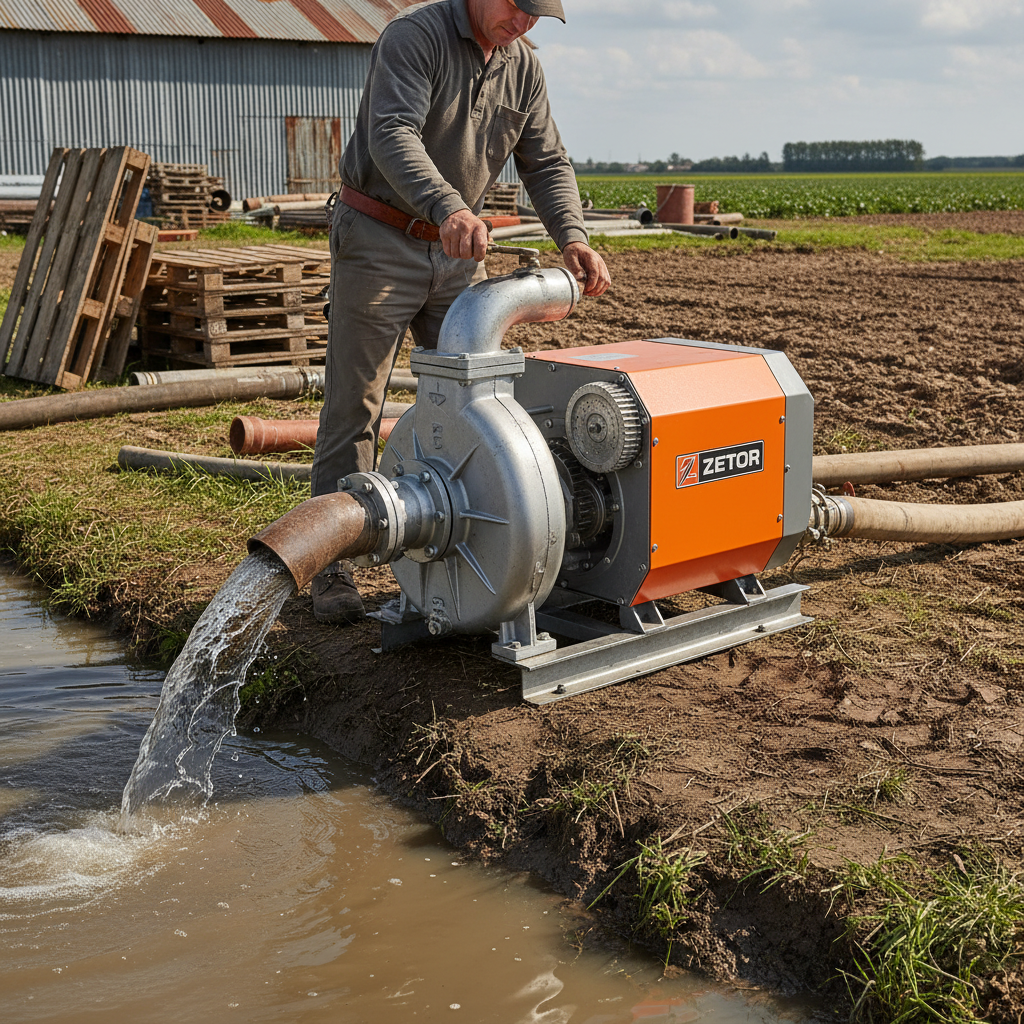
Tandem gear pump are utilized in a diverse range of industries due to their high flow rate and compact size. In the agricultural sector, they power hydraulic systems for tractors, harvesters, and other farm machinery. Their ability to handle viscous fluids makes them ideal for fertilizer application and irrigation systems.

Within the manufacturing industry, these pumps are commonly found in injection molding machines, presses, and metalworking equipment. The demand for precise and consistent hydraulic power in these applications highlights the value of tandem gear pump technology.

The Long-Term Value and Advantages of tandem gear pump

Investing in a tandem gear pump provides numerous long-term benefits. Their robust construction and minimal number of moving parts translate to reduced maintenance costs and increased uptime. This leads to improved productivity and lower overall operating expenses.

The enhanced efficiency of tandem gear pumps also contributes to sustainability by minimizing energy consumption. Furthermore, their compact design allows for greater flexibility in system integration, optimizing space utilization and reducing installation costs.

Beyond the economic advantages, the reliability and consistent performance of tandem gear pumps provide peace of mind and build trust in the overall hydraulic system.

Future Trends and Challenges in tandem gear pump Development

The future of tandem gear pump development is focused on several key areas, including materials science, advanced manufacturing techniques, and intelligent control systems. Research is underway to develop pumps utilizing lighter, more durable materials, such as composite alloys, to further reduce weight and enhance performance.

Integrating digital sensors and control algorithms allows for real-time monitoring of pump performance, enabling predictive maintenance and optimizing energy efficiency. Moreover, the demand for quieter operation is driving innovation in gear tooth profiles and pump housing designs.

However, challenges remain in mitigating noise, vibration, and cavitation. Addressing these issues will require a continued focus on advanced engineering and fluid dynamics modeling.

Core Analysis of Tandem Gear Pump Challenges

Challenge Area Severity (1-10) Potential Solution Implementation Cost (USD)
Noise Reduction 7 Optimized Gear Tooth Profile 5,000
Cavitation Risk 8 Improved Inlet Design 8,000
Material Durability 6 Advanced Alloy Selection 12,000
Energy Efficiency 5 Variable Displacement Control 15,000
Vibration Control 7 Dampening Mounts 3,000
Fluid Compatibility 4 Specialized Seal Materials 6,000

FAQS

What are the primary advantages of using a tandem gear pump over a single gear pump?

A tandem gear pump provides approximately double the flow rate of a single gear pump with the same rotational speed. This makes it ideal for applications requiring higher hydraulic power without increasing the pump’s size significantly. Additionally, the tandem configuration offers a degree of redundancy, allowing continued operation even if one gear set fails, reducing downtime. They often provide improved volumetric efficiency compared to some single gear pump designs.

What types of fluids are compatible with tandem gear pumps?

Tandem gear pumps are versatile and can handle a broad range of fluids, including mineral oils, synthetic lubricants, and certain types of water-glycol mixtures. However, compatibility depends on the pump's materials of construction. It is crucial to verify that the fluid is compatible with the pump's seals, gears, and housing to prevent corrosion or degradation. Highly abrasive fluids or those with solid particles should be avoided or filtered appropriately.

How often should a tandem gear pump be serviced, and what does typical maintenance involve?

Typical maintenance for a tandem gear pump includes regular oil changes, filter replacements, and visual inspections for leaks or wear. The service interval depends on operating conditions, fluid type, and the pump's workload. As a general guideline, oil and filter changes should be performed every 6-12 months, or as recommended by the manufacturer. Periodic inspections of the gears and seals are also essential to identify potential issues before they lead to failure.

What are the common causes of failure in tandem gear pumps?

Common causes of failure include fluid contamination, inadequate lubrication, cavitation, and excessive wear of gears or seals. Contamination can lead to abrasive wear and blockage of fluid passages. Cavitation, caused by low inlet pressure, can damage the gear teeth. Regular maintenance, proper filtration, and ensuring sufficient inlet pressure are crucial to prevent these failures. Additionally, operating the pump beyond its specified pressure limits can also cause damage.

How does the operating temperature affect the performance of a tandem gear pump?

Operating temperature significantly impacts the performance of a tandem gear pump. Excessive temperatures can reduce fluid viscosity, leading to increased leakage and decreased volumetric efficiency. High temperatures can also accelerate wear and degradation of seals and other components. Maintaining the fluid within the recommended temperature range, typically through proper cooling or heat dissipation, is essential for optimal performance and longevity.

Are tandem gear pumps suitable for use with variable speed drives?

Yes, tandem gear pumps can be effectively used with variable speed drives (VSDs). In fact, VSDs can enhance the pump's efficiency and control capabilities. By adjusting the pump’s speed, the flow rate can be precisely matched to the application’s demand, reducing energy consumption and minimizing wear. However, it’s important to ensure that the pump and VSD are properly matched and configured for optimal performance and compatibility.

Conclusion

In conclusion, the tandem gear pump stands as a vital component in numerous industrial applications, offering a compelling combination of high flow rates, durability, and cost-effectiveness. Understanding its operational principles, performance indicators, and future trends is crucial for engineers and professionals seeking optimized hydraulic solutions. Its ongoing development, focused on material science and intelligent control systems, promises even greater efficiency and reliability in the years to come.

As industries continue to evolve and demand more sustainable and efficient technologies, the role of tandem gear pumps will only become more prominent. We encourage you to explore our comprehensive range of pump solutions and contact our team of experts to discuss your specific application requirements. Visit our website at www.autolsty.com to learn more and discover how we can help you optimize your hydraulic systems.

David Miller

David Miller

David Miller serves as the Senior Application Engineer at HEBEI LONGSHENGTENGYU PUMP INDUSTRY CO., LTD. With over 12 years of experience in the hydraulic industry, David specializes in the application of gear pumps within construction and heavy machinery. He holds a Master’s degree in Mechanical Engineering and is a key
Previous Industrial Double Gear Pump Guide for Fluid Power Systems
Next Comprehensive Overview of Triple Gear Pump Technology and Industrial Applications
https://www.autolsty.com/static/autolsty/icon11.png autolsty@163.com autolsty@163.com up2

If you are interested in our products, you can choose to leave your information here, and we will be in touch with you shortly.