The world runs on hydraulics, plain and simple. And a lot of hydraulic systems, especially in older equipment or applications demanding robustness, rely on cast iron gear pumps. I've spent enough time crawling under machines in dusty yards and on muddy construction sites to tell you, these aren’t glamorous components, but they’re workhorses. They don't get the fanfare of fancy variable displacement pumps, but they keep things moving. You see them in everything from agricultural machinery to metalworking presses, and even legacy industrial processes. They're reliable, relatively simple to maintain, and frankly, built to take a beating.
What's kept me coming back to gear pumps over the years – and recommending them to clients – is their consistent performance in demanding environments. I've seen systems where a more sophisticated pump would’ve choked on contaminated fluid or failed under pressure, but a cast iron gear pump just kept on pumping. The tolerances are forgiving, the construction is solid, and they can handle a surprising amount of abuse. It's not about chasing the latest tech; it's about specifying a solution that delivers, day in and day out, without needing constant babysitting.
We’re talking about a mature technology here, but that's not a bad thing. It means the kinks have been worked out. Finding replacement parts is generally straightforward, and skilled mechanics are familiar with their operation. In a world increasingly reliant on complex, proprietary systems, that simplicity is a huge advantage, particularly for businesses operating remote locations or facing long-term maintenance challenges. I’ve seen too many projects stalled because of a single, specialized part that took months to arrive.
The Core Principles of cast iron gear pump
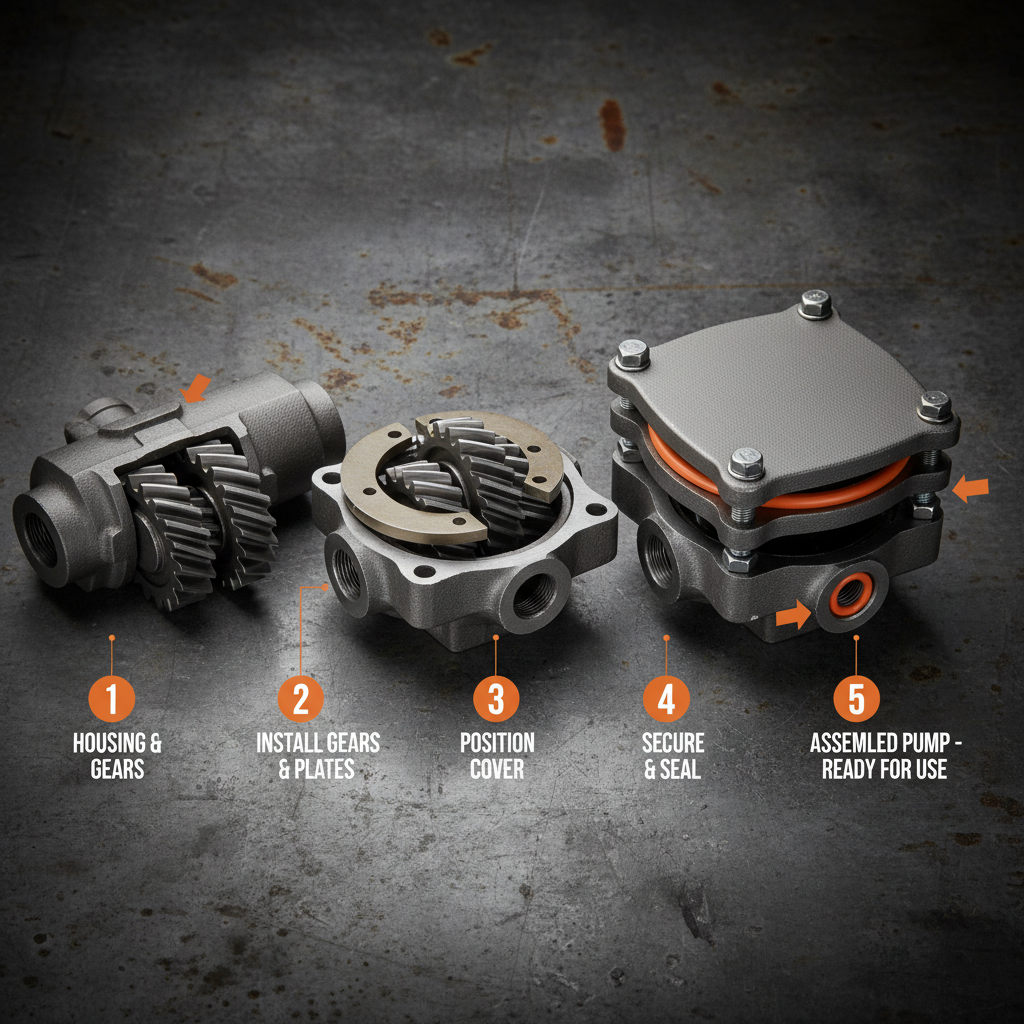
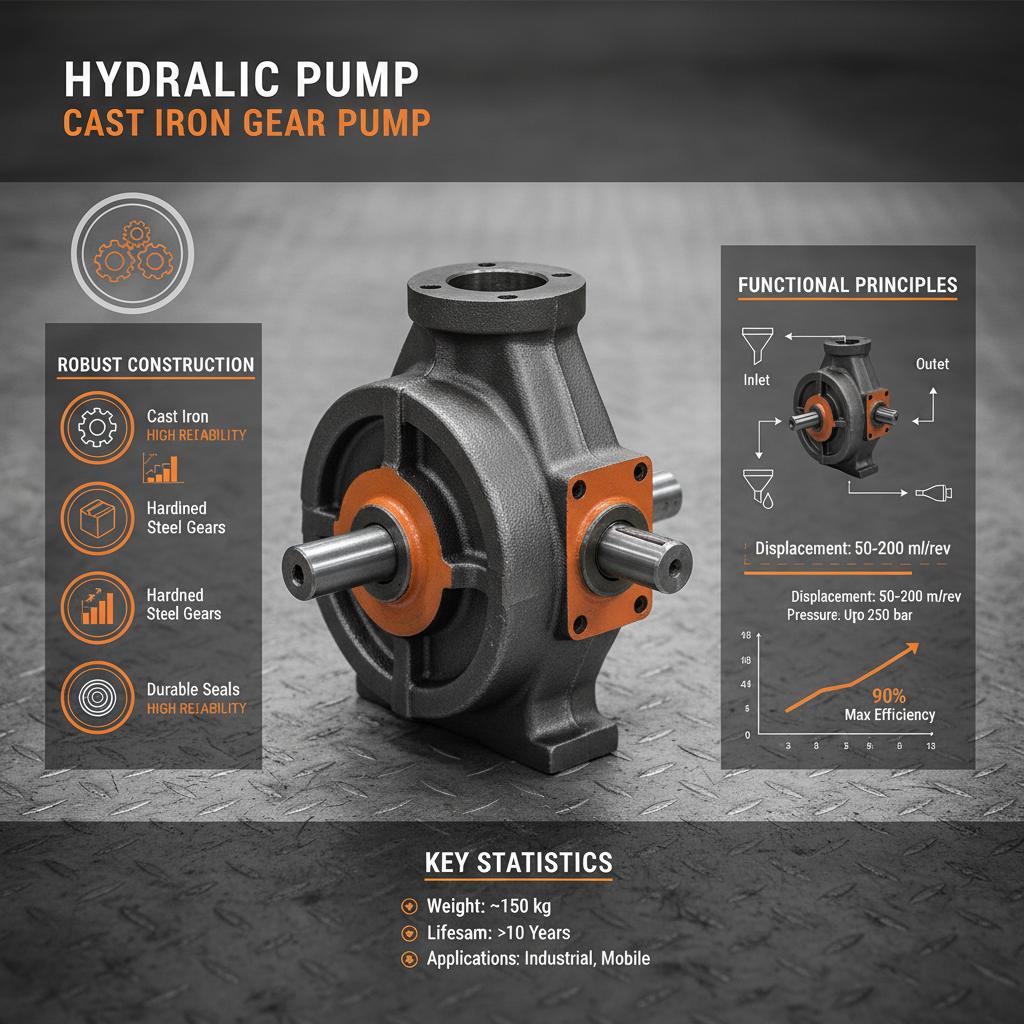
At their heart, cast iron gear pumps are surprisingly straightforward. They use two or more meshing gears – typically external spur gears – to move fluid. As the gears rotate, they trap fluid between their teeth and the pump casing, transporting it from the inlet to the outlet. The cast iron construction is crucial. It gives these pumps the strength to withstand high pressures and resist wear from abrasive fluids. It’s simple, robust, and doesn't rely on tight clearances that more complex pump designs require.
What I've learned over the years is that understanding the limitations is just as important as knowing the strengths. Gear pumps aren’t typically the best choice for high-flow, low-pressure applications. They’re happiest moving viscous fluids at moderate speeds, and they’re not as efficient as some other pump types. But for applications where reliability and durability are paramount – and the fluid isn’t overly clean – they’re hard to beat.
Global Relevance and Industry Applications of cast iron gear pump
The demand for cast iron gear pumps is surprisingly widespread. It isn’t limited to any single geographic region or industry. You'll find them operating in agricultural systems across the American Midwest, in machine tools in European manufacturing plants, and in oil transfer applications in developing nations. According to industry reports, the global hydraulic pump market (which includes gear pumps) is projected to reach billions of dollars in the coming years, driven by continued growth in construction, manufacturing, and infrastructure development.
I’ve personally seen a resurgence in their use in older facilities undergoing upgrades. Replacing a worn-out gear pump with a newer, more efficient model can often be a cost-effective alternative to a complete system overhaul. The relatively low initial cost and ease of maintenance make them a practical choice for operations running on tight budgets. Plus, the established supply chains mean readily available parts, reducing downtime.
They’re also vital in applications where contamination is a constant concern. The robust design can tolerate some level of particulate matter without catastrophic failure – something that a more sensitive pump wouldn't handle. In remote locations, where filtering options are limited, that tolerance can be a lifesaver.
Defining the Role of cast iron gear pump in Modern Industry
The role of the cast iron gear pump isn't about cutting-edge innovation; it’s about reliably fulfilling a fundamental need. It's a component that quietly enables critical processes. They’re the steady heart of many systems, rather than the flashy headline. In modern industry, that reliability is increasingly valuable. We're seeing a greater emphasis on preventative maintenance and maximizing uptime, and gear pumps excel in those areas.
Think about applications like lubricant supply systems in metalworking, hydraulic power units for small presses, or fuel transfer in off-highway vehicles. These aren't areas where you want to experiment with unproven technology. You need a solution that has been thoroughly tested and proven to perform consistently. That's where the cast iron gear pump shines.
It’s not about replacing more advanced pump technologies altogether. It's about selecting the right technology for the specific application. Sometimes, the simplest solution is the best one, and in many cases, that solution is a well-designed, properly maintained cast iron gear pump.
Key Performance Factors of cast iron gear pump
There are several key factors that determine the performance of a cast iron gear pump. First, the material of construction – the cast iron itself – dictates its strength and resistance to wear. Then there’s gear precision; tighter tolerances mean less slippage and greater efficiency. The pump's displacement, or the volume of fluid moved per revolution, is another crucial spec, along with its maximum pressure rating.
But beyond those specifications, it's about the system integration. Proper inlet conditions – ensuring adequate suction pressure and minimizing cavitation – are vital. Choosing the right fluid viscosity and ensuring adequate filtration are also critical for maximizing pump life and performance. I've spent too many hours troubleshooting problems that ultimately stemmed from improper system design, not a faulty pump.
Comparative Performance of Different cast iron gear pump Designs
Real-World Applications and Use Cases of cast iron gear pump
I’ve seen cast iron gear pumps put to work in some truly demanding environments. In a metalworking shop I consulted with, they were used to supply coolant to machining centers, dealing with metal chips and oil contamination without a hiccup. In agricultural settings, they power hydraulic systems for tractors, harvesters, and irrigation equipment.
They are often found in older printing presses, providing the hydraulic power for paper handling and ink circulation. They also play a role in certain chemical processing applications, handling moderately corrosive fluids. While modern systems might use more exotic materials for those applications, a cast iron gear pump can be a cost-effective solution where the fluid compatibility allows.
Advantages and Long-Term Value of cast iron gear pump
The biggest advantage of a cast iron gear pump is its longevity and low total cost of ownership. Yes, the initial cost might be higher than some plastic or aluminum alternatives, but the cast iron construction means it can withstand years of abuse with minimal maintenance. That translates to less downtime, fewer repairs, and ultimately, a lower overall cost.
There’s also a level of trust that comes with a mature technology. You know what to expect, and you can rely on a readily available supply of spare parts and experienced technicians. That peace of mind is invaluable, particularly in critical applications where failure isn’t an option.
Future Trends and Innovations in cast iron gear pump Technology
While the basic design of cast iron gear pumps hasn't changed dramatically in decades, there are ongoing efforts to improve their efficiency and reduce noise levels. Manufacturers are exploring new gear tooth profiles and tighter manufacturing tolerances to minimize slippage and improve volumetric efficiency.
We're also seeing increased integration with sensor technology, allowing for remote monitoring of pump performance and predictive maintenance. This is particularly valuable in remote locations or applications where manual inspections are infrequent. The advent of more sophisticated materials coatings is extending the lifespan of the pump and reducing wear.
Finally, there's growing interest in using alternative, more sustainable materials in the pump housings, while still retaining the core cast iron gear mechanism for its durability. It's a balancing act between tradition and innovation.
Summary of Key Considerations for cast iron gear pump Selection
| Application Requirements |
Fluid Compatibility |
Maintenance Needs |
Cost Analysis |
| High-Pressure Hydraulics |
Mineral Oils, Synthetic Fluids |
Simple, Periodic Lubrication |
Low Initial Cost, Long Lifespan |
| Lubricant Transfer Systems |
Various Lubricants |
Minimal, Occasional Inspection |
Excellent Return on Investment |
| Chemical Fluid Handling (Moderate) |
Compatible Chemicals |
Regular Seal Checks |
Cost-Effective for Specific Applications |
| Agricultural Machinery |
Hydraulic Oils |
Routine Fluid Changes |
Proven Durability in Harsh Conditions |
| Metalworking Coolant Systems |
Water-Based Coolants |
Filter Maintenance |
Reliable Performance with Contaminants |
| Legacy Industrial Processes |
Existing Fluids |
Simple Replacement and Maintenance |
Preserves Existing Infrastructure |
FAQS
Cast iron gear pumps excel in situations where durability, reliability, and cost-effectiveness are paramount. They’re less sensitive to fluid contamination than vane or piston pumps, require less maintenance, and generally have a longer lifespan in demanding applications. They’re a simpler design, which often translates to easier repairs and readily available parts. They aren't the highest efficiency option, but for many applications, that trade-off is worth it.
Generally, cast iron gear pumps are compatible with a wide range of hydraulic fluids, including mineral oils, synthetic fluids, and some specialized lubricants. However, it's crucial to verify compatibility with specific fluids, especially if they contain additives or are highly corrosive. Avoid using abrasive fluids or fluids containing solid particles without adequate filtration, as this can accelerate wear.
Regular fluid changes and filter maintenance are essential. Check the fluid level frequently and address any leaks promptly. Monitor the pump for unusual noises or vibrations, which can indicate wear or internal damage. Ensure proper inlet conditions to prevent cavitation. And, most importantly, follow the manufacturer's recommendations for lubrication and maintenance schedules.
Common failure points include wear of the gears and pump housing due to contamination or abrasive fluids, seal failures leading to leaks, and cavitation caused by inadequate inlet pressure. Overheating, improper lubrication, and operating the pump beyond its pressure or flow rate limits can also contribute to failure. Proper maintenance and system design are critical to preventing these issues.
Cast iron gear pumps can handle moderately high temperatures, but it's important to consider the limitations of the seals and the fluid being used. Excessive temperatures can degrade the seals and reduce the fluid's viscosity, leading to reduced pump performance and potential damage. Consult the manufacturer's specifications for temperature limits and recommended materials.
Advancements in materials science and surface coatings are enhancing the wear resistance and efficiency of cast iron gear pumps. Integration with sensor technology allows for remote monitoring and predictive maintenance. Also, computational fluid dynamics (CFD) is being used to optimize gear tooth profiles and pump housing designs, reducing noise and improving volumetric efficiency.
Conclusion
In conclusion, the cast iron gear pump remains a vital component in a wide range of industrial applications. Its simplicity, durability, and cost-effectiveness continue to make it a preferred choice for demanding environments where reliability is paramount. While more advanced pump technologies exist, the gear pump offers a unique balance of performance and value.
Looking ahead, ongoing innovations in materials, sensor technology, and pump design will further enhance the performance and longevity of these workhorses. Don't underestimate the power of a well-designed, properly maintained cast iron gear pump. For more information on selecting the right gear pump for your application, or to explore our range of products, visit our website: www.autolsty.com.