




Selecting a reliable hydraulic pumps supplier is a critical decision for any enterprise operating heavy machinery, as the pump serves as the heart of the entire hydraulic system. The failure of a single component can lead to extensive downtime and significant financial losses in construction or mining operations.
Beyond simple procurement, the challenge lies in aligning technical specifications—such as displacement, pressure ratings, and flow rates—with the specific demands of the application environment. Whether it is for a concrete pump truck or a marine rudder system, the precision of the pump directly dictates the efficiency of the actuator.
This guide evaluates the essential criteria for supplier selection, analyzes the technical trade-offs between different pump architectures, and provides a framework for optimizing hydraulic system performance through strategic sourcing from experienced manufacturers.

Evaluating the Core Competencies of a Hydraulic Pump Manufacturer

When vetting a supplier, the primary focus must shift from price to the integration of R&D and manufacturing capabilities. A sophisticated supplier does not merely sell a part number but provides a solution that encompasses material science, precision machining, and rigorous testing protocols.
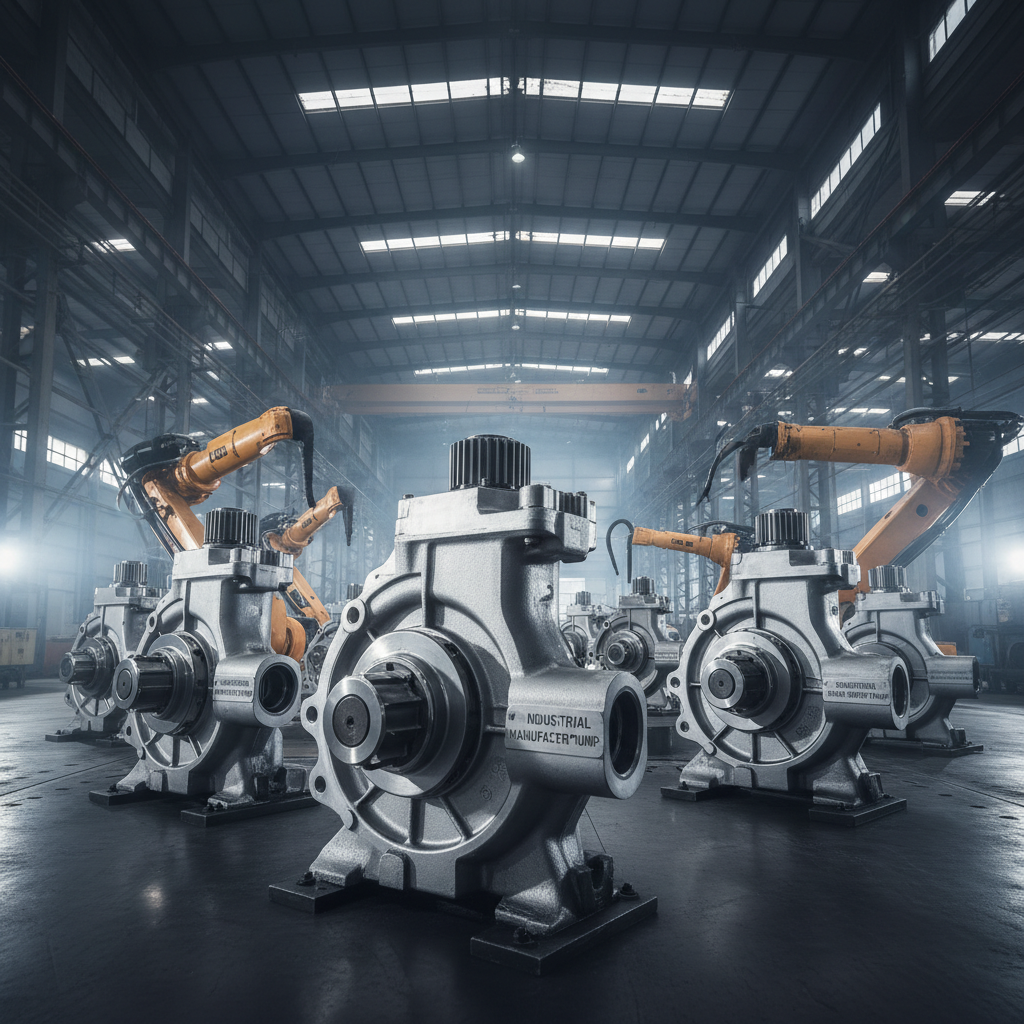
For instance, the use of flexible machining centers and fully automatic gear checking machines ensures that the internal tolerances of the pump remain within microns. This level of precision is what prevents internal leakage and maintains volumetric efficiency under high-pressure conditions.
Furthermore, a manufacturer's ability to provide OEM services and customized modifications—such as varying flange types, output shafts, and oil port configurations—indicates a mature production ecosystem capable of supporting diverse industrial needs.
Technical Performance Indicators in Gear and Cycloid Pump Selection
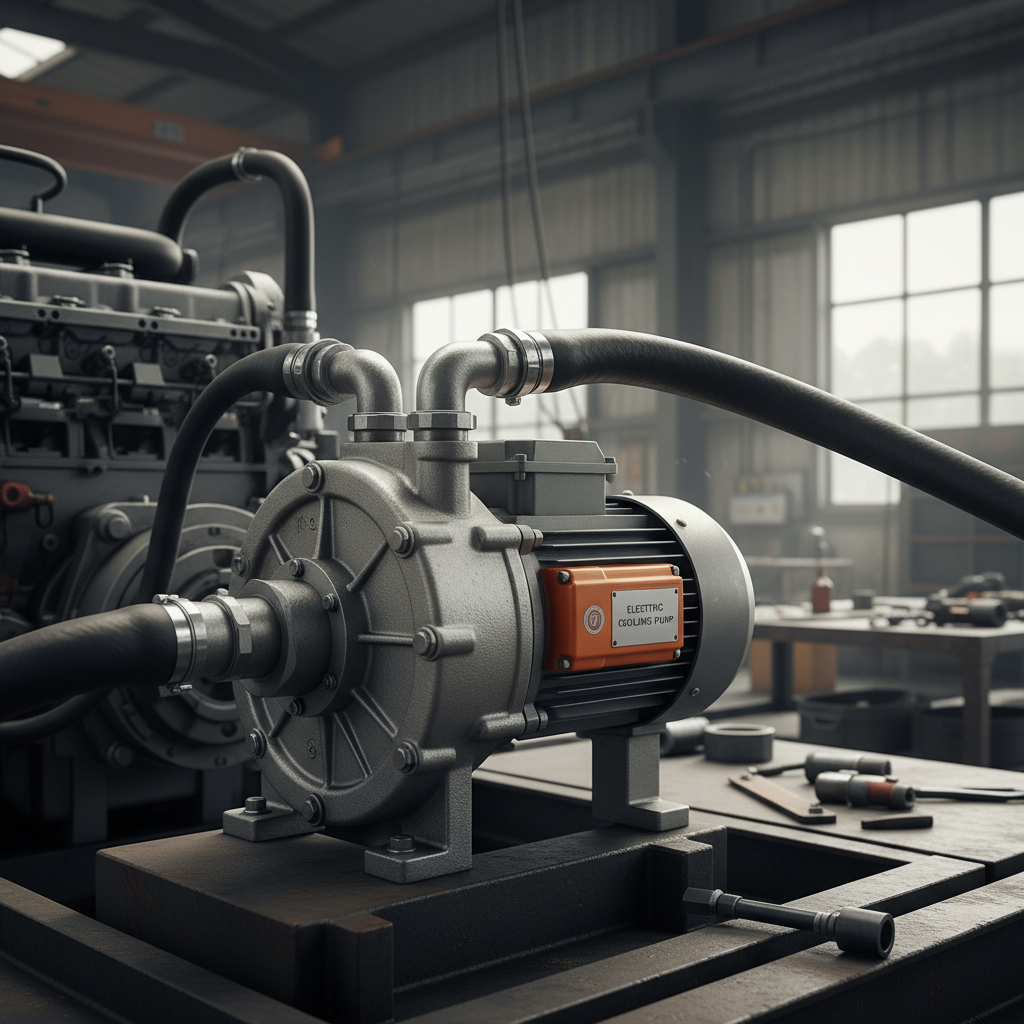
Understanding the distinction between fixed displacement gear pumps and cycloid motors is fundamental to system design. Gear pumps are prized for their robustness and simplicity, while cycloid designs, such as the BMR/OMR series, offer higher distribution accuracy and the ability to handle higher back pressure through specialized shaft seals.
Key metrics include displacement (ranging from 50cc to 500cc in cycloid motors) and flow rates (LPM), which must be matched to the required speed of the actuator. A common error is operating a motor at both maximum pressure and maximum speed simultaneously, which can lead to premature cavitation and seal failure.
Material selection also plays a role; using high-strength aluminum alloy bodies for gear pumps can reduce weight without sacrificing structural integrity, provided the application does not exceed the thermal limits of the alloy.
Cross-Industry Application Analysis for Hydraulic Power Units
Hydraulic systems are deployed across vastly different environments, each imposing unique stressors on the pump. In construction, excavators and road rollers rely on walking motors and swing motors that must handle sudden load spikes and erratic duty cycles.
In the marine and aviation sectors, the requirements shift toward extreme reliability and corrosion resistance. Deck machinery and rudder control systems utilize specialized pumps and motors that must operate flawlessly in humid, saline environments where maintenance access is limited.
Conversely, metallurgy and mining applications demand high-torque outputs for aluminum extrusion presses and ceramic machinery. In these cases, the ability of the pump to maintain consistent pressure over long durations is more critical than rapid response time.
Benchmarking Operational Efficiency and Pressure Stability
Efficiency in hydraulic systems is measured by the ratio of hydraulic power delivered to the power input. Factors such as oil viscosity (typically recommending N68 anti-wear oil with 37-73cSt) and cleanliness (ISO18/13) are non-negotiable for achieving these benchmarks.
The following data illustrates the performance gap between generic industrial pumps and precision-engineered components when subjected to variable load conditions.
hydraulic pumps supplier Performance Metrics
As shown, precision-engineered pumps maintain a higher percentage of volumetric efficiency as pressure increases, whereas generic alternatives often suffer from increased internal slippage, leading to overheating and energy waste.
Strategic Procurement Framework for Industrial Hydraulic Systems
Procurement should be viewed as a risk management exercise. The total cost of ownership (TCO) includes not just the purchase price, but the costs of installation, energy consumption, and potential unplanned downtime.
Buyers should evaluate the supplier's after-sales infrastructure. A one-year warranty is standard, but the availability of a full set of replacement parts and professional technical personnel to oversee after-sales projects is what ensures long-term reliability.
Additionally, the ability to handle small MOQ (Minimum Order Quantity) for prototypes (as low as 1 piece) allows engineers to validate a pump's performance in a real-world test rig before committing to a large-scale fleet rollout.
Emerging Trends in Precision Hydraulic Component Engineering
The industry is moving toward "smart hydraulics," where sensors are integrated directly into the pump housing to monitor temperature and vibration in real-time. This shift allows for predictive maintenance, reducing the likelihood of catastrophic failure.
There is also a growing emphasis on environmental sustainability, with a push toward biodegradable hydraulic fluids. Suppliers are now refining seal materials (such as transitioning from NBR to Viton) to ensure compatibility with these newer, more eco-friendly oils.
Finally, the adoption of computer-controlled testing machines (like CAT systems) is becoming standard, enabling manufacturers to provide a certified performance curve for every single unit that leaves the factory, rather than relying on batch averages.
Comparative Analysis of Hydraulic Pump Technology Architectures
Choosing between gear, cycloid, or piston-based systems depends on the specific trade-off between cost, precision, and pressure requirements. Each architecture serves a distinct role within the hydraulic circuit.
The table below provides a comparative overview of different hydraulic pump and motor configurations to assist in technical selection.
| Pump Type | Primary Advantage | Typical Application | Maintenance Focus |
|---|---|---|---|
| External Gear Pump | High Reliability / Low Cost | Auxiliary Systems | Gear Wear Monitoring |
| Cycloid Motor | High Torque / Smooth Flow | Walking/Swing Drives | Shaft Seal Integrity |
| Fixed Displacement | Constant Flow Output | Basic Power Units | Oil Contamination |
| Custom OEM Pump | Perfect System Fit | Specialized Machinery | Specific Part Availability |
| Aluminum Body Pump | Lightweight / Heat Dissipation | Agricultural Equipment | Thermal Expansion |
| Cast Iron Pump | Extreme Pressure Resistance | Heavy Mining Press | Bearing Lubrication |
While gear pumps offer the best value for simple flow requirements, cycloid motors are indispensable for applications requiring high torque at low speeds. The final selection should always be validated against the system's maximum allowable back pressure, typically recommended not to exceed 5MPa for optimal life.
Frequently Asked Questions
Conclusion
The selection of a hydraulic pumps supplier transcends a simple transaction; it is a partnership in engineering reliability. By prioritizing technical precision, material quality, and comprehensive after-sales support, enterprises can significantly reduce their operational risks and improve the efficiency of their heavy machinery.
For those currently evaluating their hydraulic infrastructure or seeking specialized components like gear pumps and cycloid motors, detailed product specifications and company capabilities can be reviewed through www.autolsty.com to ensure a perfect technical match for your application.