




Selecting a reliable fluid power source often comes down to balancing raw pressure capabilities with long-term operational stability. In the heavy machinery sector, the efficiency of a hydraulic system is fundamentally tied to the precision of its pumping unit, where minor deviations in volumetric efficiency can lead to significant energy losses.
Across global markets, the shift toward high-performance, cost-effective components has intensified the focus on sourcing hydraulic pumps china, as these units now integrate advanced metallurgy with standardized interface designs. This evolution allows operators to maintain complex machinery—from excavators to industrial presses—without compromising on system reliability.
Understanding the intersection of gear geometry, material durability, and application-specific requirements is essential for any procurement manager or engineer. This article examines the technical frameworks and selection logic necessary to optimize hydraulic power delivery in modern industrial environments.


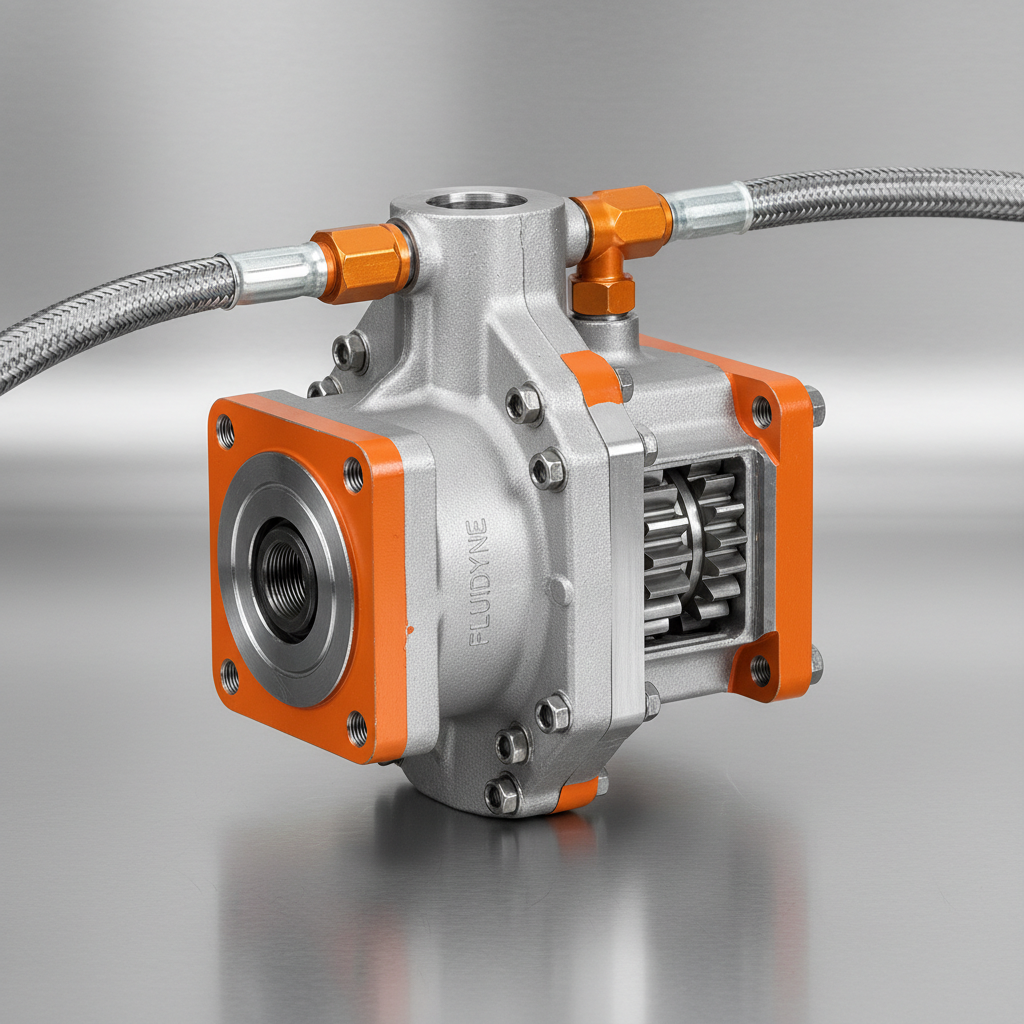
Fixed displacement pumps move a constant volume of fluid for every revolution of the drive shaft. This characteristic makes them ideal for applications requiring consistent flow rates, such as steering units or basic auxiliary hydraulic circuits. The simplicity of the gear design reduces the number of failure points compared to variable displacement piston pumps.
In the context of hydraulic pumps china, the emphasis has shifted toward optimizing the tolerances between the gear teeth and the pump housing. By reducing internal leakage (slippage), manufacturers can maintain higher system pressures while reducing heat generation, which directly extends the life of the hydraulic oil.
The heart of a gear pump lies in its involute gear profile. Precise tooth geometry ensures a smooth transition of fluid from the suction port to the discharge port, minimizing turbulence. When the gears mesh, they create a sealed chamber that carries the fluid around the periphery of the housing. Any misalignment in this interface leads to pressure drops and increased noise levels.
Advanced machining centers, such as flexible machining centers and computer-controlled testing machines, allow for the production of gear sets with micron-level accuracy. This is particularly critical for series like the PGP or NSH, where the gear's ability to handle high-viscosity oils under extreme pressure defines the pump's operational ceiling.
Moreover, the integration of high-quality NBR or Viton seals prevents external leakage and protects the internal components from contaminants. A well-engineered interface not only improves volumetric efficiency but also ensures that the pump can operate reliably across a wide range of temperatures, from sub-zero climates to high-heat industrial environments.
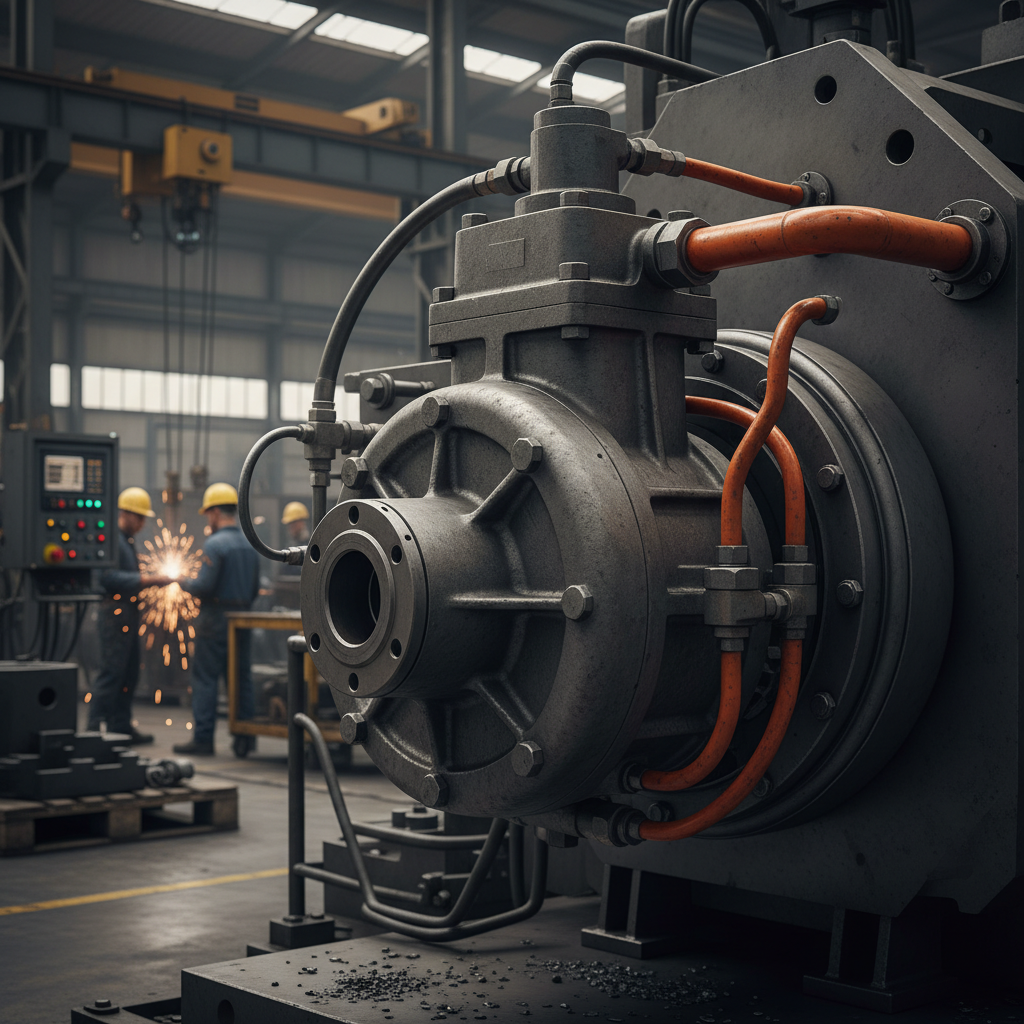
The choice of material determines how a pump responds to cavitation and abrasive wear. While cast iron is preferred for heavy-duty housings due to its dampening properties and rigidity, aluminum alloys are frequently used for lightweight applications to reduce the overall mass of the vehicle or machine.
The longevity of a hydraulic pump is not merely a function of the material used, but the precision of the heat treatment process applied to the gear surfaces to ensure a hardness gradient that resists surface pitting while maintaining core toughness.
For instance, the use of cast iron in water pumps for heavy tractors (like the DT-75) ensures the unit can withstand the mechanical stresses of agricultural work. Similarly, in hydraulic gear pumps, the interaction between the hardened steel gears and the housing material must be carefully balanced to prevent galling during dry-start conditions.
Evaluating the quality of a hydraulic pump requires looking beyond the maximum pressure rating. Key indicators include the volumetric efficiency at peak pressure, the noise level (dB) during full load, and the stability of the flow rate across different oil temperatures. A high-quality unit maintains a consistent output even as the oil thins due to heat.
The following index provides a qualitative assessment of how different design priorities impact the overall performance of the pump. For example, prioritizing "High Pressure" often requires a trade-off in "Low Noise," whereas "Lightweight" designs may have a lower "Max Load" capacity.
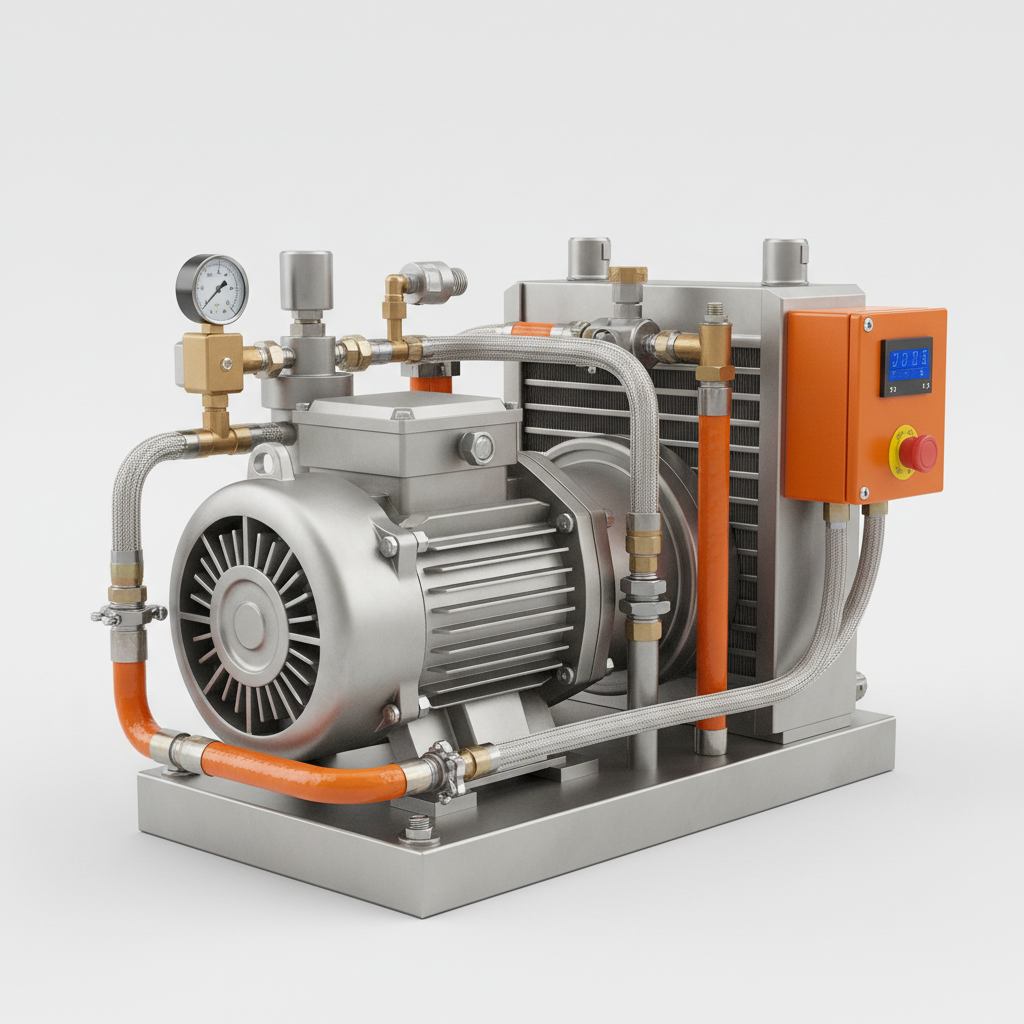
In construction machinery, such as concrete pump trucks or road rollers, hydraulic gear pumps often serve as auxiliary units to power cooling fans or steering systems. These units must be integrated into a larger system involving directional control valves and hydraulic cylinders. The compatibility of the pump's mounting flange and shaft diameter with the engine's PTO (Power Take-Off) is a critical integration point.
For agricultural equipment, the demand is for robustness. A water pump for an engine, for example, must operate reliably under varying RPMs and withstand the dust and vibration of field work. Whether it is a steering unit for a tractor or a main pump for a small excavator, the ability to handle contaminated fluid without immediate failure is a highly valued trait in industrial-grade hydraulic pumps china.
The manufacturing landscape has shifted from simple mass production to a model of "resource integration." Modern factories now combine R&D, specialized machining, and strict quality control into a single workflow. This integration allows for faster responses to custom OEM requests, such as modifying a pump's displacement or changing the seal material for a specific chemical environment.
One significant trend is the adoption of 100% factory testing. Instead of relying on batch sampling, high-frequency sampling and full-load testing ensure that every unit meets international standards before shipment. This reduces the risk of premature failure in the field, which is often the most costly part of the pump's lifecycle.
Furthermore, there is a growing emphasis on "one-shop" supply chains. Companies that can provide the pump, the coupling, the valve, and the cylinder as a matched set can offer better system synchronization and simplified after-sales support, reducing the downtime for the end-user.
Choosing the right pump requires a systematic comparison of the application's requirements against the pump's technical specifications. A common mistake is selecting a pump based solely on the maximum pressure, ignoring the flow rate stability or the compatibility of the materials with the specific hydraulic fluid being used.
Decision-makers must consider the trade-off between initial cost and total cost of ownership (TCO). A cheaper pump with lower volumetric efficiency may increase fuel consumption and operating temperatures, leading to more frequent oil changes and seal replacements over a five-year period.
The following framework provides a relative suitability guide for different pump configurations based on typical industrial requirements. This helps in narrowing down the selection process before moving to detailed technical drawings and OEM specifications.
| Requirement | Cast Iron Housing | Alu Alloy Housing | High-Pressure Seal |
|---|---|---|---|
| Heavy Construction | Highly Suitable | Moderate | Essential |
| Mobile Agriculture | Suitable | Highly Suitable | Recommended |
| Industrial Press | Essential | Not Suitable | Essential |
| Marine Deck Machinery | Suitable (Coated) | Moderate | Essential |
| Light Duty Auxiliary | Over-engineered | Highly Suitable | Standard |
| High-Temp Environments | Highly Suitable | Moderate | Viton Required |
Fixed displacement pumps move a set volume of fluid per revolution, meaning the flow rate is directly proportional to the drive speed. Variable displacement pumps allow the operator or a control system to change the volume of fluid moved per revolution, enabling flow control without changing the engine speed. Fixed pumps are generally simpler, more durable, and more cost-effective for applications with constant flow requirements.
Selection begins with identifying the required flow rate (L/min) and the maximum system pressure (Bar). You must then verify the mechanical interface, including the shaft diameter, spline count, and mounting flange dimensions. For tractor applications, it is also vital to ensure the pump material, such as cast iron, is compatible with the vibration and temperature levels of the specific engine model, such as the DT-75 series.
Internal slippage occurs when fluid leaks from the high-pressure discharge side back to the low-pressure suction side. This is typically caused by excessive clearances between the gear teeth and the housing, or wear on the gear tips and side plates. Factors that accelerate this wear include oil contamination (abrasive particles), overheating of the hydraulic fluid, and operating the pump beyond its rated pressure limits.
Yes, gear pumps are widely used in steering units due to their reliability and consistent flow. However, the system must be designed with an appropriate relief valve to prevent pressure spikes from damaging the pump. For high-precision steering, the pump must be matched with a steering gear or orbital valve that can handle the flow and pressure characteristics of the specific gear pump model used.
The primary advantages are the balance of cost-efficiency and technical capability. Many manufacturers now utilize CNC machining and CAT computer-controlled testing to ensure that OEM parts meet or exceed the specifications of original equipment. Additionally, the ability to request customized packaging and flexible MOQs allows companies to maintain leaner inventories while still accessing professional-grade industrial components.
Viscosity is critical for lubrication and sealing. If the oil is too thin (low viscosity), internal slippage increases, reducing volumetric efficiency and increasing heat. If the oil is too thick (high viscosity), the pump may experience cavitation during cold starts, where the pump cannot pull fluid in fast enough, leading to air bubbles and rapid wear of the internal gear surfaces.
The reliability of a hydraulic system is fundamentally dependent on the precision of its pumping components. By focusing on material integrity, gear geometry, and rigorous testing protocols, operators can significantly reduce unplanned downtime and improve the overall energy efficiency of their machinery.
As the industry moves toward more integrated and customizable solutions, the ability to source high-quality hydraulic pumps china allows for a strategic balance between operational performance and procurement costs. The key to success lies in a data-driven selection process that prioritizes long-term durability over short-term savings.