






Comprehensive Guide to Backhoe Hydraulic Pump Selection and Maintenance
Back to listUnderstanding Backhoe Hydraulic Pumps: A Comprehensive Guide
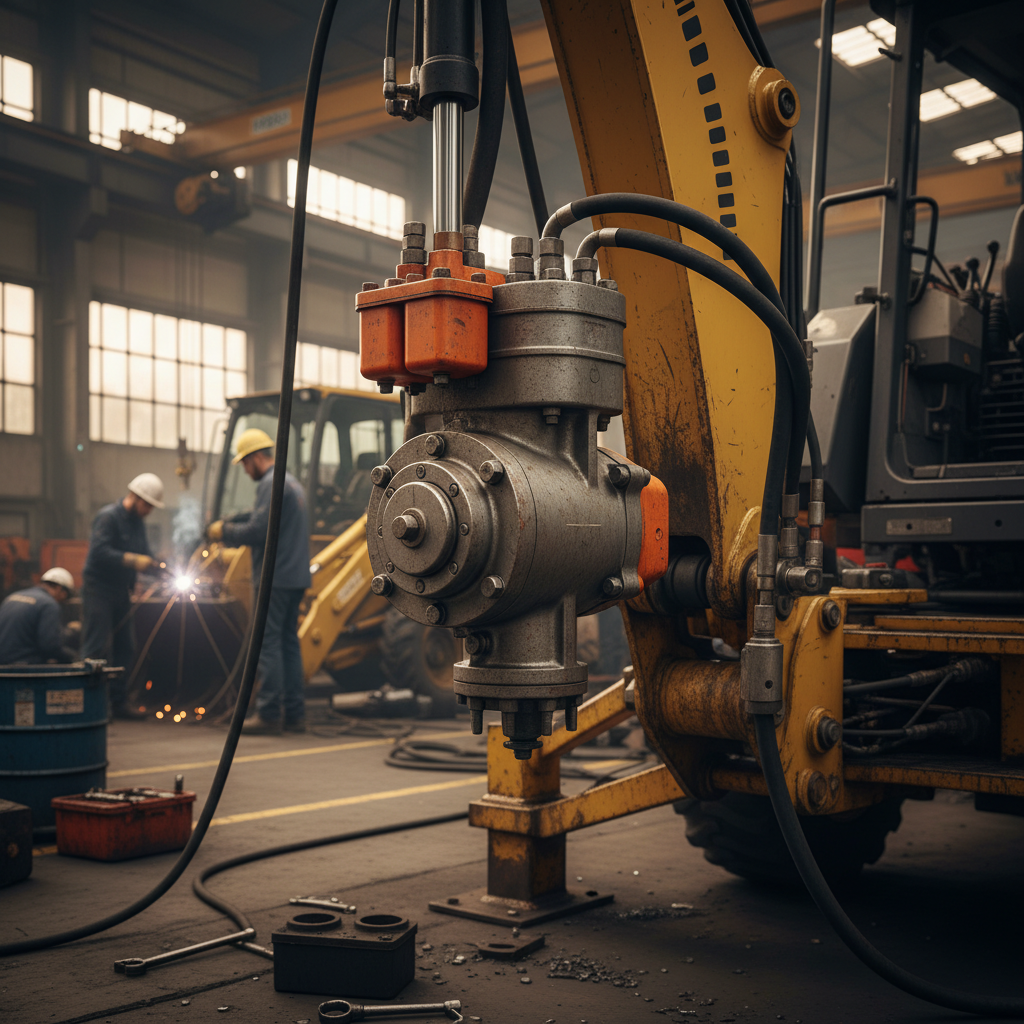
The hydraulic pump is the heart of any backhoe, responsible for converting mechanical energy into hydraulic power, which drives all the machine's functions. Selecting the right backhoe hydraulic pump is crucial for optimal performance, efficiency, and longevity. This article will delve into the different types of pumps, their key features, common issues, and how to choose the best pump for your backhoe. We'll provide a detailed overview to help you make an informed decision and maximize your equipment's productivity.
Types of Backhoe Hydraulic Pumps
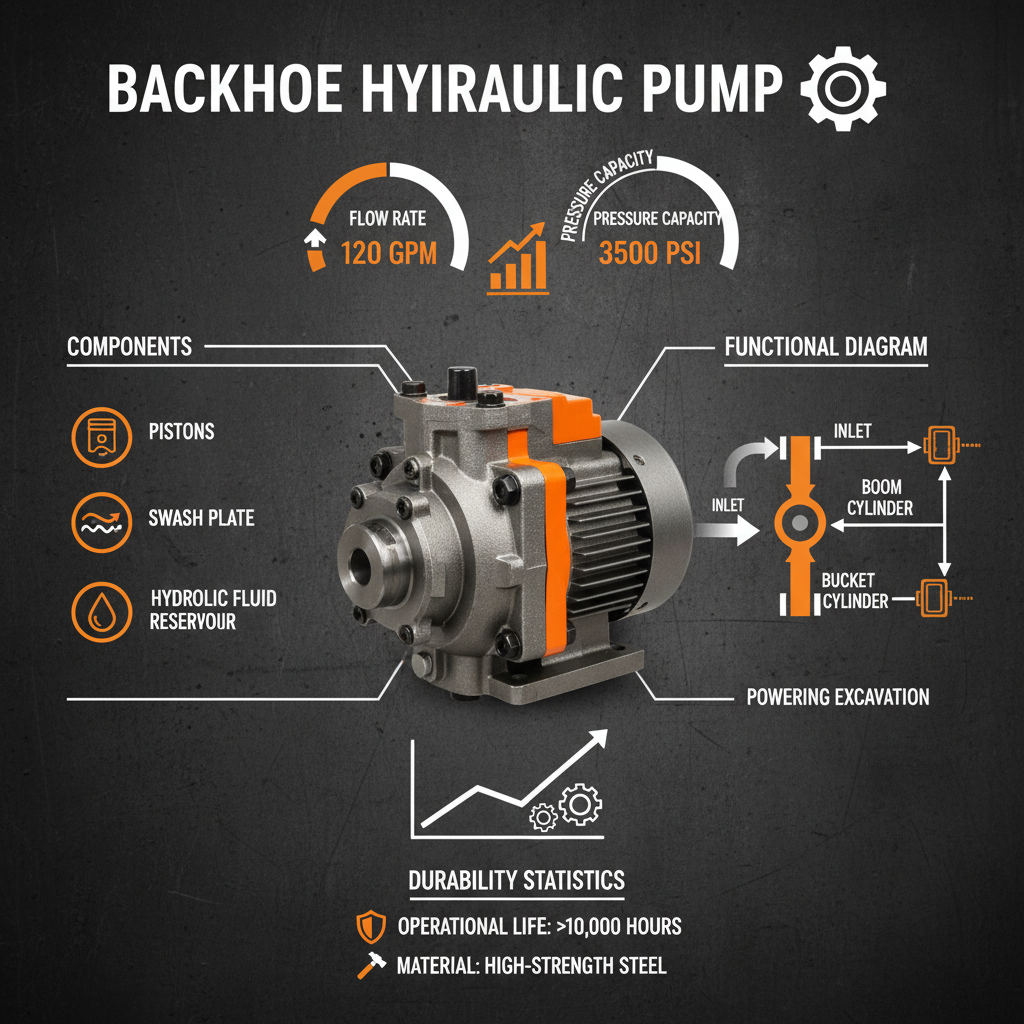
Several types of hydraulic pumps are commonly used in backhoes, each with its advantages and disadvantages. These include gear pumps, vane pumps, and piston pumps. Gear pumps are the most common and cost-effective option, known for their simplicity and durability. Vane pumps offer higher efficiency and quieter operation. Piston pumps, while more expensive, provide the highest pressure and efficiency, making them ideal for demanding applications. Understanding the characteristics of each type is key to selecting the pump that best fits your specific needs and budget. Autolsty offers a wide selection of these pumps.
Key takeaway: Choosing the right pump type depends on the backhoe's application, required pressure, and budget.
Gear Pumps: The Workhorse of Backhoes
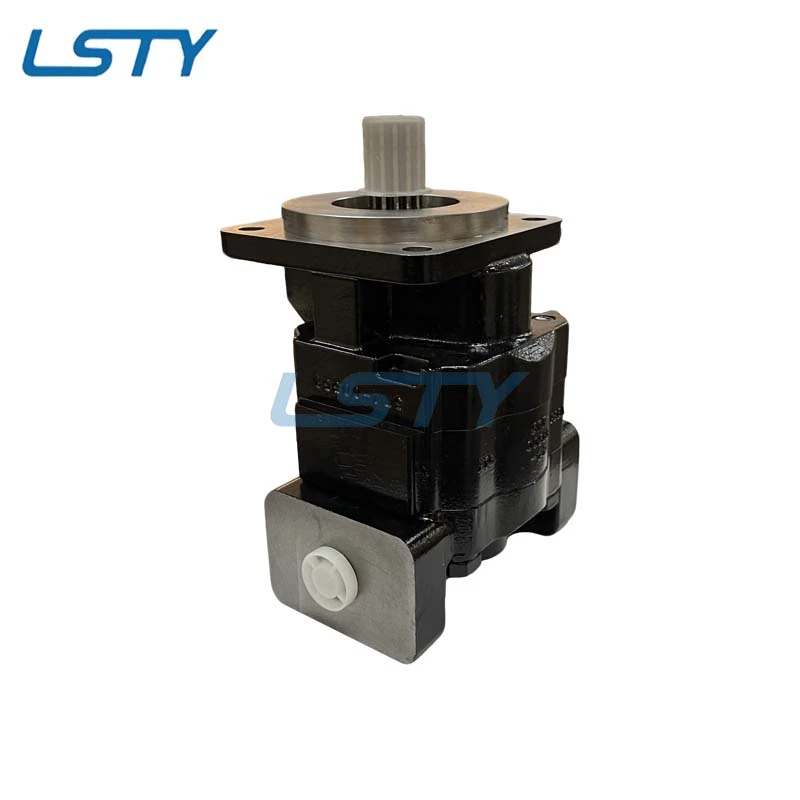
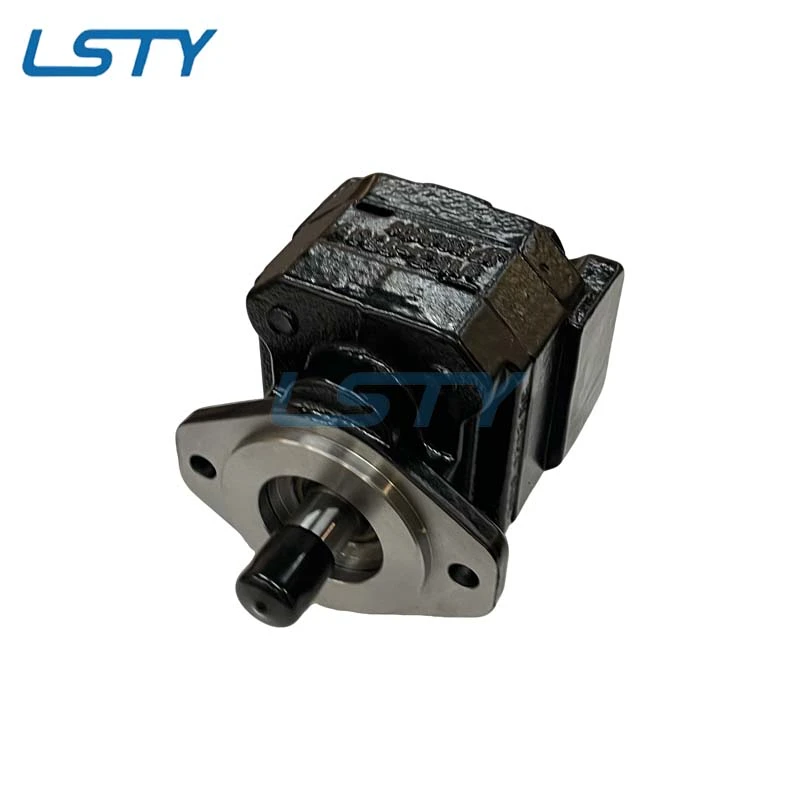
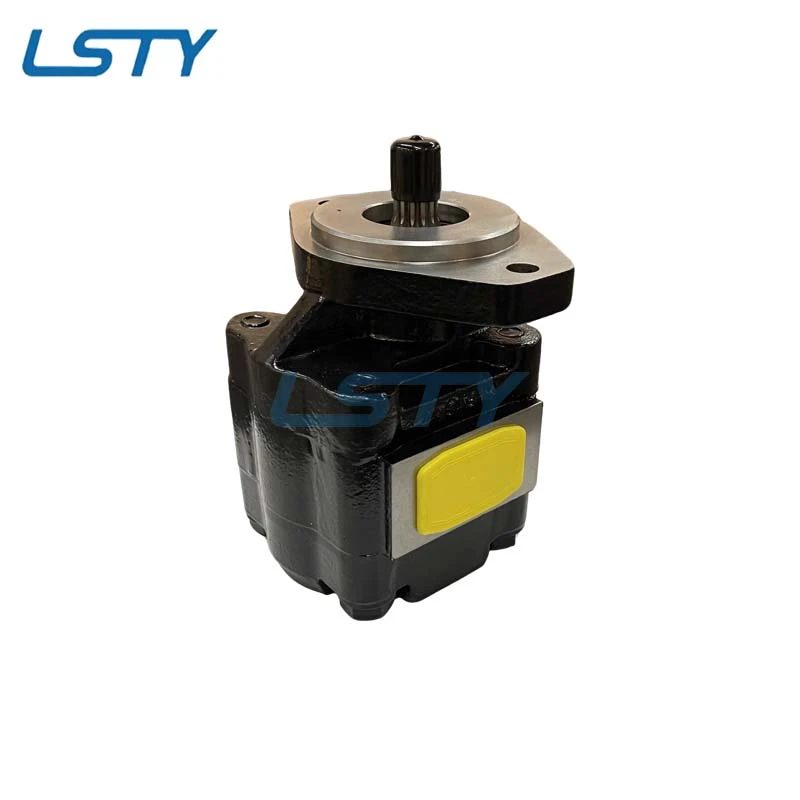
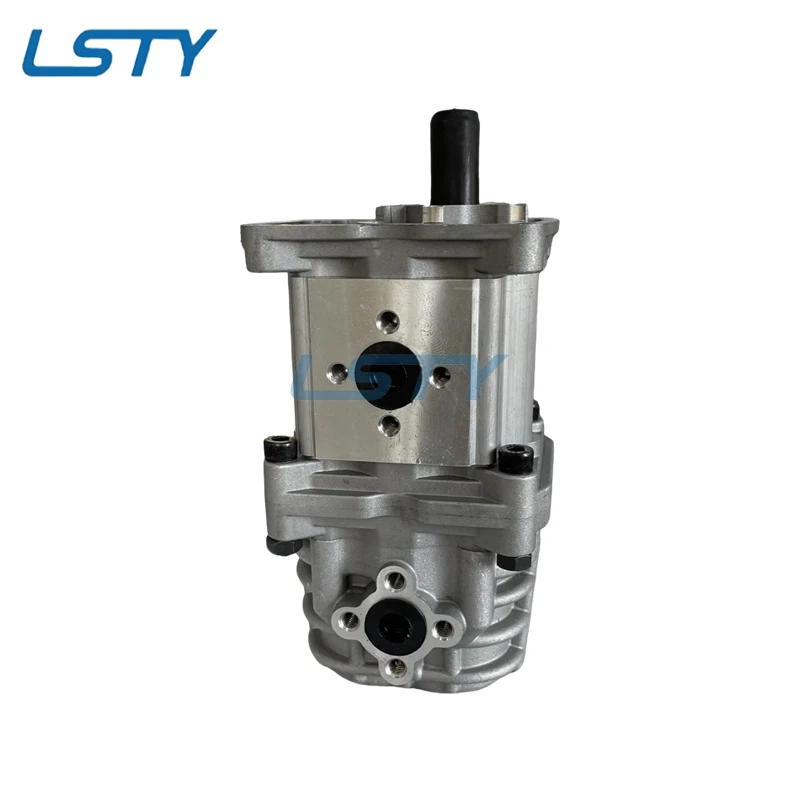
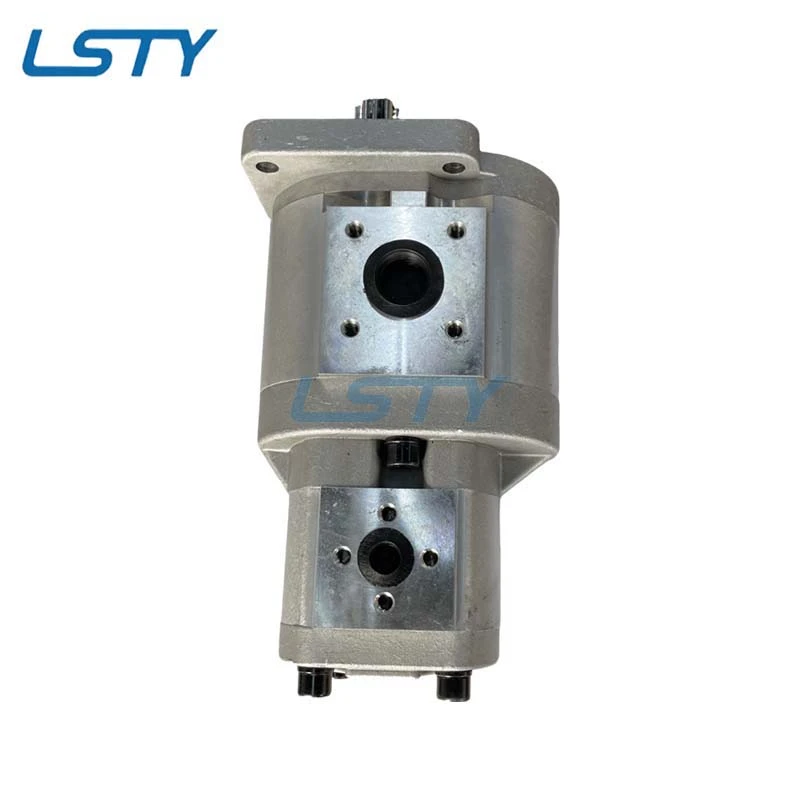
Gear pumps are the most widely used hydraulic pumps in backhoes due to their robust design and affordability. They operate by using two meshing gears to trap fluid and force it through the system. While they are generally less efficient than other pump types, their simplicity makes them easy to maintain and repair. They are best suited for applications that don’t require extremely high pressures or flow rates. Regular maintenance, such as fluid changes and gear inspections, is essential to ensure long-term reliability.
Gear Pump Advantages:
• Affordable and cost-effective
• Simple design and easy maintenance
• Durable and reliable
• Wide availability of replacement parts
Comparing Hydraulic Pump Types
Choosing the right hydraulic pump requires a clear understanding of the differences between the available options. Here’s a comparison of the three main types: Gear, Vane, and Piston. Each pump excels in different areas, so your choice should align with your specific operational demands.
Common Issues with Backhoe Hydraulic Pumps
Like any mechanical component, backhoe hydraulic pumps are susceptible to wear and tear. Common issues include cavitation (formation of vapor bubbles due to low pressure), contamination (dirt and debris in the hydraulic fluid), and internal leakage. These problems can lead to reduced efficiency, overheating, and ultimately, pump failure. Regular maintenance, including fluid filtration and pressure checks, can help prevent these issues.
Choosing the Right Pump: Factors to Consider
Selecting the appropriate backhoe hydraulic pump requires careful consideration of several factors. These include the backhoe's make and model, the required flow rate and pressure, the type of hydraulic fluid used, and the operating environment. Always consult the manufacturer’s specifications and consider the potential for future upgrades or modifications. Autolsty's expert team can assist you in finding the perfect pump for your needs.
Conclusion: Maintaining Backhoe Performance with the Right Hydraulic Pump
Investing in a high-quality backhoe hydraulic pump is essential for ensuring optimal performance, reliability, and longevity of your equipment. By understanding the different types of pumps, common issues, and key selection factors, you can make an informed decision that maximizes your backhoe's productivity and minimizes downtime. Don’t compromise on quality – choose a pump from a trusted supplier like Autolsty.
Frequently Asked Questions (FAQs)
What is the recommended hydraulic fluid for my backhoe pump?
Using the correct hydraulic fluid is critical for pump performance and longevity. Refer to your backhoe's operator manual for the manufacturer's recommended fluid type. Generally, ISO 46 or ISO 68 viscosity fluids are commonly used. Avoid mixing different fluid types, as this can lead to compatibility issues and reduced performance. Regular fluid analysis can help determine if the fluid needs to be replaced or if there are signs of contamination.
How often should I change the hydraulic fluid in my backhoe?
The frequency of hydraulic fluid changes depends on the operating conditions and the manufacturer's recommendations. As a general guideline, change the fluid every 500-1000 hours of operation, or at least annually. In harsh environments with heavy use, more frequent changes may be necessary. Always check the fluid condition regularly and replace it if it appears dirty, cloudy, or contaminated.
What are the signs of a failing hydraulic pump?
Several symptoms can indicate a failing hydraulic pump, including decreased hydraulic pressure, slow or erratic movements, unusual noises (whining, grinding), overheating, and fluid leaks. If you notice any of these signs, it's important to inspect the pump and hydraulic system immediately to prevent further damage. Ignoring these symptoms can lead to costly repairs and downtime.
Where can I purchase reliable backhoe hydraulic pumps?
Autolsty is a trusted supplier of high-quality backhoe hydraulic pumps. We offer a wide selection of pumps from leading manufacturers, competitive pricing, and expert technical support. Browse our inventory online or contact our team for assistance in finding the right pump for your needs.
-
Choosing the Right Bucket Truck Hydraulic Pump for Aerial LiftsNewsApr.16,2026
-
Ultimate Guide to Selecting a bi directional hydraulic pumpNewsApr.09,2026
-
Comprehensive Guide to Hydraulic Pumps Types Applications and MaintenanceNewsApr.04,2026
-
245-1307010-A1-01 Water Pump for MTZ Tractors | HEBOE LONGSHENGTENGYU PUMP INDUSTRY CO., LTDNewsApr.01,2026
-
Reliable Zetor Water Pump - Durable Cooling Solutions for Industrial EquipmentNewsJan.04,2026
-
Engine Water Pump Diagram – Durable & Efficient Solutions by AutolstyNewsJan.03,2026
-
Engine Water Pump Function: Essential Insights from Industry ExpertsNewsJan.03,2026


 English
  Afrikaans
  Arabic
  Belarusian
  Bulgarian
  Esperanto
  French
  German
  Kazakh
  Polish
  Portuguese
  Romanian
  Russian
  Spanish
  Tajik
Tajik  Turkish
  Turkmen
  Ukrainian
  Uzbek
Uzbek  Vietnamese