






The Ultimate Guide to the Bi Directional Hydraulic Pump
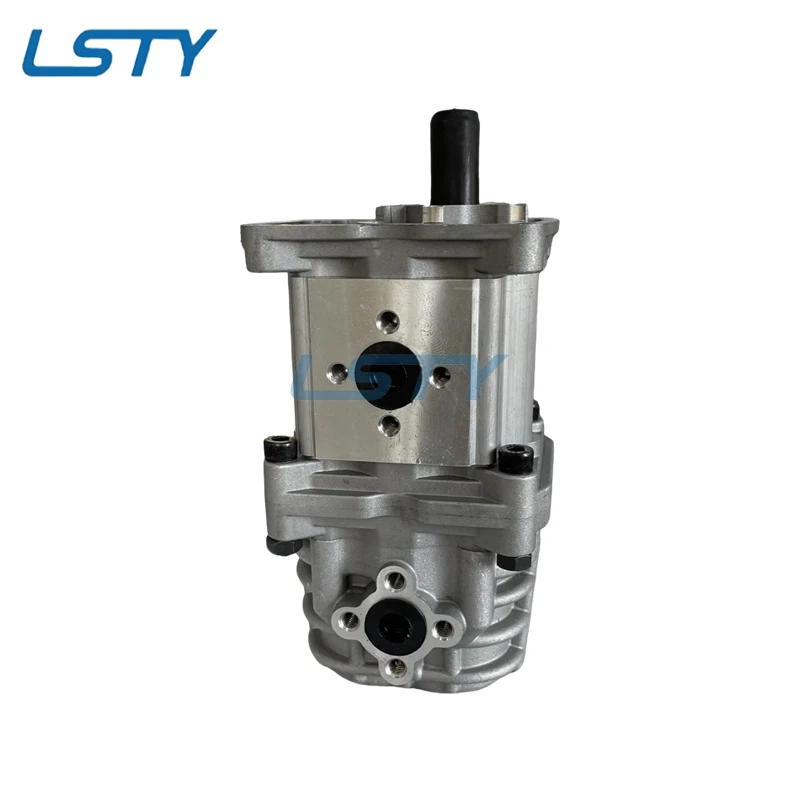
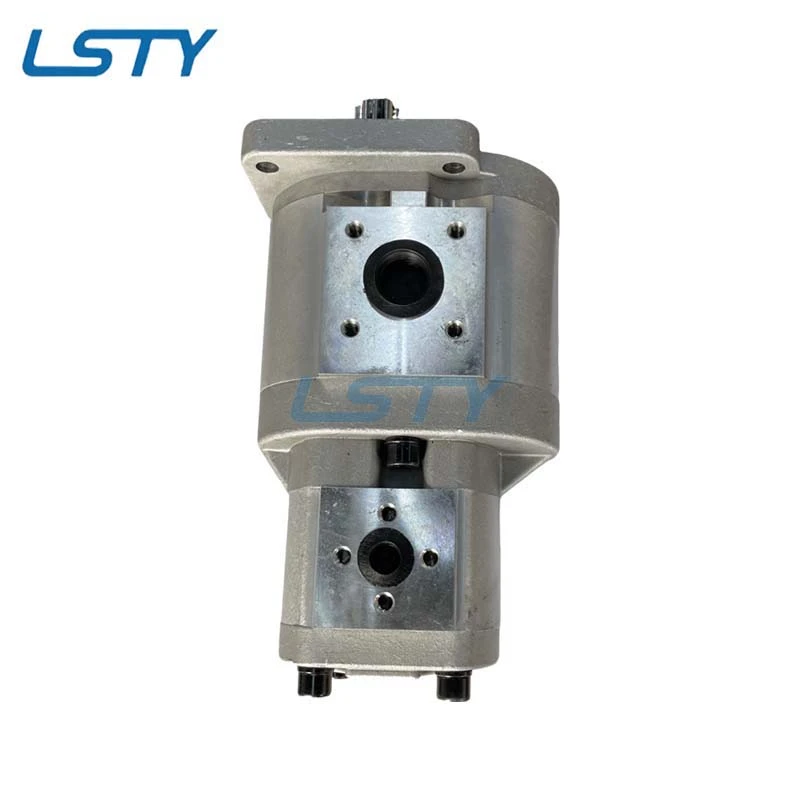
In the world of fluid power, efficiency and flexibility are the cornerstones of high-performance machinery. The bi directional hydraulic pump serves as a critical component for systems requiring fluid movement in two opposite directions without the need for complex valve manifolds. Whether it is used in heavy-duty construction equipment, marine propulsion, or industrial automation, these pumps simplify system architecture and reduce energy loss. Understanding how to select and maintain the right pump can significantly enhance the operational lifespan of your machinery and reduce downtime.
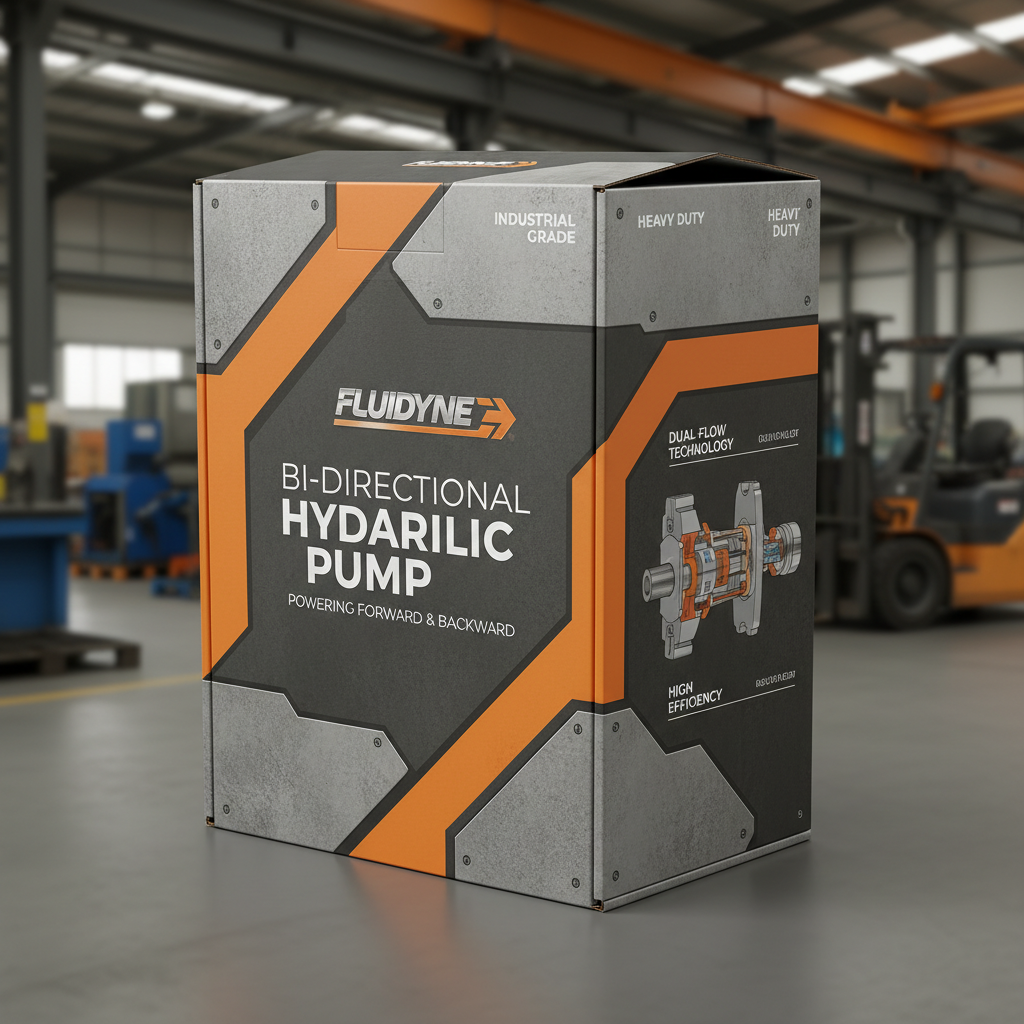
How a Bi Directional Hydraulic Pump Works
Unlike standard unidirectional pumps that only push fluid in one direction, a bi directional hydraulic pump is engineered to reverse the flow of oil simply by reversing the rotation of the drive shaft. This is typically achieved through a symmetric internal design—such as in gear or piston pumps—where the suction and discharge ports are interchangeable based on the direction of rotation. This capability is essential for actuators that must extend and retract using a single pump source, eliminating the need for additional reversing valves and reducing the overall footprint of the hydraulic circuit.
Pro Tip: When operating a bi-directional system, ensure that your relief valves are configured for both directions to prevent catastrophic pressure spikes during rotation reversal.
Key Advantages of Bi Directional Systems
Integrating a bi directional hydraulic pump into your system offers several strategic benefits. First, it reduces the complexity of the hydraulic schematic by removing redundant components. Second, it allows for more precise control over linear motion, as the motor driving the pump can be precisely controlled for speed and direction. This leads to a more streamlined energy transfer from the prime mover to the hydraulic actuator. Additionally, these pumps often provide a more compact solution for mobile machinery where space is at a premium.
Primary Benefits:
• Simplified piping and reduced valve requirements
• Lower overall system weight and cost
• Enhanced flexibility for reciprocating motions
• Improved efficiency in bidirectional actuators
Comparing Bi Directional vs. Unidirectional Pumps
Choosing between a unidirectional and a bi directional hydraulic pump depends entirely on your application's requirements. While unidirectional pumps are often simpler and slightly more efficient for one-way flow, they require external switching valves to reverse a cylinder. In contrast, bi-directional pumps handle the reversal internally via the motor. The following table highlights the core differences to help you make an informed decision based on your project's technical needs.
Common Applications of the Bi Directional Hydraulic Pump
The adaptability of the bi directional hydraulic pump makes it an ideal choice for various industrial and mobile sectors. In agricultural machinery, these pumps power loader arms that must move up and down rapidly. In the marine industry, they are often used for steering gear and winch systems where precise bidirectional tension is required. Additionally, they are prevalent in specialized manufacturing equipment such as hydraulic presses and CNC tooling, where the tool must move forward for cutting and backward for retraction with equal efficiency.
Technical Specifications and Selection Criteria
When sourcing a bi directional hydraulic pump, technical specifications are paramount to ensure compatibility and performance. You must consider the maximum operating pressure, the displacement per revolution, and the compatible fluid types. Using a pump with an incorrect displacement can lead to sluggish actuator response or motor overload. Below is a sample specification table for a standard industrial-grade bi-directional gear pump to illustrate the key parameters you should evaluate.
Conclusion: Optimizing Performance with Bi-Directional Technology
The bi directional hydraulic pump is an indispensable tool for engineers seeking to simplify hydraulic circuits while maintaining high performance. By allowing fluid flow in both directions through a simple change in motor rotation, it eliminates unnecessary hardware and boosts overall system reliability. Whether you are designing a new piece of equipment or upgrading an existing system, choosing a high-quality bi-directional pump ensures smoother operations and long-term cost savings. For premium hydraulic solutions, trust the expertise and quality provided by AutoLsty.
Frequently Asked Questions (FAQs)
Can any hydraulic pump be made bi-directional?
No, not every pump can be bi-directional. A pump must be specifically designed with symmetrical internal components to handle flow in both directions. For example, certain vane pumps are designed only for one direction of rotation; attempting to run them in reverse could cause internal damage or total failure. Always check the manufacturer's specifications to ensure the pump is explicitly rated as "bi-directional" before integrating it into a reversing system.
Does reversing the pump direction affect the pump's lifespan?
When using a high-quality bi directional hydraulic pump, regular direction changes do not inherently shorten the lifespan. However, the method of reversal matters. Abruptly reversing the motor under full load can cause significant hydraulic shock (water hammer), which puts stress on seals and bearings. Using soft-start motors or gradual deceleration before reversing will ensure the pump remains in peak condition for years.
What is the main maintenance requirement for bi-directional pumps?
The primary maintenance requirement is strict fluid cleanliness. Because bi-directional pumps often operate in high-precision environments, contaminants can cause wear on the internal rotating groups during direction changes. Regular filter replacements and oil analysis are highly recommended. Additionally, inspecting the shaft couplings for wear is crucial, as the constant reversal of torque can lead to faster fatigue in low-quality couplings compared to unidirectional setups.
How do I choose the right displacement for my pump?
To choose the correct displacement, you must calculate the required flow rate for your actuator and the RPM of your drive motor. The formula is generally: Flow = Displacement × RPM. Since bi-directional pumps are often used for precise motion, you want a displacement that provides the desired speed without forcing the motor to operate at its absolute limit. We recommend consulting with the technical team at AutoLsty to ensure your pump displacement matches your system's pressure and flow demands.
-
Choosing the Right Bucket Truck Hydraulic Pump for Aerial LiftsNewsApr.16,2026
-
Comprehensive Guide to Backhoe Hydraulic Pump Selection and MaintenanceNewsApr.07,2026
-
Comprehensive Guide to Hydraulic Pumps Types Applications and MaintenanceNewsApr.04,2026
-
245-1307010-A1-01 Water Pump for MTZ Tractors | HEBOE LONGSHENGTENGYU PUMP INDUSTRY CO., LTDNewsApr.01,2026
-
Reliable Zetor Water Pump - Durable Cooling Solutions for Industrial EquipmentNewsJan.04,2026
-
Engine Water Pump Diagram – Durable & Efficient Solutions by AutolstyNewsJan.03,2026
-
Engine Water Pump Function: Essential Insights from Industry ExpertsNewsJan.03,2026
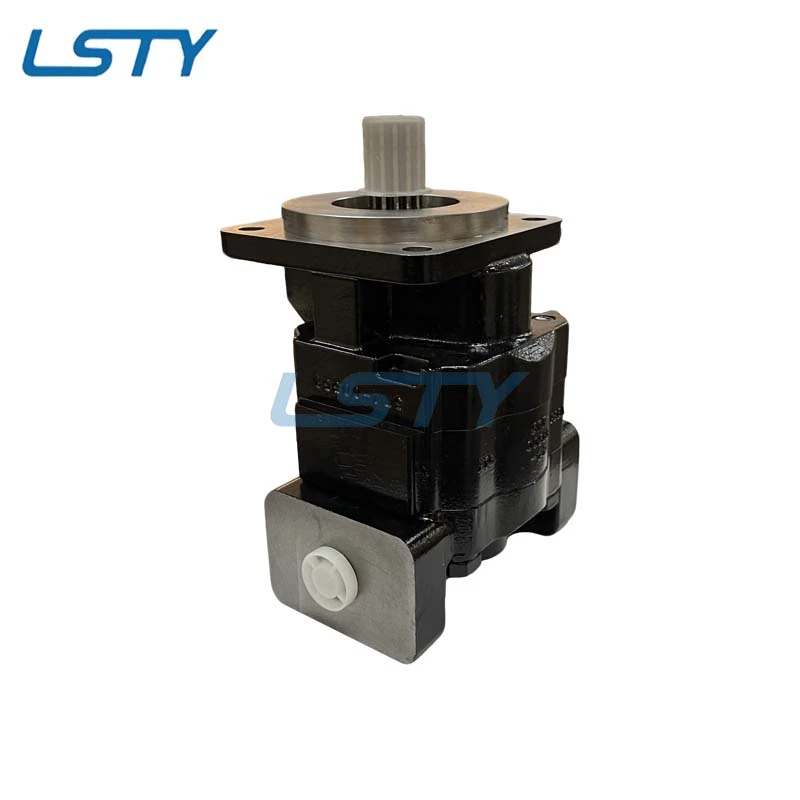
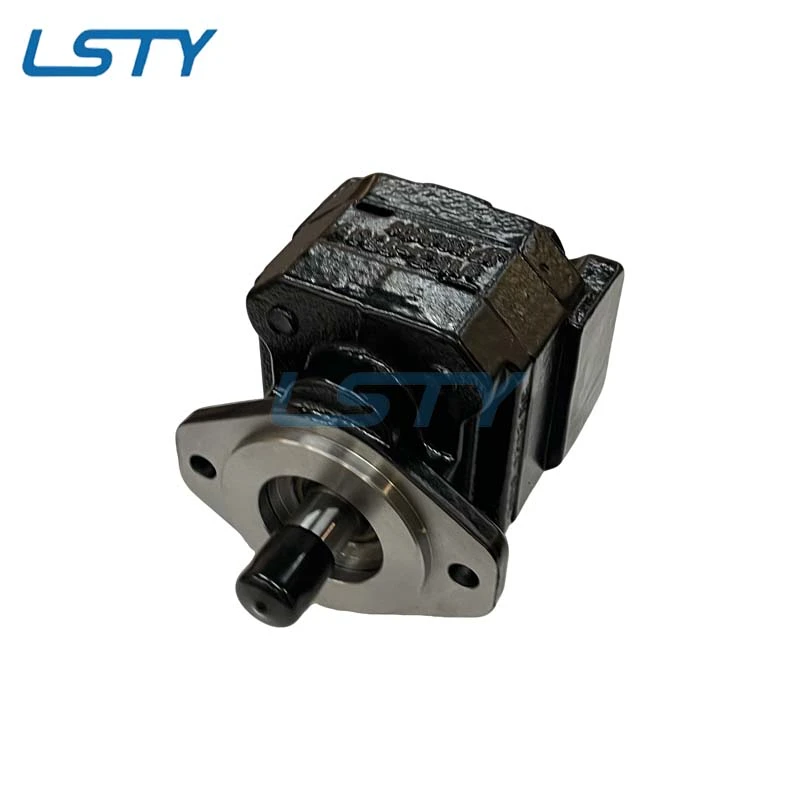
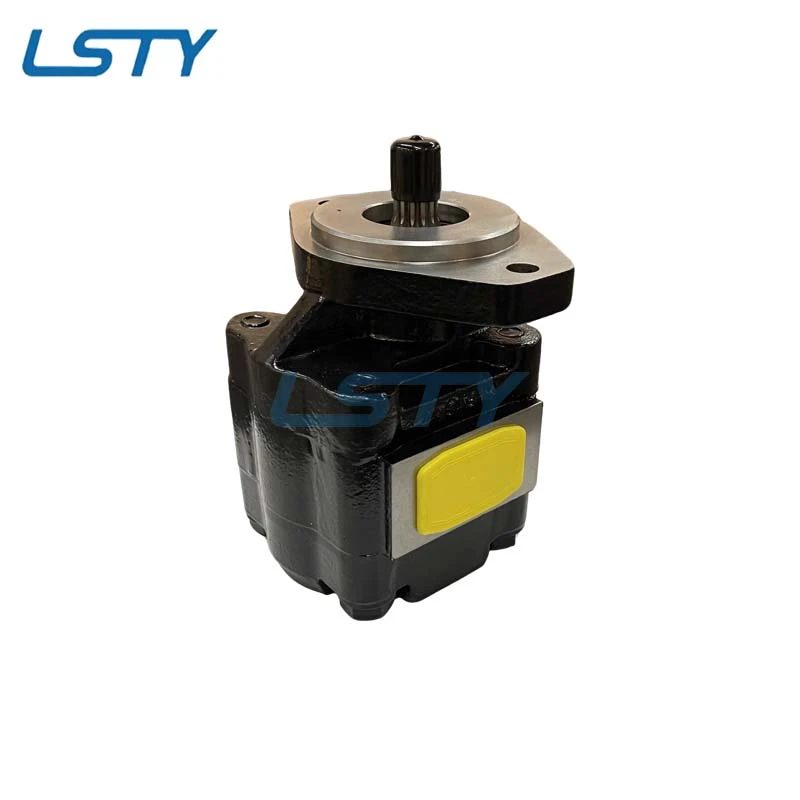


 English
  Afrikaans
  Arabic
  Belarusian
  Bulgarian
  Esperanto
  French
  German
  Kazakh
  Polish
  Portuguese
  Romanian
  Russian
  Spanish
  Tajik
Tajik  Turkish
  Turkmen
  Ukrainian
  Uzbek
Uzbek  Vietnamese