






In the demanding world of mobile machinery, where tractors tirelessly cultivate fields and dump trucks haul immense loads under punishing conditions, the smooth operation of the hydraulic system is absolutely paramount. At the very heart of this critical system lies the hydraulic pump, a precision component responsible for converting mechanical power into the hydraulic energy that powers cylinders, motors, and implements. The relentless pressure, constant flow demands, and exposure to harsh environmental elements place immense stress on these vital components.
Just as the heart requires care for the body to thrive, the hydraulic pump demands attention for the machine to function optimally. This comprehensive guide delves deep into the principles, practices, and nuances of maintaining the hydraulic pump specifically within the demanding contexts of agricultural tractors and heavy-duty dump trucks. We'll explore how a commitment to maintenance safeguards your investment and keeps your operations running smoothly, season after season, load after load. It’s about recognizing the pump not just as a part, but as the indispensable power source enabling your machinery to perform its essential tasks.
The Core Principles of Hydraulic Pump Longevity
The foundation of any effective hydraulic pump maintenance strategy lies in understanding the primary enemies of these precision components: contamination and heat. These three factors are intrinsically linked and form a destructive cycle if left unchecked.
- Contaminants: whether solid particles, water from condensation or ingress, or air entering the system through leaks or improper reservoir design – act like abrasive sandpaper within the pump's tight tolerances.
- Heat: often generated by excessive pressure, internal leakage, or external factors, accelerates the oxidation of hydraulic fluid. This oxidation thickens the fluid, forms sludge and varnish deposits that clog critical passages and valves, and further reduces the fluid's lubricating properties.
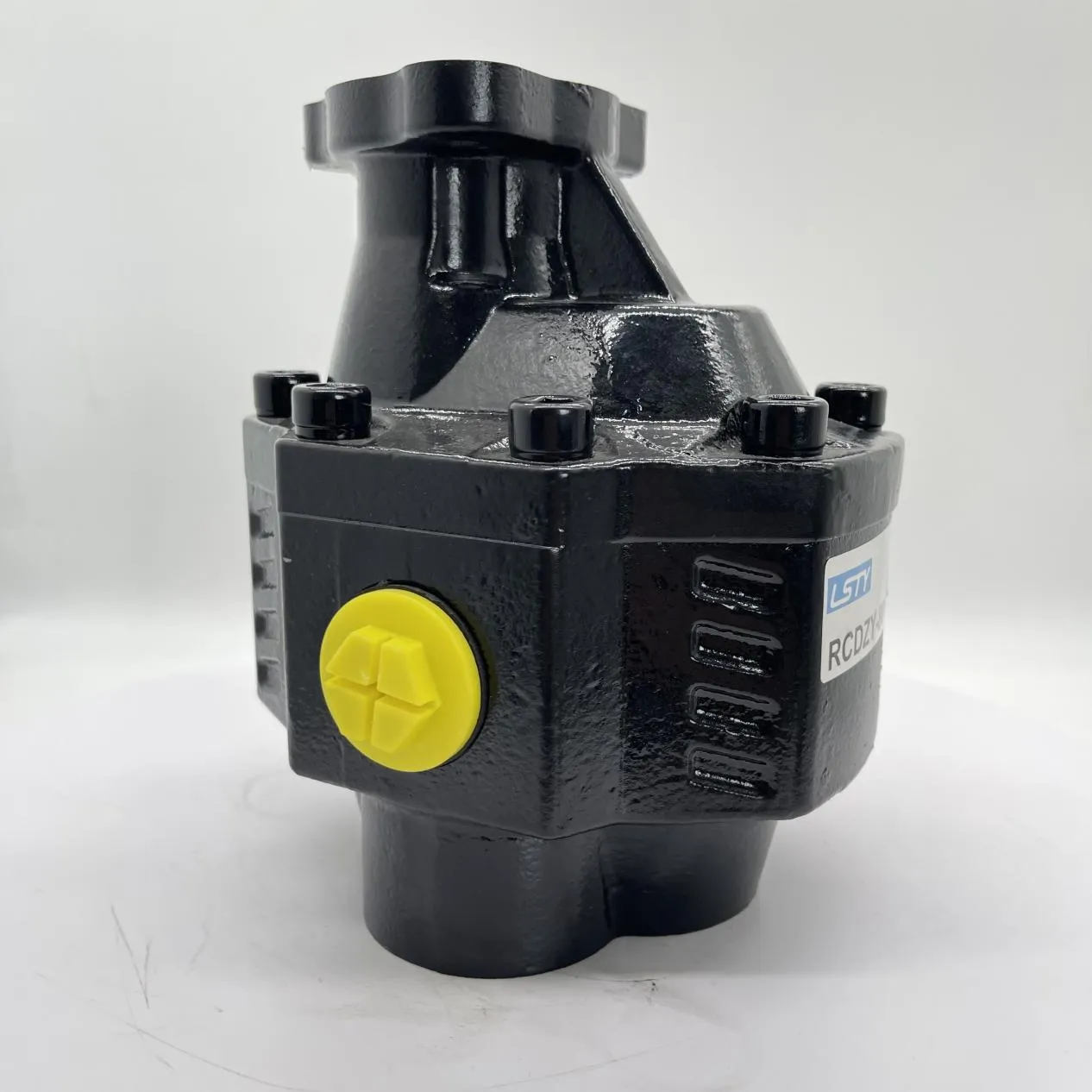
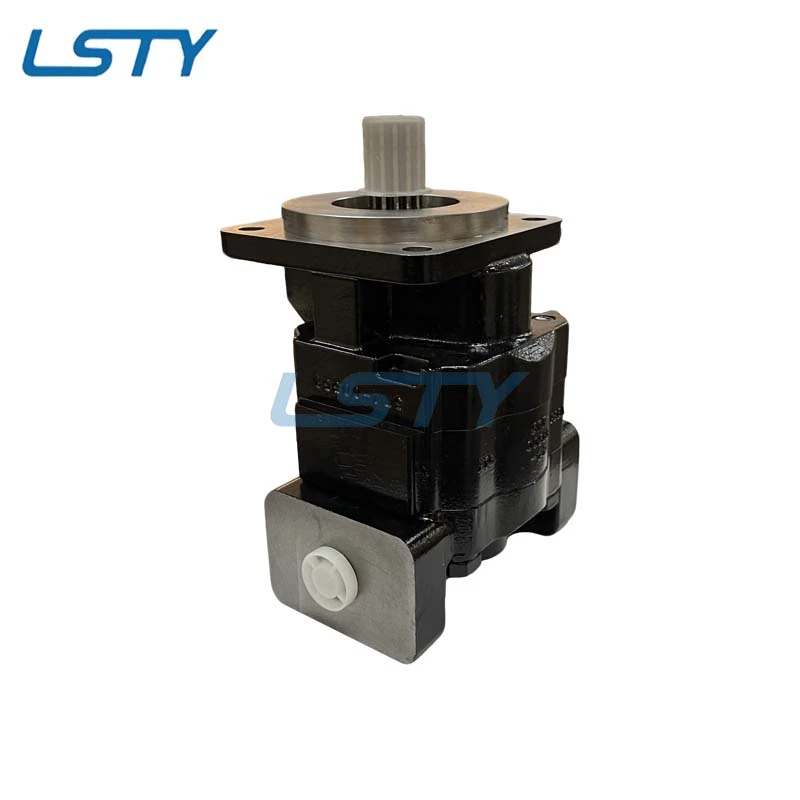
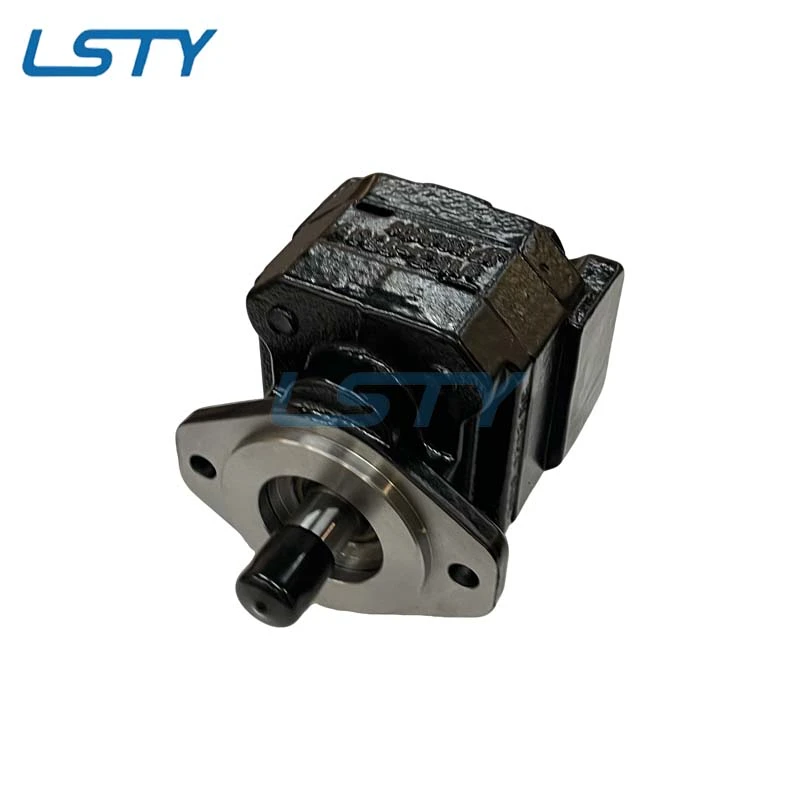
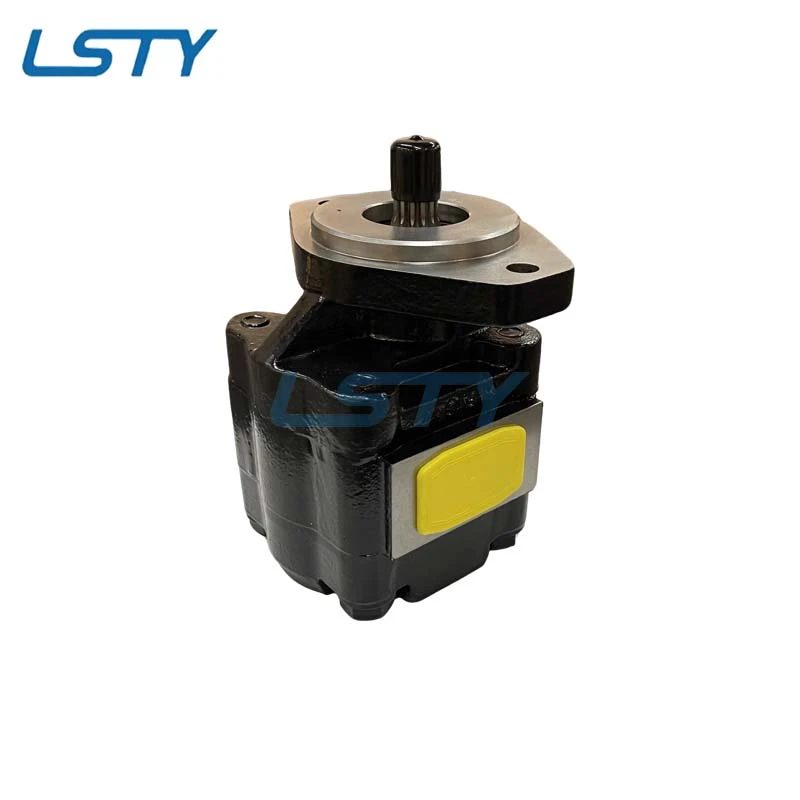
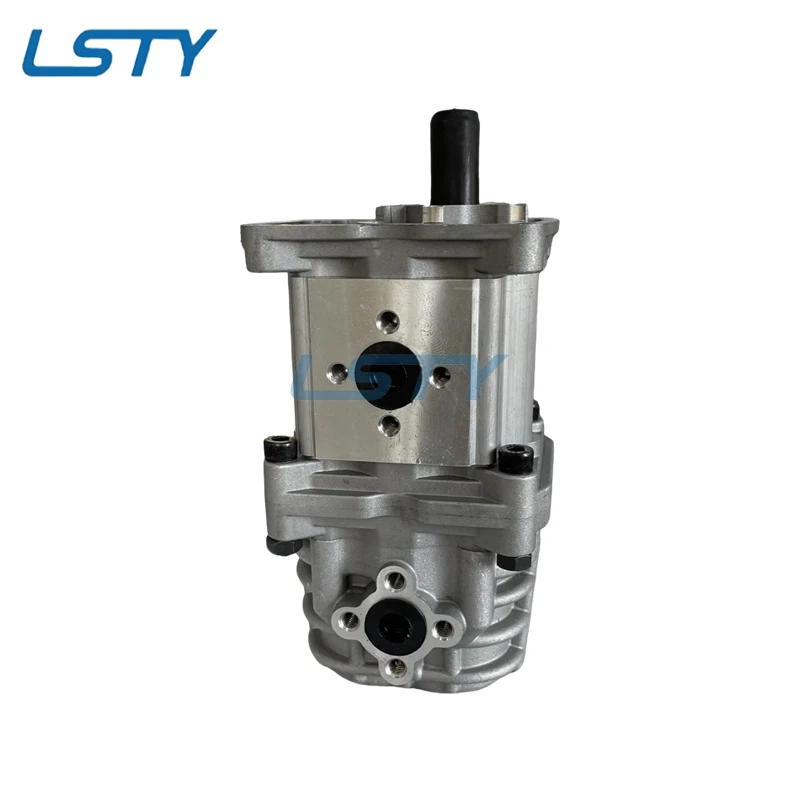
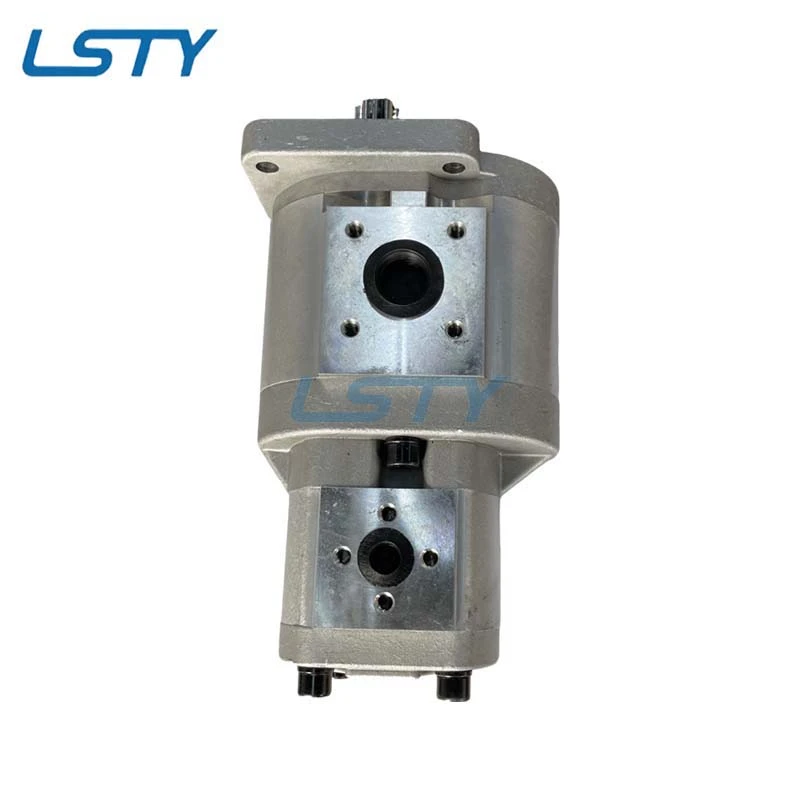
Companies deeply invested in hydraulic technology, such as HEBEI LONGSHENGTENGYU PUMP INDUSTRY CO., LTD (LSTY), leverage their extensive experience – their teams possess over a decade in the hydraulic field – to design pumps like their robust NSH type gear pumps not just for performance, but with manufacturability and maintainability in mind, often supported by specialized utility model patents.
Essential Maintenance Practices for Sustained Hydraulic Pump Health
Moving beyond principles, the practical application of maintenance involves consistent, scheduled actions and vigilant monitoring. While rigid time-based intervals have their place, the most effective strategies increasingly rely on condition-based monitoring, especially for critical components like the hydraulic pump.
- Fluid Management: The First Line of Defense:Treat hydraulic fluid as the lifeblood of the system. Periodic sampling and laboratory testing can reveal the presence of wear metals, particle contamination levels, water content, viscosity changes, and signs of oxidation or additive depletion long before symptoms manifest in machine operation. This allows for targeted interventions. Adhere strictly to the OEM-recommended fluid change intervals, but use fluid analysis to potentially extend or shorten these periods based on actual conditions.
- Filtration: The Constant Guardian:Hydraulic filters are essential protective Maintain breather caps to prevent airborne dirt and moisture ingress. Implement a strict schedule for changing suction, pressure, and return line filters based on hours of operation, system pressure, and crucially, based on pressure differential indicators or fluid analysis results. Never ignore a plugged filter indicator. Consider upgrading filtration systems where possible, especially in high-contamination environments. Remember, a filter change isn't complete until the filter housing is meticulously cleaned before installing the new element.
- Visual and Operational Inspections: Listening and Looking:Develop a routine of daily or pre-operational checks. Visually inspect all hydraulic lines connected to the pump for signs of abrasion, kinks, or leaks – even minor leaks allow air ingress and contamination. Listen intently to the pump during operation; changes in noise are often the first audible warnings of developing problems. Monitor system temperature regularly; excessive heat is a major red flag. LSTY's dedication to "power products, ensured quality, efficient service" extends to providing accessible expertise, recognizing that informed operators are key to early problem detection.
- Seal and Connection Integrity:Hydraulic pumps rely on seals to contain pressure and prevent contamination ingress. Regularly inspect the pump shaft seal for leaks. Ensure all fittings and connections are tight but not overtightened, which can damage flanges or threads. Address any leaks immediately, as they waste fluid, create slip hazards, and invite dirt into the system.
Optimizing the Tractor Hydraulic Pump Maintenance Cycle
The tractor hydraulic pump operates in a uniquely demanding environment. Agricultural work exposes the hydraulic system to extreme levels of contamination – dust, chaff, crop residues, and mud are constant companions. Tractors often operate for extended periods under high load, powering demanding implements like plows, planters, and front-end loaders, placing sustained pressure on the pump. Frequent engagement and disengagement of remote hydraulics create pressure spikes. Furthermore, tractors may sit idle for periods, allowing moisture condensation to form in the reservoir.
- Contamination Control is Paramount:For tractors, this is the single biggest factor. Pay meticulous attention to cleaning around hydraulic fill points and filter housings before servicing. Consider implementing quick-disconnect fittings for implements to minimize open lines during changeover. Use high-quality breathers and check them often.
- Manage Heat :During Peak Loads:Be mindful of operating conditions. During intense summer harvesting with a large combine header or running a high-demand baler, monitor temperatures closely. Ensure radiator and hydraulic oil cooler fins are clean and unobstructed. Allow the system to cool down briefly before shutting down after heavy use.
- Addressing Idle Periods:If a tractor will be stored, consider changing the fluid and filters beforehand if the fluid is near its service interval. Top off the reservoir to minimize air space and reduce condensation.
Ensuring Reliability for the Dump Truck Hydraulic Pump
The dump truck hydraulic pump faces a different, yet equally brutal, set of challenges. Dump trucks endure constant vibration and shock loads from rough terrain, potholes, and the dynamic forces involved in loading and dumping heavy materials like rock, gravel, or demolition debris. The pump must deliver high flow rates rapidly to lift massive loads, generating significant heat during the lift cycle. Frequent lifting and lowering cycles create repeated pressure surges. Exposure to road salt, chemicals, and weather extremes further tests the system's resilience.
- Vibration and Shock Mitigation:Inspect pump mounting bolts regularly for tightness – vibration can loosen them over time. Ensure all hydraulic lines are properly secured with resilient clamps to prevent chafing or fatigue failure from constant flexing. Pay special attention to lines near the pump and cylinders. Check for signs of stress or cracking around welded ports or manifolds.
- Managing Pressure Spikes and Heat:The rapid lifting of a loaded bed places immense instantaneous demand on the pump. Ensure the hydraulic reservoir is adequately sized to dissipate heat effectively. Keep the oil cooler clean and functional.
- Fluid Resilience:Use a high-quality hydraulic fluid with excellent anti-wear properties, good viscosity index , and resistance to oxidation under the high-temperature spikes encountered during lifting. LSTY's rigorous testing with CAT full computer-controlled machines helps ensure their dump truck hydraulic pump components can withstand these demanding pressure cycles.
- Protection from the Elements:Routinely wash down the hydraulic reservoir, pump, cylinder(s), and lines, taking care not to force water into breathers or seals. Inspect for corrosion on lines, fittings, and the pump body. Protect exposed cylinder rods from nicks and scratches that can damage seals. The durability focus inherent in LSTY's products ("ensured quality") and their capability in "repairing and reconditioning" speaks to the realities of the harsh environments dump trucks operate within.
FAQs about Hydraulic Pump Maintenance Questions
What's the most important thing I can do to make my hydraulic pump last longer?
Without a doubt, meticulous contamination control is the single most impactful practice. Keeping dirt, water, and air out of the hydraulic system significantly reduces wear on the pump's internal components. This means strict filter maintenance, using clean fluid, protecting fill points and breathers, and promptly fixing leaks.
How can I tell if my hydraulic pump is starting to fail?
Early warning signs are crucial. Listen for changes: increased whining or screeching , knocking or rattling, or a general increase in noise levels. Observe performance: slower implement or cylinder operation, inability to lift full loads or hold position, or increased operating temperatures. Visually check for excessive external leakage at the shaft seal. Don't ignore these signals; investigate promptly.
Is it better to repair or replace a failing hydraulic pump?
This depends on the severity of the failure, the pump type, its age, and availability/cost of parts. For major internal damage (for example, scored housings, severely worn gears), replacement is often more cost-effective and reliable. For minor issues like seal leaks or easily replaceable bearings/cartridges, repair by a qualified shop using OEM or high-quality parts can be viable. Consider downtime costs – a replacement pump might get you operational faster than a lengthy rebuild.
Does the type of hydraulic fluid in hydraulic pump really matter that much?
Absolutely. Hydraulic fluid is not just a power transfer medium; it lubricates, cools, cleans, and protects system components. Using the wrong viscosity can cause poor performance, overheating, or cavitation.
How does poor maintenance on other parts affect my hydraulic pump?
The hydraulic pump is part of an interconnected system. A clogged filter upstream starves the pump, causing cavitation and damage. A leaking cylinder seal allows contamination into the return line, which eventually reaches the pump. A malfunctioning relief valve stuck open causes continuous high flow and heat. Air leaks on the suction side introduce air, causing cavitation and poor lubrication. Worn valves or cylinders increase system pressure demands. Protecting the pump requires maintaining the entire hydraulic circuit.
Mastering the maintenance cycle for your hydraulic pump, whether it's the workhorse tractor hydraulic pump powering essential farm implements or the robust dump truck hydraulic pump lifting tons of material, is an ongoing commitment. It's a philosophy that prioritizes prevention over costly repair, vigilance over neglect.
Companies dedicated to hydraulic solutions, like HEBEI LONGSHENGTENGYU PUMP INDUSTRY CO., LTD (LSTY), stand as partners in this effort. With over two decades of experience, a focus on integrated R&D and manufacturing, and a commitment to "power products, ensured quality, efficient service," they provide not just components like their NSH series gear pumps, but the foundation of reliability upon which effective maintenance is built.By choosing quality components and adhering to a disciplined maintenance regimen, you ensure that the heart of your hydraulic system continues to beat strong, powering your success for years to come. Remember, the rhythm of your maintenance cycle determines the longevity of your pump's performance.
-
Choosing the Right Bucket Truck Hydraulic Pump for Aerial LiftsHabarlarApr.16,2026
-
Ultimate Guide to Selecting a bi directional hydraulic pumpHabarlarApr.09,2026
-
Comprehensive Guide to Backhoe Hydraulic Pump Selection and MaintenanceHabarlarApr.07,2026
-
Comprehensive Guide to Hydraulic Pumps Types Applications and MaintenanceHabarlarApr.04,2026
-
245-1307010-A1-01 Water Pump for MTZ Tractors | HEBOE LONGSHENGTENGYU PUMP INDUSTRY CO., LTDHabarlarApr.01,2026
-
Reliable Zetor Water Pump - Durable Cooling Solutions for Industrial EquipmentHabarlarJan.04,2026
-
Engine Water Pump Diagram – Durable & Efficient Solutions by AutolstyHabarlarJan.03,2026


 Turkmen
  English
  Afrikaans
  Arabic
  Belarusian
  Bulgarian
  Esperanto
  French
  German
  Kazakh
  Polish
  Portuguese
  Romanian
  Russian
  Spanish
  Tajik
Tajik  Turkish
  Ukrainian
  Uzbek
Uzbek  Vietnamese