




When evaluating the efficiency of hydraulic systems in heavy machinery, the precision of fluid routing becomes the primary bottleneck. Many engineers struggle with pressure drops and erratic flow control, which often stem from suboptimal valve selection. Finding a reliable directional control valve factory is not merely about sourcing a component, but about ensuring that the entire actuation sequence—from the pump to the cylinder—operates with seamless synchronization and minimal energy loss.
The criticality of this component lies in its role as the "brain" of the hydraulic circuit. Whether it is managing the extension of a hydraulic cylinder or regulating the torque of a hydraulic motor, the directional control valve dictates the timing and direction of power. In the context of high-stress environments like construction or mining, a failure in this valve can lead to complete system downtime or hazardous operational errors, making the manufacturer's precision and quality control the most vital variables.
To optimize these systems, it is essential to understand the intersection of material science and fluid dynamics. By analyzing the technical specifications and production capabilities of a professional directional control valve factory, buyers can better align their hardware choices with the actual demands of their machinery. This guide explores the technical nuances and procurement standards necessary to maintain high-performance hydraulic operations.


Directional control valves function by shifting an internal spool to open or close specific ports, thereby routing pressurized fluid from the pump to the desired actuator. This mechanism allows for the precise control of hydraulic cylinders and motors, enabling movements such as lifting, tilting, or rotating. The internal geometry of the valve body must be machined to micron-level tolerances to prevent internal leakage, which would otherwise lead to "drift" in the actuator's position.
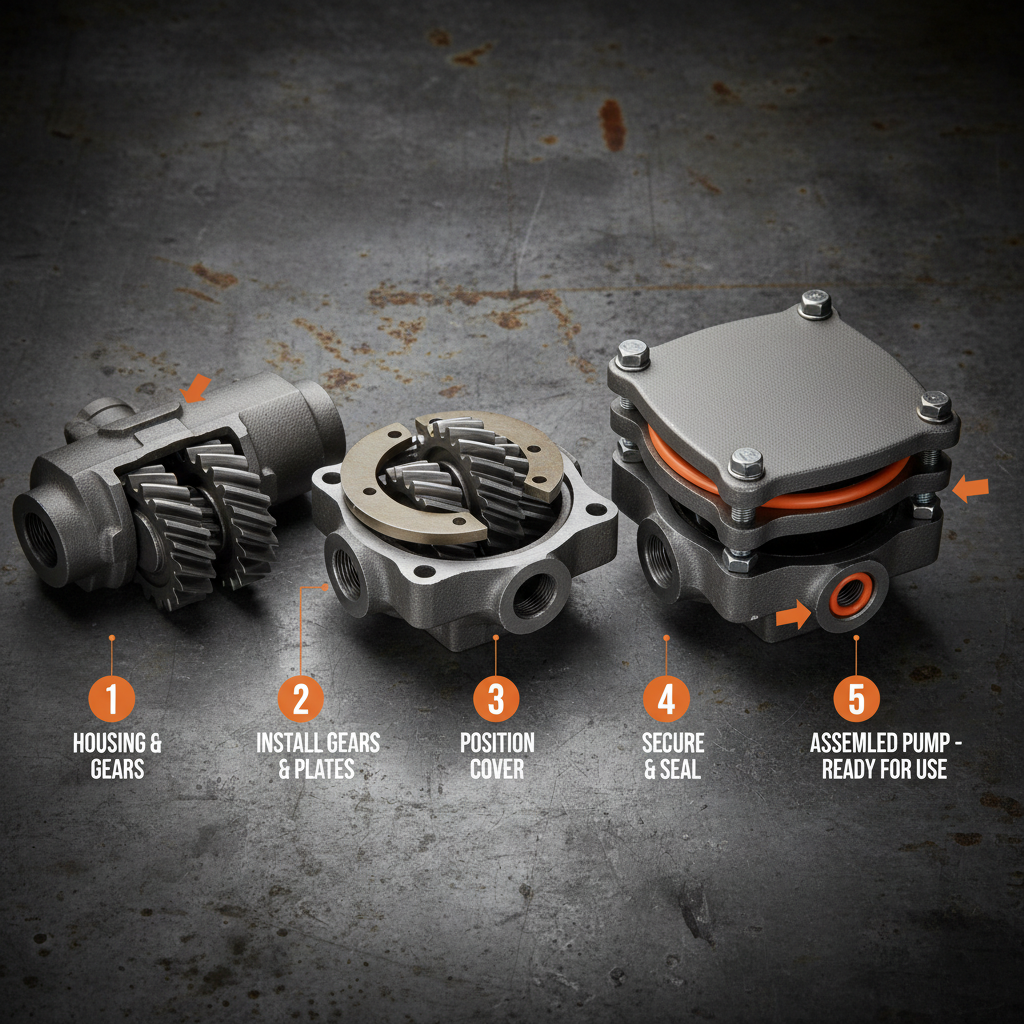
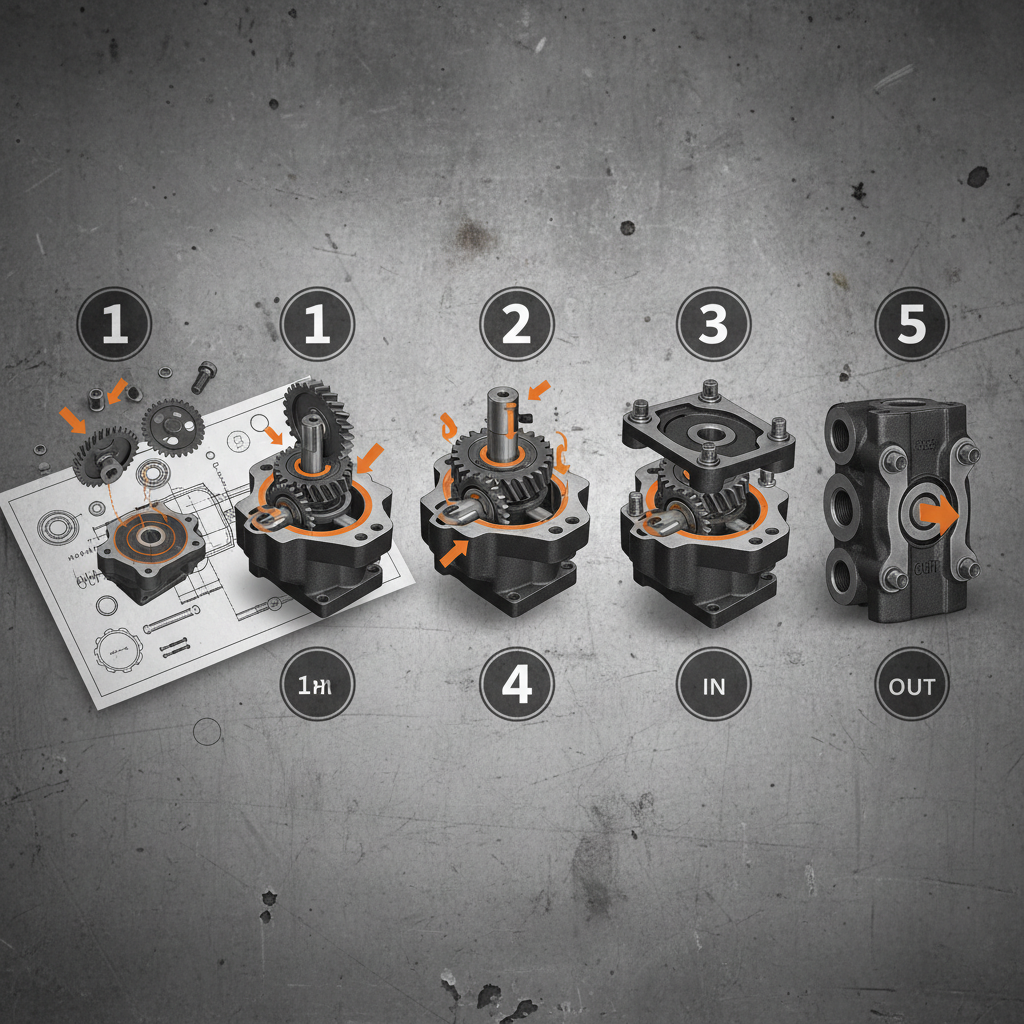
The synergy between the valve and other components like hydraulic gear pumps is critical. While the pump provides the flow and pressure, the directional control valve manages the distribution. For instance, in steering units, the rotary valve and rotary meter work in tandem to ensure that the oil flow to the cylinder is proportional to the steering wheel's angular rotation, providing a predictable and safe response for the vehicle operator.
Material selection is the cornerstone of valve longevity. High-grade castings and hardened steel spools are necessary to resist the erosive effects of high-velocity hydraulic fluid. When a directional control valve factory utilizes superior alloy materials, the resulting components can withstand repetitive cycling without developing surface wear that compromises the seal between the spool and the bore.
The most critical metric for precision is the overlap or underlap of the spool. A zero-overlap design ensures immediate response and prevents pressure buildup in the center position, whereas a slight underlap reduces the risk of spool seizure due to thermal expansion during continuous high-load operation.
Furthermore, compatibility with various seal materials, such as NBR or Viton, determines the operating temperature range and chemical resistance of the valve. In aggressive industrial environments, selecting a valve with seals that can withstand extreme heat or synthetic oils is essential to prevent external leaks and maintain system pressure integrity over thousands of operating hours.
In high-pressure hydraulic circuits, the primary value of a precision-engineered valve is the reduction of parasitic energy loss. By minimizing turbulence and pressure drops across the valve ports, the system can deliver more power to the actuator using the same pump output. This leads to improved fuel efficiency in mobile machinery and lower electricity costs in stationary industrial plants.
Reliability in extreme conditions is achieved through the integration of R&D and rigorous testing. Using CAT full computer controlled testing machines allows manufacturers to simulate real-world stress cycles, ensuring that valves do not fail under peak pressure spikes common in construction and mining equipment.
Beyond immediate performance, the lifecycle value is realized through reduced maintenance intervals. Valves that are manufactured to strict industry standards and utilizing high-precision machining centers exhibit slower wear rates. This decreases the frequency of costly teardowns and replacement cycles, directly improving the Total Cost of Ownership (TCO) for the fleet operator.
Evaluating the effectiveness of different valve designs requires a look at response time and flow coefficient. A high flow coefficient indicates lower resistance to fluid flow, which is crucial for high-speed applications. Conversely, response time is the interval between the actuation signal and the actual movement of the spool, which dictates the precision of the machine's movements.
The following data illustrates the relative performance impact of various manufacturing tolerances on system efficiency. As the machining precision increases (reducing the tolerance gap), the volumetric efficiency of the hydraulic system improves significantly due to the reduction of internal bypass leakage.
In the construction sector, directional control valves are indispensable for excavator and paver operations. They manage the complex movements of swing motors and walking motors, allowing operators to perform delicate grading and heavy lifting with the same control interface. The ability to handle high-pressure spikes while maintaining smooth flow is what separates professional-grade valves from generic components.
Similarly, in maritime and aviation hydraulic systems, the requirements shift toward extreme reliability and corrosion resistance. Deck machinery, such as windlasses and cranes, relies on these valves to operate in salt-mist environments. In these scenarios, the integration of specialized coatings and high-strength aluminum alloy bodies helps reduce weight without sacrificing the structural integrity needed for aerospace or marine deployment.
The industry is moving toward a hybrid approach where traditional hydraulic power is paired with electronic control. This evolution involves the integration of solenoid-actuated directional valves that can be modulated by a PLC (Programmable Logic Controller). This transition allows for "smart" hydraulics, where flow rates and directions can be adjusted in real-time based on sensor feedback, reducing waste and increasing safety.
Another significant trend is the focus on "zero-leakage" technology. By employing advanced Lapping and Honing processes in the factory, manufacturers are achieving tighter seals that virtually eliminate the drift associated with traditional valves. This is particularly valuable in precision metallurgy and die-casting machinery, where a few millimeters of deviation can result in scrapped parts.
Future developments are likely to emphasize sustainable materials and bio-degradable hydraulic fluids. Valves must be redesigned to ensure that the new fluid chemistries do not cause seal degradation or internal corrosion, requiring a renewed focus on polymer science within the manufacturing process to maintain a 12-month or longer warranty period.
One of the most common challenges in hydraulic integration is the mismatch between the valve's flow capacity and the pump's output. If a valve is undersized, it creates a restrictive bottleneck that increases backpressure, causing the pump to work harder and overheat. This can lead to premature failure of the gear pump and an increase in overall system noise.
Contamination remains the leading cause of valve failure. Microscopic particles in the hydraulic oil can score the polished surface of the spool, creating leak paths. Implementing a rigorous filtration strategy and using valves designed with "contamination-tolerant" geometries can significantly extend the operational life of the system.
Maintenance professionals should prioritize a scheduled inspection of the seals and a check for internal leakage using flow meters. When a valve fails, the decision to repair or replace should be based on the extent of the bore wear; if the internal housing is scored, a full replacement from a certified factory is the only way to restore original system efficiency.
| Requirement | Material Choice | Actuation Type | Critical Metric |
|---|---|---|---|
| Heavy Lifting | Hardened Steel | Hydraulic Pilot | Max Pressure |
| Precision Grading | Aluminum Alloy | Solenoid/Electric | Response Time |
| Marine Deck Gear | Stainless/Coated | Manual/Lever | Corrosion Rate |
| High-Speed Feed | Cast Iron/Steel | Direct Acting | Flow Coefficient |
| Agricultural Tilt | Ductile Iron | Manual Spool | Cost-to-Life |
| Industrial Press | Forged Steel | Pneumatic/Electric | Zero-Drift |
You must match the valve's maximum flow capacity to the output of your hydraulic pump under peak load. If the valve's flow rate is lower than the pump's output, it will create a pressure drop and generate excessive heat. Always check the manufacturer's flow-pressure curves to ensure the valve can handle the required GPM (gallons per minute) without causing cavitation or excessive turbulence.
Drift is typically caused by internal leakage, where fluid bypasses the spool seal inside the directional control valve or leaks past the cylinder piston seal. This is often a result of wear on the spool's polished surface or a mismatch in machining tolerances. Replacing the valve with one from a high-precision factory that uses honed bores can significantly reduce this phenomenon.
Aluminum alloy is excellent for reducing weight and providing good heat dissipation, but for extreme high-pressure mining environments, forged steel or ductile iron is preferred. While aluminum can be used if the pressure stays within the rated limit, the abrasive nature of mining environments often makes the harder steel surfaces more durable and resistant to external impact.
Spool valves use a sliding cylinder to route oil and are better for frequent shifting and complex routing. Poppet valves use a ball or cone that seats against an orifice, providing a much tighter seal (zero leakage) but generally offering slower response times. The choice depends on whether your priority is precise routing (spool) or absolute leakage prevention (poppet).
Service intervals depend on the cleanliness of your hydraulic oil. In high-contamination environments, seals should be inspected every 2,000 operating hours. However, the valve itself is largely a wear-item; if you notice a drop in actuation speed or increased drift, it is time for a professional teardown or replacement. Implementing a strict oil filtration regime can extend this interval significantly.
Yes, professional manufacturers typically offer OEM services to tailor port sizes, spool configurations, and actuation methods to specific machinery requirements. This includes custom branding and the adaptation of mounting flanges to fit existing system architectures, ensuring that the new valve integrates perfectly without requiring extensive piping modifications.
The efficiency of any hydraulic system is fundamentally limited by the quality of its control components. By focusing on the intersection of material durability, machining precision, and application-specific design, operators can eliminate common issues like system drift and energy loss. A high-performance directional control valve is not just a part, but a strategic investment in the reliability and safety of heavy machinery, ensuring that power is delivered exactly where and when it is needed.
Whether you are upgrading an existing fleet or designing a new industrial system, the choice of a manufacturer with a proven track record in R&D and quality control is paramount. For those seeking professional-grade components and technical support, exploring the specialized product range at https://www.autolsty.com can provide the necessary hardware to optimize your hydraulic performance and reduce long-term operational costs.