






The relentless drive of modern industry—from towering construction cranes to precision agricultural harvesters—hinges on a fundamental innovation: the motor hidráulico. As the core component converting pressurized fluid into controlled mechanical rotation, these devices embody efficiency where brute force meets precision engineering. Unlike conventional electric motors, hydraulic variants thrive in environments demanding high torque at low speeds, immunity to overloads, and compact power density. Their evolution mirrors industrial progress itself, transitioning from basic gear mechanisms to sophisticated systems capable of powering entire production lines or steering massive vessels.
For over two decades, HEBEI LONGSHENGTENGYU PUMP INDUSTRY CO., LTD (LSTY) has stood at this intersection of hydraulic innovation and practical application. Their integrated approach merges R&D, manufacturing, and global supply chain management, serving clients from Russia to the Middle East with gear pumps, cylinders, and custom hydraulic systems. Four dedicated centers (marketing, supply chain, manufacturing, integration) operate as synchronized engines driving LSTY’s mission: "We consider customer's needs and interests as our own."
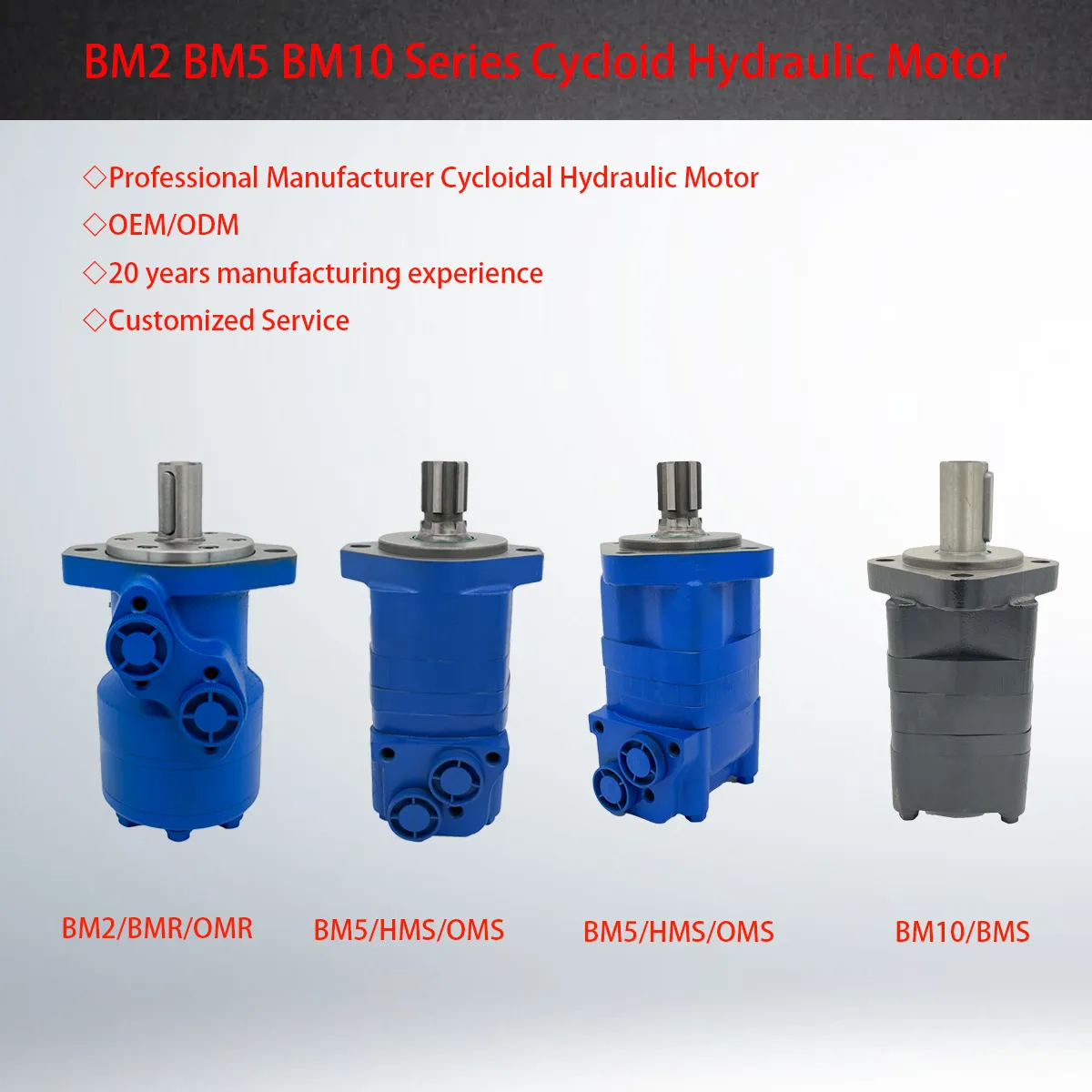
Decoding the Hydraulic Motor
At its core, a motor hidráulico performs inverse work to a pump. While pumps convert mechanical energy into fluid flow, motors reverse this process—transforming pressurized oil into rotational torque. Pressurized fluid enters the motor’s inlet, acting upon internal elements (gears, vanes, or pistons). This force creates displacement, rotating the shaft and delivering usable mechanical energy. Efficiency hinges on minimizing internal leakage and friction—challenges addressed through precision tolerances and materials like hardened steel or composite bearings.
The hydraulic drive motor elevates this concept further, integrating control valves, speed sensors, and braking systems for responsive operation.
Notably, the hydraulic pump motor represents a hybridized solution.
- LSTY’s Contribution to Motor Evolution:
- Material Science: Using ductile iron and anti-cavitation coatings to extend motor lifespan under abrasive conditions.
- Precision Testing: Employing CAT computerized test rigs to validate torque curves and leakage rates before shipment.
- Thermal Management: Optimizing port designs to reduce fluid overheating—a common cause of viscosity breakdown.
Gear, Piston, and Vane Motor Architectures in Hydraulic Motor
Diversity in hydraulic motor designs addresses the spectrum of industrial demands:
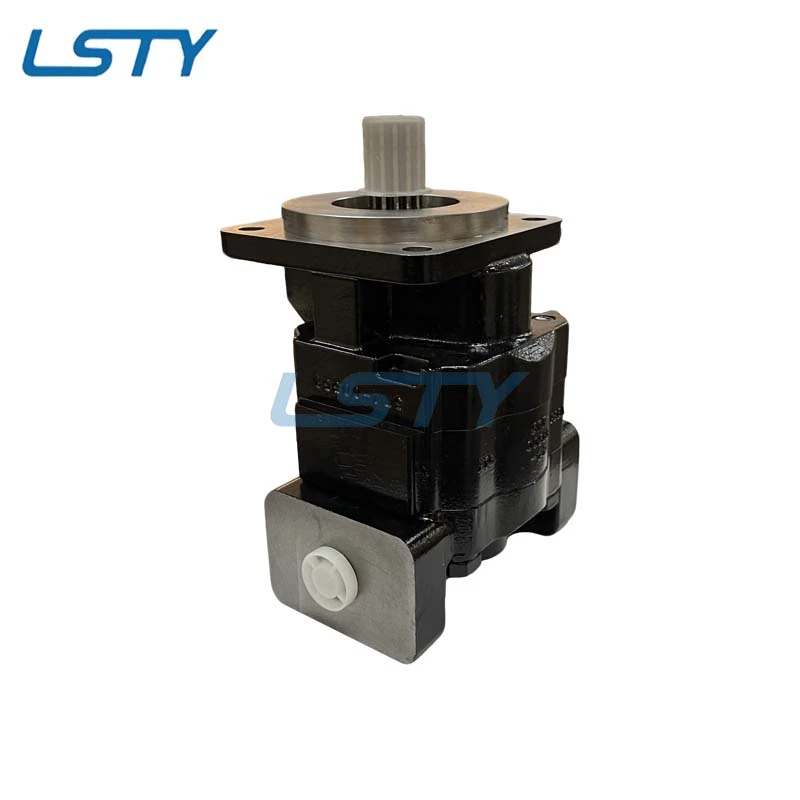
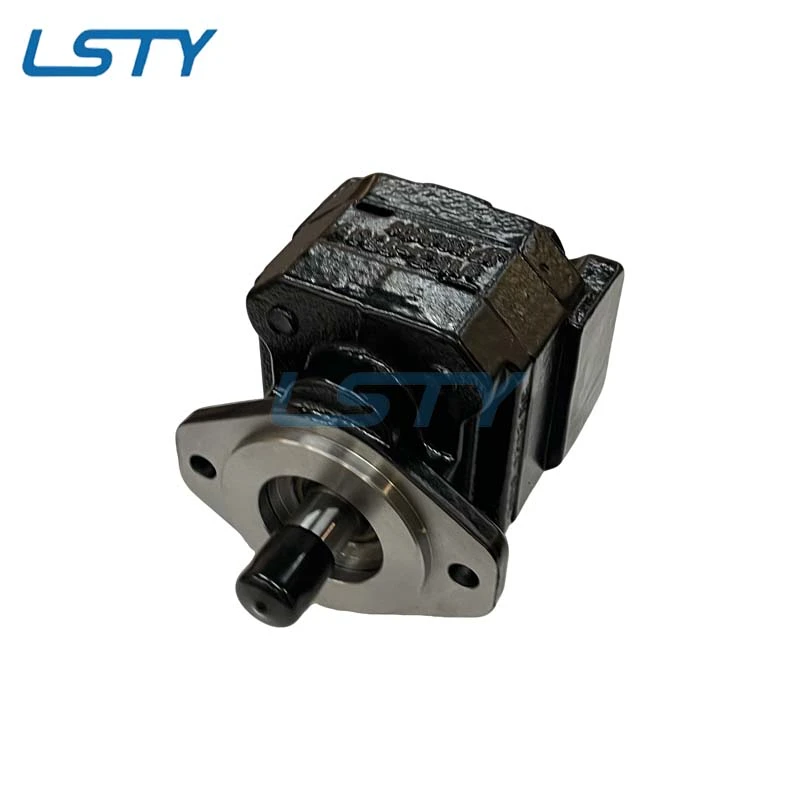
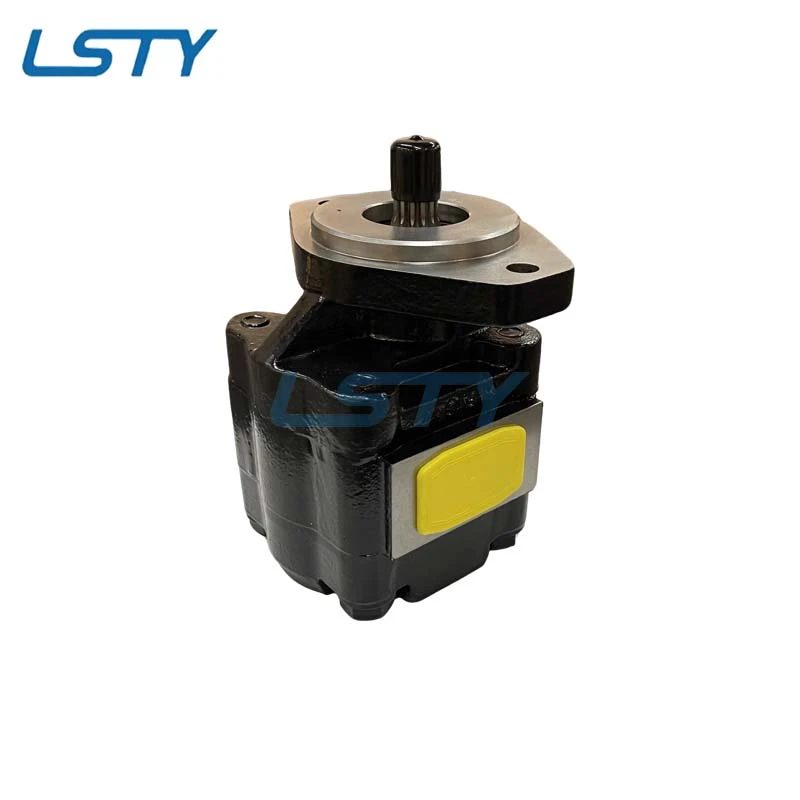
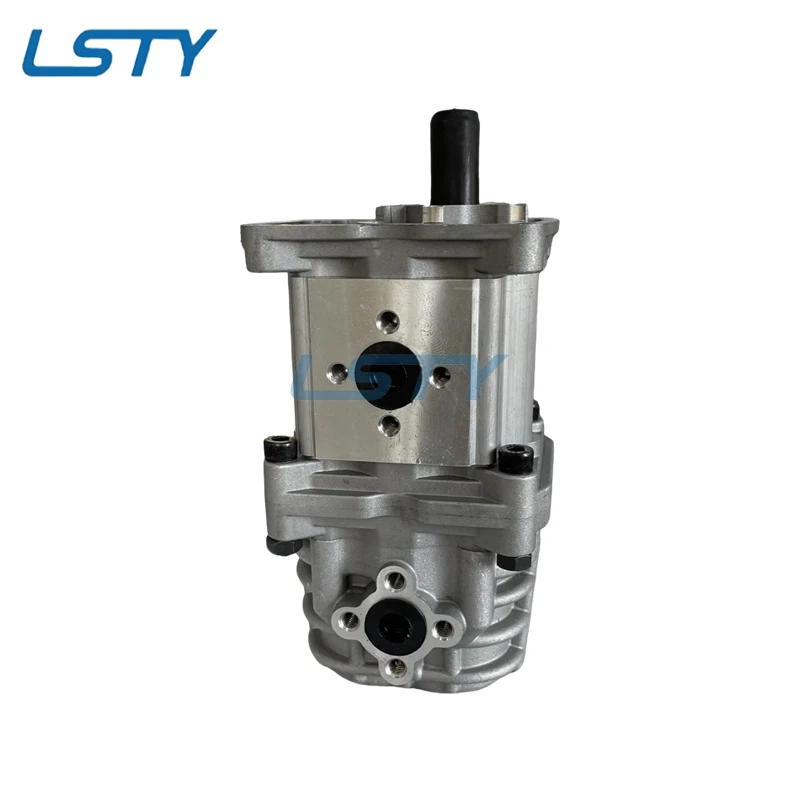
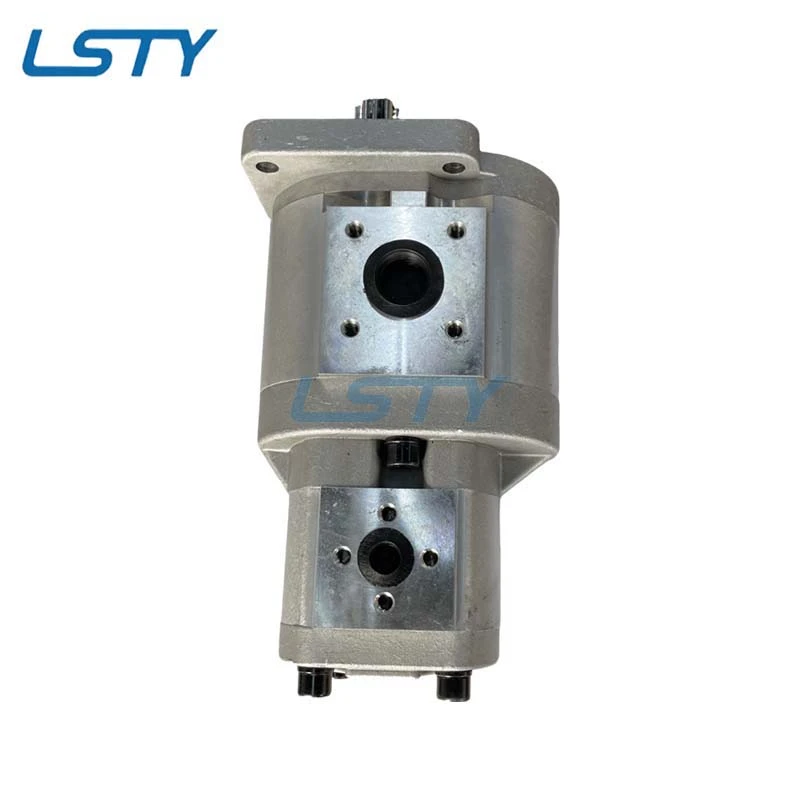
- Gear Motors: LSTY’s expertise shines here. Twin interlocking gears (one driven, one idler) create rotation as pressurized fluid forces them apart. Compact and cost-effective, they suit moderate-torque roles like agricultural sprayers or compact machinery.
- Piston Motors: Dominating high-power applications, these use axially or radially arranged pistons. Axialvariants offer high-speed efficiency, while radial
- Vane Motors: Pressurized fluid pushes vanes radially outward against a cam ring. The resulting rotation delivers smooth, quiet operation ideal for machine tools. However, vane wear limits their pressure ceiling. Innovations like stepped roller vanes reduce friction, boosting longevity in continuous-duty applications like conveyor drives .
Hydraulic drive motors: Industrial and Mobile Applications
Hydraulic drive motors are the unsung heroes within these critical systems:
- Agriculture: Gear motors power combine harvesters’ augers, while piston motors drive irrigation pivots. LSTY’s corrosion-resistant models handle fertilizer exposure and dust ingestion—common in agro-environments.
- LSTY’s Application-Specific Customizations:
- Heat Dissipation: Adding cooling fins for motors in foundry equipment.
- Seal Upgrades: Viton seals for motors exposed to solvents or extreme temperatures.
Navigating Challenges in Hydraulic Pump Motor
Even robust hydraulic pump motor systems face universal hurdles:
- Erosion andCavitation: High-velocity fluid erodes valve plates, while vapor bubbles implode on surfaces. LSTY combats this through laser-hardened steel components and optimized fluid pathways that reduce turbulence.
- Heat Degradation: Fluid temperatures exceeding 82°C accelerate oxidation. Solutions include:
- Installing heat exchangers in return lines.
- Using synthetic fluids with higher thermal stability.
- Designing motors with larger fluid reservoirs.
FAQs about Hydraulic Motors
What distinguishes a standard hydraulic motor from a hydraulic drive motor?
While all convert fluid power to rotation, a hydraulic drive motor incorporates control and feedback elements.Drive motors prioritize responsiveness over raw power, often featuring pressure compensators to maintain torque under load shifts .
Can hydraulic pump motors operate in sub-zero conditions?
Yes, but fluid and material choices are critical. Motors like LSTY using synthetic low-viscosity oil. LSTY recommends preheating fluid via a low-current circulation pump when temperatures plummet below -20°C to avoid startup cavitation .
Why choose piston in hydraulic motors over gear types for heavy machinery?
Piston motors dominate where high pressure and variable displacement are needed.
How do vane motors achieve smoother operation than piston in hydraulic motor designs?
Vanes create continuous surface contact with the cam ring, eliminating the pressure spikes common in piston chambers. However, vane motors sacrifice peak pressure capability for smoothness .
What emerging technologies will reshape hydraulic motors?
Three trends stand out:
- Electro-hydraulic hybridization: BLDC motors paired with pumps for precise speed control.
- Smart motors: Sensors detecting wear, temperature, or contamination, enabling predictive maintenance.
Hydraulic motor technology remains indispensable where electrification falls short. The future lies not in replacing these systems, but enhancing them—through materials that laugh off abrasion, controls that anticipate load shifts, and designs that squeeze maximum torque from every drop of fluid.
HEBEI LONGSHENGTENGYU PUMP INDUSTRY CO., LTD exemplifies this progression. By listening to farmers battling muddy fields or engineers scaling wind turbine installers, they refine motors that don’t just meet specs, but redefine them. As hydraulic systems grow smarter and more integrated, one truth endures: Rotation born from pressurized fluid will keep industries moving, lifting, and building—long into the future.
-
Choosing the Right Bucket Truck Hydraulic Pump for Aerial LiftsNoticiasApr.16,2026
-
Ultimate Guide to Selecting a bi directional hydraulic pumpNoticiasApr.09,2026
-
Comprehensive Guide to Backhoe Hydraulic Pump Selection and MaintenanceNoticiasApr.07,2026
-
Comprehensive Guide to Hydraulic Pumps Types Applications and MaintenanceNoticiasApr.04,2026
-
245-1307010-A1-01 Water Pump for MTZ Tractors | HEBOE LONGSHENGTENGYU PUMP INDUSTRY CO., LTDNoticiasApr.01,2026
-
Reliable Zetor Water Pump - Durable Cooling Solutions for Industrial EquipmentNoticiasJan.04,2026
-
Engine Water Pump Diagram – Durable & Efficient Solutions by AutolstyNoticiasJan.03,2026


 Spanish
  English
  Afrikaans
  Arabic
  Belarusian
  Bulgarian
  Esperanto
  French
  German
  Kazakh
  Polish
  Portuguese
  Romanian
  Russian
  Tajik
Tajik  Turkish
  Turkmen
  Ukrainian
  Uzbek
Uzbek  Vietnamese