






In the demanding realms of modern agriculture, logistics, and industrial automation, high pressure pumps serve as the unyielding heart of hydraulic systems—transmitting immense energy through fluid dynamics to power everything from tractor implements to mining drills.A single failure can trigger catastrophic chain reactions—seized engines in harvesters during peak season, collapsed stabilizers on aerial platforms, or paralyzed assembly lines costing thousands per minute in downtime.
Unlike standard industrial water extraction pumps designed for consistent flow rates in controlled environments, high pressure gear pump systems for mobile and vehicular applications demand ruggedized designs that withstand unpredictable operating conditions while delivering uncompromising performance. Manufacturers like HEBEI LONGSHENGTENGYU PUMP INDUSTRY CO., LTD (LSTY) leverage some years of hydraulic expertise to combat these failure vectors through patented materials science, predictive maintenance protocols, and failure-proof installation methodologies—ensuring tractors, trucks, and construction machinery survive where others succumb.
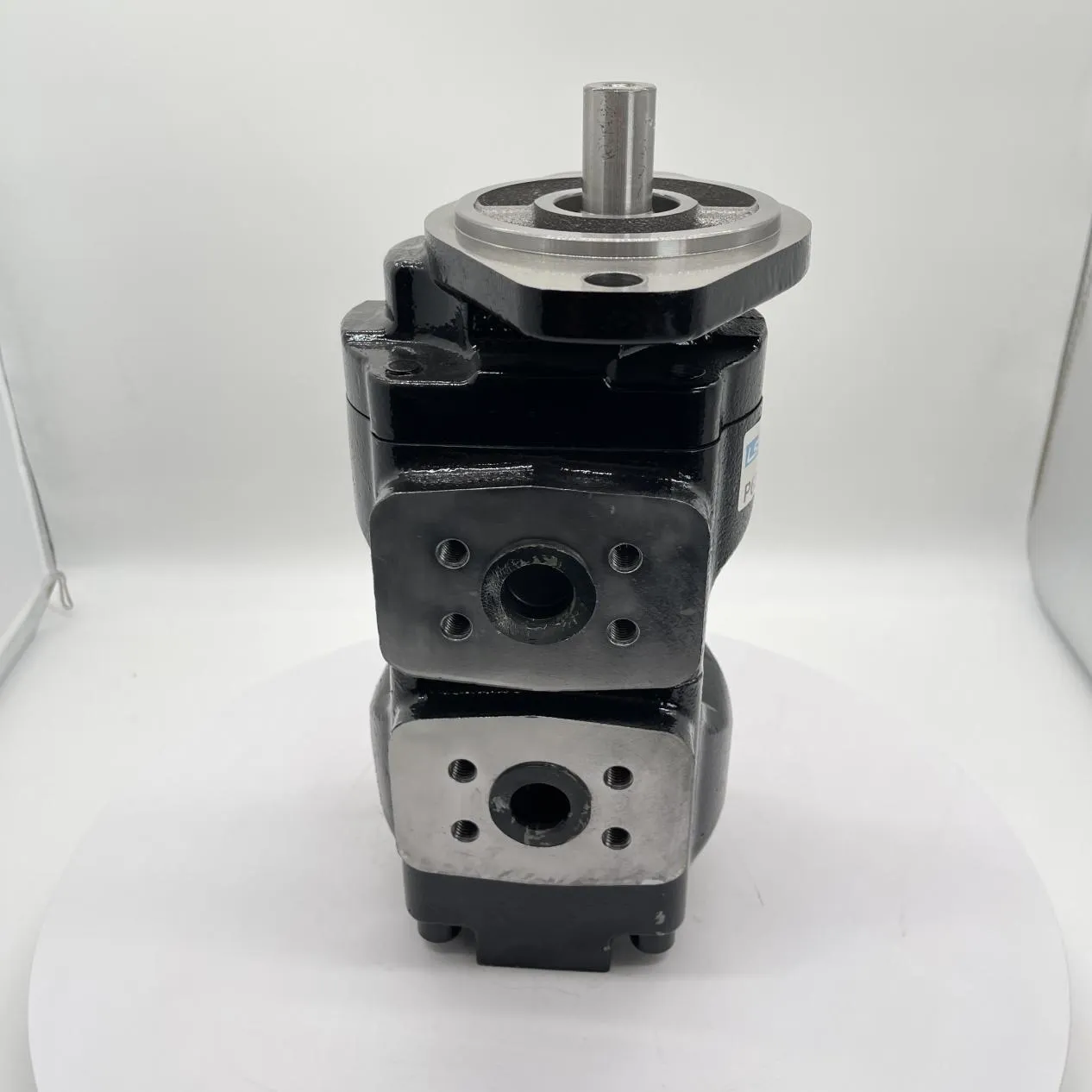
High Pressure Gear Pumps Convert Torque into Fluid Power
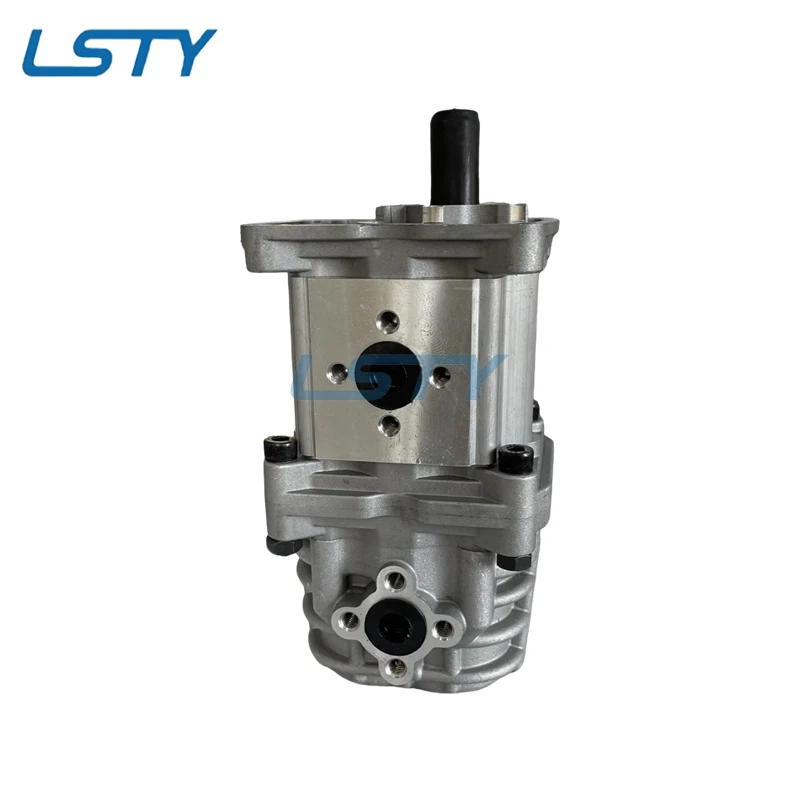
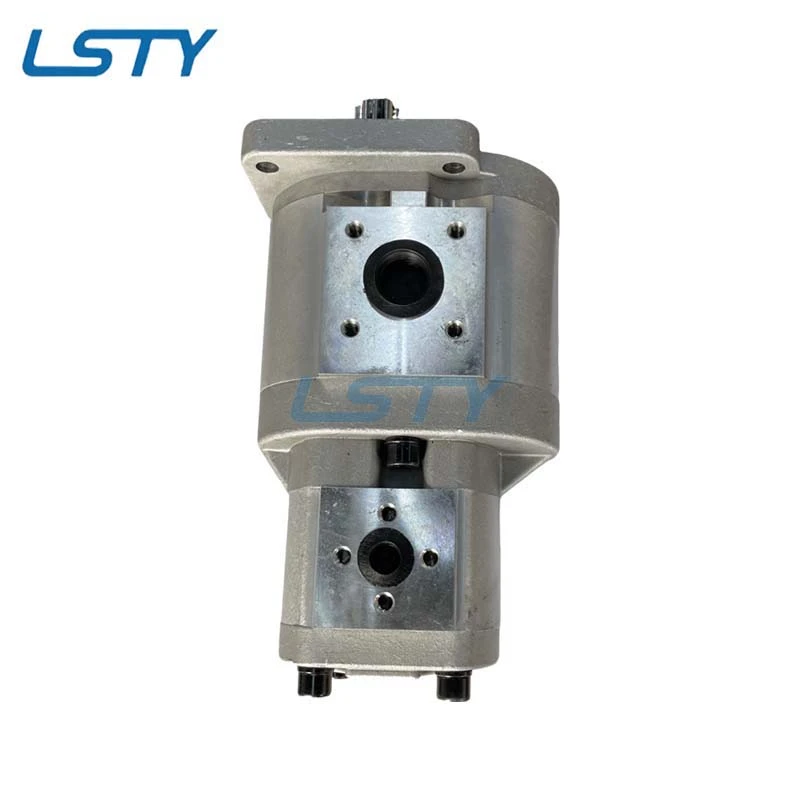
The high pressure gear pump operates on deceptively simple principles with extraordinarily complex execution. As the engine-driven input shaft rotates, it spins a precisely meshed drive gear against an idler gear within a micron-tolerance housing. This rotation creates expanding cavities at the inlet port, drawing hydraulic fluid into the tooth spaces. The trapped fluid rides the interlocking teeth toward the discharge port, where gear meshing compresses the cavities, ejecting pressurized fluid into the system. In high pressure hydraulic gear pump configurations, this process amplifies mechanical torque into hydraulic force capable of moving multi-ton loads—but only when three critical conditions align:
- Cavitation Resistance: CNC-machined kidney ports optimize flow paths, eliminating turbulence-induced vapor bubbles that erode metal surfaces .
- Thermal Stability: Ductile iron housings with nickel-chromium diffusion coatings resist distortion during rapid temperature swings common in turbocharged diesel applications .
High Pressure Pumps:Primary Failure Mechanisms in High Pressure Systems
High pressure pumps don’t fail spontaneously—they succumb to three progressive degradation pathways, each detectable through targeted diagnostics:
- Mechanical Stress Fracturing
Crankshafts in plunger-style pumps fracture from high-cycle fatigue concentrated at fillet radii. Material defects like subsurface voids combine with inadequate nitriding treatments to accelerate crack propagation. - Thermal Runaway Events
Internal leakage past worn seals generates friction heat, exponentially reducing fluid viscosity. Thinned fluid further increases leakage—a self-accelerating cycle culminating in vapor lock.
Prescriptive Maintenance in High Pressure Pumps
Interpump Group’s mandated inspection intervals provide a baseline—but LSTY’s field data reveals elite operators prevent some failures through enhanced protocols:
l Mechanical Wellness Scans
- Vibration Signature Analysis: Triaxial accelerometers mounted on pump housings identify bearing wear frequenciesand gear mesh patterns. LSTY’s cloud-connected sensors alert technicians when amplitudes exceed severity thresholds .
- Pressure Transient Mapping: High-speed transducers capture pressure ripple waveforms; abnormal pulsations indicate cavitation or relief valve stiction before audible symptoms emerge .
l Corrosion Countermeasures
- Storage Preservation: For idle equipment, LSTY’s modified Shell Donax emulsion protocol flushes systems with vapor-phase inhibitors, coating internals with protective films .
- Cathodic Protection: Zinc-sacrificial anodes on pump housings mitigate galvanic corrosion in marine applications.
High Pressure Hydraulic Gear Pump: Preventing Infant Mortality Failures
Over 60% of premature high pressure hydraulic gear pump failures trace to installation errors—all preventable through methodical protocols:
- Foundation Stress Mitigation
Laser shaft alignment tools verifyparallel offset and angular misalignment—critical for direct-coupled pumps. - Piping Best Practices
- Suction Line Sizing: Diameters must enable flow velocities less than 2 m/s—oversized lines cause fluid separation; undersized lines induce cavitation .
- No-Flex Mounting: LSTY’sreinforced flange kits distribute piping loads across patterns, eliminating flexural stress on casting ports.
- Commissioning Rituals
- Infrared Baseline: Thermal images document normal operating temperatures for future comparisons.
- Oil Purification: Offline filtration carts achieve NAS 1638 Class 6 cleanliness before system activation.
FAQs about Resolving Real-World High Pressure Pump Challenges
What distinguishes failure patterns between industrial and mobile high pressure pumps?
Industrial units fail predominantly from continuous operation wear. Mobile high pressure hydraulic gear pump systems suffer shock loading from terrain impacts, thermal cycling, and vibration—requiring LSTY’s impact-resistant ductile iron housings and tapered roller bearings.
Why do high pressure gear pumps lose pressure after cold starts in Belarusian winters?
Conventional mineral oils solidify below -25°C, causing pump cavitation. LSTY’s Arctic packages (-40°C rating) combine synthetic ISO VG 32 fluid with nickel-plated gears resisting brittle fracture.
Can high pressure gear pumps share fluid between circuits?
Absolutely not. Cross-contamination causes valve stiction and fluid breakdown. LSTY’s tandem units feature isolated kidney ports and independent relief valves per circuit.
What causes pump cover leakage in high pressure pumps?
Loose bolts, degraded gaskets, or casting defects. LSTY’s solution: CNC-faced flanges with laser-etched torque sequences + triple-lip PTFE seals.
Is ultrasonic inspection viable for predicting crankshaft failures?
Yes. LSTY’s CKMC methodology detects subsurface cracks —months before fracture. Frequency shifts more than certain numbers indicate imminent failure .
Safeguarding high pressure pumps transcends part replacement—it demands holistic system stewardship. HEBEI LONGSHENGTENGYU PUMP INDUSTRY CO., LTD embodies this through its four-pillar corporate architecture: R and D innovators developing ceramic composite seals; manufacturing centers wielding CAT-test validated machining; and integration specialists performing laser alignments onsite. Their 20 hydraulic patents—like the shock-absorbing tandem gear pump shaft—solve failure modes competitors barely diagnose. If you are interested, you can click https://www.autolsty.com/ to consult us.
-
Choosing the Right Bucket Truck Hydraulic Pump for Aerial LiftsНовиниApr.16,2026
-
Ultimate Guide to Selecting a bi directional hydraulic pumpНовиниApr.09,2026
-
Comprehensive Guide to Backhoe Hydraulic Pump Selection and MaintenanceНовиниApr.07,2026
-
Comprehensive Guide to Hydraulic Pumps Types Applications and MaintenanceНовиниApr.04,2026
-
245-1307010-A1-01 Water Pump for MTZ Tractors | HEBOE LONGSHENGTENGYU PUMP INDUSTRY CO., LTDНовиниApr.01,2026
-
Reliable Zetor Water Pump - Durable Cooling Solutions for Industrial EquipmentНовиниJan.04,2026
-
Engine Water Pump Diagram – Durable & Efficient Solutions by AutolstyНовиниJan.03,2026


 Ukrainian
  English
  Afrikaans
  Arabic
  Belarusian
  Bulgarian
  Esperanto
  French
  German
  Kazakh
  Polish
  Portuguese
  Romanian
  Russian
  Spanish
  Tajik
Tajik  Turkish
  Turkmen
  Uzbek
Uzbek  Vietnamese