






What Is Cast Stainless Steel? A Field Note From the Shop Floor
If you’ve ever wondered what is cast stainless steel, here’s the plain answer: it’s stainless steel poured in a mold to create complex, corrosion-resistant shapes—valve bodies, pump housings, impellers—without machining away half the billet. In practice, though, it’s a bit of art and a lot of discipline. Alloy selection, feed/risers, shell quality, and heat treatment decide whether a part runs leak-free for a decade or becomes shop scrap. I’ve seen both outcomes.
Industry pulse
Trends? Three stand out. First, tighter NDT plus digital radiography is pushing defect rates down. Second, offshore and food industries keep nudging demand toward 316/CF8M and duplex for chloride resistance. Third, buyers are asking for full traceability and PMI on every heat. Actually, even mid-size OEMs now request ISO 8062-GD&T integration in CAD-to-casting workflows. Surprising? Not really—downtime is expensive.
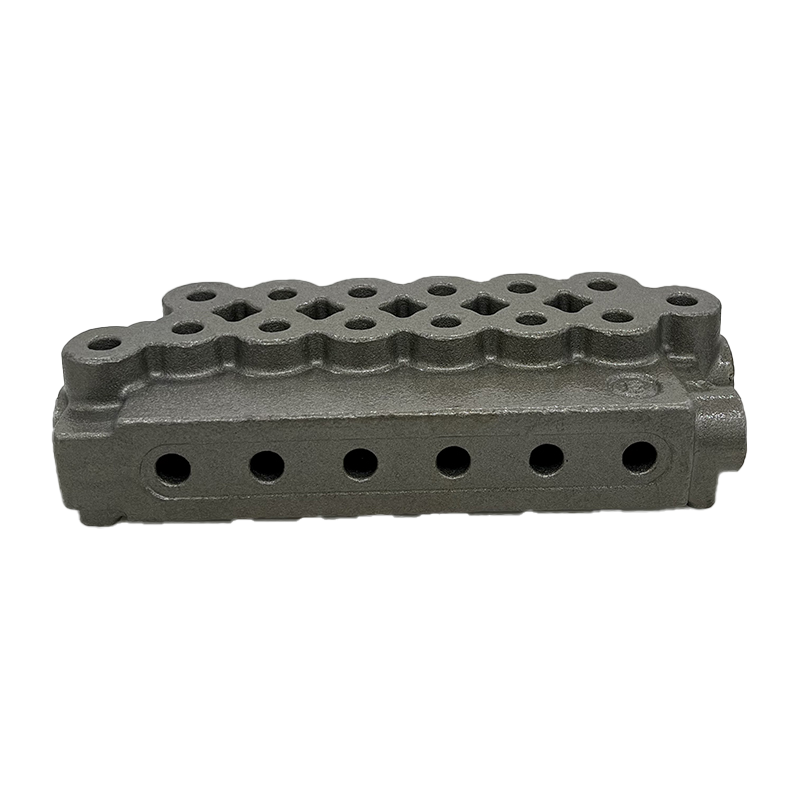
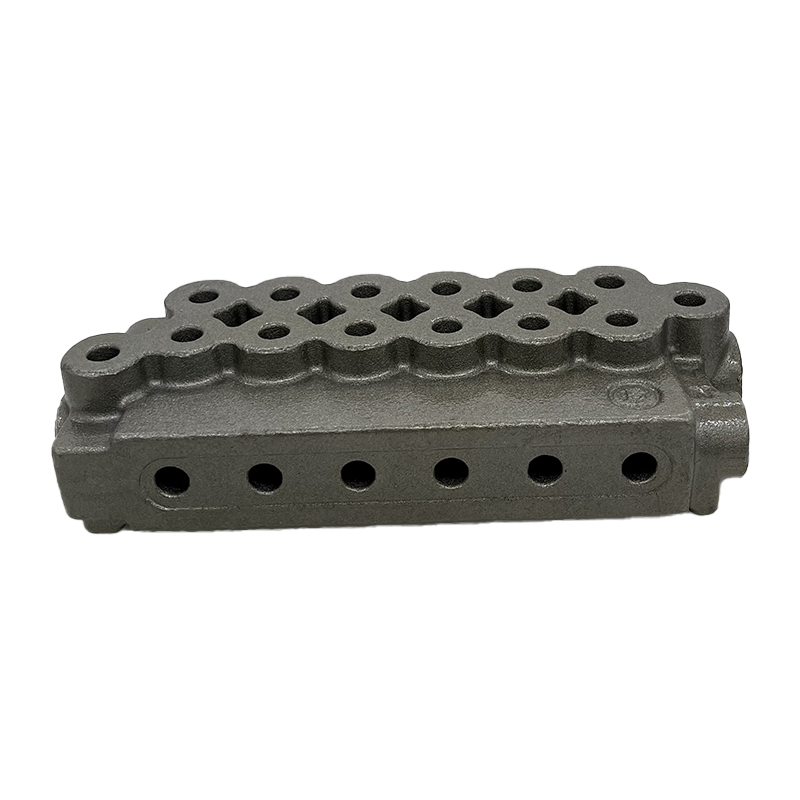
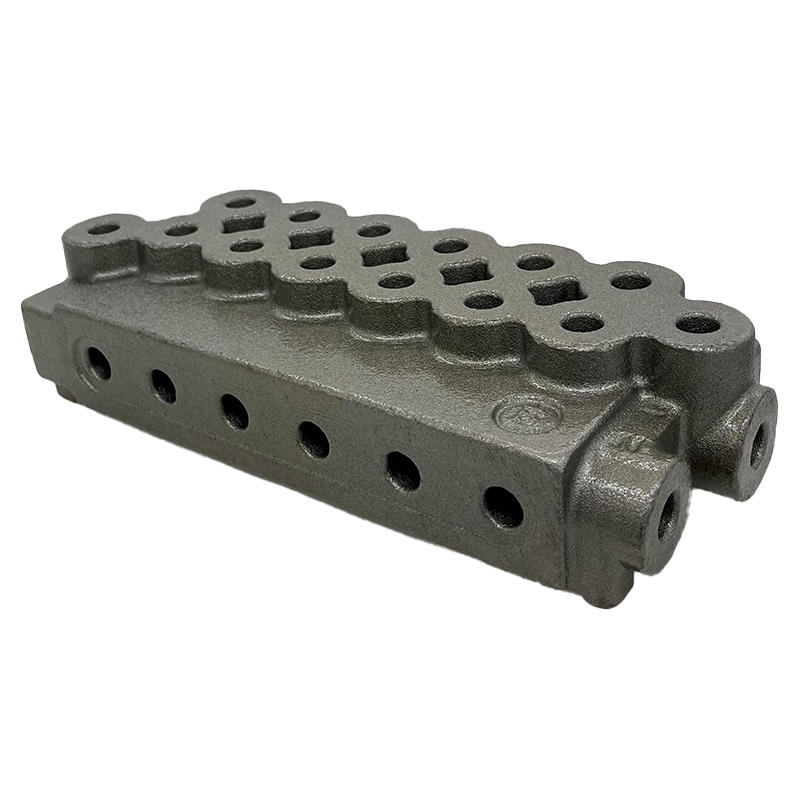
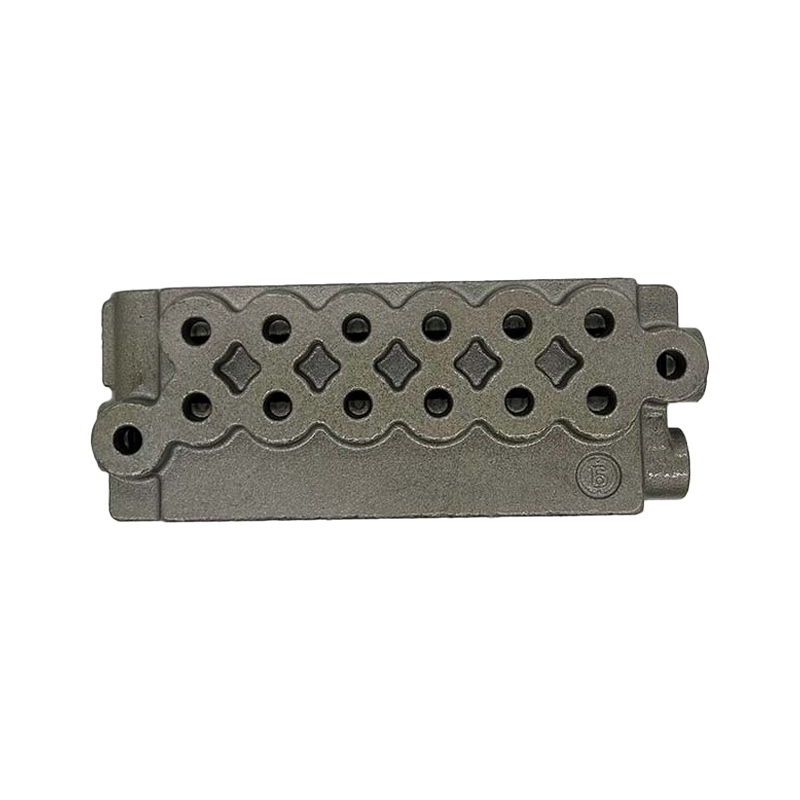
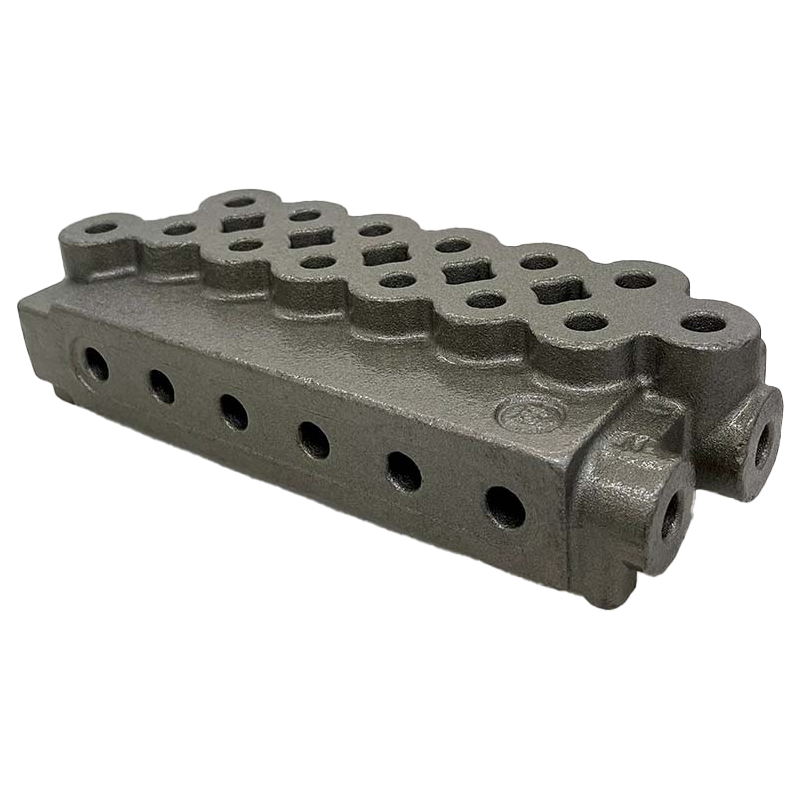
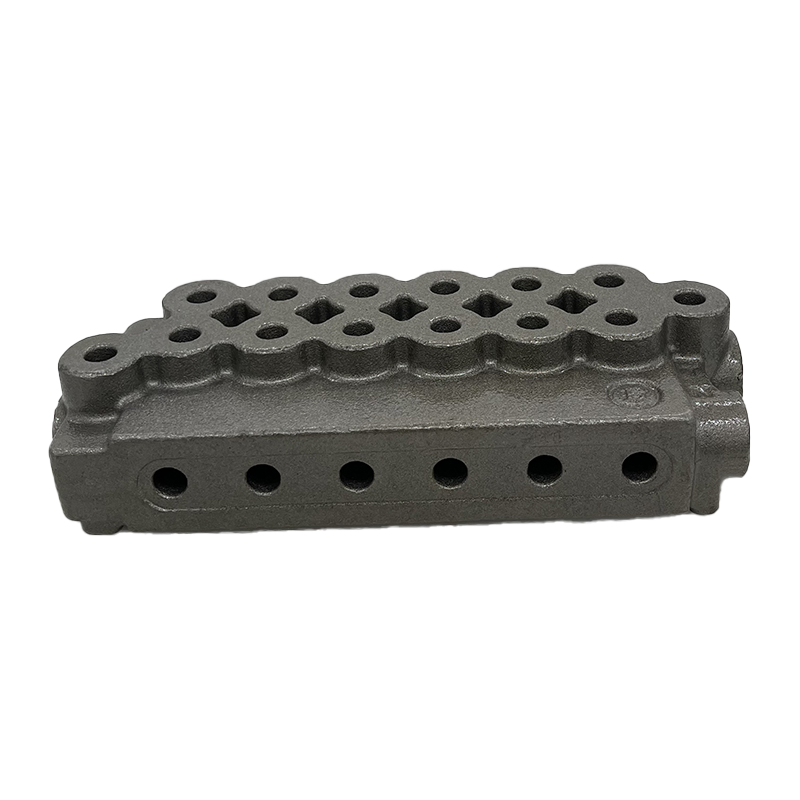
Product spotlight: P80-6 Multi-way Valve Castings
From Jichangzhuang Village, Ningjin County, Xingtai City, Hebei, China, the P80-6 Multi-way Valve Castings are built for corrosive or hygiene-sensitive hydraulics—think marine decks, food-grade equipment, chemical dosing skids. Many customers say they moved from plated carbon steel to stainless simply to stop fighting rust at the threads and seats.
| Spec | P80-6 Valve Castings (typ.) |
|---|---|
| Alloys | CF8/CF8M (304/316), optional 2205 duplex for chloride environments |
| Process | Investment casting (lost wax), ISO 8062 tolerance ≈ CT6–CT7 |
| Mechanical | Tensile 485–620 MPa; Hardness 150–220 HB (post-HT); real-world use may vary |
| Pressure envelope | Designed for hydraulic systems ≈ 25–31.5 MPa with proper wall stock and machining |
| Finish | As-cast Ra ≈ 6–12 μm; machined/shot-blasted; optional passivation |
| NDT | 100% dye penetrant on pressure boundaries; RT/UT per criticality class |
How it’s made (quick flow)
- Materials: CF8/CF8M ingots with certs; heat lot tracked; PMI verified.
- Methods: Wax injection → assembly → ceramic shell build → dewax → pour at ≈ 1,580–1,620°C → knockout.
- Heat treatment: Solution anneal; water quench for austenitics.
- Machining: Critical faces, threads, spool bores; fixture-controlled.
- Testing: DP per ASTM E165, RT per ASTM E446, hydrostatic seat test per ASME B16.34 guidelines (after machining).
- Service life: Often 10–15 years in clean hydraulic service; harsher media need duplex and better seals.
- Industries: Marine, food & beverage, chemical dosing, mobile hydraulics near salt spray.
Why what is cast stainless steel matters here
Compared with forged bodies, castings enable complex galleries and weight savings. In fact, I’ve seen manifold mass drop ≈ 12% just by re-routing cores. Downsides? Casting discipline—feeders, gating, and heat treat—must be on point to keep porosity out of seal lands.
Customization
Options include alloy swaps (316→duplex), bespoke logos, CT6-critical surfaces, electropolish for hygiene, and pressure test regimes per your spec. A European OEM told us the “DP at 5× dwell time” caught a hairline they’d missed elsewhere—small tweak, big save.
| Vendor | Lead Time | NDT Coverage | Certs | Price Index |
|---|---|---|---|---|
| Autolsty (Hebei) | ≈ 4–6 weeks after tooling | DP 100%, RT/UT per class | ISO 9001; IATF 16949 (on request) | 0.9–1.0 |
| Vendor X (EU) | ≈ 6–8 weeks | DP + selective RT | ISO 9001 | 1.2 |
| Vendor Y (SEA) | ≈ 5–7 weeks | DP 100% | ISO 9001 | 0.85–0.95 |
Case notes
- Marine deck crane: Switched to CF8M; salt-fog staining dropped dramatically; no leaks at 12 months.
- Food processor: Electropolished bores reduced media hang-up; cleaning cycle shortened ≈ 18%.
- Chemical dosing: Duplex body tolerated chlorides; customer feedback called it “set-and-forget.”
Bottom line: once you grasp what is cast stainless steel, you start specifying it where downtime hurts and corrosion lurks. Not everywhere, but in the right places, it pays for itself.
Authoritative citations
- ASTM A351/A351M – Standard Specification for Castings, Austenitic, for Pressure-Containing Parts.
- ISO 8062 – Geometrical product specifications (GPS) — Dimensional and geometrical tolerances for castings.
- ASTM E446/E186/E280 – Reference Radiographs for Steel Castings.
- ASME B16.34 – Valves—Flanged, Threaded, and Welding End (pressure testing guidance).
- NACE MR0175/ISO 15156 – Materials for use in H2S-containing environments in oil and gas production.
-
Choosing the Right Bucket Truck Hydraulic Pump for Aerial LiftsNewsApr.16,2026
-
Ultimate Guide to Selecting a bi directional hydraulic pumpNewsApr.09,2026
-
Comprehensive Guide to Backhoe Hydraulic Pump Selection and MaintenanceNewsApr.07,2026
-
Comprehensive Guide to Hydraulic Pumps Types Applications and MaintenanceNewsApr.04,2026
-
Reliable Zetor Water Pump - Durable Cooling Solutions for Industrial EquipmentNewsJan.04,2026
-
Engine Water Pump Diagram – Durable & Efficient Solutions by AutolstyNewsJan.03,2026
-
Engine Water Pump Function: Essential Insights from Industry ExpertsNewsJan.03,2026


 English
  Afrikaans
  Arabic
  Belarusian
  Bulgarian
  Esperanto
  French
  German
  Kazakh
  Polish
  Portuguese
  Romanian
  Russian
  Spanish
  Tajik
Tajik  Turkish
  Turkmen
  Ukrainian
  Uzbek
Uzbek  Vietnamese