






Tractor Hydraulic Valve: Essential Guide for Modern Agricultural Machinery
Back to listUnderstanding Tractor Hydraulic Valve: The Heartbeat of Modern Farming Machinery
Tractor hydraulic valves — sounds a bit niche, right? But these humble components are actually vital in the global agriculture industry, affecting everything from crop yields to sustainable farming strategies. As mechanized agriculture expands worldwide, especially in emerging economies, the efficiency and reliability of tractor hydraulic valves become crucial to keeping machinery responsive and productive. Frankly, understanding this component is key to appreciating how modern farms operate at scale while navigating challenges like resource scarcity and climate variability.
Introduction: The Global Relevance of Tractor Hydraulic Valve
Agriculture employs nearly 28% of the global workforce according to the United Nations Food and Agriculture Organization (FAO). A large portion of that workforce uses mechanized equipment daily, where tractor hydraulic valves serve as essential parts controlling hydraulic fluid flow — essentially managing power transmission in implements ranging from plows to harvesters.
Each year, millions of tractors rely on these valves to translate hydraulic pressure into motion, enabling consistent performance in varying terrains and climates. However, failure or poor maintenance of these valves often leads to costly downtime or inefficient fuel usage, something farmers worldwide definitely want to avoid.
What Is a Tractor Hydraulic Valve?
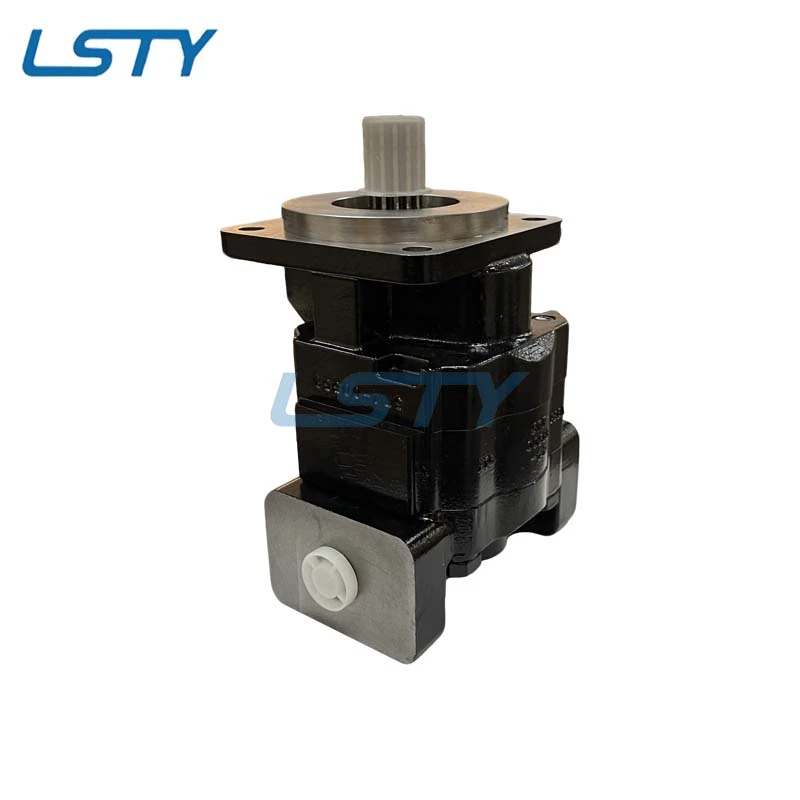
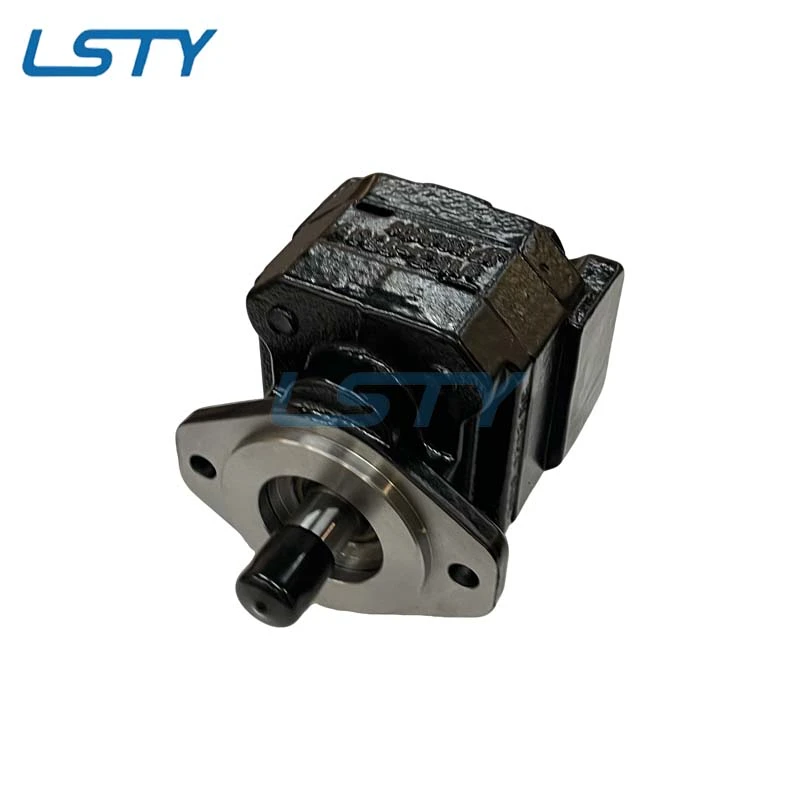
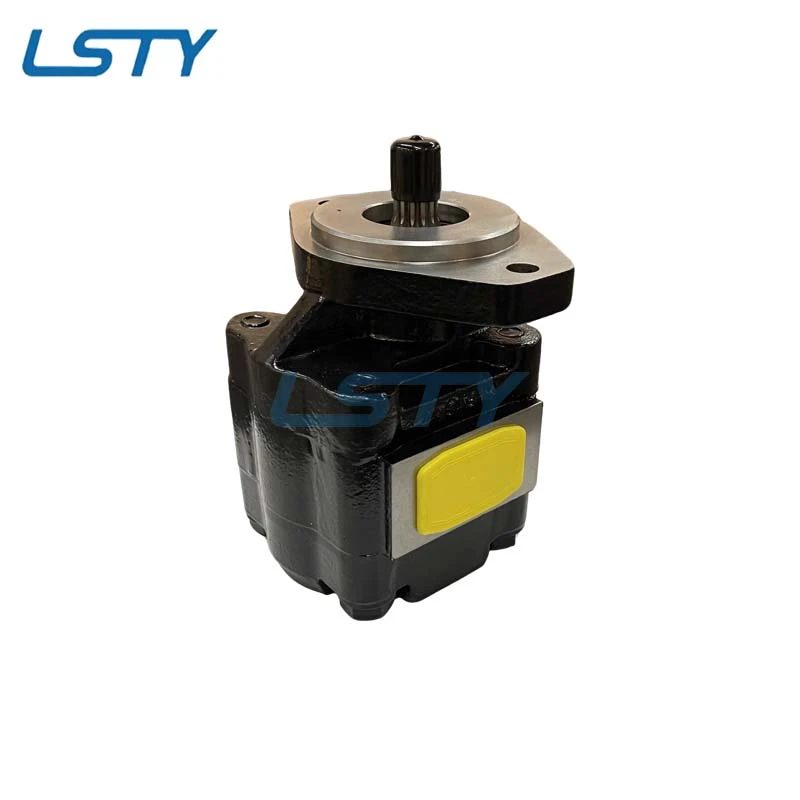
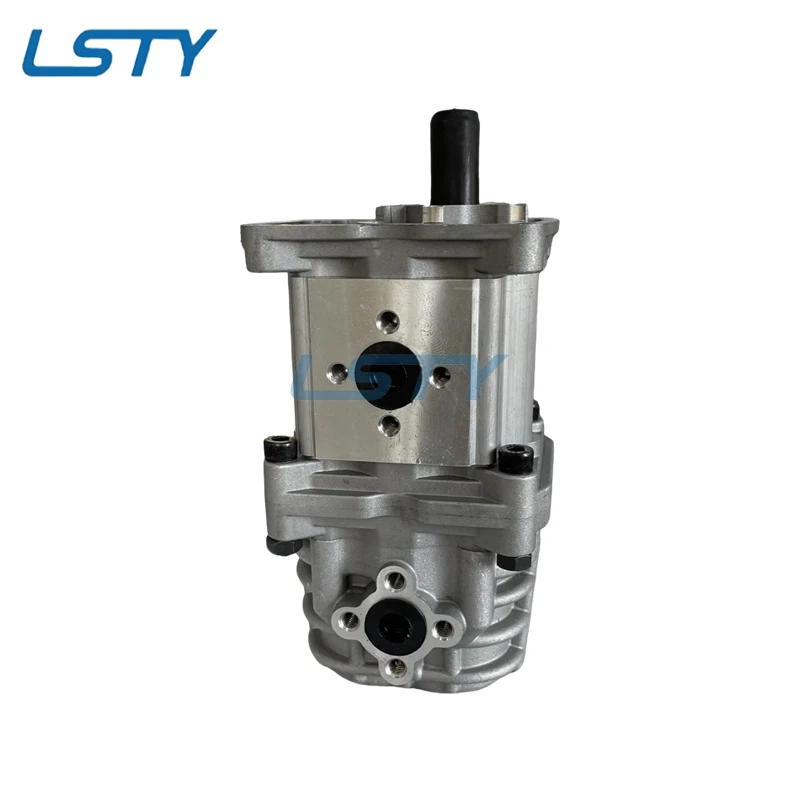
Simply put, a tractor hydraulic valve is a mechanical device that regulates the flow and direction of hydraulic fluid within the tractor’s hydraulic system. This fluid, under pressure, powers components like bucket arms, lift systems, and other attachments — making it indispensable for modern farming operations.
In humanitarian and industrial contexts, reliable hydraulic control can be a game changer. For example, disaster relief sites often rely on tractors equipped with hydraulic systems for debris removal or land preparation, underscoring how these valves indirectly contribute to rebuilding efforts.
Key Factors in Tractor Hydraulic Valve Performance
1. Durability
Given harsh working conditions, valves must resist wear, corrosion, and fatigue. Materials like hardened steel and advanced coatings improve lifespan — essential to reduce maintenance frequency and expenses.
2. Precision Control
Valves need to offer fine control over fluid flow to ensure smooth, accurate movement of implements — crucial for delicate tasks like planting or spraying.
3. Ease of Maintenance
From design simplicity to modularity, easy access facilitates faster repair and less downtime, which farmers deeply appreciate during peak seasons.
4. Compatibility
With a variety of tractor brands and attachment types, valves must be adaptable or available in tailored versions to fit different hydraulic circuits.
5. Cost Efficiency
A balance between upfront cost and long-term reliability matters, especially for smallholders in developing countries buying tractors as big investments.
Takeaway:
In essence, durability, precision, and maintainability form the backbone of what makes a tractor hydraulic valve worth its salt.
Tractor Hydraulic Valve Specifications
| Specification | Typical Value | Notes |
|---|---|---|
| Operating Pressure | Up to 250 bar (3600 psi) | Suitable for medium to heavy-duty tractors |
| Flow Rate | 30-60 L/min | Depends on valve size and type |
| Material | Hardened Steel, Brass alloys | Corrosion and wear resistant |
| Valve Types | Spool, Ball, Check Valves | Varies by function |
| Temperature Range | -20°C to +80°C | Typical operational limits |
Comparing Leading Tractor Hydraulic Valve Vendors
| Vendor | Price Range (USD) | Warranty | Global Reach | Special Features |
|---|---|---|---|---|
| HydroTech Inc. | $150 - $300 | 2 years | North America, Europe | Eco-friendly coatings |
| AgriValve Systems | $120 - $280 | 3 years | Asia, Africa | Customizable valve sizes |
| GlobalHydraulics | $180 - $350 | 1 year | Worldwide | Integrated digital diagnostics |
Global Applications & Use Cases of Tractor Hydraulic Valves
Tractor hydraulic valves aren't just factory components—they're living parts of a global ecosystem. In North American cornfields, they're turning massive planters. Across the rice paddies of Southeast Asia, they're enabling precise transplanting. Oddly enough, these valves also find their way into remote mining outposts in Africa, helping move earth and resources where manual labor alone would be impossible.
In post-disaster relief operations, such as after floods or hurricanes, tractors equipped with functional hydraulic valves perform critical tasks like clearing debris, leveling terrain, and enabling construction activities. This illustrates the downstream humanitarian impact of a seemingly technical element.
Advantages & Long-Term Value
- Cost Savings: Durable valves decrease maintenance costs and downtime.
- Sustainability: Efficient hydraulic flow translates to reduced fuel consumption.
- Social Impact: Reliable machinery supports stable food production and rural livelihoods.
- Safety & Trust: Precise controls reduce operator error and fatigue, fostering safer work environments.
Looking Ahead: Future Trends & Innovations
As we head further into the 2020s, expect tractor hydraulic valves to evolve with smart technologies. Digital sensors embedded in valves promise real-time diagnostics and predictive maintenance—cutting unexpected failures by alerting operators early. Additionally, green energy integration nudges designs toward more eco-friendly materials and lower-leakage systems.
Challenges & Solutions
Despite advancements, hydraulic valves still face issues with contamination and component wear, especially in dusty or muddy field conditions. Some manufacturers are innovating with better filtration systems and using synthetic fluids with improved viscosity. Training farmers on proper maintenance also remains a practical way to maximize valve longevity.
FAQ: Frequently Asked Questions About Tractor Hydraulic Valve
- What are the signs of a failing tractor hydraulic valve?
- Common indicators include sluggish implement response, unusual noises, or hydraulic fluid leaks. Regular inspection helps detect such problems early.
- Can tractor hydraulic valves be repaired onsite?
- Minor issues like cleaning or seal replacement may be done on the farm, but major repairs usually require professional servicing for safety and precision.
- How do hydraulic valves affect fuel efficiency?
- Efficient valves minimize hydraulic fluid leakage and pressure loss, directly influencing engine load and, consequently, fuel consumption.
- Are there universal hydraulic valves for all tractors?
- Not exactly—compatibility varies by make and model. However, some manufacturers produce adaptable valves or offer customization to fit different systems.
- Where can I find high-quality tractor hydraulic valves?
- Trusted vendors specializing in agricultural equipment and aftermarket parts, such as tractor hydraulic valve suppliers, are good starting points.
Conclusion
Tractor hydraulic valves might be the unsung heroes of agricultural machinery, but their impact is profound—touching everything from economic efficiencies to global food security. As the farming industry confronts climate change and resource limitations, these valves’ role in enabling sustainable, resilient agriculture only grows in importance. For anyone invested in modern farming tools, diving deeper into how hydraulic valves work is well worth it.
If you want to explore more about tractors and hydraulic components, don't hesitate to visit our website: https://www.autolsty.com.
Reflecting on this, I find it incredible how small parts like valves become pivot points for entire food systems. It’s a reminder that innovation often lives in the details.
References
-
Choosing the Right Bucket Truck Hydraulic Pump for Aerial LiftsNewsApr.16,2026
-
Ultimate Guide to Selecting a bi directional hydraulic pumpNewsApr.09,2026
-
Comprehensive Guide to Backhoe Hydraulic Pump Selection and MaintenanceNewsApr.07,2026
-
Comprehensive Guide to Hydraulic Pumps Types Applications and MaintenanceNewsApr.04,2026
-
Reliable Zetor Water Pump - Durable Cooling Solutions for Industrial EquipmentNewsJan.04,2026
-
Engine Water Pump Diagram – Durable & Efficient Solutions by AutolstyNewsJan.03,2026
-
Engine Water Pump Function: Essential Insights from Industry ExpertsNewsJan.03,2026


 English
  Afrikaans
  Arabic
  Belarusian
  Bulgarian
  Esperanto
  French
  German
  Kazakh
  Polish
  Portuguese
  Romanian
  Russian
  Spanish
  Tajik
Tajik  Turkish
  Turkmen
  Ukrainian
  Uzbek
Uzbek  Vietnamese