






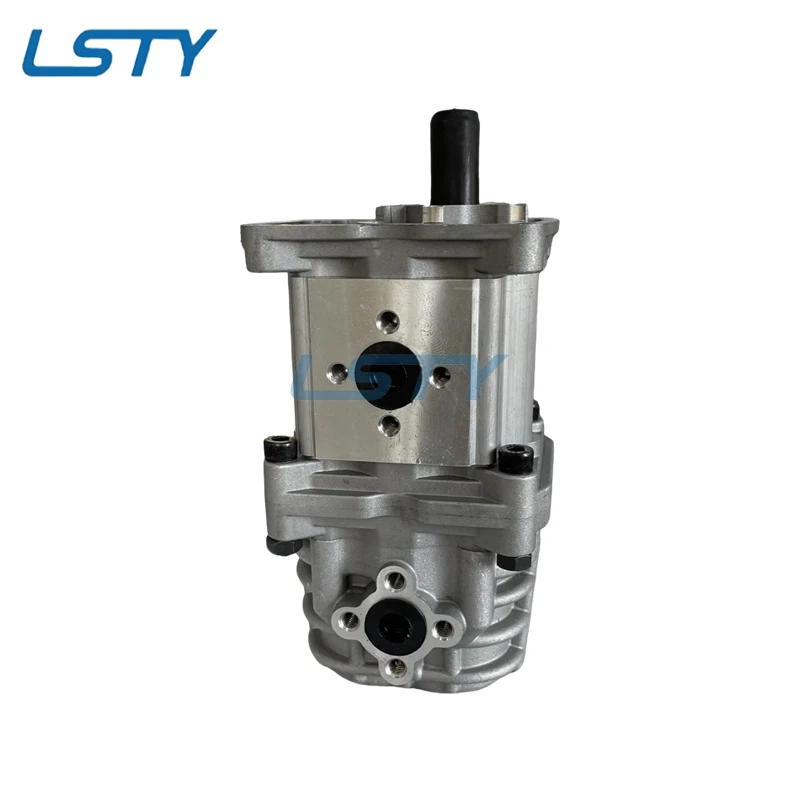
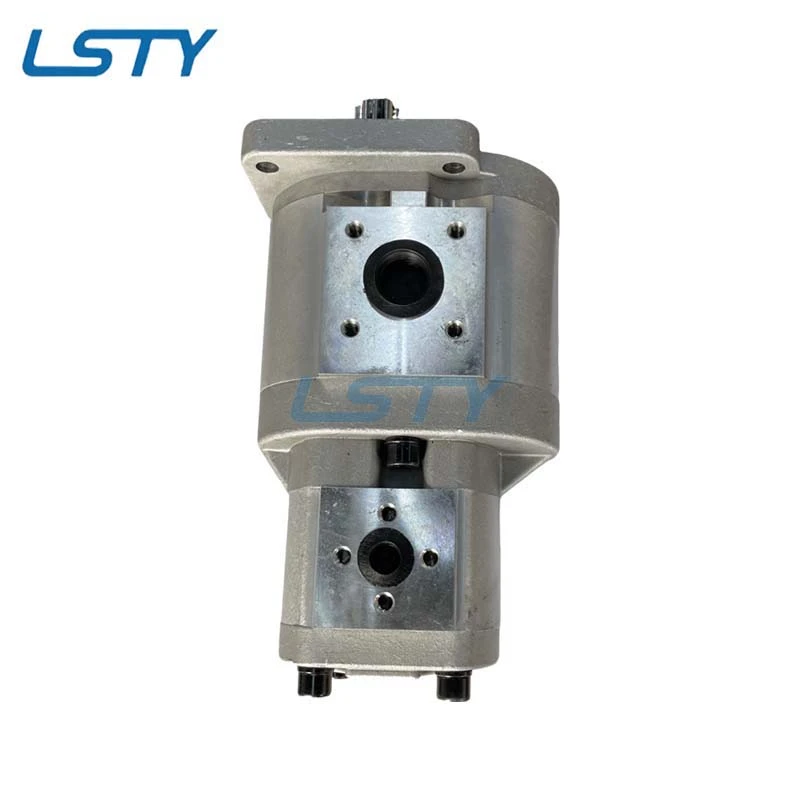
In the bustling world of construction, hydraulic pump power units are the unsung heroes powering construction vehicles. These units are the heart of a vehicle's hydraulic system, converting mechanical energy into hydraulic energy to drive various operations. From excavators digging deep foundations to loaders moving heavy materials, a reliable hydraulic pump power unit is essential for seamless performance. It works in tandem with other components, such as the steering unit and power steering unit, to ensure that construction vehicles can handle complex tasks with precision and efficiency. Without it, these massive machines would be rendered useless, unable to perform the heavy-duty jobs that keep construction projects on track.
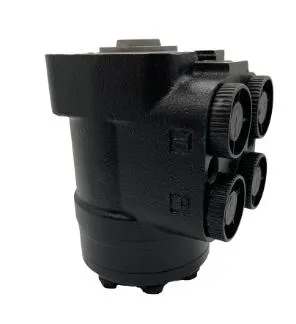
How Hydraulic Pump Power Unit Drives Construction Vehicles
The hydraulic pump power unit operates on a simple yet highly effective principle. It uses a pump to create pressure in the hydraulic fluid, which then flows through the system to actuate different components. For example, when an operator of a construction vehicle engages the controls, the hydraulic pump power unit sends pressurized fluid to the cylinders or motors that move the vehicle's arms, buckets, or other attachments. In the case of steering, the power steering unit, which is often integrated with the hydraulic pump power unit, receives the hydraulic fluid to assist in turning the wheels. This hydraulic power amplification allows operators to effortlessly maneuver heavy construction vehicles, even in tight spaces or challenging terrains.
The Integral Role of Steering Unit in Hydraulic Systems
The steering unit is a crucial part of the hydraulic system in construction vehicles, closely linked to the hydraulic pump power unit. In traditional steering systems, turning the steering wheel required significant physical effort, especially in large vehicles. However, with the advent of the power steering unit, things have changed dramatically. The hydraulic pump power unit supplies hydraulic fluid to the power steering unit, which uses this fluid pressure to reduce the effort needed to turn the wheels. This integration not only improves the operator's comfort but also enhances the vehicle's maneuverability. Whether it's making sharp turns on a construction site or navigating rough roads, the steering unit, powered by the hydraulic pump power unit, ensures smooth and responsive steering.
Types of Hydraulic Pump Power Units for Construction Vehicles
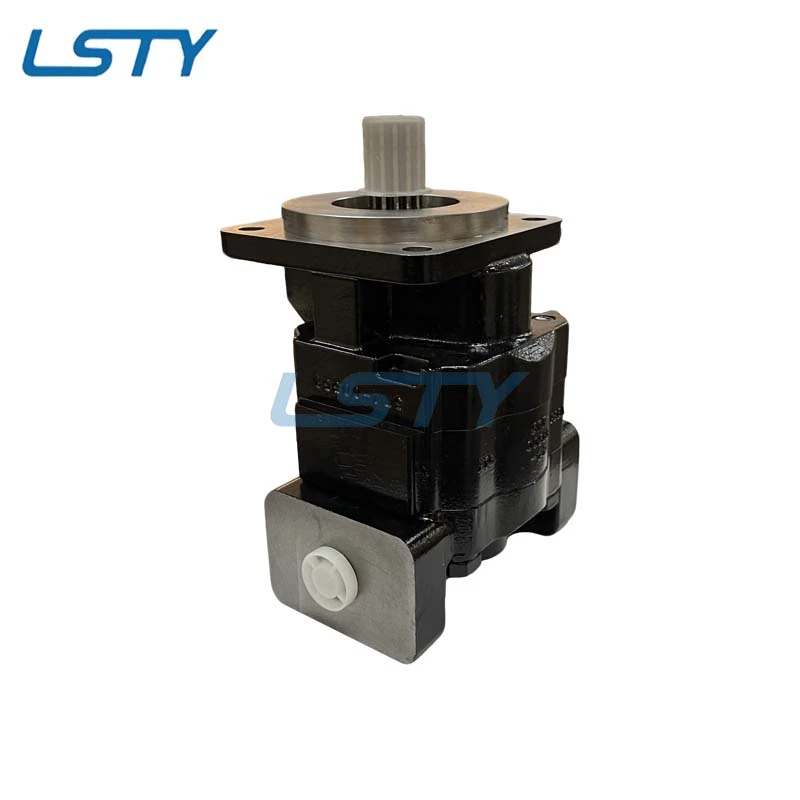
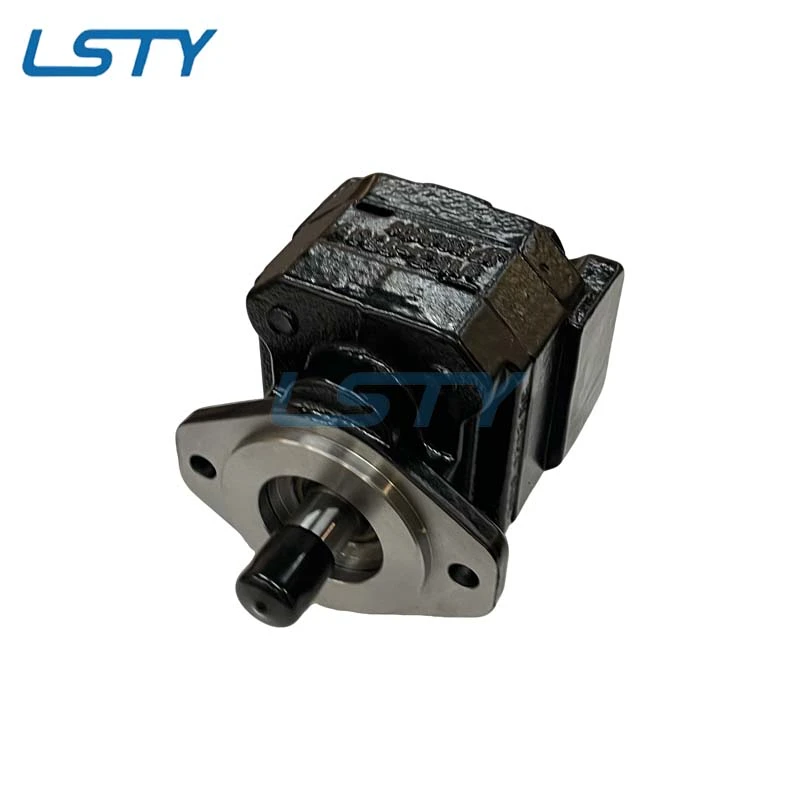
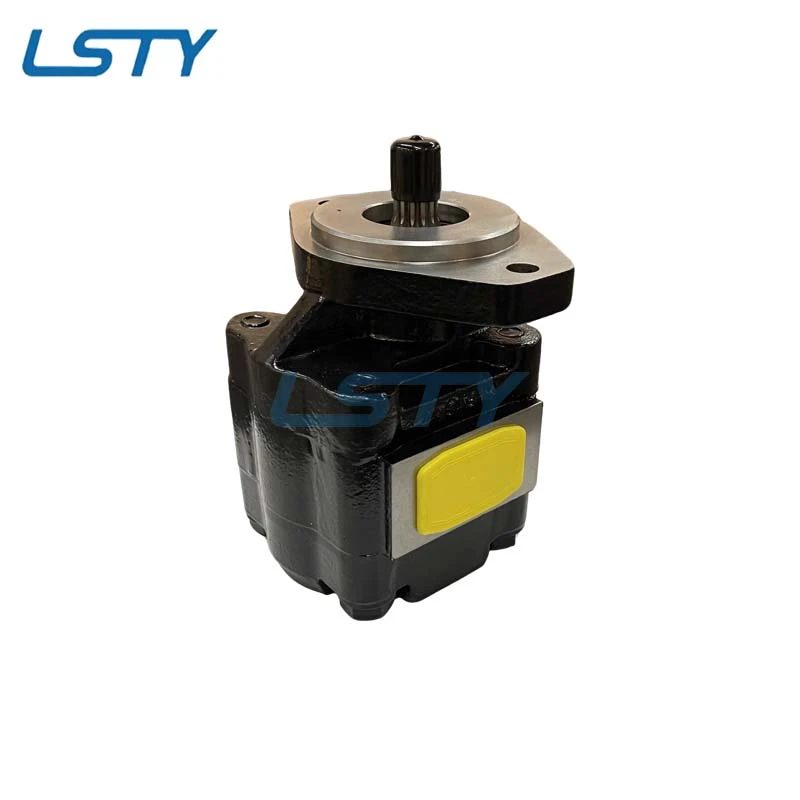
There are several types of hydraulic pump power units available for construction vehicles, each designed to meet different operational requirements. One common type is the gear pump-based hydraulic pump power unit. Gear pumps are known for their simplicity, durability, and ability to handle a wide range of hydraulic fluids. They are often used in applications where a consistent flow of hydraulic fluid is needed, such as in basic steering and lifting operations. Another type is the piston pump-based hydraulic pump power unit. Piston pumps offer higher pressure capabilities and better efficiency, making them suitable for more demanding tasks like heavy-duty lifting and precise positioning of construction vehicle attachments.
Hydraulic Pump Power Unit FAQS
What Causes Leaks in Hydraulic Pump Power Units?
Leaks in hydraulic pump power units can occur due to several reasons. One of the main culprits is worn-out seals. Over time, the seals that prevent hydraulic fluid from leaking out can degrade due to constant pressure, friction, and exposure to heat. Another cause is damaged hoses or fittings. Rough handling during operation or vibrations from the construction vehicle can lead to cracks or loose connections in the hosing system, resulting in fluid leaks. Additionally, improper installation of the hydraulic pump power unit can also cause leaks, as incorrect positioning or tightening of components may create gaps for the fluid to escape.
How Does a Power Steering Unit Fail?
A power steering unit can fail for multiple reasons. One common issue is a lack of hydraulic fluid. If the fluid level drops too low, the power steering unit won't receive enough pressure to assist with steering, making it difficult for the operator to turn the wheels. Another cause of failure is a malfunctioning pump within the hydraulic pump power unit. If the pump fails to generate sufficient pressure, the power steering unit won't function properly. Additionally, contamination in the hydraulic fluid can clog the valves and passages within the power steering unit, disrupting the flow of fluid and leading to its failure.
Can a Hydraulic Pump Power Unit Be Repaired?
Yes, a hydraulic pump power unit can often be repaired. Minor issues like replacing worn-out seals or fixing loose fittings can usually be done on-site by a trained technician. However, more complex problems, such as a damaged pump or internal component failure, may require the unit to be removed and sent to a specialized repair facility. In some cases, if the damage is extensive or the unit is too old, it might be more cost-effective to replace the hydraulic pump power unit entirely. Regular maintenance and early detection of problems can increase the chances of successful repairs and extend the lifespan of the unit.
How Often Should I Service My Hydraulic Pump Power Unit?
The frequency of servicing your hydraulic pump power unit depends on how often the construction vehicle is used and the operating conditions. For vehicles that are used intensively on a daily basis, it's recommended to have a comprehensive service every 500 to 1000 operating hours. This service should include checking the hydraulic fluid level and quality, inspecting the hoses and fittings for leaks or damage, and ensuring that all components of the hydraulic pump power unit, including the steering unit is functioning properly. For less frequently used vehicles, an annual service is usually sufficient to keep the unit in good working condition.
What's the Difference Between a Steering Unit and a Power Steering Unit?
The main difference between a steering unit lies in their functionality. A traditional steering unit relies solely on the operator's physical strength to turn the wheels of the construction vehicle. This hydraulic assistance reduces the effort required by the operator, making it much easier to maneuver the vehicle, especially at low speeds or when carrying heavy loads. While both units serve the purpose of steering the vehicle, the power steering unit offers enhanced comfort, efficiency, and control compared to a standard steering unit.
-
Choosing the Right Bucket Truck Hydraulic Pump for Aerial LiftsŞtiriApr.16,2026
-
Ultimate Guide to Selecting a bi directional hydraulic pumpŞtiriApr.09,2026
-
Comprehensive Guide to Backhoe Hydraulic Pump Selection and MaintenanceŞtiriApr.07,2026
-
Comprehensive Guide to Hydraulic Pumps Types Applications and MaintenanceŞtiriApr.04,2026
-
245-1307010-A1-01 Water Pump for MTZ Tractors | HEBOE LONGSHENGTENGYU PUMP INDUSTRY CO., LTDŞtiriApr.01,2026
-
Reliable Zetor Water Pump - Durable Cooling Solutions for Industrial EquipmentŞtiriJan.04,2026
-
Engine Water Pump Diagram – Durable & Efficient Solutions by AutolstyŞtiriJan.03,2026


 Romanian
  English
  Afrikaans
  Arabic
  Belarusian
  Bulgarian
  Esperanto
  French
  German
  Kazakh
  Polish
  Portuguese
  Russian
  Spanish
  Tajik
Tajik  Turkish
  Turkmen
  Ukrainian
  Uzbek
Uzbek  Vietnamese