






What is Casting in Metal? A Field Note from Hydraulic Hardware
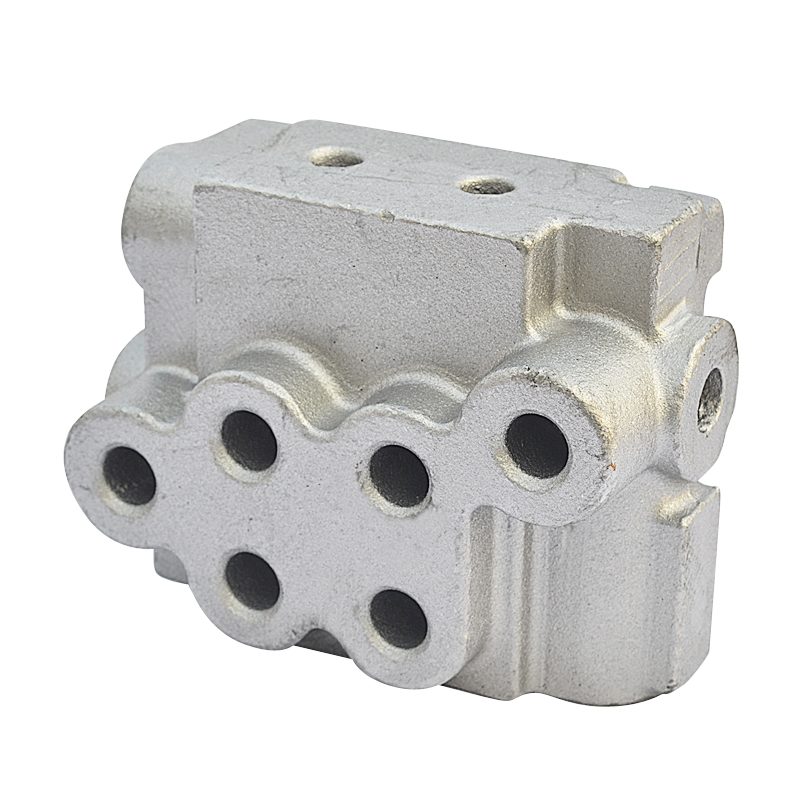
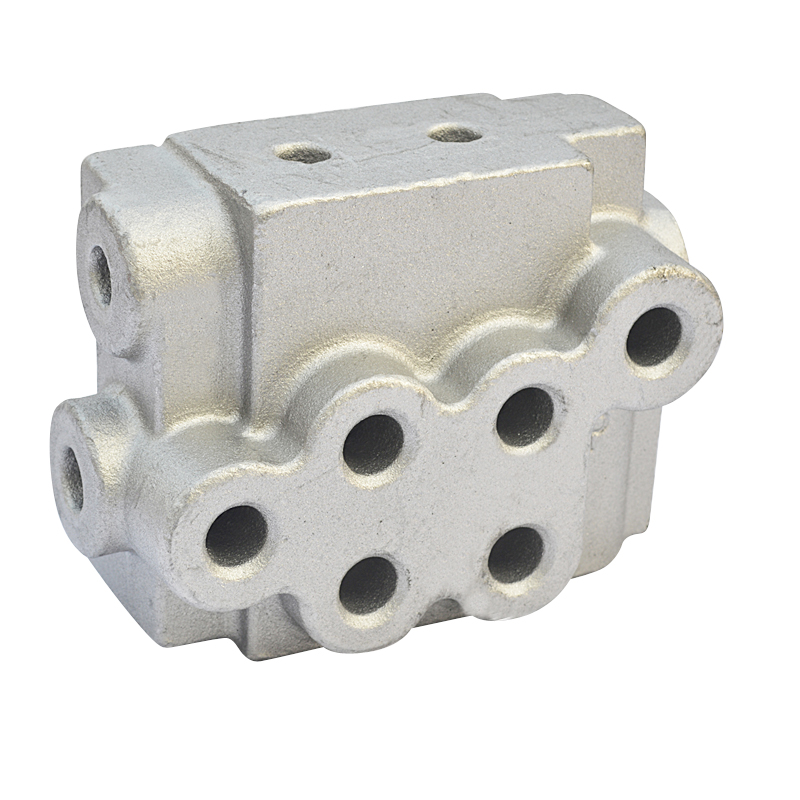
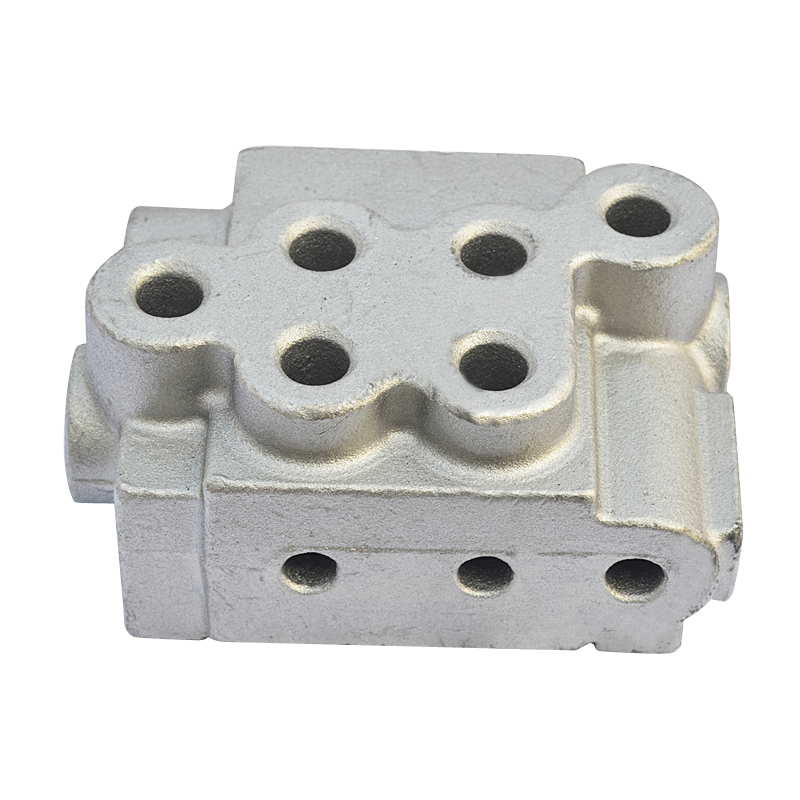
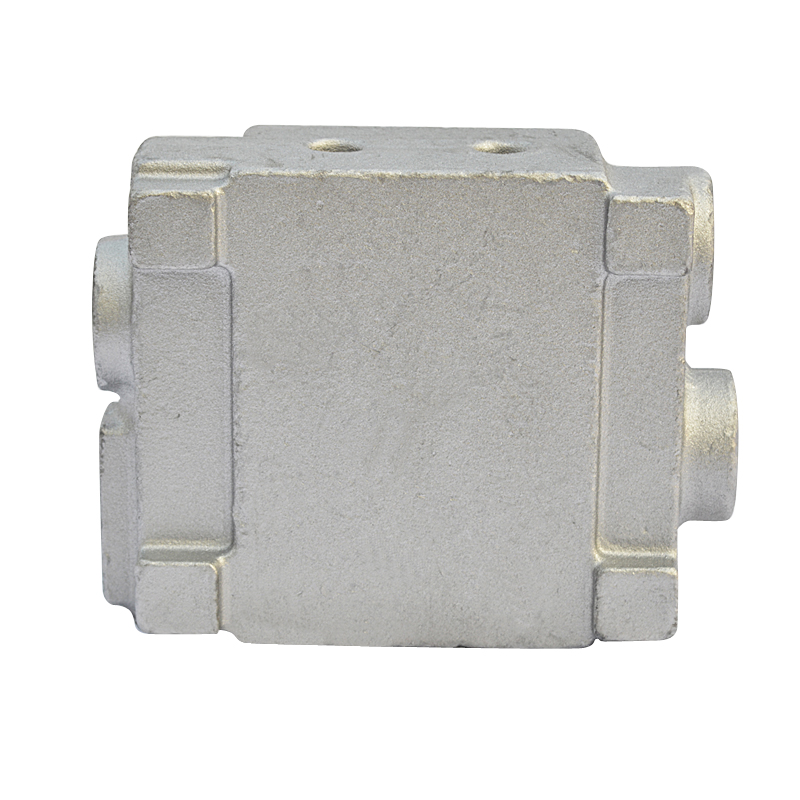
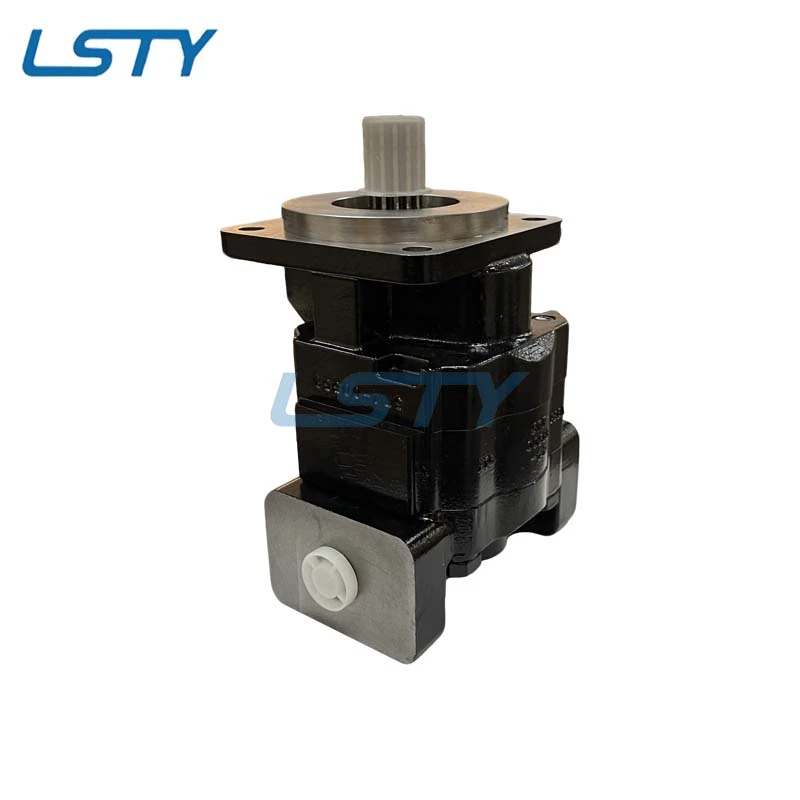
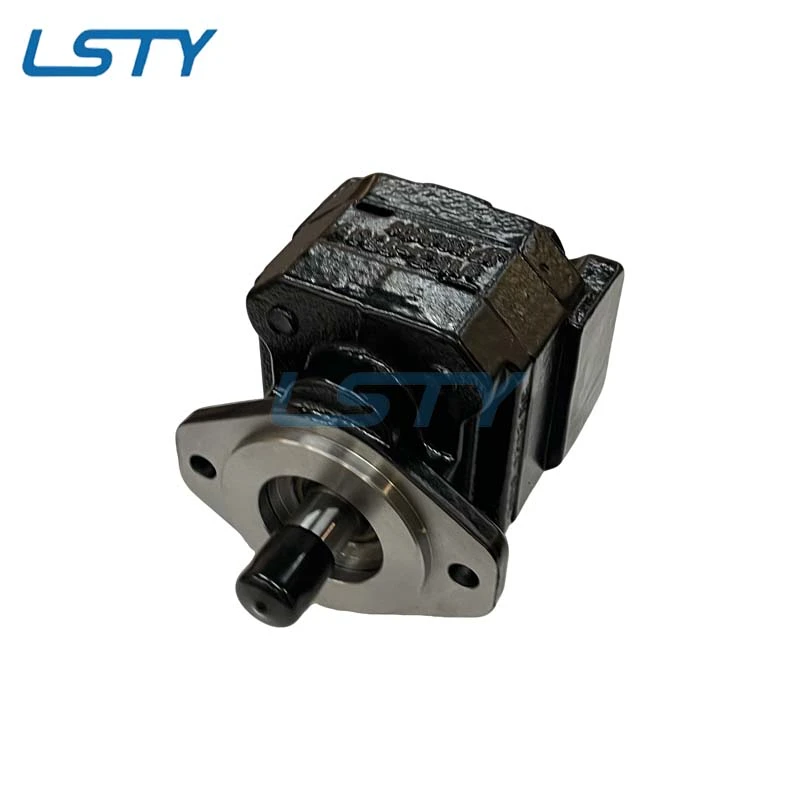
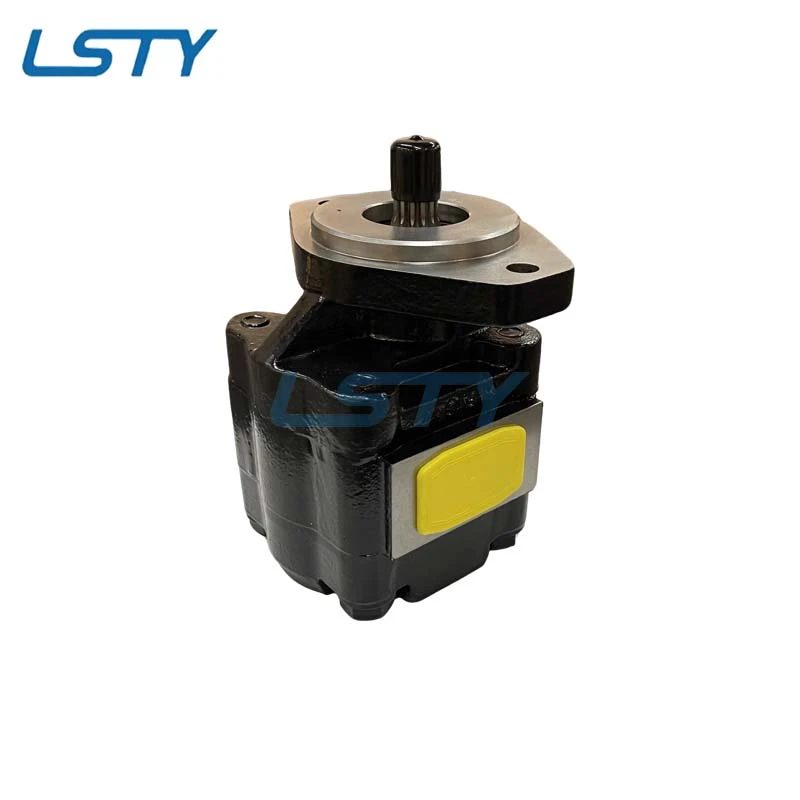
If you work around hydraulic equipment, you meet cast parts every day—quietly doing the hard work. When folks ask me what is casting in metal, I usually point to the valve bodies on an excavator or a farm tractor and say: “That.” Specifically, the P40-2 Hydraulic multi-way valve castings—born in sand molds, machined to fine tolerances, and pressure-tested until they prove themselves. Short Description: rugged valve-body castings engineered for multi-spool hydraulic control.
Quick primer: the real work behind castings
Casting is the process of pouring molten metal into a mold to achieve a near-net shape—then letting solidification do the sculpting. In hydraulic valve bodies, designers choose ductile iron or cast steel for their strength-to-cost ratio, damping characteristics, and machinability. You’ll hear shop talk about gating, risers, cores, modulus, and cooling curves. It matters—porosity, shrink, and inclusion control separate a good casting from a paperweight. To be honest, many customers say the difference shows up months later, in leakage rates and spool feel under heat.
Process flow (field-proven)
- Materials: commonly ductile iron (≈ EN-GJS-450-10 / ASTM A536 65-45-12) or cast steel (≈ ASTM A216 WCB) depending on pressure and impact needs.
- Methods: green-sand or resin-sand casting for valve bodies; investment casting for finer passages; heat treatment as required.
- Machining: CNC boring, honing of spool bores, flatness control of mounting faces, thread integrity checks.
- Testing: chemical analysis (spectro), mechanical testing (tensile/impact), hardness (HBW per ISO 6506-1), NDT (VT/MT/UT as specified), and hydrostatic pressure test (typically 1.5× rated pressure, real-world use may vary).
- Service life: around 10–15 years in mobile hydraulics when protected from corrosion and shock loads; spools and seals usually define maintenance intervals.
- Industries: off-road machinery, agricultural equipment, industrial presses, marine hydraulics, municipal vehicles.
Product snapshot: P40-2 Hydraulic multi-way valve castings
| Parameter | Typical Spec (≈) |
|---|---|
| Material options | Ductile iron EN-GJS-450-10 / ASTM A536; Cast steel ASTM A216 WCB |
| Casting process | Resin-sand; optional investment casting for tight passages |
| Dimensional tolerance | ISO 8062-3 CT8–CT10 (as-cast); machining to drawing |
| Hardness (ductile iron) | ≈ 170–210 HBW |
| Pressure proof test | 1.5× rated working pressure; hold and leak check |
| Surface finish | As-cast shot-blast; machined Ra ≤ 1.6–3.2 μm |
Customization and real-world use
Engineers often tweak port geometry, ribbing, and wall sections to balance flow, stiffness, and weight. I’ve seen customers request thicker bosses to survive wrench abuse (happens more than we admit). Typical customizations: special threads (BSPP/NPTF/metric), corrosion coatings, serialized traceability, and pressure-test signatures saved to PDF. Feedback? “Runs cooler at duty” and “no seepage after summer harvest” are common lines.
Vendor landscape (my practical take)
| Vendor | Core strengths | Lead time (≈) | Certs |
|---|---|---|---|
| Autolsty (Hebei, China) | Hydraulic valve castings, pressure testing, machining-in-house | 4–8 weeks after tooling | ISO 9001 (typical for category) |
| Regional Foundry A | Small-batch prototyping, quick tooling revisions | 3–6 weeks | ISO 9001/14001 |
| Global Supplier B | High-volume automation, multi-plant sourcing | 6–12 weeks | IATF 16949 |
Case note and origin
A farm-equipment OEM I visited moved to resin-sand ductile iron with tighter riser control; reported scrap fell by ≈18% and pressure failures disappeared in PPAP. Not magic—just better feeding and bore finish. For those asking where these castings come from: Jichangzhuang Village, Ningjin County, Xingtai City, Hebei, China. It’s a place where people still care about getting the pour right.
If someone on your team asks again about what is casting in metal, you can say: it’s how we turn molten intent into durable hydraulics—and why your loader keeps lifting when the heat’s on.
Standards and references
- ASTM A536 – Standard Specification for Ductile Iron Castings.
- ISO 8062-3 – Geometrical tolerancing of castings, dimensional tolerances.
- ASTM A370 – Standard Test Methods for Mechanical Testing of Steel Products.
- ISO 6506-1 – Metallic materials—Brinell hardness test.
- ISO 9001 – Quality management systems—Requirements.
Note: Specifications shown are typical for this class of product; final values follow customer drawings and test plans.
-
Choosing the Right Bucket Truck Hydraulic Pump for Aerial LiftsNewsApr.16,2026
-
Ultimate Guide to Selecting a bi directional hydraulic pumpNewsApr.09,2026
-
Comprehensive Guide to Backhoe Hydraulic Pump Selection and MaintenanceNewsApr.07,2026
-
Comprehensive Guide to Hydraulic Pumps Types Applications and MaintenanceNewsApr.04,2026
-
Reliable Zetor Water Pump - Durable Cooling Solutions for Industrial EquipmentNewsJan.04,2026
-
Engine Water Pump Diagram – Durable & Efficient Solutions by AutolstyNewsJan.03,2026
-
Engine Water Pump Function: Essential Insights from Industry ExpertsNewsJan.03,2026


 English
  Afrikaans
  Arabic
  Belarusian
  Bulgarian
  Esperanto
  French
  German
  Kazakh
  Polish
  Portuguese
  Romanian
  Russian
  Spanish
  Tajik
Tajik  Turkish
  Turkmen
  Ukrainian
  Uzbek
Uzbek  Vietnamese