






Understanding Castings: A Comprehensive Definition and Industrial Overview
In industrial manufacturing, the term castings definition refers to objects formed by pouring molten material into a mold, allowing it to solidify, and then removing the solidified part from the mold. This fundamental manufacturing process has been pivotal across countless industries for millennia, evolving from ancient craft to a highly sophisticated, precision-driven engineering discipline. Castings are crucial for producing complex shapes that would be difficult or uneconomical to achieve through other methods like forging or machining. The versatility of casting allows for a wide range of materials, from ferrous and non-ferrous metals to plastics and ceramics, making it indispensable for components requiring specific mechanical properties, intricate geometries, or large production volumes.
The utility of castings spans from engine blocks and intricate aerospace components to plumbing fixtures and artistic sculptures. Modern casting techniques offer unparalleled control over material microstructure, dimensional accuracy, and surface finish, addressing the rigorous demands of sectors like automotive, aerospace, energy, and infrastructure. This article delves into the intricate processes, technical specifications, and expansive applications of industrial castings, providing a comprehensive guide for B2B decision-makers and engineering professionals.
Detailed Manufacturing Process of Industrial Castings
The manufacturing process for industrial castings definition is a multi-stage, meticulously controlled sequence designed to produce components with specific metallurgical and mechanical properties. While the core principle remains consistent, variations exist based on material, complexity, and desired output.
Process Flow:
- Pattern Making: A pattern, an exact replica of the desired part (with allowances for shrinkage and machining), is created from wood, metal, plastic, or wax. This pattern is crucial for forming the mold cavity.
- Mold Creation:
- Sand Casting: The most common method. Sand (typically silica, chromite, or zircon) is mixed with a binder and compacted around the pattern. Once the pattern is removed, the sand forms the mold cavity. Cores (for internal features) are also made from sand.
- Die Casting: Used for non-ferrous metals (like what is cast aluminum or what is die cast aluminum). Molten metal is forced under high pressure into reusable metal dies (molds). This offers high precision and surface finish.
- Investment Casting (Lost Wax): A wax pattern is coated with refractory material to create a ceramic shell. The wax is then melted out, and molten metal is poured into the shell. This method yields excellent dimensional accuracy and surface finish for complex parts.
- Permanent Mold Casting: Molten metal is poured into reusable metal molds, often under gravity or low pressure. Offers good surface finish and mechanical properties.
- Melting and Pouring: Raw materials (e.g., pig iron, scrap steel, aluminum ingots) are melted in furnaces (induction, arc, or crucible furnaces). Careful control of temperature and alloy composition is vital. The molten metal is then poured into the prepared mold cavity.
- Solidification: The molten metal cools and solidifies within the mold. The cooling rate significantly impacts the microstructure and mechanical properties of the final casting.
- Shakeout/Demolding: Once solidified, the casting is removed from the mold. For sand castings, this involves breaking away the sand. For die or permanent mold castings, the mold is opened.
- Fettling and Finishing: Risers, gates, and runners (excess material used for feeding the mold during solidification) are removed. This often involves cutting, grinding, or abrasive blasting.
- Heat Treatment: Many castings undergo heat treatment (e.g., annealing, normalizing, quenching, tempering) to improve mechanical properties like strength, ductility, and hardness, or to relieve internal stresses.
- Machining (CNC): For components requiring tight tolerances or specific surface finishes, additional machining (e.g., CNC milling, turning, drilling) is performed.
- Testing and Inspection: Strict quality control measures are implemented throughout the process, adhering to standards like ISO 9001, ASTM, ANSI, and DIN. This includes dimensional inspection, non-destructive testing (NDT) such as X-ray, ultrasonic, magnetic particle, and liquid penetrant inspection, as well as destructive testing for mechanical properties.
Product materials range widely, from various grades of cast iron (gray, ductile, malleable) and steel alloys (carbon, stainless, tool steels) to non-ferrous metals like aluminum alloys, copper alloys, and nickel-based superalloys. The service life of properly engineered castings can extend for decades, especially in critical applications with regular maintenance. Target industries include petrochemical, metallurgy, power generation, water supply & drainage, marine, and construction, where components must withstand extreme pressures, temperatures, and corrosive environments. Advantages in these scenarios include energy saving through optimized designs, superior corrosion resistance when appropriate alloys are selected, and enhanced structural integrity for demanding loads.
Industry Trends in Castings Manufacturing
The global castings definition industry is continuously evolving, driven by technological advancements, environmental regulations, and shifting market demands. Key trends impacting the sector include:
- Additive Manufacturing Integration: While not replacing traditional casting, 3D printing is increasingly used for rapid prototyping of patterns and core/mold creation, significantly reducing lead times and development costs for complex geometries. This hybrid approach optimizes the casting process.
- Advanced Materials: Demand for lightweight, high-strength materials (e.g., advanced aluminum alloys for what is cast aluminum and what is die cast aluminum, magnesium alloys, high-performance steels) continues to grow, particularly in automotive and aerospace for fuel efficiency and performance enhancement.
- Automation and AI: Robotic pouring, automated mold handling, and AI-driven quality inspection systems are enhancing efficiency, reducing labor costs, and improving consistency and safety in foundries. Predictive analytics are being applied to optimize furnace operations and reduce energy consumption.
- Sustainability and Green Foundry Practices: Stricter environmental regulations are pushing foundries towards more sustainable practices, including energy recovery, waste heat utilization, reduced emissions, and recycling of sand and metal scrap.
- Digitalization and Simulation: Advanced simulation software (e.g., for solidification, fluid flow, stress analysis) allows engineers to predict and optimize casting performance, identify potential defects, and refine mold designs before physical production, leading to higher first-time yield and reduced material waste.
- Supply Chain Resilience: Geopolitical shifts and global disruptions have emphasized the need for robust and diversified supply chains, leading to a renewed focus on localized production and strategic sourcing for critical components.
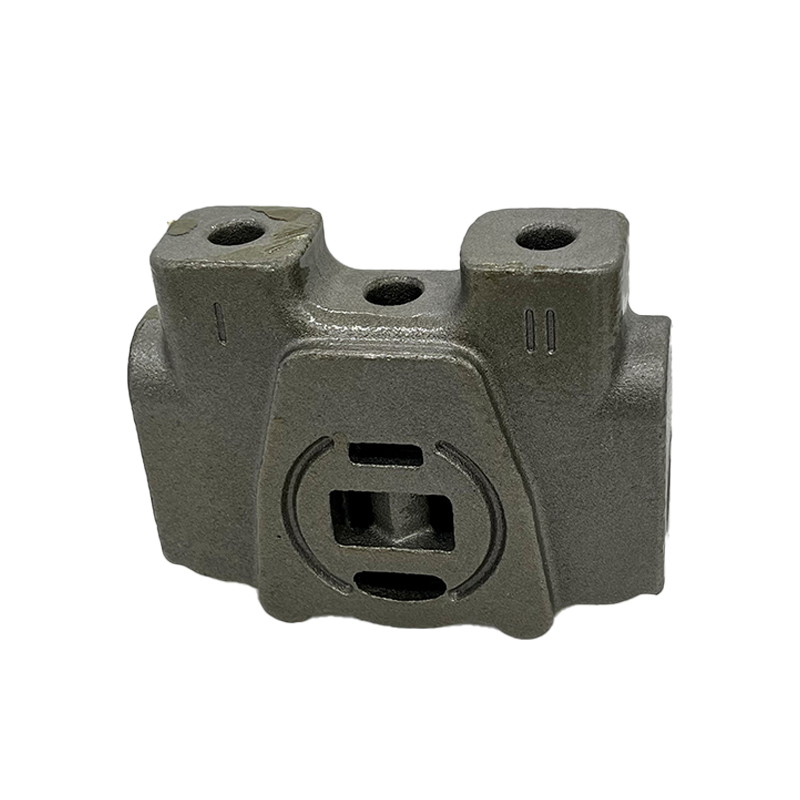
Technical Specifications: Product Highlight - Castings 517.02.00.01A2
Our flagship product, the Castings 517.02.00.01A2, exemplifies precision engineering and robust performance. This component is specifically designed for high-stress applications in corrosive environments, embodying the pinnacle of modern castings definition capabilities. It is produced using a specialized low-pressure die casting technique, ensuring superior material density and minimal porosity, critical for its intended industrial use.
| Parameter | Specification | Standard |
|---|---|---|
| Material | Aluminum Alloy A356-T6 (Heat Treated) | ASTM B179 / B108 |
| Casting Method | Low-Pressure Die Casting | Proprietary Process Control |
| Tensile Strength | 290 MPa (min.) | ASTM E8 |
| Yield Strength | 205 MPa (min.) | ASTM E8 |
| Elongation | 3.5% (min.) | ASTM E8 |
| Hardness | HB 70-90 | ASTM E10 |
| Dimensional Tolerance | ISO 8062-3 CT6-CT7 | ISO 8062-3 |
| Surface Roughness | Ra 3.2-6.3 µm (as-cast) | ISO 4287 |
| Corrosion Resistance | Excellent against saline environments, weak acids | ASTM B117 (Salt Spray) |
| Max Operating Temp. | 180°C | Internal Testing |
These specifications highlight the premium quality and performance capabilities of our Castings 517.02.00.01A2, ensuring reliability and longevity in critical applications. Our adherence to stringent international standards underscores our commitment to delivering superior components. For additional technical details or to explore our castings pdf documentation, please contact our engineering team.
Application Scenarios and Technical Advantages of Castings
The versatility of castings definition makes them indispensable across a broad spectrum of industries, providing robust and cost-effective solutions for complex component requirements.
Typical Application Scenarios:
- Petrochemical & Oil and Gas: High-pressure valve bodies, pump housings, compressor components, and pipe fittings designed to withstand corrosive fluids and extreme temperatures. Cast stainless steels and nickel alloys are common.
- Metallurgy & Mining: Heavy-duty crusher parts, mill liners, gearboxes, and furnace components requiring exceptional wear resistance and strength against abrasive materials. High-manganese steels and heat-resistant alloys are frequently used.
- Water Supply & Drainage: Pump impellers, valve bodies, large diameter pipe fittings, and grates where corrosion resistance (e.g., ductile iron, bronze, stainless steel) and robust structural integrity are paramount.
- Automotive & Transportation: Engine blocks, cylinder heads, transmission cases (often what is cast aluminum or gray iron), brake components, and chassis parts, demanding high strength-to-weight ratios and precision.
- Power Generation: Turbine housings, generator frames, and heat exchanger components capable of operating under high thermal and mechanical stress in both conventional and renewable energy systems.
- Aerospace: Structural airframe components, landing gear parts, and engine components where lightweight, high-strength alloys (e.g., specialized aluminum, titanium, and superalloys) are critical.
Technical Advantages:
- Complex Geometries: Casting is unparalleled in producing intricate internal cavities, undercuts, and varying wall thicknesses that are difficult or impossible to achieve with other methods.
- Material Versatility: A vast array of metals and alloys can be cast, allowing for precise material selection based on desired mechanical, thermal, and chemical properties.
- Cost-Effectiveness for Volume Production: For medium to high volumes, casting (especially die casting) offers significantly lower unit costs compared to machining from solid stock, due to minimal material waste and faster production cycles.
- Energy Saving: Near-net-shape casting reduces the need for extensive post-processing machining, thereby conserving energy and material resources. For instance, optimized flow paths in cast pump housings can improve hydraulic efficiency.
- Corrosion Resistance: By selecting specific alloys (e.g., duplex stainless steels, Hastelloy), castings can provide exceptional resistance to corrosive media, extending component service life in aggressive environments.
- Improved Mechanical Properties: Controlled solidification processes and subsequent heat treatments can optimize microstructure, leading to superior strength, ductility, and fatigue resistance compared to other manufacturing methods for certain alloys.
- Reduced Assembly: Multiple components can be integrated into a single casting, reducing assembly steps, potential leak paths, and overall part count.
Vendor Comparison and Customized Solutions
Selecting the right manufacturing partner for castings definition is critical for project success. A robust vendor comparison framework involves assessing capabilities beyond just unit price, focusing on factors that impact quality, delivery, and overall total cost of ownership.
Vendor Comparison Considerations:
| Feature | Tier-1 Supplier (e.g., Autolsty) | Standard Supplier |
|---|---|---|
| Quality Certifications | ISO 9001, IATF 16949, AS9100, PED, AD2000; Full material traceability | ISO 9001 (basic) |
| Casting Processes Offered | Sand, Die (HPDC, LPDC), Investment, Permanent Mold, Centrifugal | 1-2 primary methods (e.g., only sand casting) |
| Material Expertise | Ferrous (SG Iron, Grey Iron, Carbon/Alloy Steel), Non-Ferrous (Aluminum, Brass, Bronze, Nickel Alloys) | Limited range (e.g., primarily iron or basic aluminum) |
| Value-Added Services | In-house Machining (CNC), Heat Treatment, Surface Finishing, Assembly, Design for Manufacturability (DFM) | Basic finishing, subcontracted machining |
| Inspection & Testing | CMM, Spectrometer, UT, MPI, LPI, X-ray, Mechanical & Chemical Labs | Basic visual, limited dimensional, external lab testing |
| Engineering Support | CAD/CAM, Simulation Software (FEA, Casting Flow), Prototyping Support | Minimal design input, primarily execution |
| Lead Time & Reliability | Optimized supply chain, predictable lead times, high on-time delivery (OTD) | Variable lead times, potential for delays |
Customized Solutions:
Recognizing that off-the-shelf solutions rarely suffice for complex industrial challenges, leading casting manufacturers specialize in offering fully customized solutions. This involves a collaborative approach from concept to final product, ensuring the casting perfectly meets specific operational requirements.
- Design Optimization (DFM): Expert engineers work with clients to refine component designs for manufacturability, reducing material usage, improving casting yield, and minimizing post-processing while enhancing performance. This includes optimizing gating systems and riser designs.
- Material Selection and Alloy Development: Tailoring alloy compositions to achieve specific mechanical, thermal, or corrosion-resistant properties for unique service conditions. This could involve developing specialized aluminum alloys for specific applications, extending beyond typical what is cast aluminum.
- Process Customization: Adapting casting methods (e.g., specific die cast tooling for what is die cast aluminum, or intricate sand core designs) and parameters to achieve precise dimensional tolerances, surface finishes, or internal soundness requirements.
- Integrated Manufacturing: Providing a complete solution that includes casting, heat treatment, precision CNC machining, surface finishing, and even assembly, streamlining the supply chain for the customer.
- Rigorous Testing Protocols: Developing custom testing and inspection plans, including specialized NDT methods, to validate performance against stringent client specifications and industry standards.
Application Case Studies: Real-World Success with Castings
The efficacy and reliability of industrial castings definition are best demonstrated through real-world applications. Our experience across diverse sectors showcases how custom-engineered casting solutions deliver tangible benefits.
Case Study 1: High-Pressure Valve Bodies for Petrochemical Industry
Challenge: A major petrochemical client required specialized valve bodies capable of withstanding extreme pressures (up to 15,000 PSI) and highly corrosive media (sour gas H2S) at elevated temperatures (200°C). Traditional forging was proving excessively costly and complex for the required geometry.
Solution: We developed a custom investment casting process using a proprietary duplex stainless steel alloy (similar to F51, but with enhanced pitting resistance equivalent to a higher PREN value). Our engineering team utilized advanced simulation software to optimize mold design and solidification, ensuring absolute internal soundness and mechanical integrity. Post-casting, the components underwent solution annealing and precise CNC machining for critical sealing surfaces.
Result: The cast valve bodies successfully passed all API 6A pressure and corrosion tests. The client achieved a 25% cost reduction per unit compared to the previous forged solution, with reduced lead times and superior surface finish, extending the service life of their critical infrastructure components by over 30% in highly aggressive environments.
Case Study 2: Lightweight Automotive Suspension Components
Challenge: An automotive OEM sought to reduce vehicle weight without compromising structural integrity or safety for new generation electric vehicles. The existing suspension uprights were forged steel, contributing significantly to unsprung mass.
Solution: Collaborating with the OEM, we designed a lightweight aluminum suspension upright using a high-integrity what is die cast aluminum process (specifically, vacuum die casting of A356 alloy followed by T6 heat treatment). Our DFM expertise ensured optimal material distribution, minimizing weight while maintaining required stiffness and strength. Rigorous fatigue testing, CMM dimensional analysis, and X-ray inspection were performed on every batch.
Result: The new aluminum castings achieved a 40% weight reduction per component compared to the steel forging, directly contributing to improved energy efficiency and vehicle handling. The project demonstrated the superior capabilities of what is die cast aluminum for high-volume, performance-critical automotive applications, with zero field failures reported over 5 years of operation.
Frequently Asked Questions (FAQ) about Castings
Q1: What are the primary advantages of casting over forging?
A1: Casting excels in producing complex shapes, including internal cavities, which are difficult or impossible to achieve with forging. It also offers greater material versatility and can be more cost-effective for high-volume production of intricate parts. While forging generally offers superior grain structure and mechanical properties for simpler shapes, casting provides design freedom and near-net-shape capabilities, reducing machining costs. For more detailed insights, you might find our castings video library helpful.
Q2: How do you ensure the quality and integrity of your castings?
A2: We implement a multi-stage quality control system. This includes rigorous material analysis (spectrometry), process control during melting and pouring, in-process inspections, and post-casting evaluations. We utilize a range of non-destructive testing (NDT) methods such as X-ray radiography, ultrasonic testing, magnetic particle inspection, and liquid penetrant inspection. All our processes adhere to international standards like ISO 9001, and material certifications are provided for every batch. Our comprehensive castings pdf documentation details our quality assurance procedures.
Q3: What types of aluminum castings do you specialize in?
A3: We specialize in various aluminum casting processes, including high-pressure die casting (HPDC), low-pressure die casting (LPDC), sand casting (both green sand and resin-bonded sand), and permanent mold casting. This allows us to produce a wide range of components from standard what is cast aluminum to specialized what is die cast aluminum for automotive, aerospace, electronics, and general industrial applications, offering optimized solutions for strength, weight, and surface finish requirements.
Q4: Can you provide customized casting solutions for specific design requirements?
A4: Absolutely. Customization is a core aspect of our service. Our engineering team collaborates closely with clients from the initial design phase, utilizing DFM (Design for Manufacturability) principles and advanced simulation tools. We can assist with material selection, optimize component geometry, develop custom tooling, and tailor heat treatment and machining processes to ensure the final castings definition meets even the most stringent performance and dimensional specifications.
Lead Time, Warranty, and Customer Support
Lead Time & Fulfillment:
Our commitment to efficient project management ensures competitive lead times without compromising quality. Typical lead times for new tooling and initial sample production range from 6 to 12 weeks, depending on complexity and material. Subsequent production runs for established castings definition designs generally range from 3 to 6 weeks, subject to order volume and material availability. We employ a robust supply chain management system and maintain strategic material stocks to facilitate prompt fulfillment. For urgent requirements, expedited manufacturing options are available upon request and assessment.
Warranty Commitments:
We stand behind the quality and performance of our castings. All products are supplied with a standard 12-month warranty against manufacturing defects and material failures under normal operating conditions. This warranty period can be extended or customized based on specific project agreements and application demands. Our products are guaranteed to meet or exceed all agreed-upon specifications, standards, and customer drawings. Full traceability documentation is provided for material composition, heat treatment, and inspection results.
Dedicated Customer Support:
Our dedicated customer support team and engineering experts are available to assist clients through every stage of their project. From initial inquiry and design consultation to technical support during installation and after-sales service, we ensure seamless communication and rapid response. We provide comprehensive technical documentation, including our detailed castings pdf data sheets and access to our castings video resources for practical guidance. For immediate assistance or to discuss your specific requirements, please contact us via phone, email, or our online portal. We pride ourselves on building long-term partnerships based on trust and mutual success.
References
- Campbell, J. (2003). Castings Practice: The 2nd Edition of the Best-Selling Casting Text. Butterworth-Heinemann.
- ASM Handbook, Vol 15: Casting (1988). ASM International.
- Khurmi, R. S., & Gupta, J. K. (2005). A Textbook of Machine Design. Eurasia Publishing House.
- Totten, G. E., & Van Tyne, C. J. (2002). Steel Heat Treatment: Metallurgy and Technologies. CRC Press.
- The Aluminum Association. (2020). Aluminum Design Manual.
-
Choosing the Right Bucket Truck Hydraulic Pump for Aerial LiftsNewsApr.16,2026
-
Ultimate Guide to Selecting a bi directional hydraulic pumpNewsApr.09,2026
-
Comprehensive Guide to Backhoe Hydraulic Pump Selection and MaintenanceNewsApr.07,2026
-
Comprehensive Guide to Hydraulic Pumps Types Applications and MaintenanceNewsApr.04,2026
-
Reliable Zetor Water Pump - Durable Cooling Solutions for Industrial EquipmentNewsJan.04,2026
-
Engine Water Pump Diagram – Durable & Efficient Solutions by AutolstyNewsJan.03,2026
-
Engine Water Pump Function: Essential Insights from Industry ExpertsNewsJan.03,2026


 English
  Afrikaans
  Arabic
  Belarusian
  Bulgarian
  Esperanto
  French
  German
  Kazakh
  Polish
  Portuguese
  Romanian
  Russian
  Spanish
  Tajik
Tajik  Turkish
  Turkmen
  Ukrainian
  Uzbek
Uzbek  Vietnamese