






Tractor Bucket Control Valve: Key Insights, Specifications & Industry Applications
Back to listUnderstanding the Tractor Bucket Control Valve: A Core Component in Modern Agriculture
Tractor bucket control valves—sounds technical, right? But these humble devices play a surprisingly crucial role in agriculture, construction, and other equipment-reliant industries worldwide. If you’ve ever thought about what allows a tractor’s bucket to move smoothly and precisely, you’ve encountered the magic of the tractor bucket control valve. This component might be small, but it directly influences operational efficiency, safety, and ultimately productivity on sites across the globe. Understanding it is vital for manufacturers, operators, and engineers alike.
Global Context: Why the Tractor Bucket Control Valve Matters
Globally, agriculture accounts for nearly 28% of employment and contributes a significant chunk to GDP in many developing economies, according to the World Bank. Efficient operation of equipment like tractors is essential to improving harvest times, reducing labor costs, and minimizing environmental footprint. The tractor bucket control valve is at the heart of controlling hydraulic bucket movements, impacting everything from plowing to loading. Faulty or inefficient valves can delay operations or even cause equipment failures — which, frankly, can cost thousands in downtime and repairs.
With mechanization steadily increasing in emerging markets, and climate events demanding faster disaster response, the need for durable, reliable tractor bucket control valves is expanding beyond just farms. Construction projects, road maintenance, and even humanitarian logistics rely on such components to get heavy lifting done sustainably and effectively.
What Exactly Is a Tractor Bucket Control Valve?
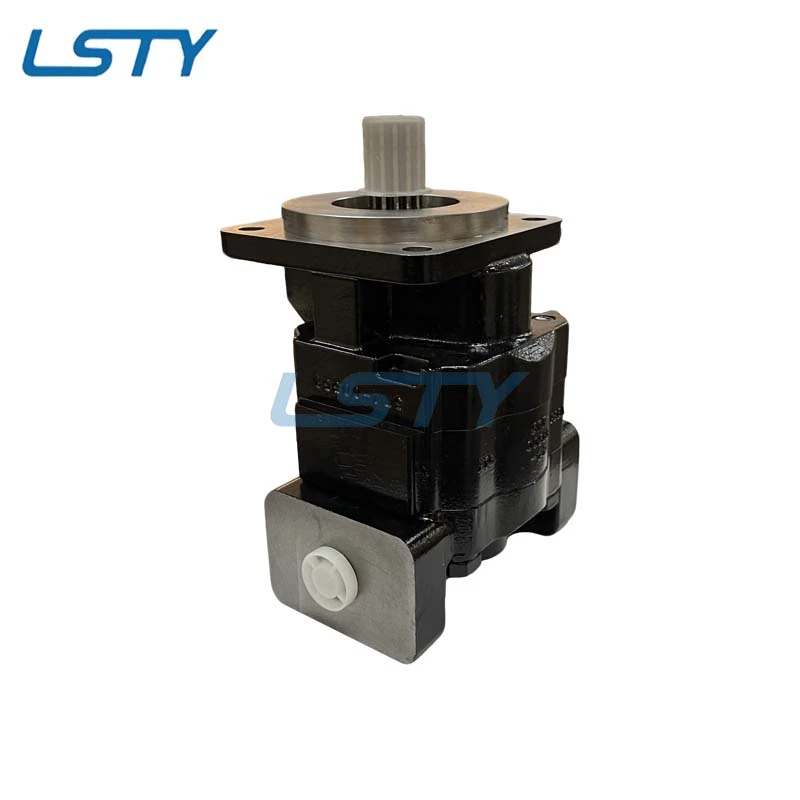
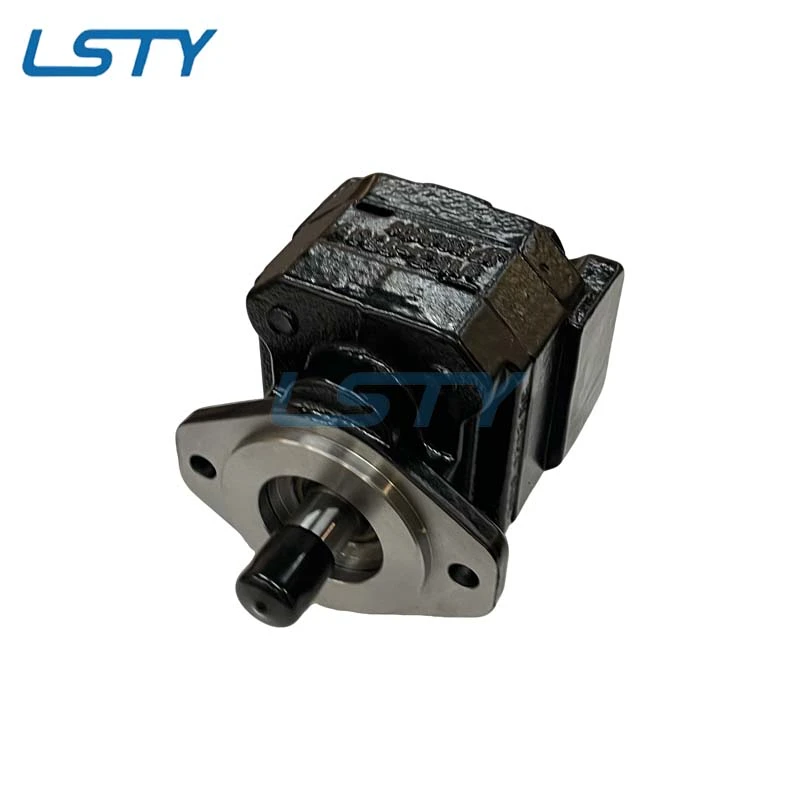
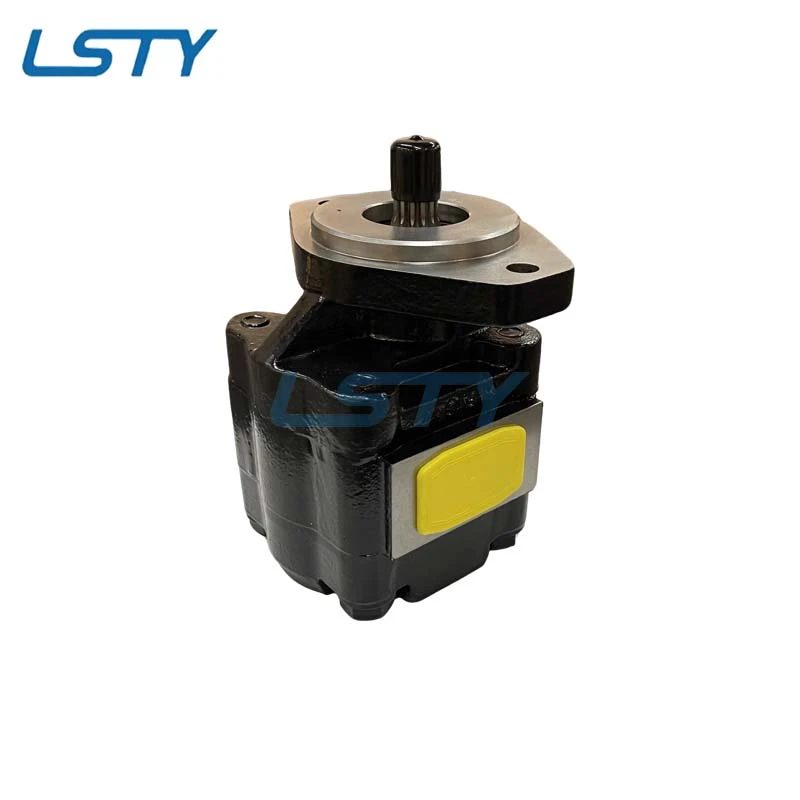
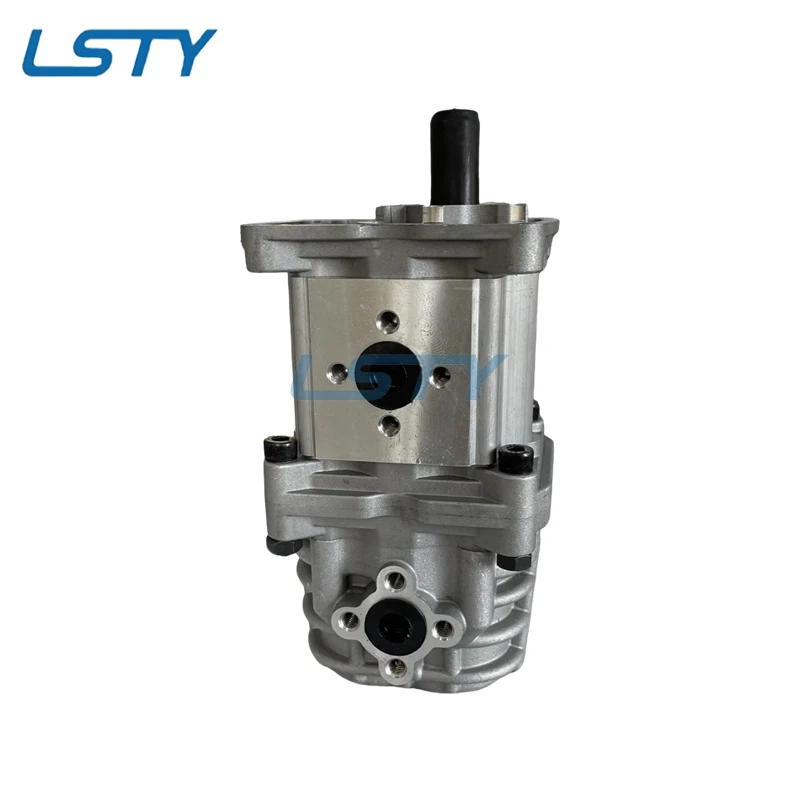
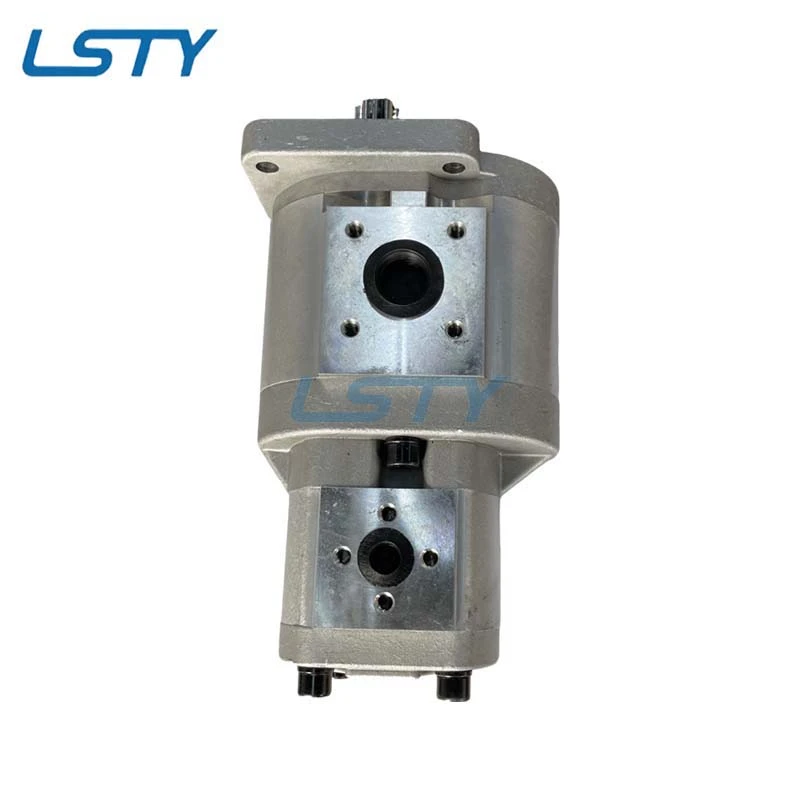
Put simply, the tractor bucket control valve is a hydraulic component that regulates fluid flow to operate the bucket attachment on a tractor. By directing hydraulic fluid pressure, it controls the bucket’s lifting, lowering, tilting, and dumping actions. This valve works in concert with the tractor’s hydraulic pump, cylinders, and joystick controls to offer the operator precise command over the bucket’s movements.
Its design integrates aspects of pressure balancing, flow management, and safety shutoffs—ensuring smooth, stable bucket operation without jerky or unsafe motions. For industries, that means increased efficiency, less wear and tear on machinery, and improved operator safety.
Core Components & Key Factors
1. Durability and Material Quality
Given the harsh environments and heavy loads, valves are typically made from hardened steel or other corrosion-resistant alloys. Catastrophic failures don't just mean downtime—they can be dangerous.
2. Control Precision
The valve must provide smooth, responsive movement under varying load conditions. Precision directly translates into safer, more efficient bucket operation.
3. Pressure Rating
Valves are rated for specific pressure ranges, often up to 3000 psi or more, to handle powerful hydraulic systems.
4. Ease of Maintenance
Modular design and accessible parts make servicing simpler in the field, reducing operational disruptions.
5. Compatibility
Valves need to fit a range of tractor makes and models, requiring some standardization or adaptable fittings.
Typical Specifications of a Tractor Bucket Control Valve
| Specification | Typical Range |
|---|---|
| Operating Pressure | 2000 - 3500 psi |
| Flow Capacity | 10 - 25 GPM (gallons per minute) |
| Material | Forged Steel / Alloy Steel |
| Valve Type | Spool / Directional Control Valve |
| Response Time | > 0.5 seconds |
Global Applications & Industry Use Cases
Oddly enough, while primarily associated with agriculture, tractor bucket control valves have found crucial roles across many sectors and geographies:
- Agriculture: In vast farming areas like the USA’s Midwest or India’s Punjab region, reliable bucket control valves increase plowing efficiency and loading speeds.
- Construction: Urban infrastructure projects in Europe and Asia rely on such hydraulic tech for earthmoving and material handling.
- Disaster Relief: After floods or earthquakes, equipment with precise, dependable bucket control speeds debris clearing, enabling faster humanitarian aid deployments.
- Mining and Forestry: Remote mining operations, such as those in Australia or Brazil, benefit from rugged valves that withstand extreme stresses.
Each of these contexts demands robustness, precision, and adaptability. Manufacturers often tailor valves or offer customized solutions for particular markets or applications—reminding us how one simple valve can touch diverse lives and industries.
Vendor Comparison: Top Tractor Bucket Control Valve Suppliers
| Vendor | Build Quality | Price Range (USD) | Warranty | Global Availability |
|---|---|---|---|---|
| HydroTech | Premium forged steel | $350 - $450 | 3 years | Global |
| Valvex Solutions | High-grade alloy | $280 - $380 | 2 years | Asia, Europe |
| EcoValve Corp. | Sustainable composites | $300 - $400 | 2.5 years | North America |
Advantages and Long-Term Value
Using high-quality tractor bucket control valves offers a range of benefits:
- Cost efficiency: Fewer breakdowns reduce repair costs and operational downtime.
- Sustainability: Efficient valves mean less wasted hydraulic fluid and energy, lowering environmental impact.
- Safety: Controlled, smooth bucket movement prevents accidents, protecting operators and bystanders.
- Trust & Reliability: Operators can rely on valves to perform consistently, even in extreme conditions.
- Innovative edge: Advanced valve technologies enhance performance and support integration with smart tractor systems.
In real terms, it feels like the difference between a chore and a well-oiled process. Equipment operators often say the tractor “feels alive” when paired with a quality valve—responsive and sure-footed.
Future Trends & Innovations
The tractor bucket control valve space isn’t static. Innovations are rolling out, propelled by the push for greener technologies and smarter machinery:
- Digital integration: Valves with sensors communicate real-time status to onboard diagnostic systems for predictive maintenance.
- Eco-friendly materials: Researchers are experimenting with bio-composites and recyclable alloys to reduce manufacturing footprints.
- Automation and AI: Self-adjusting valves could calibrate flow dynamically based on terrain and load.
- Energy efficiency: New designs aim to cut hydraulic losses, extending equipment battery life in electric tractors.
Challenges & Practical Solutions
Of course, nothing’s perfect. Common hurdles include:
- Wear and tear: Constant exposure to dirt, moisture, and pressure can degrade valves prematurely.
- Compatibility issues: Not all valves fit all tractors, complicating replacement logistics.
- Cost barriers: Premium valves might be inaccessible for small-scale operators or developing markets.
Solutions? Modular designs, improved seals, and standardized fittings help address compatibility and durability. Subsidies or financing for upgrading valves could open doors to efficient tech in more regions. Honestly, field technicians emphasize regular maintenance as an irreplaceable factor for valve longevity.
FAQ: Frequently Asked Questions About Tractor Bucket Control Valve
Q1: How can I tell if my tractor bucket control valve needs replacing?
A1: Signs include sluggish bucket movement, hydraulic fluid leaks near the valve, or unusual noises during operation. If the bucket hesitates or jerks, it might indicate valve wear.
Q2: What types of tractor bucket control valves are most common?
A2: The most common are spool valves and directional control valves. Spool valves are favored for smooth control and durability under pressure. Each type suits different tractor models and hydraulic setups.
Q3: Can I upgrade my existing valve to one with digital controls?
A3: Some manufacturers now offer retrofit kits or compatible digital valves, but compatibility depends on your tractor’s hydraulic system and electronics. Consulting a specialist is recommended.
Q4: Is it difficult to maintain tractor bucket control valves in remote areas?
A4: It can be challenging, but designing valves with modular parts and clear manuals helps. Also, training local operators in routine inspection extends valve life significantly.
If you want to explore more advanced options or source parts, check out tractor bucket control valve vendors and specifications.
Conclusion & Call to Action
To sum up, the tractor bucket control valve is more than just a mechanical component; it’s a linchpin of modern agricultural and construction efficiency worldwide. Its precision, reliability, and adaptability bear economic, social, and environmental significance. With ongoing innovations, these valves will only become smarter and greener, reshaping how we work with heavy equipment.
Interested in upgrading your tractor’s hydraulic performance? Visit our website: https://www.autolsty.com to explore quality tractor bucket control valves tailored to your needs.
Mini takeaway: Choosing the right tractor bucket control valve isn’t just a technical decision—it's an investment in smoother operations, safety, and future-ready farming.
References
-
Choosing the Right Bucket Truck Hydraulic Pump for Aerial LiftsNewsApr.16,2026
-
Ultimate Guide to Selecting a bi directional hydraulic pumpNewsApr.09,2026
-
Comprehensive Guide to Backhoe Hydraulic Pump Selection and MaintenanceNewsApr.07,2026
-
Comprehensive Guide to Hydraulic Pumps Types Applications and MaintenanceNewsApr.04,2026
-
Reliable Zetor Water Pump - Durable Cooling Solutions for Industrial EquipmentNewsJan.04,2026
-
Engine Water Pump Diagram – Durable & Efficient Solutions by AutolstyNewsJan.03,2026
-
Engine Water Pump Function: Essential Insights from Industry ExpertsNewsJan.03,2026


 English
  Afrikaans
  Arabic
  Belarusian
  Bulgarian
  Esperanto
  French
  German
  Kazakh
  Polish
  Portuguese
  Romanian
  Russian
  Spanish
  Tajik
Tajik  Turkish
  Turkmen
  Ukrainian
  Uzbek
Uzbek  Vietnamese