






How Does a Hydraulic Steering System Work? Everything You Need to Know
Back to listHow Does a Hydraulic Steering System Work? A Closer Look
Imagine you're behind the wheel of a heavy truck or an agricultural tractor — sharp turns, responsive control, and effortless maneuvering can feel like magic. That magic often comes down to the hydraulic steering system working quietly beneath the hood. But what exactly is the mechanism behind this, why does it remain relevant worldwide, and what benefits come from really understanding how a hydraulic steering system works?
In an increasingly mobile, industrialized, and mechanized world, hydraulic steering systems are everywhere—on road vehicles, heavy machinery, even some boats. Their reliability, power efficiency, and precision mean they aren’t just conveniences; they’re essential for safety, productivity, and economic growth across industries globally. In fact, understanding their operation can unlock opportunities for improved machine design, better maintenance practices, and smart troubleshooting, making this knowledge valuable not just to engineers but to fleet operators, manufacturers, and even policy planners.
Hydraulic Steering Systems: A Global Perspective
Globally, the transportation and heavy equipment sectors contribute significantly to GDP—over 10% in many countries. The UN’s International Road Transport Union underscores that steering systems influence safety and fuel efficiency, both key in reducing road accidents and emissions worldwide. Yet, challenges persist with steering failures accounting for up to 15% of heavy vehicle breakdowns in some regions. This brings us face to face with a fundamental question that engineers and operators often ask: how does a hydraulic steering system work to solve these challenges?
Because frankly, without robust hydraulic steering, many trucks, construction equipment, and industrial vehicles struggle to operate safely or efficiently—impacting everything from supply chains to disaster relief efforts.
What Is a Hydraulic Steering System?
At its core, a hydraulic steering system is a mechanical setup that uses fluid pressure to amplify a driver’s steering inputs, making it easier to turn wheels and control heavy vehicles or machinery. In simple terms, when you turn the steering wheel, a small force you apply is translated via hydraulic fluid in a closed system, moving pistons that turn the vehicle’s wheels with much more power and less effort than pure mechanical linkages would allow.
Its importance goes beyond comfort. Hydraulics connect modern industry with humanitarian needs — from forestry to farming, military to emergency response, allowing equipment to function reliably in tough environments where manual steering just wouldn’t cut it.
Key Components of a Hydraulic Steering System
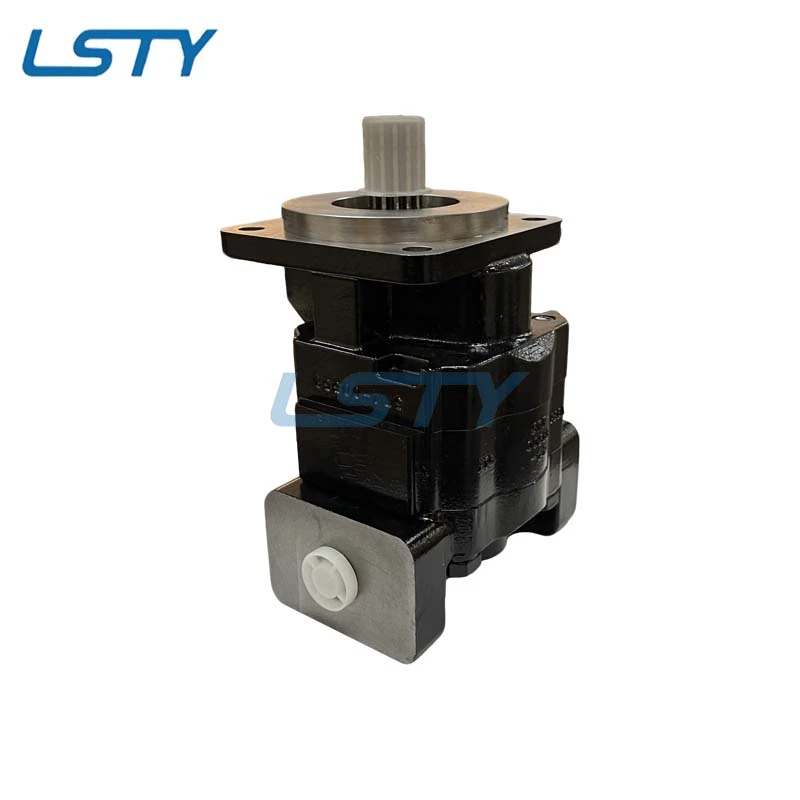
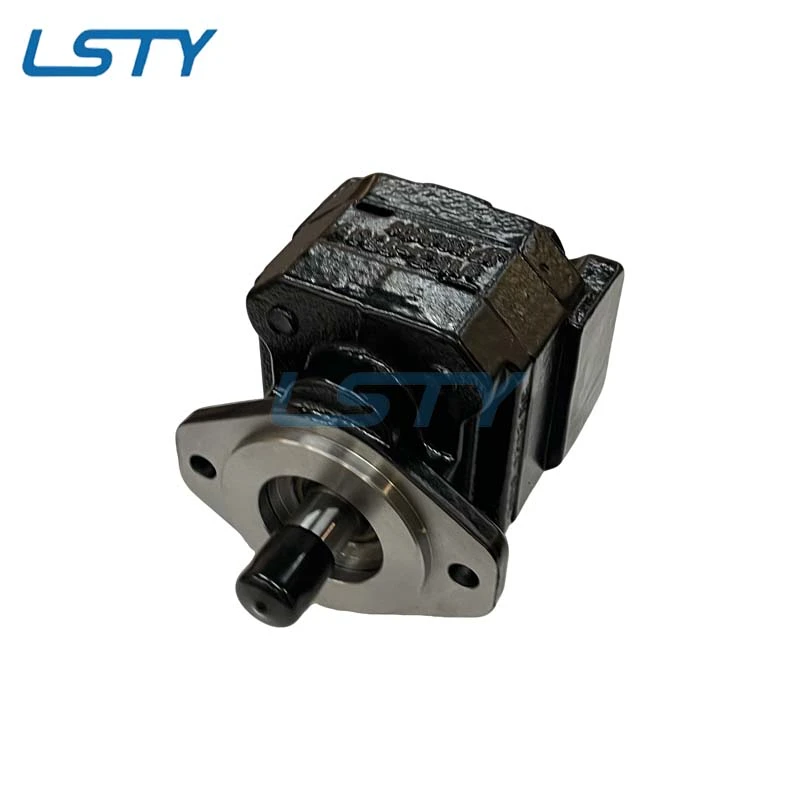
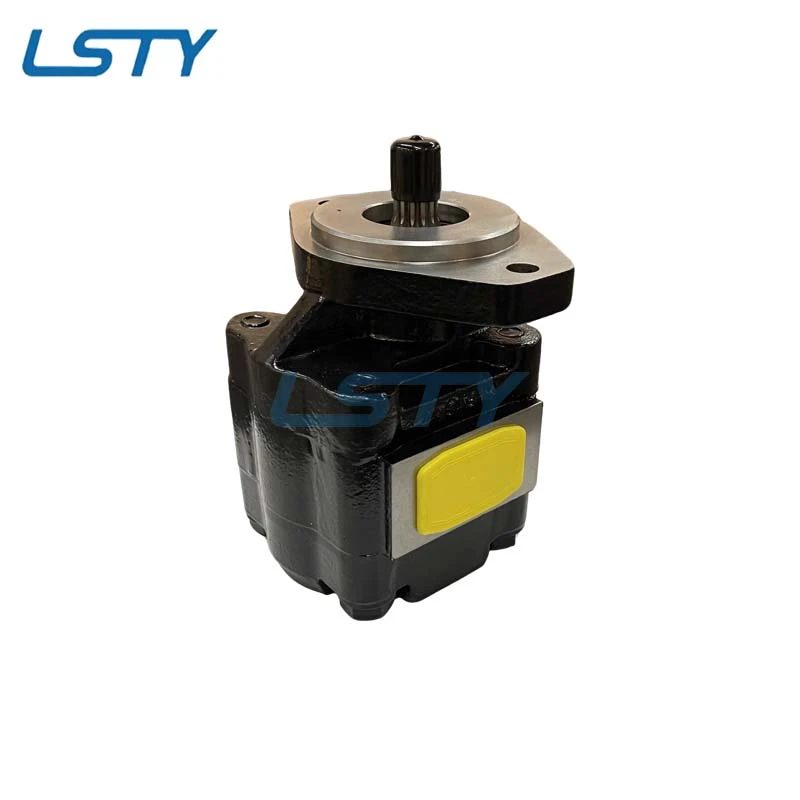
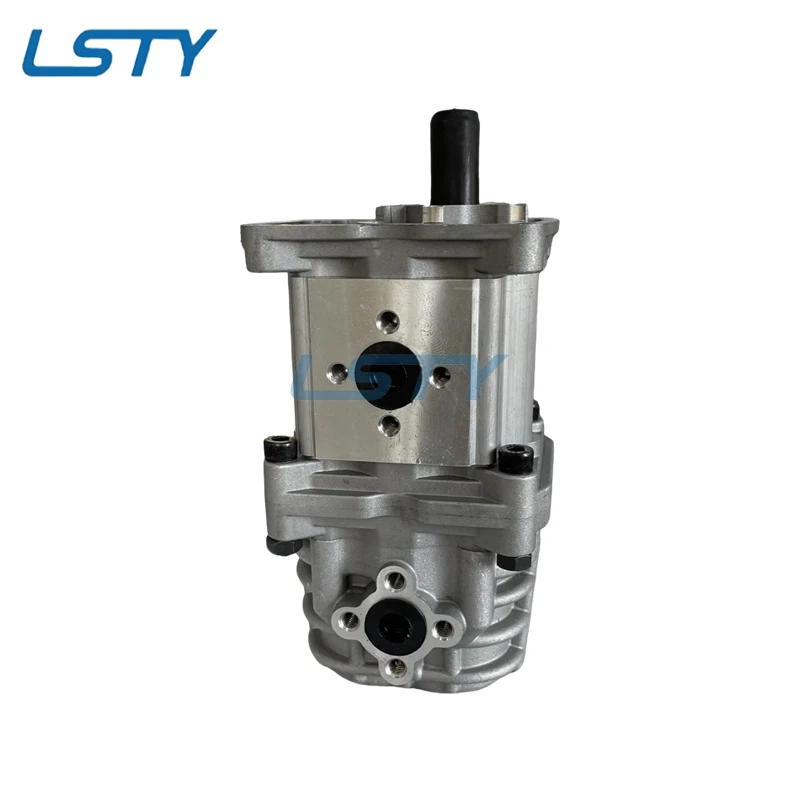
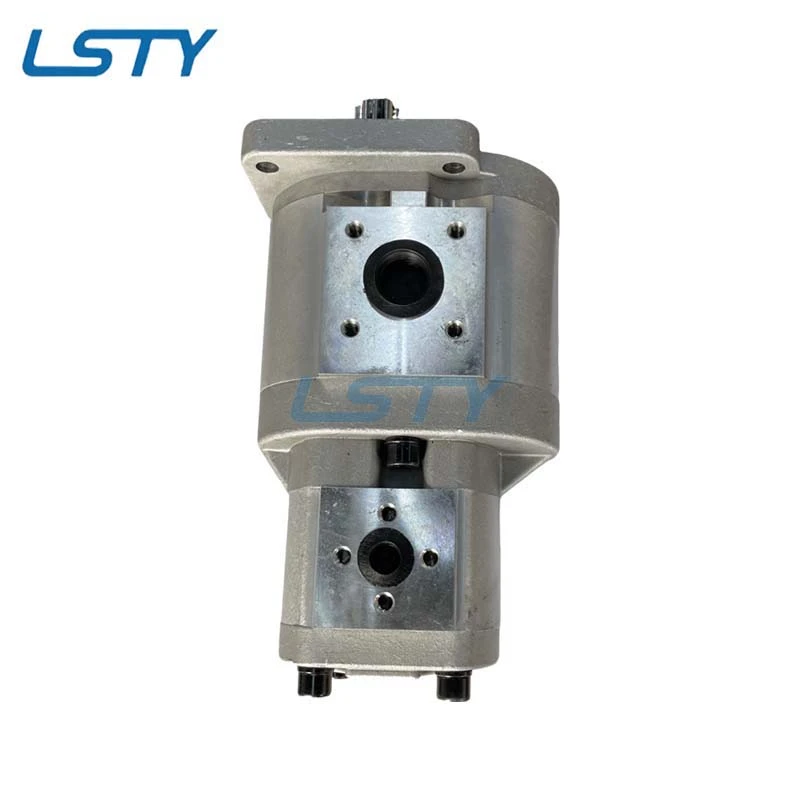
1. Hydraulic Pump
This is the heart of the system. Driven usually by the vehicle’s engine, the pump pressurizes the hydraulic fluid that powers the whole steering process.
2. Steering Valve
The control center that directs pressurized fluid to either side of the steering cylinder, depending on the wheel’s direction.
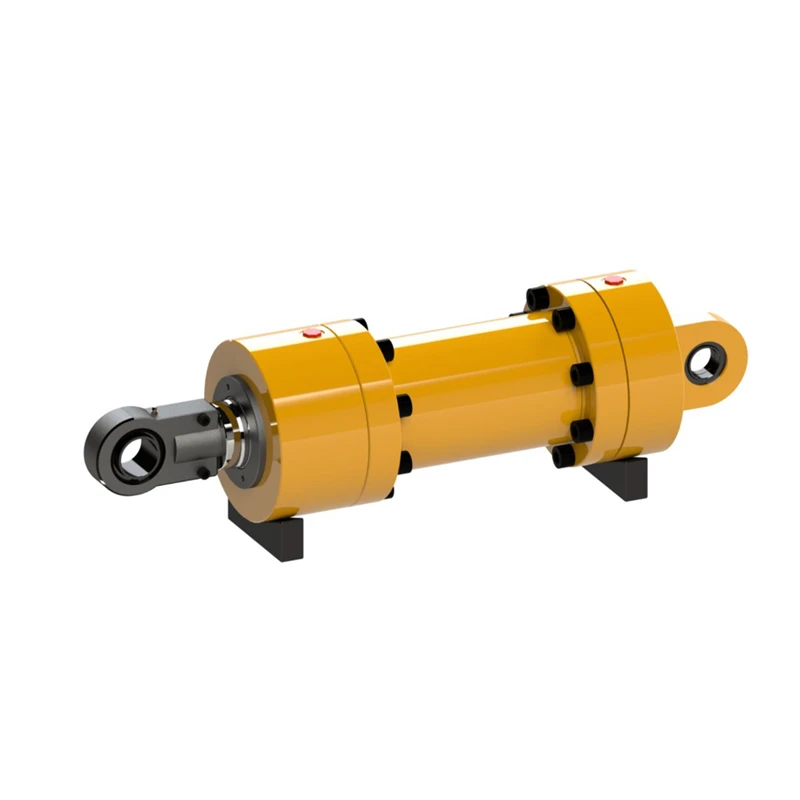
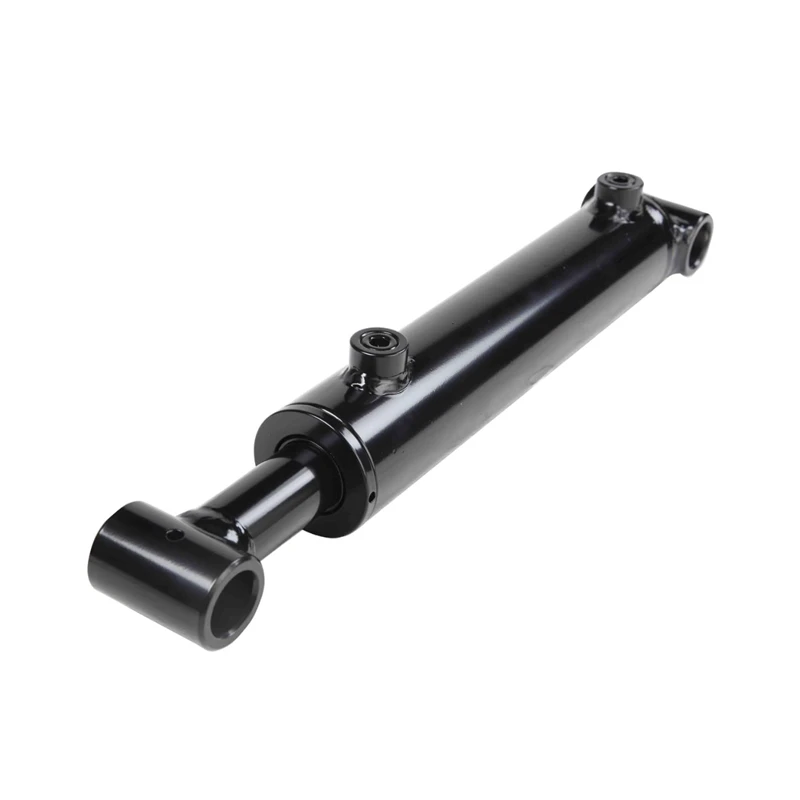
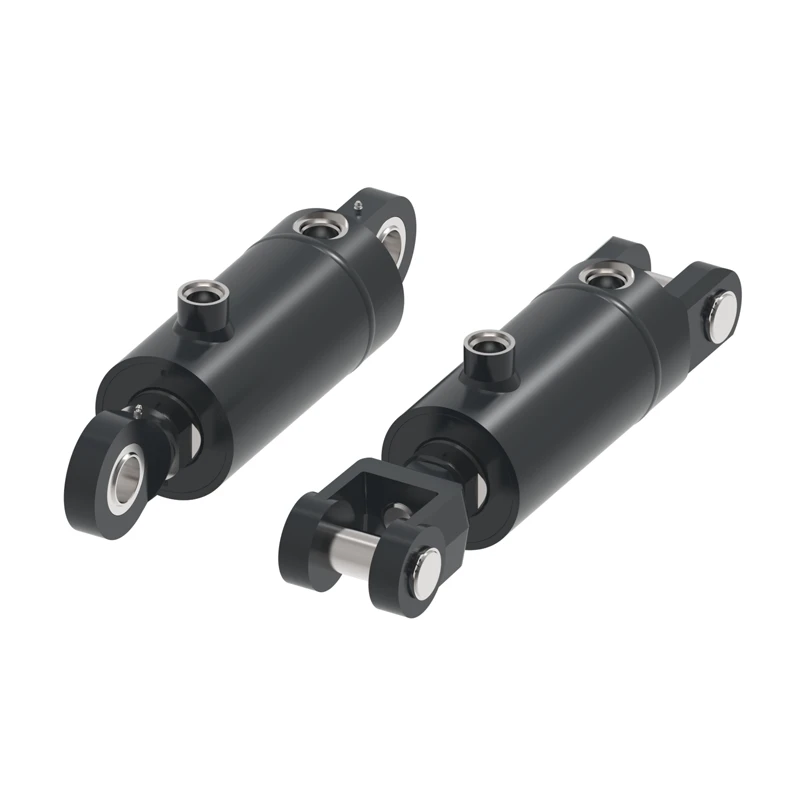
3. Hydraulic Cylinder
Actually moves the steering linkage — a piston inside the cylinder pushes or pulls the steering arm, physically turning the wheels.
4. Reservoir and Hydraulic Fluid
Stores and circulates fluid. The fluid’s properties are vital to maintaining smooth operation and avoiding system damage.
5. Mechanical Linkage
Connects the steering wheel with the valve and cylinder. This connection relays the driver’s input and facilitates feedback through the system.
| Component | Function | Materials/Specs |
|---|---|---|
| Hydraulic Pump | Pressurizes fluid | Gear or piston pumps; steel construction, operates at ~100-150 bar |
| Steering Valve | Controls fluid flow | Precision-machined metal, adjustable openings |
| Hydraulic Cylinder | Activates steering arm | Steel barrel with chrome-plated piston rod |
| Hydraulic Fluid | Transfers force | Mineral-based or synthetic oils with anti-corrosive additives |
Mini takeaway: Grasping these components and their interplay clarifies the system’s operation and maintenance needs.
Where and How Hydraulic Steering Systems Are Used Globally
This technology isn’t just theoretical — it bleeds into real-world necessities. Consider the sprawling agricultural fields of the U.S. Midwest, where massive tractors rely on hydraulic steering for precise crop management. Or the construction sites across Europe and Asia, where bulldozers and excavators need sensitive control to work efficiently and safely.
In developing regions, these systems empower mining trucks hauling raw materials vital to local economies. Notably, post-disaster relief operations depend on reliable heavy vehicles to clear debris and deliver aid, making hydraulic steering systems part and parcel of humanitarian logistics.
Regions from North America to Southeast Asia benefit uniquely depending on their industry focus, but all rely on hydraulic steering for heavy load control.
The Advantages and Enduring Value of Hydraulic Steering
- Effort Reduction: Eases driver fatigue, enhancing safety and precision.
- Durability: With sturdy components and fluids, systems last for thousands of hours under tough conditions.
- Cost Efficiency: Reduces maintenance downtime by detecting leaks early and minimizing mechanical wear.
- Environmental Impact: Modern fluids and sealed systems minimize pollution and waste.
- Social Impact: Reliable steering supports economic development sectors that target poverty reduction and infrastructure improvement.
Emotionally, people feel safer knowing their equipment won’t fail in critical situations, and operators often develop an intuitive trust in machines equipped with hydraulics, which, oddly enough, feels like an extension of their own hands.
Future Trends in Hydraulic Steering Systems
The future is digital and green. Innovations such as electronically controlled proportional valves and electro-hydraulic steering combine hydraulics with digital feedback loops for supreme accuracy and reduced energy loss. Additionally, the push for sustainability is encouraging the use of biodegradable hydraulic fluids and improved system efficiency to cut down on emissions.
Automation hints at even smarter steering that reacts dynamically, assisting drivers or enabling autonomous heavy vehicles. Regulations and policies are also tightening globally, pushing manufacturers toward greener, safer designs that align with ISO standards on hydraulic fluid management and system performance.
Common Challenges and Solutions
Challenges do exist: hydraulic leaks, fluid contamination, and pump wear can degrade performance. Temperature extremes sometimes cause fluid viscosity issues. Moreover, older systems may lack precision compared to newer electro-hydraulic ones.
Expert insights suggest proactive maintenance, use of superior synthetic fluids, and component upgrades to mitigate these problems. Early diagnostics, enabled through IoT sensors, are revolutionizing system health monitoring—helping fleets avoid unexpected breakdowns. Manufacturers also focus on modular designs for faster part replacements.
FAQ: Frequently Asked Questions About Hydraulic Steering Systems
- Q: How do hydraulic steering systems differ from electric power steering?
- A: Hydraulic steering uses fluid pressure, while electric power steering uses electric motors to assist. Hydraulics are typically stronger for heavy-duty vehicles but may be less energy efficient than electric systems in passenger cars.
- Q: What signs indicate that a hydraulic steering system needs maintenance?
- A: Common signs include difficulty steering, fluid leaks, unusual noises from the pump, or inconsistent wheel response. Timely fluid checks and inspecting seals can prevent bigger issues.
- Q: Are hydraulic steering fluids environmentally safe?
- A: Traditional fluids can be hazardous if spilled, but many manufacturers now offer biodegradable options which reduce environmental impact, especially important in sensitive areas.
- Q: Can hydraulic steering systems be retrofitted on older vehicles?
- A: Often yes, depending on the vehicle type and frame design. It typically requires upgrading the steering pump, valve, and hydraulic cylinder, which can improve vehicle operability considerably.
Top Hydraulic Steering System Vendors Comparison
| Vendor | Product Range | Special Features | Typical Industries |
|---|---|---|---|
| HydroTech Inc. | Heavy vehicle pumps, valves, cylinders | High-pressure resistant designs, OEM-certified | Construction, Mining |
| FluidDrive Solutions | Compact pumps, integrated control units | Eco-friendly fluid compatibility, digital diagnostics | Agriculture, Forestry |
| SteerMax | Complete hydraulic steering kits | Modular, upgrades for legacy systems | Industrial Vehicles, Military |
Conclusion
Understanding how does a hydraulic steering system work is not just an academic exercise but a gateway to improving safety, efficiency, and sustainability across sectors that literally move and shape our world. Hydraulic steering brings power to your fingertips and trust to your workday — whether on rugged terrains, highways, or construction sites. For detailed insights, product guides, and maintenance tips, visit our website and stay ahead with expert knowledge driving you forward.
Just a little reflection here: these systems remind us that sometimes the mightiest forces come riding on invisible rivers of fluid—so essential yet so elegantly simple.
-
Choosing the Right Bucket Truck Hydraulic Pump for Aerial LiftsNewsApr.16,2026
-
Ultimate Guide to Selecting a bi directional hydraulic pumpNewsApr.09,2026
-
Comprehensive Guide to Backhoe Hydraulic Pump Selection and MaintenanceNewsApr.07,2026
-
Comprehensive Guide to Hydraulic Pumps Types Applications and MaintenanceNewsApr.04,2026
-
Reliable Zetor Water Pump - Durable Cooling Solutions for Industrial EquipmentNewsJan.04,2026
-
Engine Water Pump Diagram – Durable & Efficient Solutions by AutolstyNewsJan.03,2026
-
Engine Water Pump Function: Essential Insights from Industry ExpertsNewsJan.03,2026


 English
  Afrikaans
  Arabic
  Belarusian
  Bulgarian
  Esperanto
  French
  German
  Kazakh
  Polish
  Portuguese
  Romanian
  Russian
  Spanish
  Tajik
Tajik  Turkish
  Turkmen
  Ukrainian
  Uzbek
Uzbek  Vietnamese