






Comprehensive Guide to Hydraulic Pumps Types Applications and Maintenance
Back to listUnderstanding Hydraulic Pumps: A Comprehensive Guide
A hydraulic pump is the heart of any hydraulic system, responsible for converting mechanical energy into hydraulic energy. These pumps are crucial components in a wide range of industries, from construction and manufacturing to agriculture and automotive. Choosing the right pump for your application is essential for optimal performance and longevity. This article delves into the types, applications, maintenance, and selection criteria of hydraulic pumps, providing a comprehensive overview for professionals and enthusiasts alike. Understanding the principles behind these pumps will empower you to make informed decisions for your specific needs.
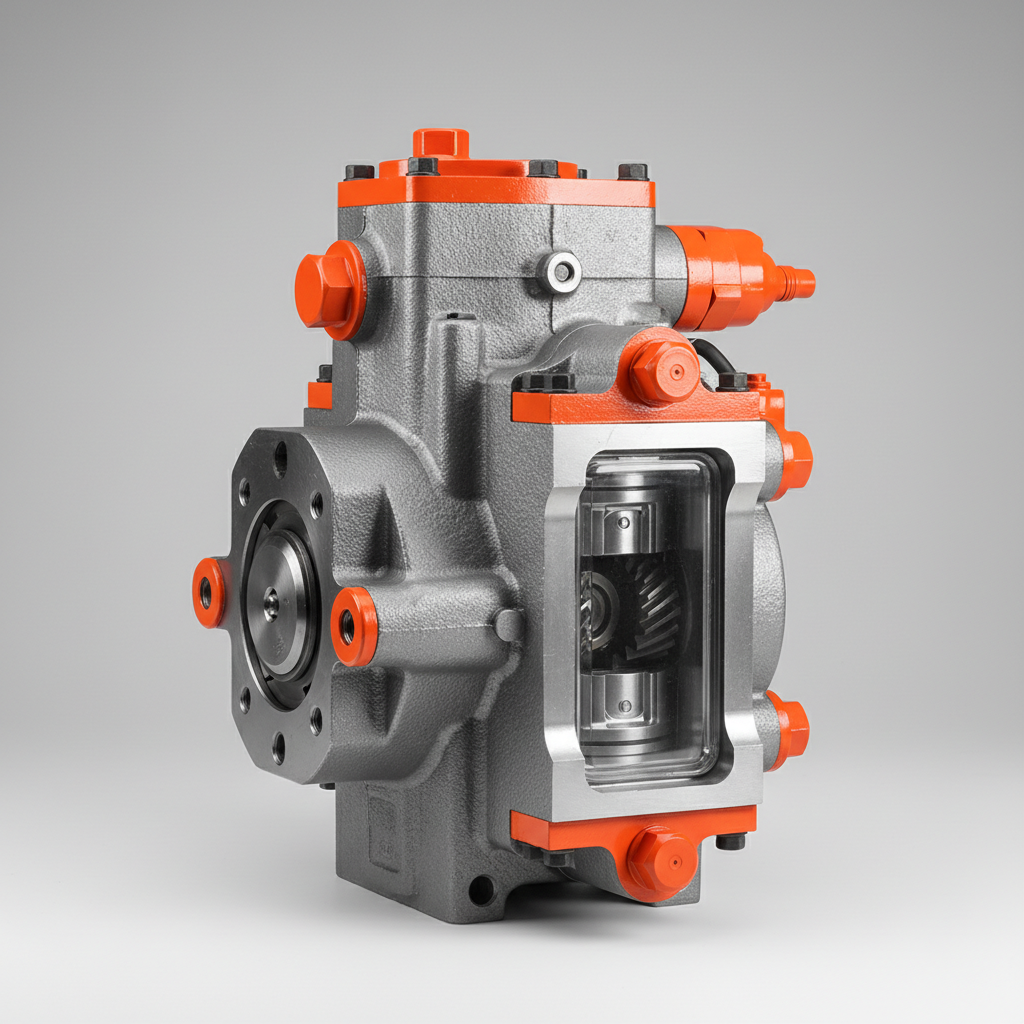
Types of Hydraulic Pumps
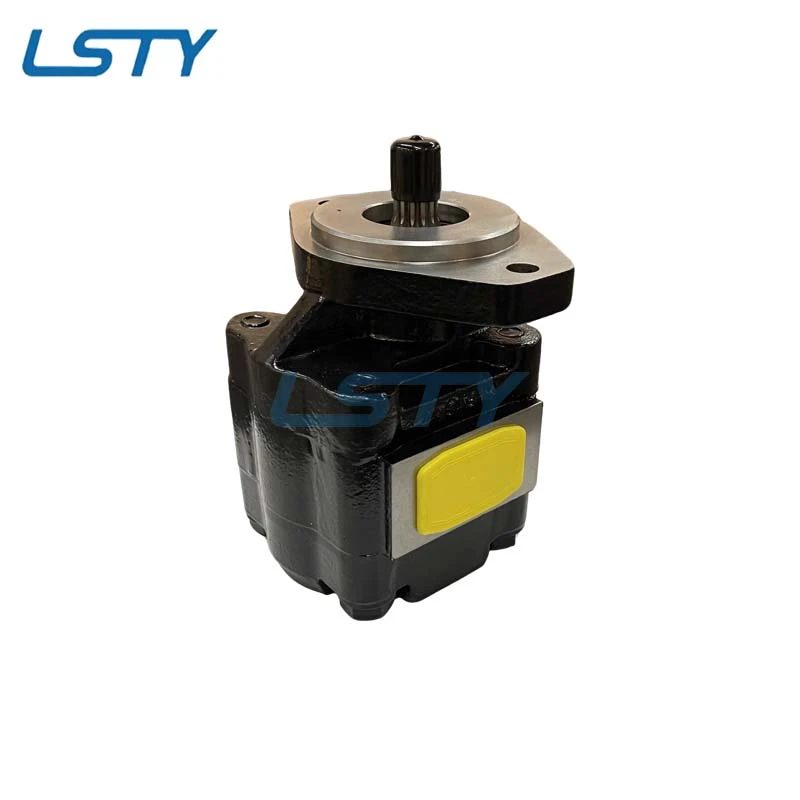
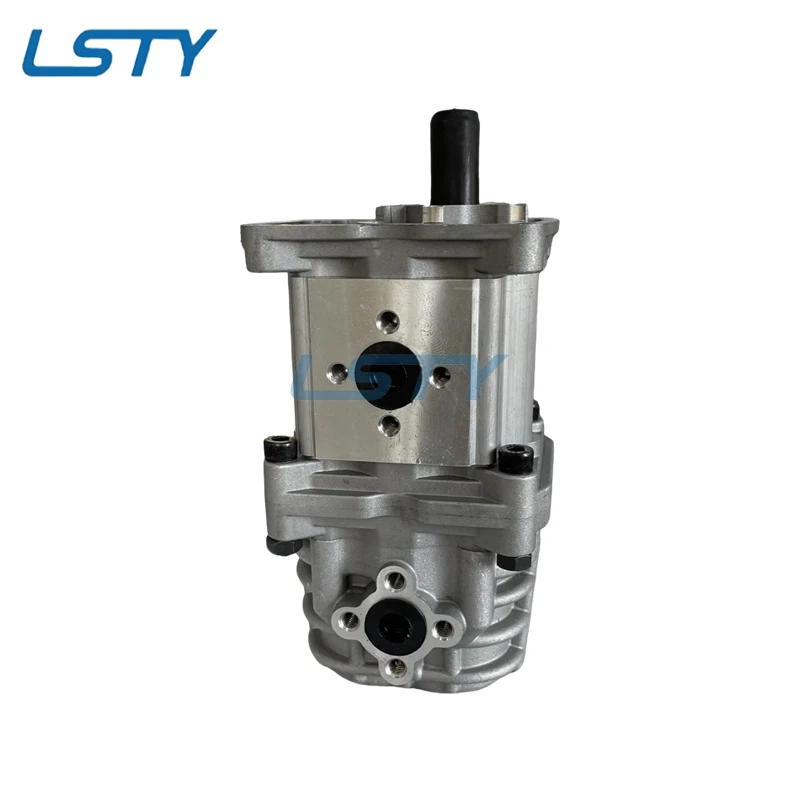
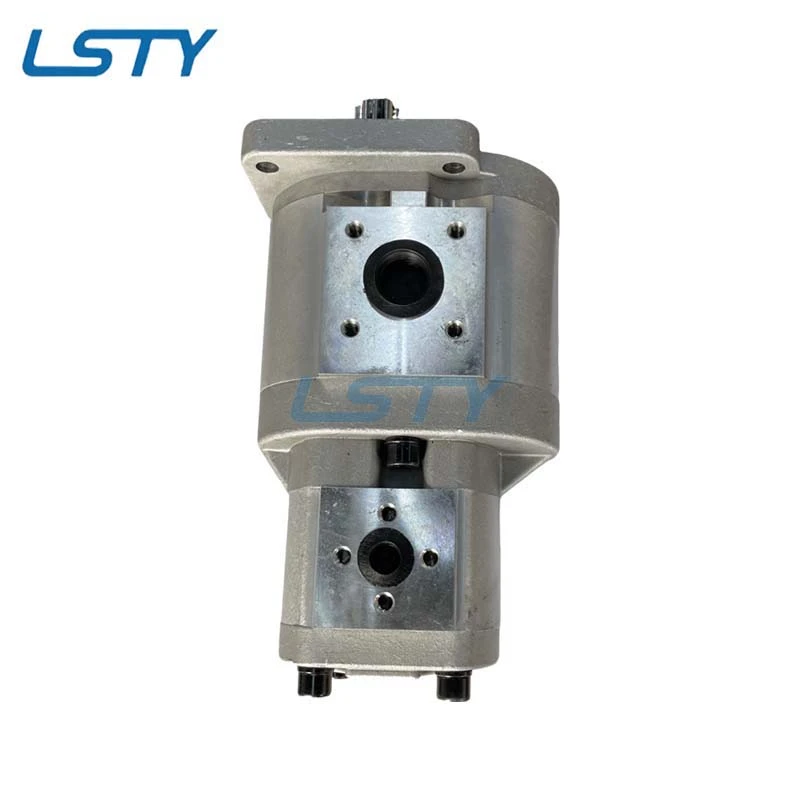
Hydraulic pumps come in various designs, each suited for specific applications. The most common types include gear pumps, vane pumps, and piston pumps. Gear pumps are known for their simplicity and cost-effectiveness, making them ideal for lower-pressure applications. Vane pumps offer quieter operation and higher efficiency compared to gear pumps. Piston pumps, on the other hand, provide the highest pressure and efficiency, making them suitable for demanding applications like heavy machinery and aerospace equipment. Understanding the characteristics of each type is crucial for selecting the appropriate pump for your needs.
Key Takeaway: Choosing the correct pump type depends on pressure requirements, flow rate, efficiency needs, and budget constraints.
Applications of Hydraulic Pumps
The versatility of hydraulic pumps makes them integral to numerous industries. In construction, they power excavators, loaders, and bulldozers. Manufacturing relies on them for pressing, molding, and lifting operations. Agriculture utilizes them in tractors, harvesters, and irrigation systems. The automotive industry uses them in power steering, braking systems, and transmission control. Furthermore, aerospace applications require high-performance hydraulic pumps for flight control surfaces and landing gear.
Industries Utilizing Hydraulic Pumps:
• Construction
• Manufacturing
• Agriculture
• Automotive
• Aerospace
Hydraulic Pump Comparison: Gear, Vane, and Piston
Choosing the right hydraulic pump requires a careful comparison of its different types. Each type boasts unique characteristics that cater to specific requirements. Here’s a table that highlights the key differences between gear, vane, and piston pumps:
Maintaining Your Hydraulic Pump for Longevity
Regular maintenance is critical for extending the lifespan of your hydraulic pump. This includes regular fluid checks, filter replacements, and inspections for leaks. Contaminated hydraulic fluid is a leading cause of pump failure, so maintaining fluid cleanliness is paramount. Proper lubrication and keeping the pump cool are also crucial. Following the manufacturer's recommended maintenance schedule will prevent costly repairs and downtime.
Selecting the Right Hydraulic Pump: Key Considerations
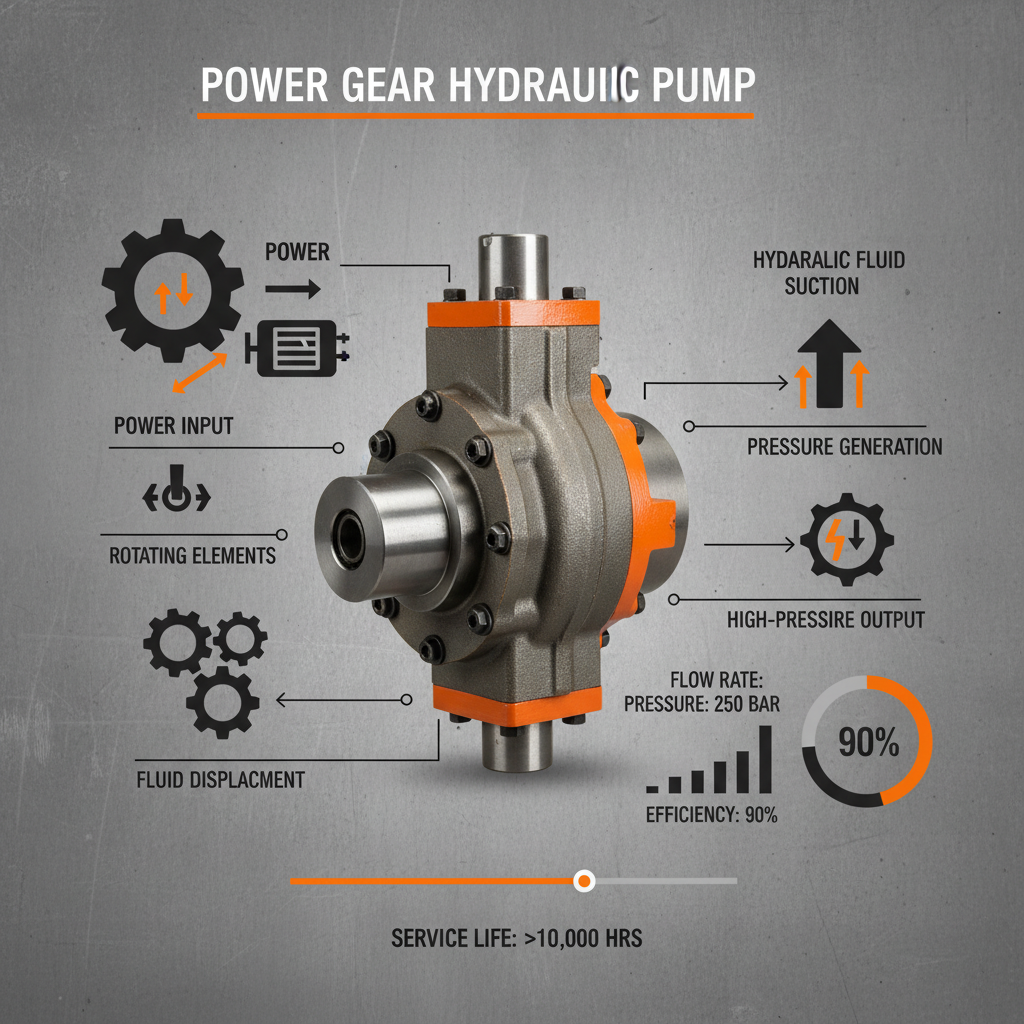
When selecting a hydraulic pump, consider several factors, including flow rate, pressure requirements, fluid viscosity, and operating temperature. Calculate the flow rate needed for your application based on the cylinder size and desired speed. Ensure the pump's pressure rating exceeds the maximum system pressure. Choose a fluid viscosity compatible with the pump's design. And finally, consider the operating temperature to prevent overheating or freezing. Consulting with a hydraulic specialist can help you choose the best pump for your specific needs. Autolsty provides a wide range of hydraulic pumps to meet various industrial requirements.
Conclusion: Powering Your Applications with the Right Hydraulic Pump
Investing in a high-quality hydraulic pump is crucial for the reliable operation of your hydraulic systems. Understanding the different types, applications, and maintenance requirements will empower you to make informed decisions. By choosing the right pump and implementing a preventative maintenance plan, you can ensure optimal performance and longevity. Don't compromise on quality – choose Autolsty for all your hydraulic pump needs.
Frequently Asked Questions (FAQs)
What type of hydraulic fluid should I use?
The choice of hydraulic fluid depends on the pump type, operating temperature, and system requirements. Common types include mineral oil, synthetic fluids, and water-glycol fluids. Mineral oil is the most common and cost-effective option, but synthetic fluids offer superior performance at extreme temperatures and pressures. Water-glycol fluids are fire-resistant but require specialized seals. Always consult the pump manufacturer's recommendations for the appropriate fluid type. Using the incorrect fluid can cause pump damage and reduce efficiency.
How often should I change the hydraulic fluid?
The frequency of hydraulic fluid changes depends on usage and operating conditions. As a general guideline, change the fluid every 3,000 to 6,000 hours of operation or annually, whichever comes first. Regularly monitor the fluid condition using a fluid analysis kit to detect contamination and degradation. If the fluid is dirty or contaminated, change it immediately. Prolonging fluid changes can lead to pump wear and system failure.
What are the common causes of hydraulic pump failure?
Common causes of hydraulic pump failure include fluid contamination, improper fluid levels, air ingestion, cavitation, and mechanical wear. Contaminated fluid can damage pump components, while low fluid levels can lead to cavitation. Air ingestion can cause pump inefficiencies, and mechanical wear can result from lack of lubrication or overload. Regular maintenance and proper fluid management can prevent these failures.
Where can I find quality hydraulic pumps?
Autolsty offers a comprehensive selection of high-quality hydraulic pumps from leading manufacturers. We provide pumps for various applications and industries, with competitive pricing and excellent customer support. Browse our extensive catalog or contact our team for assistance in selecting the right pump for your needs.
-
Choosing the Right Bucket Truck Hydraulic Pump for Aerial LiftsNewsApr.16,2026
-
Ultimate Guide to Selecting a bi directional hydraulic pumpNewsApr.09,2026
-
Comprehensive Guide to Backhoe Hydraulic Pump Selection and MaintenanceNewsApr.07,2026
-
245-1307010-A1-01 Water Pump for MTZ Tractors | HEBOE LONGSHENGTENGYU PUMP INDUSTRY CO., LTDNewsApr.01,2026
-
Reliable Zetor Water Pump - Durable Cooling Solutions for Industrial EquipmentNewsJan.04,2026
-
Engine Water Pump Diagram – Durable & Efficient Solutions by AutolstyNewsJan.03,2026
-
Engine Water Pump Function: Essential Insights from Industry ExpertsNewsJan.03,2026


 English
  Afrikaans
  Arabic
  Belarusian
  Bulgarian
  Esperanto
  French
  German
  Kazakh
  Polish
  Portuguese
  Romanian
  Russian
  Spanish
  Tajik
Tajik  Turkish
  Turkmen
  Ukrainian
  Uzbek
Uzbek  Vietnamese