






The Ultimate Guide to Choosing the Right Bucket Truck Hydraulic Pump
When it comes to aerial lift operations, the heart of the system is undoubtedly the bucket truck hydraulic pump. This critical component is responsible for converting mechanical power into hydraulic energy, allowing the boom to extend, rotate, and lift operators safely to great heights. Whether you are managing a fleet of utility trucks or operating a single unit for tree trimming, understanding the nuances of your pump can prevent costly downtime and ensure workplace safety. In this comprehensive guide, we will explore the types, specifications, and maintenance tips to help you optimize your equipment's performance.
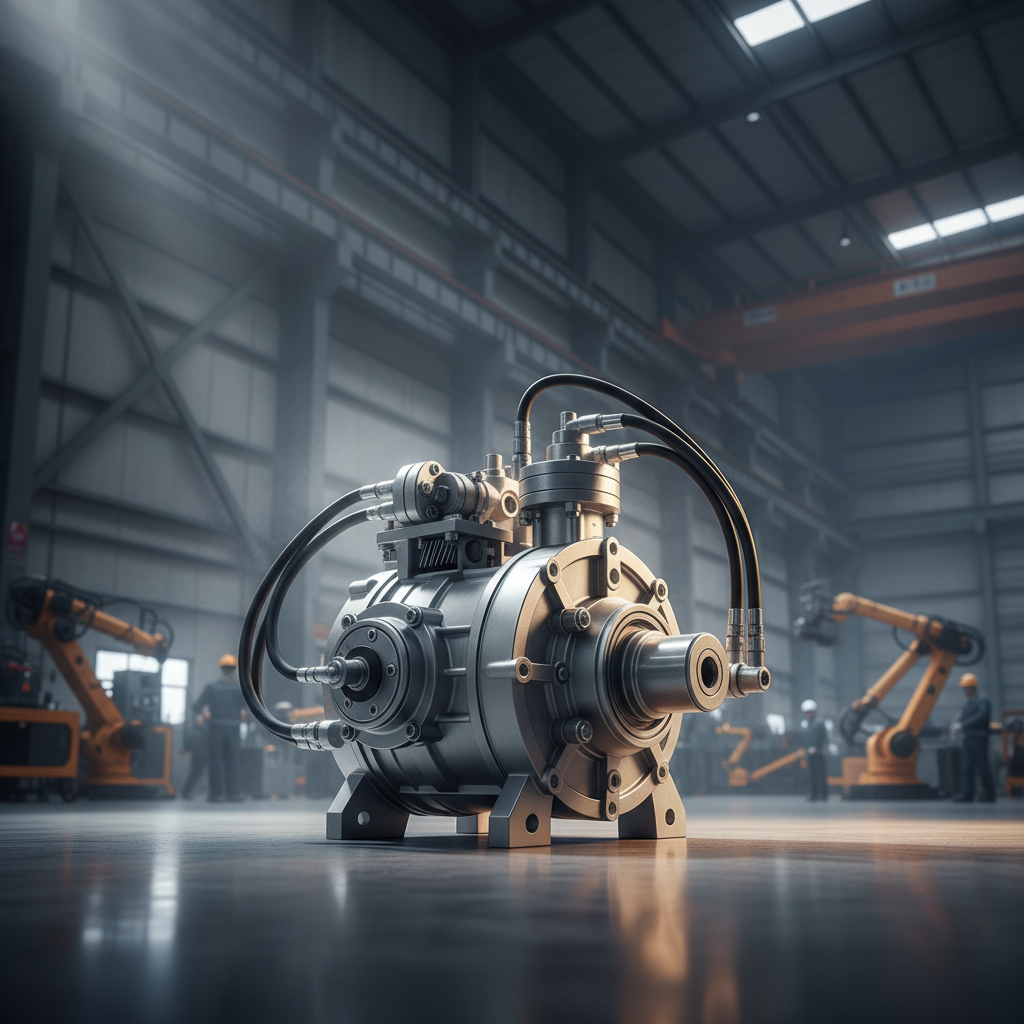
How a Bucket Truck Hydraulic Pump Operates
The primary role of a bucket truck hydraulic pump is to move hydraulic fluid from a reservoir to the various actuators and cylinders of the boom. By creating a vacuum at the pump inlet, fluid is drawn in and pushed out at high pressure. This pressure is what allows the heavy steel boom to move smoothly and precisely. Most modern trucks utilize a Power Take-Off (PTO) system, which transfers energy from the truck's engine to the pump, ensuring that the lift system has consistent power regardless of the load weight.
Pro Tip: Always check your hydraulic fluid levels before engaging the pump to avoid cavitation, which can lead to permanent internal damage and reduced lifting efficiency.
Types of Bucket Truck Hydraulic Pump Designs
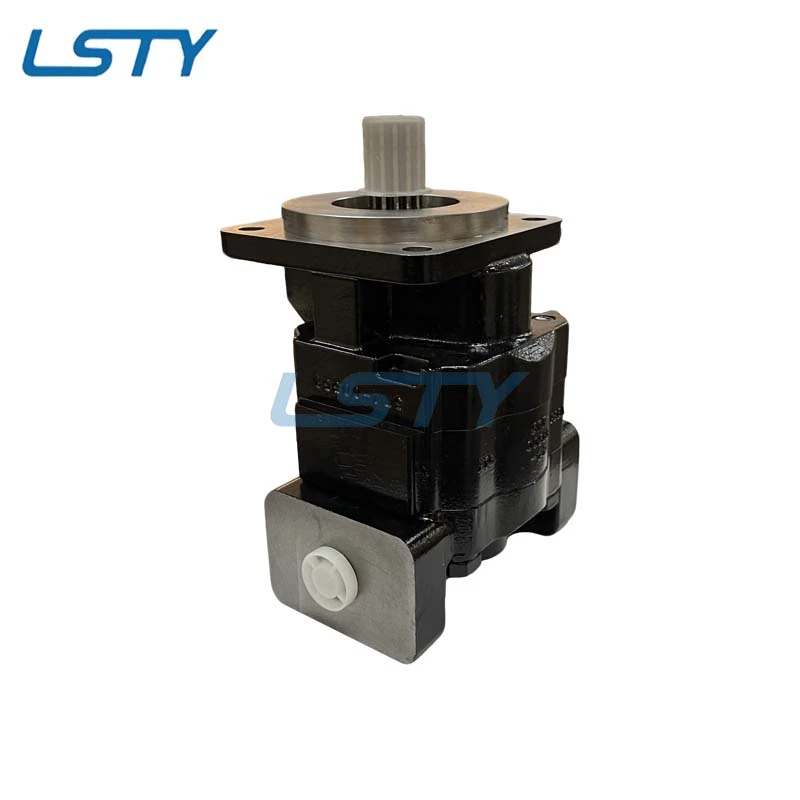
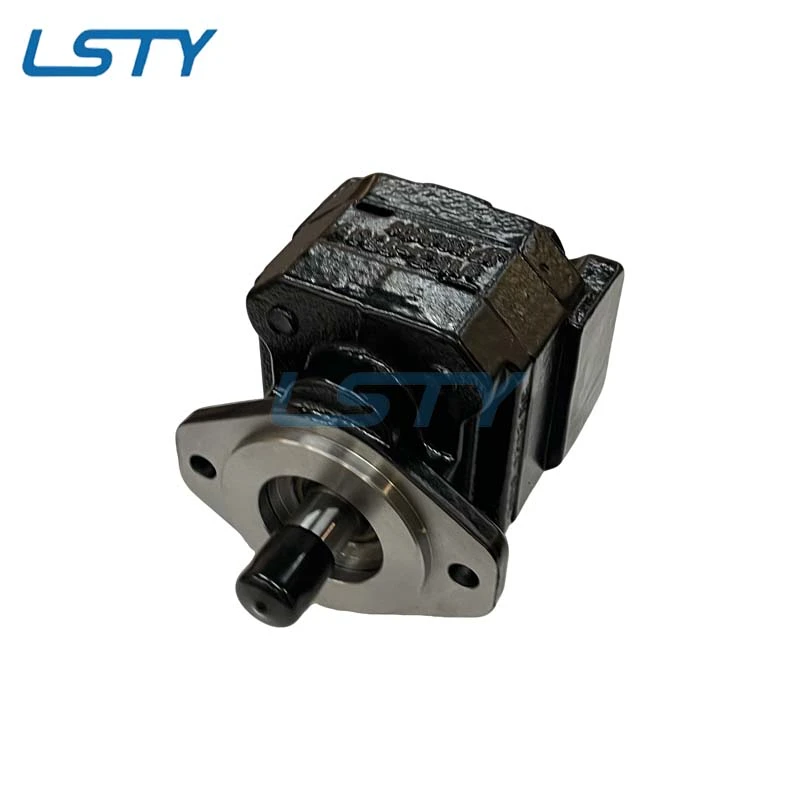
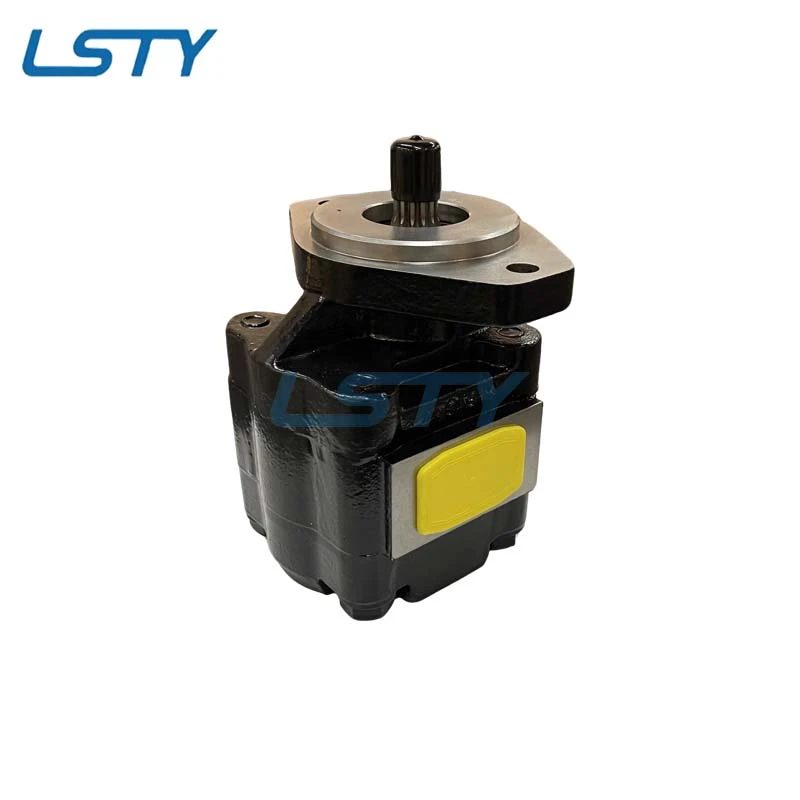
Not all pumps are created equal. Depending on the size of the bucket truck and the required lift height, different pump designs are utilized. Gear pumps are common due to their simplicity and cost-effectiveness, making them ideal for smaller utility trucks. For larger, heavy-duty applications, vane pumps or piston pumps are preferred because they can handle much higher pressures and offer smoother flow control, which is essential for the safety of the operator in the bucket.
Common Pump Variations:
• Fixed Displacement: Delivers a constant volume of fluid per revolution.
• Variable Displacement: Adjusts fluid flow to match the demand, increasing fuel efficiency.
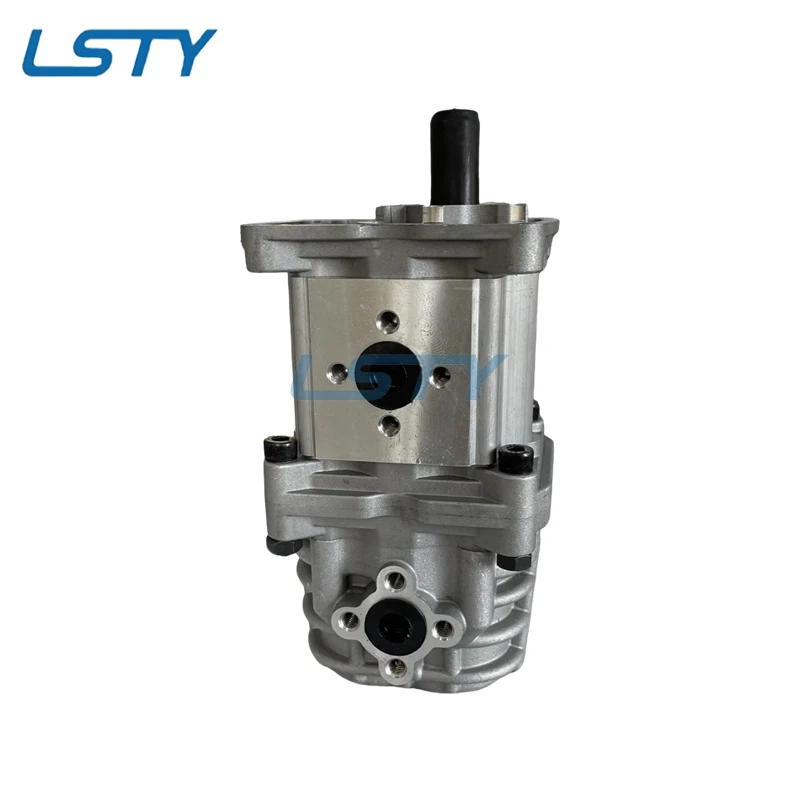
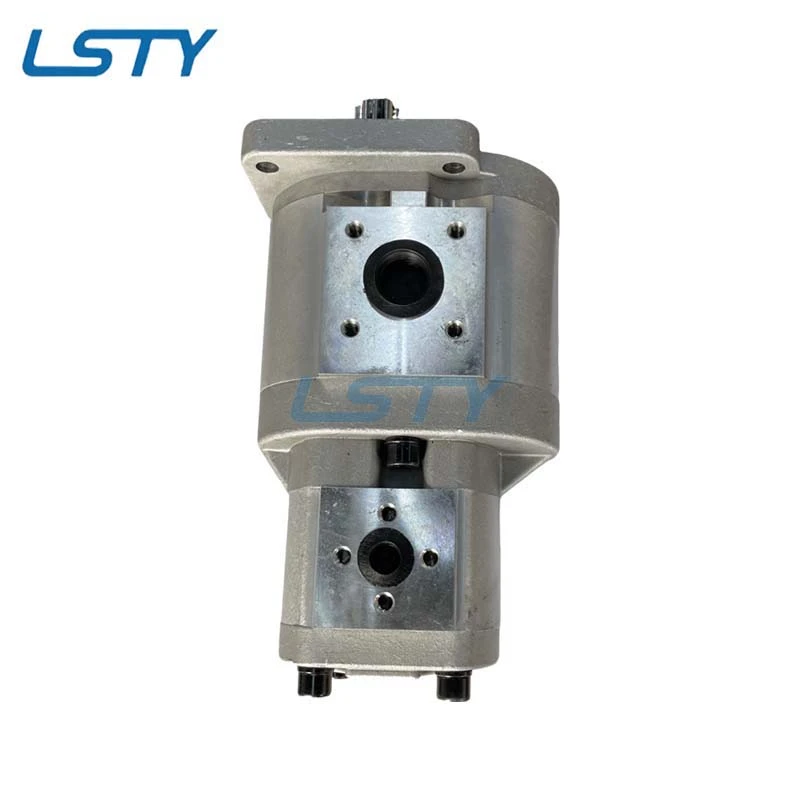
• Tandem Pumps: Two pumps in one housing to power multiple hydraulic functions simultaneously.
Comparing Performance: Gear vs. Piston Hydraulic Pumps
When selecting a replacement bucket truck hydraulic pump, it is vital to understand the trade-offs between different technologies. While a gear pump is rugged and easy to maintain, a piston pump offers the precision required for complex boom movements. The following table provides a side-by-side comparison to help you decide which technology fits your operational needs.
Installation and Maintenance of the Bucket Truck Hydraulic Pump
To ensure the longevity of your bucket truck hydraulic pump, a strict maintenance schedule is non-negotiable. Contamination is the number one enemy of hydraulic systems; even a small amount of dust or metal shavings can score the pump's internal surfaces, leading to pressure loss. We recommend replacing filters every 500 operating hours and performing a full fluid analysis annually to detect early signs of wear.
Technical Specifications for Hydraulic Pump Selection
When ordering a new pump, you must match the specifications to your truck's chassis and boom requirements. Incorrect sizing can lead to overheating or an inability to reach the full extension of the bucket. Pay close attention to the flow rate (GPM) and the maximum operating pressure (PSI). Below are the typical specifications found in industrial-grade lift systems.
Troubleshooting Common Pump Failures
Recognizing the early warning signs of a failing bucket truck hydraulic pump can save you thousands of dollars in emergency repairs. Common symptoms include "shuddering" during boom movement, an increase in operating temperature, or a high-pitched whining sound (which usually indicates air entering the system). If the boom begins to "drift" or descend slowly when the controls are neutral, it may be a sign of internal leakage within the pump or the control valves.
Conclusion: Maximizing Your Investment
The bucket truck hydraulic pump is the engine of your aerial productivity. By choosing the correct pump type, adhering to a strict maintenance regimen, and monitoring for early failure signs, you ensure the safety of your crew and the efficiency of your operations. High-quality components reduce long-term costs and minimize the risk of on-site accidents. Invest in professional-grade hydraulic solutions to keep your business moving upward.
Frequently Asked Questions (FAQs)
How often should I replace the hydraulic fluid in my bucket truck?
Generally, hydraulic fluid should be replaced every 1,000 to 2,000 operating hours, or once a year, whichever comes first. However, this can vary based on the environment; for example, trucks operating in dusty construction zones or extreme temperatures may require more frequent changes. It is highly recommended to perform a fluid analysis test first, as this can tell you if the oil is still chemically viable or if it contains metallic particulates that signal pump wear.
What causes a hydraulic pump to make a loud whining noise?
The most common cause of a whining or screaming noise is cavitation. This occurs when the pump cannot get enough fluid from the reservoir, causing air bubbles to form and then collapse violently within the pump. This can be caused by a clogged suction filter, a leak in the intake line, or simply low fluid levels. Cavitation is extremely destructive and can destroy a pump in a very short time, so the system should be shut down immediately to diagnose the cause.
Can I upgrade my gear pump to a piston pump for better performance?
While technically possible, upgrading from a gear pump to a piston pump often requires modifications to the rest of the hydraulic system. Piston pumps operate at much higher pressures, meaning your hoses, valves, and cylinders must be rated for that increased pressure to avoid catastrophic bursts. Additionally, piston pumps are much more sensitive to fluid contamination, requiring a higher grade of filtration. We recommend consulting with the experts at Autolsty to ensure your system is compatible before upgrading.
Why is my bucket truck boom moving slower than usual?
Slow movement is typically a sign of internal leakage or a loss of efficiency in the hydraulic pump. As pumps wear down, the tolerances between internal components increase, allowing fluid to "slip" back to the suction side rather than being pushed to the actuators. Other possibilities include a failing PTO engagement or a partially clogged relief valve. If the fluid is overheating, the oil becomes thinner, which also increases internal leakage and reduces lifting speed.
-
Ultimate Guide to Selecting a bi directional hydraulic pumpNewsApr.09,2026
-
Comprehensive Guide to Backhoe Hydraulic Pump Selection and MaintenanceNewsApr.07,2026
-
Comprehensive Guide to Hydraulic Pumps Types Applications and MaintenanceNewsApr.04,2026
-
245-1307010-A1-01 Water Pump for MTZ Tractors | HEBOE LONGSHENGTENGYU PUMP INDUSTRY CO., LTDNewsApr.01,2026
-
Reliable Zetor Water Pump - Durable Cooling Solutions for Industrial EquipmentNewsJan.04,2026
-
Engine Water Pump Diagram – Durable & Efficient Solutions by AutolstyNewsJan.03,2026
-
Engine Water Pump Function: Essential Insights from Industry ExpertsNewsJan.03,2026


 English
  Afrikaans
  Arabic
  Belarusian
  Bulgarian
  Esperanto
  French
  German
  Kazakh
  Polish
  Portuguese
  Romanian
  Russian
  Spanish
  Tajik
Tajik  Turkish
  Turkmen
  Ukrainian
  Uzbek
Uzbek  Vietnamese