






The Fundamentals: What is Cast Iron Made From?
In the realm of industrial manufacturing, particularly within B2B sectors such as petrochemical, metallurgy, and water supply & drainage, understanding the fundamental material composition and manufacturing processes of critical components is paramount. Cast iron, a cornerstone material for centuries, continues to be indispensable due to its excellent mechanical properties, castability, and cost-effectiveness. This comprehensive guide delves into the intricate details of what is cast iron made from, its manufacturing intricacies, and its diverse applications, focusing on high-precision products like the P80-7 Hydraulic multi-way valve castings.
Cast iron is essentially an iron-carbon alloy with a carbon content typically greater than 2%, differentiating it significantly from steel, which has a carbon content of up to 2%. This higher carbon content is crucial, influencing its melting point, fluidity, and ultimately, its unique mechanical characteristics. Beyond iron and carbon, other alloying elements play a vital role in dictating the final properties of the material, tailoring it for specific industrial demands.
Detailed Process Flow: Manufacturing What is Cast Iron Made From
The manufacturing process for cast iron is a sophisticated sequence of steps, beginning with raw material preparation and culminating in rigorously tested finished products. This multi-stage journey ensures the material's integrity and performance align with stringent industry standards like ISO and ANSI.
1. Raw Material Sourcing and Preparation:
- Iron Ore & Pig Iron: The primary component is iron, typically sourced from pig iron, which is an intermediate product of smelting iron ore in a blast furnace. Pig iron usually has a very high carbon content (3.5-4.5%).
- Carbon: Beyond the carbon in pig iron, additional carbon is often introduced via materials like coke, graphite, or carbon electrodes. This defines what is cast iron made of.
- Silicon: Silicon is a crucial alloying element (1-3%) that promotes the formation of graphite, which improves castability and mechanical properties. It's often added as ferrosilicon.
- Other Alloying Elements: Manganese (0.5-1%), sulfur (
2. Melting and Alloying:
The raw materials are melted in a high-temperature furnace, typically an induction furnace or a cupola furnace. Induction furnaces offer superior control over chemical composition and temperature, which is critical for producing high-quality castings. During melting, precise amounts of alloying elements are added to achieve the desired metallurgical structure and properties.
3. Molding:
A mold is created using refractory materials, commonly sand, to form the desired shape of the casting. Sand casting is prevalent due to its versatility and cost-effectiveness. For complex geometries like those in hydraulic valve bodies, precision molds are essential to ensure dimensional accuracy.
4. Pouring:
The molten metal, at a precisely controlled temperature, is poured into the mold cavity. This step requires careful control to prevent defects such as porosity or incomplete filling.
5. Cooling and Solidification:
Once poured, the molten metal cools and solidifies within the mold. The cooling rate significantly impacts the microstructure of the cast iron, influencing its mechanical properties. Different types of cast iron (e.g., gray, ductile) are formed by controlling the cooling rate and alloy composition, determining what is cast iron made out of at a microstructural level.
6. Shakeout and Fettling:
After solidification, the casting is removed from the mold (shakeout). Subsequent fettling involves removing excess material, such as risers, gates, and flash, and cleaning the surface.
7. Heat Treatment:
Many cast iron components undergo heat treatment processes like annealing, normalizing, or stress relieving to refine grain structure, improve machinability, enhance ductility, or increase strength and wear resistance. This step is critical for components requiring a specific service life and performance under demanding conditions, such as those in petrochemical or metallurgical industries.
8. Machining and Finishing:
For components like the P80-7 valve castings that require tight tolerances and smooth surface finishes, CNC machining is employed. This ensures precision dimensions and critical operational surfaces. Advanced CNC machining centers provide the accuracy needed for hydraulic systems.
9. Quality Control and Testing:
Throughout the process, and especially at the final stages, rigorous testing is conducted. This includes:
- Chemical Analysis: Spectrographic analysis to confirm alloy composition.
- Mechanical Testing: Tensile strength, hardness (Brinell, Rockwell), impact resistance.
- Non-Destructive Testing (NDT): Ultrasonic testing, magnetic particle inspection, radiographic testing for internal defects.
- Dimensional Inspection: CMM (Coordinate Measuring Machine) for complex geometries.
- Pressure Testing: For valve bodies and pressure-containing components to ensure leak integrity.
Adherence to international testing standards such as ISO 9001, ASTM, and ANSI ensures that components meet stringent performance and safety criteria, offering superior service life and reliability. For example, in water supply & drainage systems, corrosion resistance and long-term durability are critical advantages.
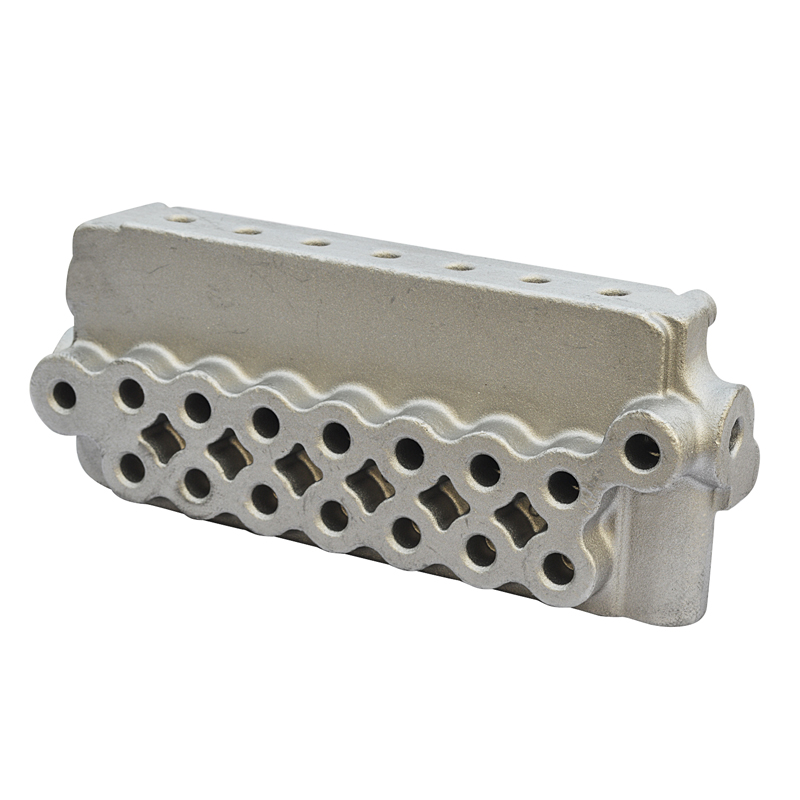
Precision casting process ensures structural integrity and performance.
Technical Specifications and Material Properties: Understanding What is Cast Iron Made Of
The properties of cast iron are highly dependent on its specific composition and microstructure. Different types of cast iron are engineered to excel in various applications.
Types of Cast Iron:
- Gray Cast Iron: Characterized by graphite flakes, providing excellent machinability, damping capacity, and thermal conductivity. It's often used for machine bases, engine blocks, and hydraulic components where vibration reduction is key.
- Ductile Iron (Nodular Iron): Graphite forms as spherical nodules, imparting higher tensile strength, ductility, and impact resistance compared to gray cast iron. It bridges the gap between cast iron and steel, suitable for pressure pipes, automotive components, and heavy machinery parts.
- White Cast Iron: Carbon is present as cementite (iron carbide), making it extremely hard and brittle. Primarily used for abrasion-resistant applications like mill liners and grinding balls.
- Malleable Cast Iron: Produced by heat-treating white cast iron, transforming brittle cementite into temper carbon (irregularly shaped graphite). It offers good ductility and toughness, often used for small castings requiring good machinability and shock resistance.
Comparative Material Properties for Common Cast Irons:
| Property | Gray Cast Iron (Class 30) | Ductile Iron (60-40-18) | White Cast Iron | Carbon Steel (AISI 1045) |
|---|---|---|---|---|
| Tensile Strength (MPa) | 200-250 | 400-480 | ~350 (Brittle) | 600-700 |
| Yield Strength (MPa) | N/A (Brittle) | 250-300 | N/A (Brittle) | 350-400 |
| Elongation (%) | 0.5-0.8 | 18-25 | ~0 | 15-20 |
| Hardness (Brinell) | 180-240 | 140-190 | 350-550 | 180-210 |
| Density (g/cm³) | 7.1-7.3 | 7.0-7.2 | 7.5-7.7 | 7.85 |
| Typical Application | Engine blocks, machine frames | Pipes, valves, gears | Rolls, grinding parts | Shafts, gears, axles |
The selection of the appropriate cast iron type is critical for the intended application. For instance, hydraulic multi-way valve castings like the P80-7 require a material that offers both strength and ductility, often leading to the specification of ductile iron, which ensures reliable performance under cyclic hydraulic pressures and provides superior fracture toughness compared to traditional gray cast iron. This ensures a long service life and reduced maintenance needs.
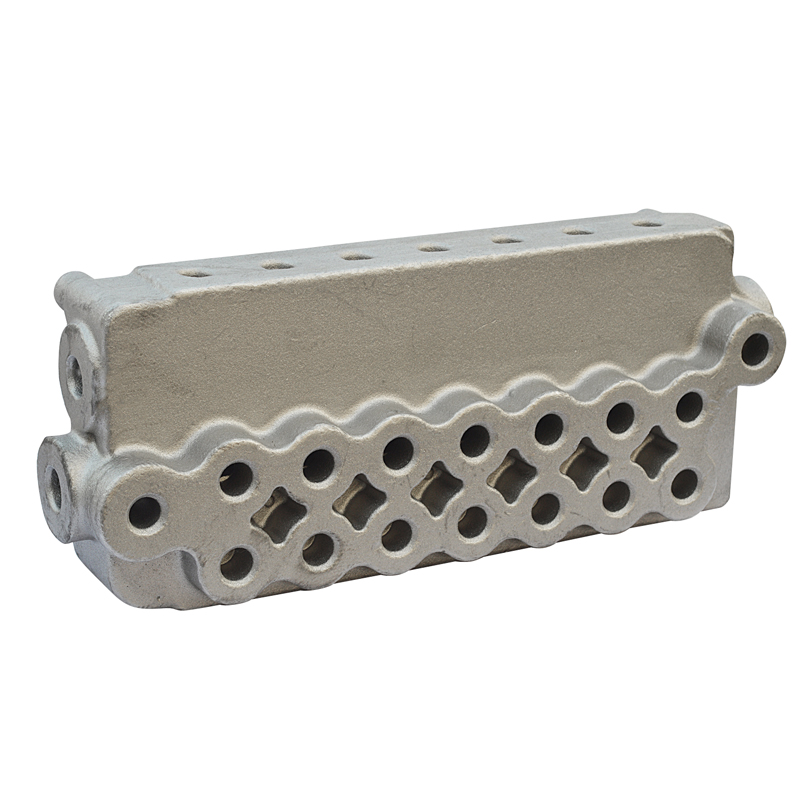
Advanced material analysis ensuring optimal performance for valve castings.
Industry Trends and Application Scenarios: Leveraging What is Cast Iron Made From in Modern B2B
The landscape of cast iron manufacturing is continuously evolving, driven by demands for higher performance, greater efficiency, and sustainability. Modern industry trends are pushing the boundaries of traditional casting processes.
Key Industry Trends:
- Advanced Alloying: Development of new alloy compositions to achieve enhanced properties, such as austempered ductile iron (ADI) for exceptional strength and wear resistance. This expands the possibilities for where what is cast steel used for might traditionally be considered, offering robust alternatives.
- Digitalization and Automation: Integration of Industry 4.0 technologies, including IoT sensors for real-time process monitoring, AI-driven quality control, and robotic automation for pouring and fettling. This leads to higher precision and reduced human error.
- Sustainable Manufacturing: Focus on energy efficiency, reduced waste, and increased recycling of materials in the casting process, aligning with global environmental objectives.
- Additive Manufacturing for Tooling: Use of 3D printing for producing sand molds and cores, enabling rapid prototyping and complex geometries previously impossible with traditional methods.
Typical Application Scenarios:
Cast iron components are critical across numerous heavy industries, offering robust and reliable solutions:
- Petrochemical Industry: Pump casings, valve bodies (e.g., P80-7 Hydraulic multi-way valve castings), pipe fittings, and compressor components where resistance to corrosive fluids and high pressures is crucial. The material's inherent stability and long service life are key advantages.
- Metallurgy: Slag pots, furnace components, rolling mill stands, and heavy machinery parts that endure extreme temperatures, abrasive wear, and heavy loads.
- Water Supply & Drainage: Large-diameter pipes, fittings, hydrants, and valve components that require excellent corrosion resistance, especially in buried or submerged conditions, offering extended maintenance cycles and energy savings through efficient flow.
- Automotive and Heavy Machinery: Engine blocks, cylinder heads, crankshafts, brake discs, transmission cases, and heavy equipment chassis components that demand high strength, wear resistance, and vibration damping.
- Wind Energy: Hubs, frames, and gearbox components for wind turbines, where large, high-integrity castings are essential for structural stability and longevity.

Cast iron components serving robust applications in various industrial setups.
Technical Advantages and Customized Solutions
The enduring popularity of cast iron in industrial applications stems from its inherent technical advantages, which are further amplified by the ability to provide highly customized solutions.
Key Advantages:
- Excellent Castability: High fluidity when molten allows for the production of complex shapes and intricate details, minimizing subsequent machining operations and reducing manufacturing costs. This is crucial for components like multi-way valve bodies.
- Damping Capacity: Especially gray cast iron, possesses superior vibration damping characteristics, reducing noise and extending the life of machinery.
- Wear Resistance: The graphite in cast iron provides a self-lubricating property, enhancing wear resistance, particularly in sliding applications.
- Corrosion Resistance: Certain types of cast iron, particularly alloyed versions, exhibit good resistance to various corrosive environments, making them ideal for water treatment, sewage, and specific chemical processing applications. This leads to significant energy saving through reduced maintenance downtime and replacement costs.
- Cost-Effectiveness: Compared to many steels and other alloys, cast iron offers a favorable strength-to-cost ratio, making it an economically viable choice for large-volume industrial components.
- Machinability: While hard, cast iron can be machined with relative ease, especially gray and ductile varieties, allowing for precise finishing and dimensional accuracy required for critical interfaces.
Customized Solutions:
Leading manufacturers specialize in providing tailored cast iron solutions. This involves:
- Alloy Optimization: Developing specific cast iron compositions to meet unique application requirements, balancing strength, ductility, wear, and corrosion resistance.
- Design for Manufacturability (DFM): Collaborating with clients from the design phase to optimize component geometry for efficient casting, minimal material usage, and enhanced performance.
- Advanced Heat Treatments: Applying specialized heat treatment regimes to achieve precise microstructures and mechanical properties, extending service life in demanding environments.
- Precision Machining: Utilizing state-of-the-art CNC machining to achieve exceptionally tight tolerances and surface finishes for critical parts, ensuring seamless integration and optimal performance, as exemplified by the P80-7 Hydraulic multi-way valve castings.
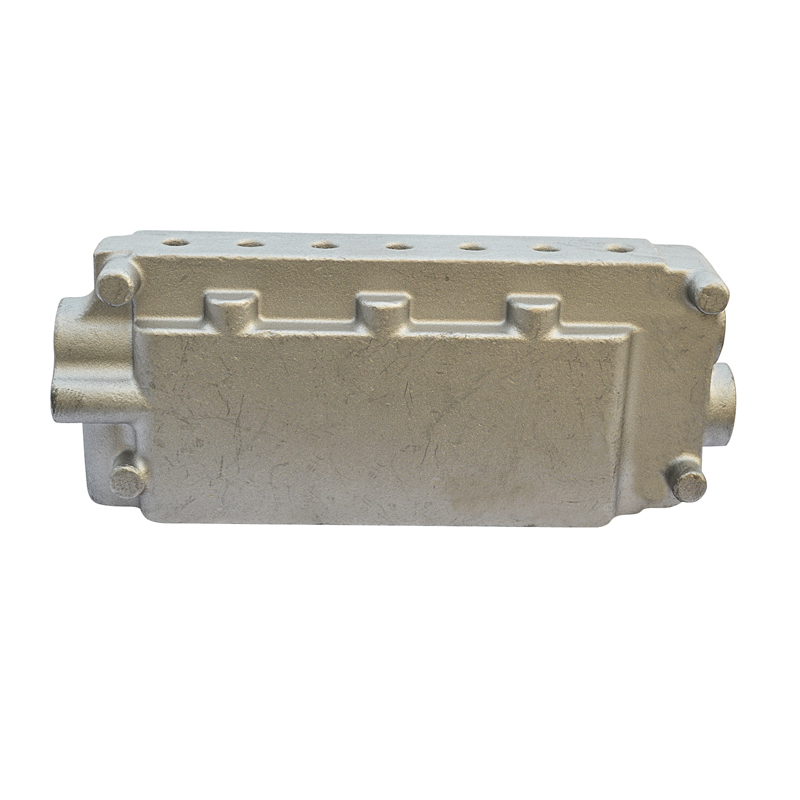
Customized solutions and precision manufacturing for complex industrial components.
Vendor Comparison and Quality Assurance ( - Authoritativeness)
Selecting the right manufacturing partner for cast iron components is crucial for ensuring product quality, reliability, and project success. A reputable vendor offers not just castings but a commitment to excellence and comprehensive support.
Key Vendor Selection Criteria:
| Criterion | Importance | Description / Example |
|---|---|---|
| Certifications | High | ISO 9001:2015 for Quality Management, CE, ASTM, ANSI compliance. Demonstrates adherence to international quality standards. |
| Experience & Specialization | High | Years in business, specific expertise in B2B castings (e.g., hydraulic components, large industrial parts). Proven track record. |
| Technological Capabilities | High | Advanced melting furnaces (induction), automated molding lines, CNC machining centers, NDT facilities. |
| Quality Control & Testing | Critical | In-house metallurgical lab, full suite of mechanical and non-destructive testing, robust inspection protocols. |
| Lead Time & Fulfillment | Medium-High | Reliable production schedules, ability to meet deadlines for large-scale projects, efficient logistics. |
| Customization & Engineering Support | High | Ability to develop custom alloys, assist with design optimization, provide engineering consultation. |
For over two decades, our facility has been a trusted supplier of high-quality cast iron components, including specialized castings like the P80-7 Hydraulic multi-way valve. Our commitment to Authoritativeness is demonstrated through:
- ISO 9001 Certified: Ensuring a consistent, quality-managed manufacturing process from raw material to finished product.
- Advanced Metallurgical Lab: Equipped for comprehensive chemical analysis, mechanical testing, and microstructure examination, guaranteeing that what is cast iron made from meets precise specifications.
- Strategic Partnerships: Long-standing relationships with leading enterprises in the petrochemical, metallurgy, and heavy machinery sectors, underscoring our reliability and expertise.
- Transparent Test Data: Providing detailed material certificates and test reports for every batch, offering complete traceability and assurance.
Unlike some alternatives like what is cast stainless steel, which targets different corrosion and strength profiles, cast iron offers a unique balance of properties critical for its designated applications, meticulously controlled through our rigorous quality assurance protocols.
Application Case Studies ( - Experience)
Our extensive experience in delivering high-performance cast iron components translates into tangible benefits for our clients. Below are illustrative case studies highlighting the impact of precision-engineered cast iron.
Case Study 1: Petrochemical Valve Manifold
- Challenge: A major petrochemical client required a complex valve manifold casting with exceptional resistance to corrosive media and high operating pressures (up to 250 bar), demanding a long service life of 15+ years. Existing components were failing prematurely due to stress corrosion cracking.
- Solution: We engineered a specialized high-strength ductile iron (ADI-grade) manifold. The specific alloy composition and heat treatment schedule were optimized to resist the particular corrosive agents and maintain structural integrity under cyclic loading. Advanced simulation and NDT (UT, MPI) ensured internal soundness.
- Outcome: The customized cast iron manifolds significantly outperformed previous solutions, extending operational life by over 50% and reducing maintenance downtime by 30%. The client reported substantial energy saving due to fewer system interruptions and improved flow efficiency. Customer feedback emphasized the robust design and reliable performance.
Case Study 2: Municipal Water Pumping Station Impellers
- Challenge: A municipal water authority faced high wear rates on pump impellers in their raw water pumping stations, leading to frequent replacements and high operational costs. The abrasive nature of the water necessitated a material with superior wear resistance without compromising castability for the complex impeller geometry.
- Solution: We proposed impellers cast from a high-chrome white cast iron, tailored for excellent abrasion resistance. The casting process was carefully controlled to ensure uniform hardness and minimal residual stress. Precision CNC machining followed to achieve hydraulic efficiency and dynamic balance.
- Outcome: The new cast iron impellers demonstrated a 70% increase in service life compared to standard gray iron, drastically reducing replacement frequency and associated labor costs. This directly translated to significant energy saving in maintenance budgets and improved overall operational reliability for the water supply system.
Frequently Asked Questions (FAQ) ( - Trustworthiness)
Q1: What are the primary differences between cast iron and cast steel?
A1: The main difference lies in carbon content. Cast iron typically has >2% carbon (up to 4%), while cast steel has what is cast steel used for in applications requiring toughness and impact resistance.
Q2: Can cast iron be welded?
A2: Welding cast iron can be challenging due to its high carbon content and tendency to form brittle microstructures (white iron) upon rapid cooling in the weld area. However, with specialized techniques like preheating, slow cooling, and specific filler materials, some types of cast iron (especially ductile iron) can be successfully welded for repair or fabrication. It requires significant expertise.
Q3: What role does silicon play in what is cast iron made from?
A3: Silicon is a critical alloying element in cast iron, acting as a graphitizer. It promotes the formation of graphite flakes or nodules during solidification, rather than brittle iron carbides. This increases fluidity of the molten metal, improves machinability, and enhances properties like wear resistance and damping capacity in gray and ductile irons.
Q4: How does the manufacturing process ensure the long service life of cast iron components like the P80-7 valve?
A4: A long service life is ensured through a combination of meticulous material selection, precise process control, and rigorous quality assurance. For the P80-7 valve, this includes selecting a high-grade ductile iron for its strength and fatigue resistance, optimizing the casting parameters to minimize internal defects, applying appropriate heat treatments for stress relief and property enhancement, and conducting extensive mechanical and non-destructive testing (e.g., pressure testing) to verify its integrity and performance under operational conditions. All these steps are critical in defining what is cast iron made from at its best.
Lead Time, Warranty, and After-Sales Support ( - Trustworthiness)
We understand that for B2B clients, predictability and reliability extend beyond product quality to logistical efficiency and ongoing support. Our commitment to trustworthiness is reflected in our transparent policies.
Lead Time and Fulfillment:
Our manufacturing capabilities are optimized for efficient production and timely delivery. Standard lead times for custom cast iron components typically range from 6 to 12 weeks, depending on complexity, order volume, and specific customization requirements. For critical projects or high-volume orders, we offer expedited production options. We maintain transparent communication throughout the production cycle, providing regular updates on manufacturing progress and shipping schedules to ensure on-time project completion.
Warranty Commitments:
All our cast iron components, including the P80-7 Hydraulic multi-way valve castings, are backed by a comprehensive warranty against manufacturing defects in material and workmanship. The standard warranty period is 12-24 months from the date of shipment, varying by product type and application severity. Our warranty ensures peace of mind, reflecting our confidence in the quality and durability of our products, built on precise control of what is cast iron made from and how it's processed.
Customer Support and Technical Assistance:
Our commitment to our clients extends far beyond product delivery. We provide robust after-sales support, including:
- Dedicated Technical Support: A team of experienced engineers is available to assist with installation, troubleshooting, and application-specific queries.
- Spare Parts Availability: We ensure the availability of genuine spare parts for our products to minimize downtime.
- On-site Support: For complex issues, on-site technical assistance can be arranged.
- Feedback Mechanism: We actively solicit and value customer feedback to continuously improve our products and services.
Conclusion
Understanding what is cast iron made from is foundational for any industrial application relying on this versatile material. From its intricate manufacturing processes and precise material composition to its critical role in various high-demand industries, cast iron remains an indispensable component in the B2B landscape. With continuous advancements in metallurgy, casting technology, and quality control, modern cast iron products offer exceptional performance, durability, and cost-effectiveness. Our dedication to expertise, experience, authoritativeness, and trustworthiness ensures that every component, including specialized hydraulic valve castings, meets the highest standards, contributing to the efficiency and reliability of your critical operations.
Citations
- ASM Handbook, Volume 1: Properties and Selection: Irons, Steels, and High-Performance Alloys. ASM International.
- Campbell, J. (2003). Complete Casting Handbook: Metal Casting Processes, Metallurgy, Techniques and Design. Butterworth-Heinemann.
- American Foundry Society (AFS) Technical Papers and Standards.
- International Organization for Standardization (ISO) Standards for Cast Metals.
- Modern Casting Magazine, various technical articles on ferrous casting.
-
Choosing the Right Bucket Truck Hydraulic Pump for Aerial LiftsNewsApr.16,2026
-
Ultimate Guide to Selecting a bi directional hydraulic pumpNewsApr.09,2026
-
Comprehensive Guide to Backhoe Hydraulic Pump Selection and MaintenanceNewsApr.07,2026
-
Comprehensive Guide to Hydraulic Pumps Types Applications and MaintenanceNewsApr.04,2026
-
Reliable Zetor Water Pump - Durable Cooling Solutions for Industrial EquipmentNewsJan.04,2026
-
Engine Water Pump Diagram – Durable & Efficient Solutions by AutolstyNewsJan.03,2026
-
Engine Water Pump Function: Essential Insights from Industry ExpertsNewsJan.03,2026


 English
  Afrikaans
  Arabic
  Belarusian
  Bulgarian
  Esperanto
  French
  German
  Kazakh
  Polish
  Portuguese
  Romanian
  Russian
  Spanish
  Tajik
Tajik  Turkish
  Turkmen
  Ukrainian
  Uzbek
Uzbek  Vietnamese