

weixin
industrial water pump types
Whatsapp
email
up
0%

Table of Contents

Diesel engine water pumps are crucial components in a wide array of industries, offering a robust and reliable solution for water management. These pumps, powered by diesel engines, are particularly valued for their independence from electrical grids, making them ideal for remote locations and emergency situations. Their ability to handle significant volumes of water efficiently and consistently contributes to vital operations across agriculture, construction, mining, and disaster relief. Understanding the nuances of diesel engine water pump technology, its applications, and future trends is therefore essential for professionals and organizations involved in these sectors.

Globally, the demand for effective water pumping solutions continues to grow, driven by increasing population, industrial expansion, and the escalating impacts of climate change. Diesel engine water pumps play a significant role in addressing these challenges, providing a readily deployable and dependable option where infrastructure is limited or unreliable. According to the UN, billions lack access to safe water, and efficient water management is critical to sustainable development. The need for resilient and portable pumping systems like these is expected to increase substantially in the coming years.

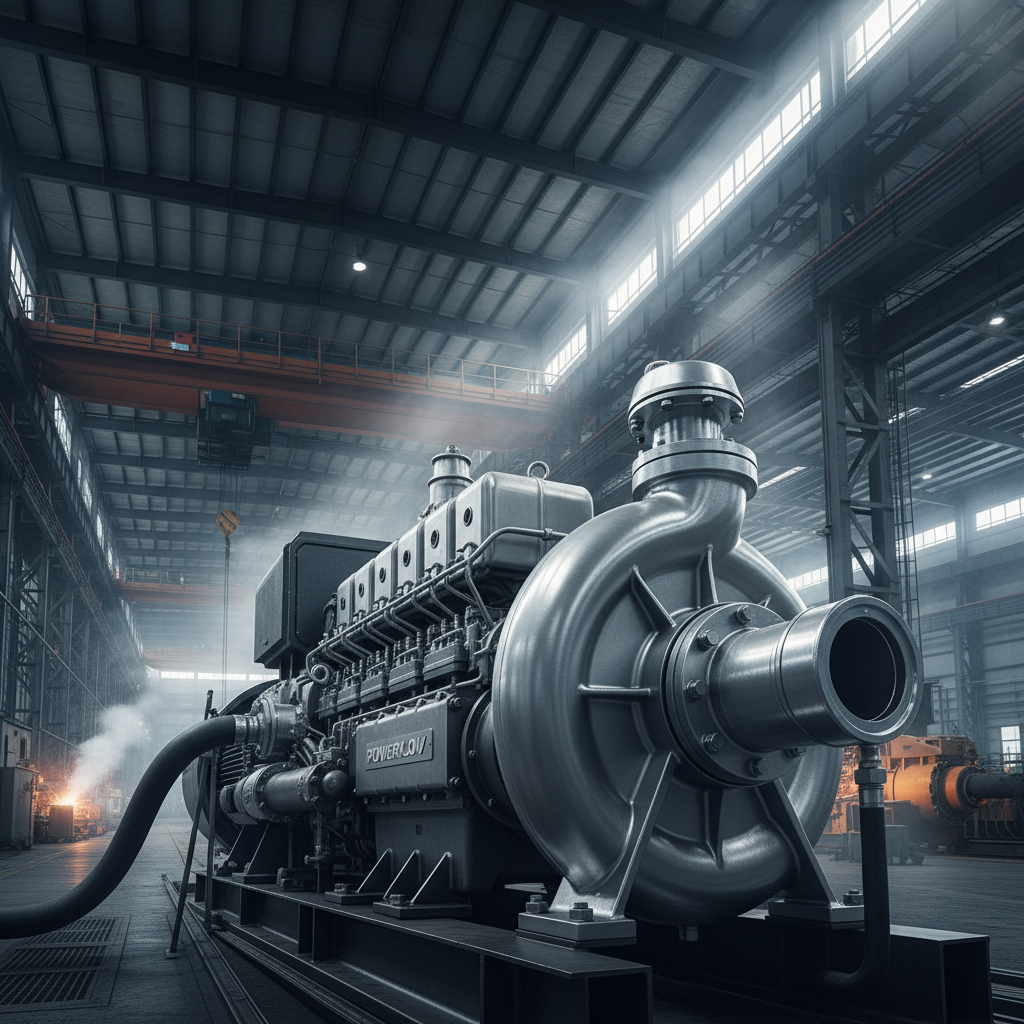
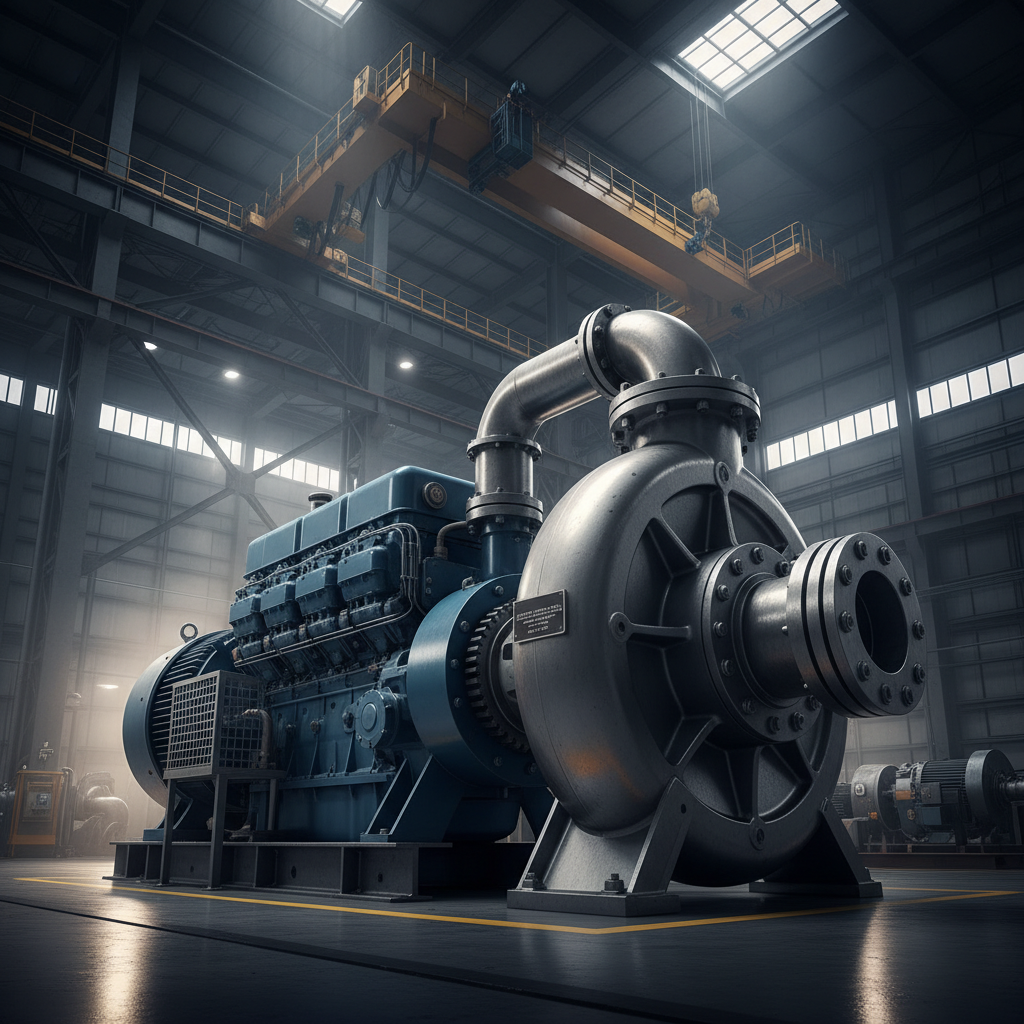
The diesel engine water pump is a self-contained unit consisting of a diesel engine directly coupled to a water pump. This direct coupling provides efficient power transfer and eliminates the need for complex transmission systems. The pump itself can be centrifugal, positive displacement, or another type, chosen based on the specific application and desired flow rate and pressure. This type of pump is a vital piece of equipment where electricity is unavailable, impractical, or unreliable.
Reliable Diesel Engine Water Pump Solutions for Efficient Water Management

Introduction to Diesel Engine Water Pumps

Reliable Diesel Engine Water Pump Solutions for Efficient Water Management

Diesel engine water pumps offer a unique combination of power, portability, and reliability, making them essential in situations where consistent water movement is critical. They are commonly used in agriculture for irrigation, construction for dewatering sites, and in emergency response to provide clean water access. The design allows for operation in harsh environments without reliance on external power sources, a significant advantage over electric pumps.

These pumps are designed for durability and longevity, capable of handling demanding tasks and prolonged operation. Their robust construction and relatively simple maintenance requirements contribute to a low total cost of ownership, making them an attractive investment for businesses and organizations that require dependable water pumping solutions. The adaptability of diesel engine water pumps to a variety of fuel sources is another benefit, enhancing their operational flexibility.

Defining the Diesel Engine Water Pump

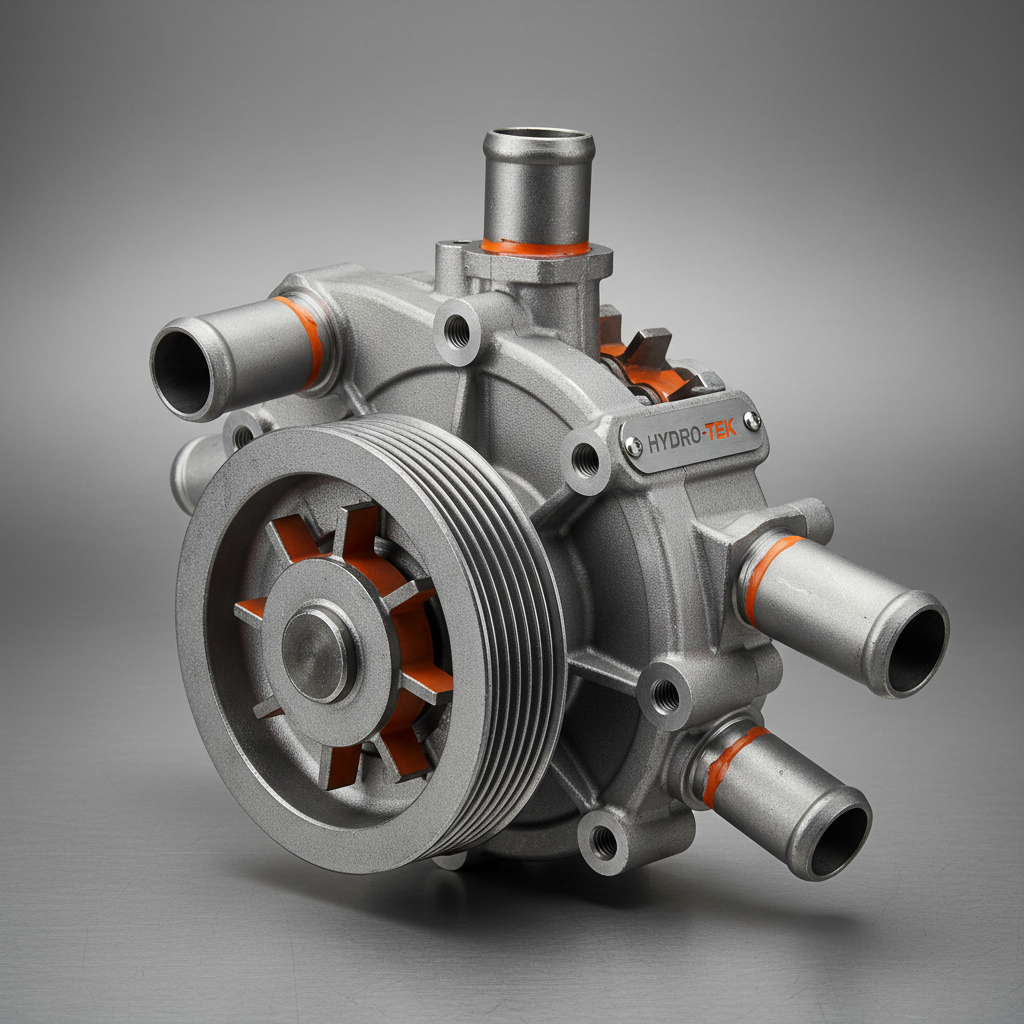
A diesel engine water pump is a self-contained pumping system utilizing a diesel engine as its primary power source. The engine directly drives a pump – often a centrifugal or positive displacement pump – to move water from one location to another. This integrated design distinguishes it from electric pumps which require a separate power supply. The pumps come in various sizes and configurations, tailored to suit different flow rate, pressure, and head requirements.

The core function of a diesel engine water pump is to transfer water, whether it’s for irrigation, drainage, firefighting, or supplying potable water. This makes it a critical piece of infrastructure in many contexts. Unlike electric pumps, a diesel engine water pump does not require a connection to the power grid, which makes it a vital solution in remote areas or during power outages.

The connection to modern industry and humanitarian needs is direct; reliable water access is foundational for agriculture, manufacturing, and public health. In disaster relief scenarios, diesel engine water pumps are often the first line of defense in providing clean water to affected populations, contributing significantly to disease prevention and overall wellbeing.

Core Components and Characteristics

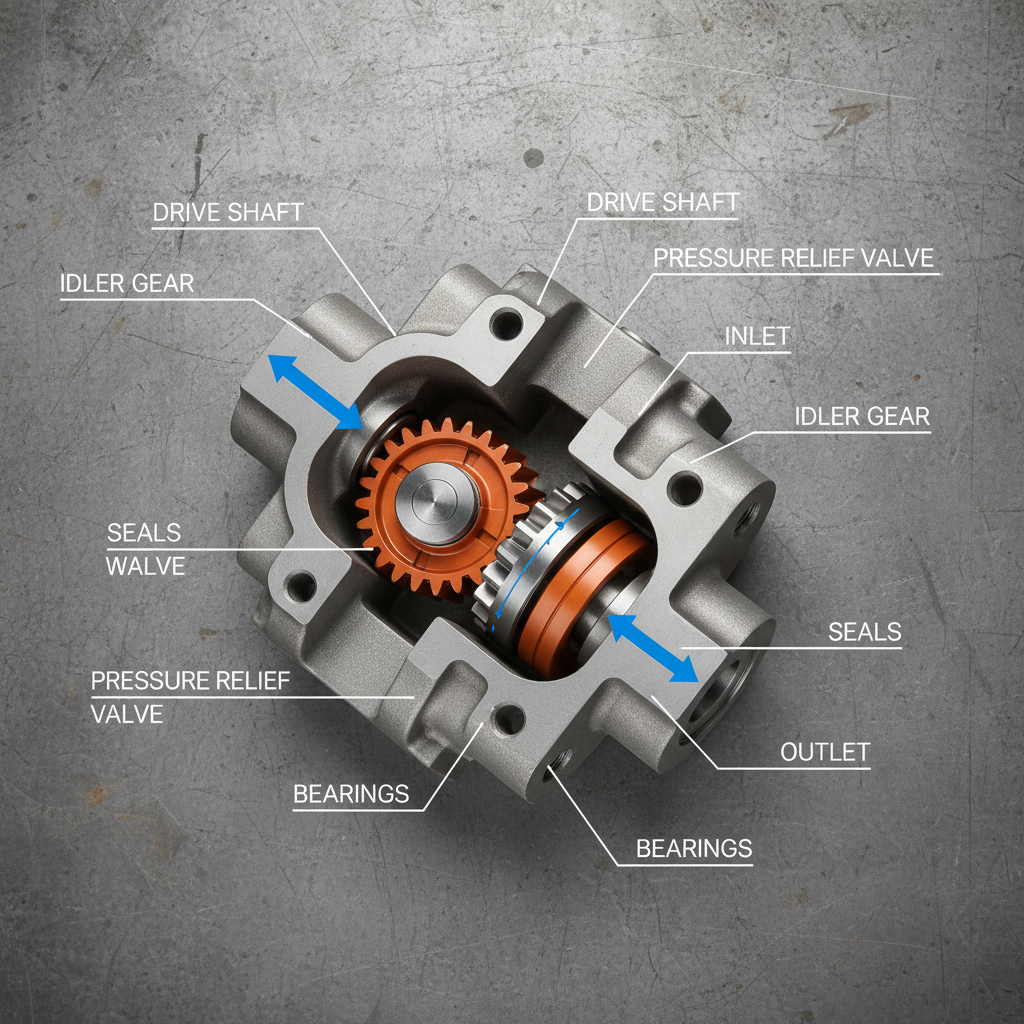
Several key factors define the effectiveness and reliability of a diesel engine water pump. The first is the engine itself: the quality of the diesel engine directly impacts the pump's power, efficiency, and lifespan. Considerations include horsepower, fuel efficiency, and emissions standards. The type of pump head (centrifugal, positive displacement, etc.) also significantly affects performance, with each type suited to different applications and fluid characteristics.

The pump’s materials of construction are crucial for durability and resistance to corrosion. Cast iron, stainless steel, and engineered plastics are commonly used, depending on the water quality and operating environment. Furthermore, the pump's control system – including gauges, valves, and automatic shut-off mechanisms – ensures safe and efficient operation. Fuel filtration is also extremely important.

Finally, the overall design of the unit, including its portability, ease of maintenance, and noise levels, are important characteristics to consider. Compact, lightweight designs with readily accessible components facilitate transport and servicing, minimizing downtime and maximizing operational efficiency.

Key Performance Factors

Several key performance factors determine the suitability of a diesel engine water pump for a given application. These include flow rate (the volume of water pumped per unit time), head (the maximum height to which the pump can lift water), and suction lift (the vertical distance from the water source to the pump inlet). Understanding these factors is critical for selecting the right pump for the job.

Another important factor is fuel efficiency, impacting the operating costs of the pump. Higher efficiency translates to lower fuel consumption and reduced emissions. The pump’s reliability and lifespan are also crucial considerations, influenced by the quality of its components and the robustness of its construction.

Diesel Engine Water Pump Performance Comparison


Global Applications and Use Cases

Diesel engine water pumps find application across a remarkably diverse range of sectors globally. In agriculture, they are used for irrigation, livestock watering, and crop spraying, particularly in regions where access to electricity is limited. Construction sites utilize these pumps for dewatering excavations, controlling dust, and supplying water for concrete mixing.

Mining operations employ them for removing water from mines, preventing flooding, and supplying water for processing. Furthermore, diesel engine water pumps are critical in emergency response situations, providing a reliable source of water for firefighting, disaster relief, and supplying potable water to affected communities. In post-disaster relief operations, their portability and independence from grid power are invaluable.

Advantages and Long-Term Value

The advantages of utilizing a diesel engine water pump are numerous. The primary benefit is their independence from the electrical grid, making them ideal for remote locations or emergency situations. Their durability and reliability ensure long-term operation with minimal downtime, contributing to a lower total cost of ownership. The ability to handle various water qualities and viscosities further expands their versatility.

From a sustainability perspective, while diesel engines are not emission-free, advancements in engine technology are continuously reducing their environmental impact. The social impact is significant, providing access to clean water for communities in need and supporting critical infrastructure in developing regions. The trust and confidence in their proven performance contribute to their widespread adoption.

Future Trends and Innovations

The future of diesel engine water pump technology is focused on improving efficiency, reducing emissions, and enhancing automation. Developments in diesel engine technology, such as common rail injection and variable geometry turbochargers, are leading to improved fuel efficiency and lower emissions. The integration of smart sensors and IoT connectivity enables remote monitoring and control, optimizing pump performance and reducing maintenance costs.

Furthermore, research into alternative fuels, such as biodiesel and synthetic diesel, offers the potential to further reduce the environmental impact of these pumps. Digital transformation is playing a key role, with data analytics providing insights into pump performance and enabling predictive maintenance. These innovations position the diesel engine water pump to continue playing a critical role in water management for years to come.

FAQS

What size diesel engine water pump do I need for a 10-acre farm irrigation system?

Determining the correct size requires assessing your water needs, including crop type, soil conditions, and elevation changes. Generally, a 10-acre farm might require a pump delivering between 100-300 gallons per minute (GPM) with a total dynamic head (TDH) of 50-150 feet. Consulting with an irrigation specialist is recommended for a precise calculation based on your specific requirements. Considering the flow rate and head when selecting a diesel engine water pump is crucial for efficient irrigation.

How often should I perform routine maintenance on my diesel engine water pump?

Routine maintenance is essential for extending the life of your diesel engine water pump. At a minimum, check the engine oil level, air filter, and fuel filter every 50 operating hours. Change the oil and filters every 250-500 operating hours, depending on the operating conditions. Regularly inspect hoses, belts, and connections for wear and tear. Following the manufacturer’s recommended maintenance schedule is vital for optimal performance and preventing costly repairs.

What are the common issues encountered with diesel engine water pumps and how can they be resolved?

Common issues include fuel contamination, clogged filters, overheating, and low oil pressure. Fuel contamination can be addressed by draining the fuel tank and refilling with clean diesel. Clogged filters should be replaced promptly. Overheating can be caused by a faulty cooling system or inadequate ventilation, requiring inspection and repair. Low oil pressure indicates a potential engine problem and requires immediate attention. Regular maintenance can prevent many of these issues.

Can diesel engine water pumps be used with different types of water sources, such as wells, rivers, or ponds?

Yes, diesel engine water pumps can be adapted for use with various water sources. However, it’s important to choose the appropriate pump type and intake configuration. For wells, a submersible pump is often preferred, while for rivers or ponds, a surface-mounted pump with a strainer is suitable. Consider the water quality and potential debris when selecting the pump and intake system to prevent damage and ensure efficient operation. A pre-filter may be needed if the water source has high sediment content.

What are the safety precautions to follow when operating a diesel engine water pump?

Safety is paramount. Always operate the pump in a well-ventilated area to prevent carbon monoxide buildup. Ensure the pump is properly grounded to prevent electrical shock. Wear appropriate personal protective equipment (PPE), including safety glasses and gloves. Never attempt to repair the pump while it is running. Follow all manufacturer’s safety guidelines and local regulations.

How does the environmental impact of a diesel engine water pump compare to electric alternatives?

While electric pumps have zero tailpipe emissions, diesel engine pumps offer independence from the grid. The environmental impact of a diesel pump depends on factors like engine efficiency, fuel type, and usage patterns. Modern diesel engines with advanced emission controls are significantly cleaner than older models. Utilizing biodiesel or synthetic diesel fuels can further reduce the carbon footprint. Life cycle assessments are important for comprehensive comparison, considering manufacturing, operation, and disposal.

Conclusion

Diesel engine water pumps remain a vital technology for a broad spectrum of applications, offering a powerful and reliable solution for water management in situations where grid power is unavailable or impractical. Their durability, portability, and ability to handle diverse water sources make them invaluable in agriculture, construction, emergency response, and various industrial processes. The ongoing advancements in engine technology and the integration of smart features are further enhancing their efficiency and sustainability.

Looking ahead, the future of diesel engine water pumps lies in continued innovation – reducing emissions, optimizing fuel efficiency, and incorporating advanced monitoring and control systems. As global demand for water continues to grow, these pumps will undoubtedly play an increasingly important role in ensuring access to this essential resource. Explore our range of diesel engine water pump solutions today!

David Miller

David Miller

David Miller serves as the Senior Application Engineer at HEBEI LONGSHENGTENGYU PUMP INDUSTRY CO., LTD. With over 12 years of experience in the hydraulic industry, David specializes in the application of gear pumps within construction and heavy machinery. He holds a Master’s degree in Mechanical Engineering and is a key
Previous Engine Pump Water Systems for Efficient Water Transfer and Global Applications
Next Leading Industrial Water Pump Manufacturer for Efficient Water Management
https://www.autolsty.com/static/autolsty/icon11.png autolsty@163.com autolsty@163.com up2

If you are interested in our products, you can choose to leave your information here, and we will be in touch with you shortly.