








Local Context
Hydraulic Machinery Market in Greece
Analyzing the intersection of geography, infrastructure, and technical demand.
The Greek industrial landscape is characterized by a strong reliance on construction and agricultural machinery, particularly in urban development and mountainous terrain. Given the geographic diversity of Greece, from the rocky islands to the mainland's rugged interiors, hydraulic equipment is subjected to severe environmental stress. Local operators prioritize reliability and durability, as the cost of machine downtime in remote construction sites can be prohibitive. This creates a consistent demand for high-quality pumps and valves that can withstand dust, salt-air corrosion, and varying load cycles.
Current market trends indicate a shift toward higher energy efficiency and reduced operational costs. Greek firms are increasingly moving away from generic, low-cost components toward precision-engineered solutions that offer longer service lives. The integration of more sophisticated hydraulic systems in modern excavators and road-building machinery has increased the demand for specialized gear pumps with tighter tolerances. There is also a growing emphasis on "total cost of ownership," where buyers evaluate a pump not just by its initial price, but by its fuel-saving potential and maintenance intervals.
Despite the growth in modernization, the market faces constraints in local specialized manufacturing, making imports a critical pillar of the industry. This creates an opportunity for manufacturers who can offer both technical expertise and efficient logistics. The outlook for the Greek market is positive, with continued infrastructure investments driving the need for robust hydraulic and cooling systems. Companies that provide customized products and on-site technical support are likely to gain a competitive advantage by bridging the gap between global manufacturing and local operational needs.
Technical Journey
The Evolution of Hydraulic Pumping Technology
From basic fluid movement to precision-controlled hydraulic power.
Early Phase
Mechanical Foundation
Initial focus was on simple displacement and durability. Pumps were heavy, cast-iron units with wide tolerances, providing basic power but suffering from high internal leakage and low efficiency.
Adoption Phase
Material Innovation
The introduction of high-strength aluminum alloys and advanced NBR seals reduced weight and improved sealing. Standardization of flanges began, allowing for easier interchangeability across brands.
Current Phase
Precision Optimization
Current systems utilize CNC flexible machining centers and computer-controlled testing to achieve peak volumetric efficiency, minimizing heat generation and maximizing energy output.
Shift to Alloy Integration
The transition from pure cast iron to composite alloy bodies has allowed pumps to handle higher pressures while reducing the overall mass of the hydraulic assembly, which directly improves the fuel efficiency of mobile machinery.
Digital Quality Validation
Moving from manual sampling to 100% automated testing ensures that every gear pump maintains a consistent flow rate, removing the "luck of the draw" from industrial procurement processes.
Environmental Adaptation
Modern cooling pumps are now engineered specifically for varying climate zones, with specialized impeller geometries that maintain efficiency even when the viscosity of the coolant changes due to heat.
Future Outlook
Emerging Trends in Pumping Technology
Anticipating the next wave of innovation in fluid power and thermal management.
Adaptive Flow Control
The move toward variable displacement systems that adjust flow based on real-time load, reducing parasitic power loss and lowering engine wear.
Eco-Compatible Fluids
Engineering pumps to be compatible with biodegradable hydraulic oils, meeting stricter EU environmental regulations without sacrificing lubrication quality.
Predictive Wear Monitoring
Integration of sensors to monitor vibration and temperature, allowing operators to replace pumps before a catastrophic failure occurs.
Hybrid Thermal Systems
Combining traditional water cooling with active oil cooling to manage the extreme heat generated by high-pressure hydraulic gear pumps.
The shift toward smarter, more efficient pumping systems is driven by the global imperative to reduce carbon footprints and operating costs. In the context of the European market, this means that hydraulic components must not only provide raw power but also precise control. The convergence of material science and digital testing allows for the creation of pumps that can handle higher pressures with less internal friction, directly translating to lower fuel consumption for the end-user.
Furthermore, the demand for customized hydraulic solutions is rising. As machinery becomes more specialized for different types of terrain—such as the coastal and mountainous regions of Greece—the one-size-fits-all approach to pump design is becoming obsolete. Future growth will be defined by the ability to tailor pump specifications to the specific duty cycle of the machine, ensuring optimal performance and extending the overall lifespan of the equipment.
Real-World Application
Implementation in Diverse Greek Environments
How our pumping solutions perform across different industrial and geographic settings.
01
Athens Urban Infrastructure Project - Excavator Gear Pumps
In the dense urban environment of Athens, excavators operate in high-stop-start cycles. The high ambient city heat puts immense pressure on cooling systems. By utilizing our high-efficiency gear pumps, operators maintain consistent hydraulic pressure for precise digging in confined spaces, while our optimized engine cooling water pump prevents overheating during prolonged idling in traffic-heavy areas.
02
Thessaloniki Port Logistics - Heavy Lifting Machinery
Port machinery faces the dual challenge of heavy continuous loads and corrosive salt air. Standard pumps often suffer from accelerated seal wear. Implementing our pumps with Viton sealing and corrosion-resistant alloy bodies ensures that the lifting mechanisms remain leak-free, reducing the frequency of maintenance shutdowns and improving the overall throughput of the terminal.
03
Crete Agricultural Terracing - Specialized Tractors
Tractors working on the steep terraces of Crete require high hydraulic torque at low speeds. Our fixed displacement gear pumps provide the necessary pressure stability to operate heavy attachments on uneven slopes. The robust design ensures that the hydraulic system does not lose prime during extreme tilting, maintaining operational safety and efficiency in difficult terrain.
04
Peloponnese Road Construction - Paving Machines
Road paving equipment requires extremely smooth hydraulic flow to ensure a level surface. Any pulsation in the gear pump can lead to irregularities in the asphalt. By employing our precision-ground gear pumps, the flow remains laminar and consistent, resulting in higher quality road surfaces and reducing the need for corrective rework.
05
Northern Greece Mining Operations - Heavy Excavators
Mining equipment in the north operates in dusty, abrasive environments where contaminants can easily enter the hydraulic system. Our pumps feature enhanced filtration compatibility and reinforced housings that protect internal gears from abrasive wear, ensuring that the machines can maintain peak digging force without premature failure.
Operational Feedback
Representative Deployment Perspectives
Insights based on typical operator experiences with our hydraulic solutions.
Integrating these gear pumps into our fleet of excavators has noticeably reduced the frequency of hydraulic system overheating during the summer months. The volumetric efficiency is consistent, and the fitment was exact, requiring no modifications to our existing lines.
The durability of the seals in these water pumps is impressive. In a salt-heavy coastal environment, we usually see leakage within a year, but these units have maintained their integrity, significantly lowering our unplanned maintenance costs.
Finding a supplier that combines technical precision with fast delivery to Greece is rare. The quality of the gear pumps is evident in the reduced noise levels and smoother operation of our heavy-duty drilling machinery.
Our Heritage
About Hebei Longshengtengyu Pump Industry
Two decades of dedication to hydraulic and fluid power excellence.
2000
Company Foundation
Founded in China, LSTY began as a specialized water pump manufacturer with a focus on ensured quality and efficient service, establishing the core values of power and reliability.
Past 21 Years
Integration & Growth
The company evolved into a one-shop leading industrial pump provider, integrating R&D, manufacture, resource integration, and trade services to provide both general and specialized water solutions.
Current Status
Technical Leadership
With over 20 hydraulic utility model patents and a team of experts with 10+ years of field experience, LSTY now employs modern flexible machining centers and CAT computer testing to serve global markets.
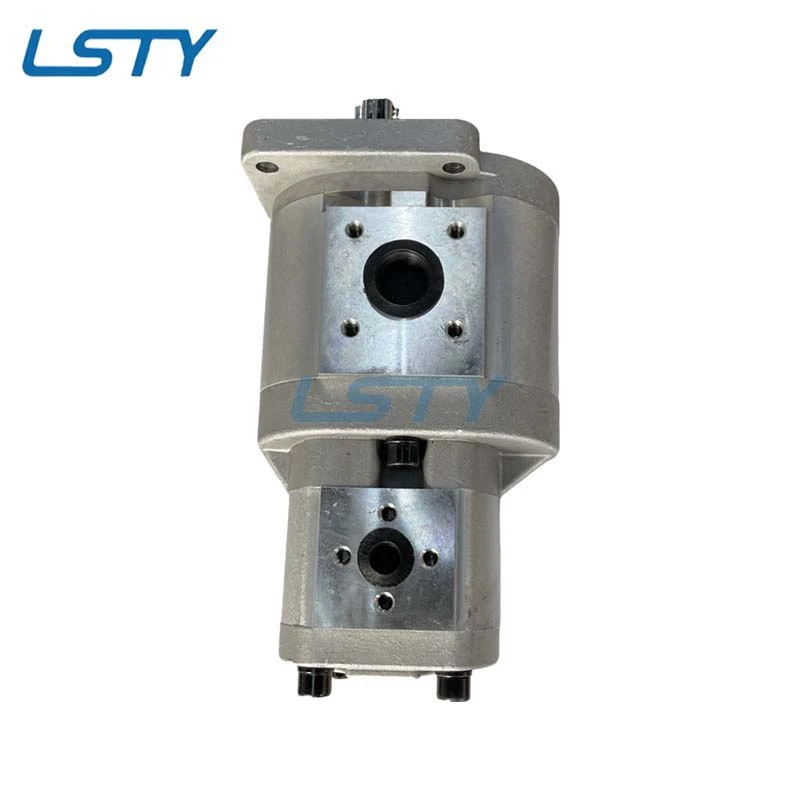
NSH32-10M-3 Nsh Gear Pump Hydraulic Gear Pump NSH32-10M-3 NSH32-10

MB2 MB3 MB4 MB5 hydraulic directional control valve for minsk kubota tractor planter combine monoblock valve

98497117 98465322 FIAT water pump

236-1307155, 7511-1307155 Pump tensioning device with roller YMZ (pulley top)
Technical FAQ
Frequently Asked Questions
Clear answers to common inquiries regarding our pumps and hydraulic systems.
What is the primary difference between a standard gear pump and a precision-engineered excavator gear pump?
The primary difference lies in the manufacturing tolerances and the quality of the gear teeth profiling. Precision-engineered pumps utilize fully automatic gear checking machines and flexible machining centers to ensure a tighter fit between the gears and the housing. This reduces internal leakage (slip), which increases the volumetric efficiency and ensures a more consistent flow rate under high pressure, whereas standard pumps often exhibit higher internal leakage and lower efficiency.
How do I choose the correct oil engine water pump for machinery operating in high-temperature regions like Greece?
When selecting a pump for high-temperature regions, prioritize the flow capacity and the seal material. Ensure the pump can handle the maximum expected thermal load of the engine. We recommend pumps equipped with Viton seals, as they offer superior heat resistance compared to standard NBR. Additionally, verify that the impeller design is optimized for high-efficiency circulation to prevent localized hotspots within the engine block, which is critical during Mediterranean summers.
Can your hydraulic pumps be customized to meet specific Greek industry standards or non-standard fittings?
Yes, we offer extensive customization services. While our standard products follow GSTU and GOST specifications, our integration center can adapt flanges, shafts, and mounting interfaces to match your specific machinery requirements. We can provide customized drawings and prototypes to ensure that the new pump integrates seamlessly into your existing hydraulic circuit without the need for expensive adapter plates or modifications.
What are the typical signs that an excavator gear pump needs to be replaced rather than repaired?
Key indicators include a significant drop in hydraulic pressure, increased noise (such as whining or cavitation sounds), and sluggish movement of the machine's actuators. If you notice metal shavings in the hydraulic oil or a substantial increase in oil temperature, it usually indicates internal gear wear. While seals can be replaced, internal scoring of the housing or gear teeth typically necessitates a full pump replacement to restore original efficiency and prevent system-wide contamination.
How does the use of a high-efficiency engine cooling water pump impact fuel consumption?
An efficient cooling pump reduces the parasitic load on the engine by optimizing the energy required to move the coolant. More importantly, by maintaining the engine at its ideal operating temperature, it prevents the engine from running too hot (which reduces efficiency) or too cold (which increases friction). Proper thermal management ensures optimal combustion and reduced oil viscosity losses, which collectively lead to a measurable decrease in fuel consumption over time.
What is the recommended maintenance schedule for hydraulic gear pumps in construction environments?
In construction environments, the priority is contamination control. We recommend checking hydraulic oil levels daily and replacing filters every 250-500 operating hours, depending on the dust levels. A full oil analysis should be performed every 1,000 hours to check for wear particles. Regularly inspecting the pump mounts for vibration-induced loosening and checking seal integrity for leaks will prevent premature failure and extend the pump's service life significantly.
Expert Consultation
Optimize Your Machinery's Performance with Precision Hydraulic Solutions
Whether you are managing a construction fleet in Athens or industrial equipment in Thessaloniki, ensuring the reliability of your engine cooling pump and hydraulic systems is critical to avoiding costly downtime. Our technical team is ready to help you select the exact specifications for your machinery to maximize efficiency in the Greek climate. Discuss your technical requirements with us today to receive a tailored solution.
Discuss Your Requirements


 English
 Afrikaans
 Arabic
 Belarusian
 Bulgarian
 Esperanto
 French
 German
 Kazakh
 Polish
 Portuguese
 Romanian
 Russian
 Spanish
 Tajik
 Turkish
 Turkmen
 Ukrainian
 Uzbek
 Vietnamese