I spent a damp morning walking through a quietly busy
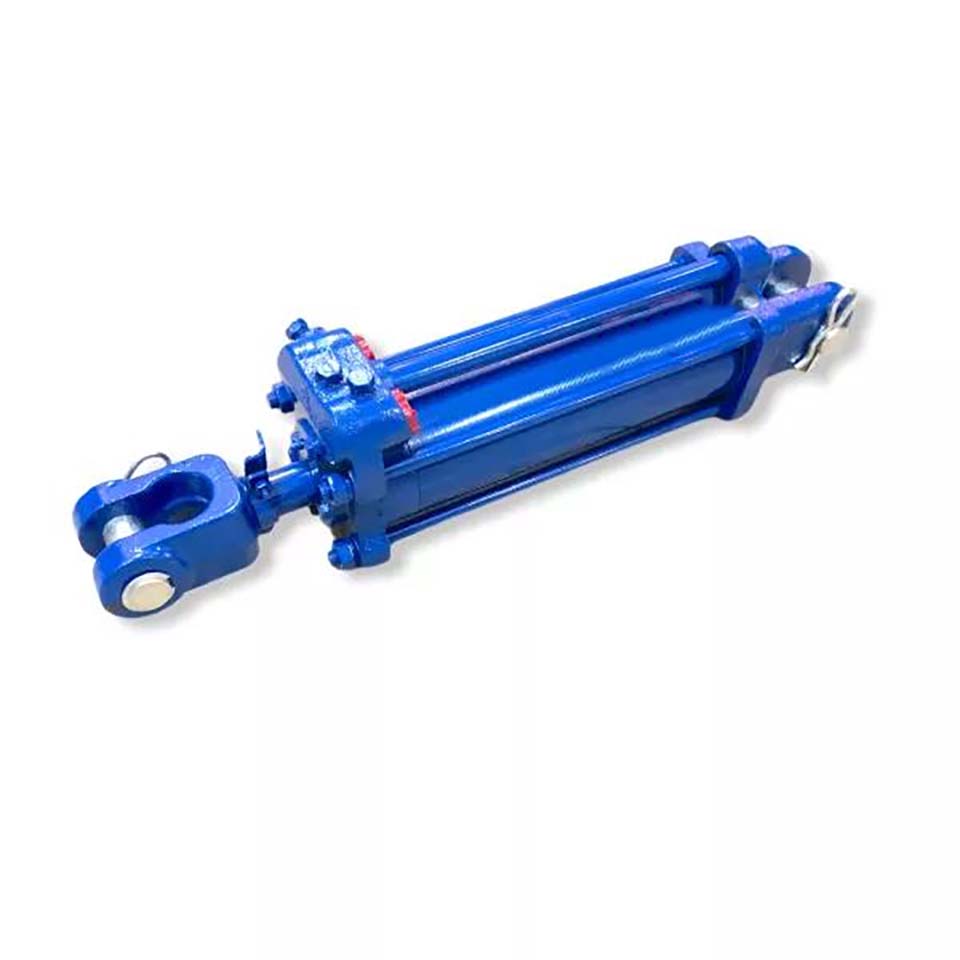
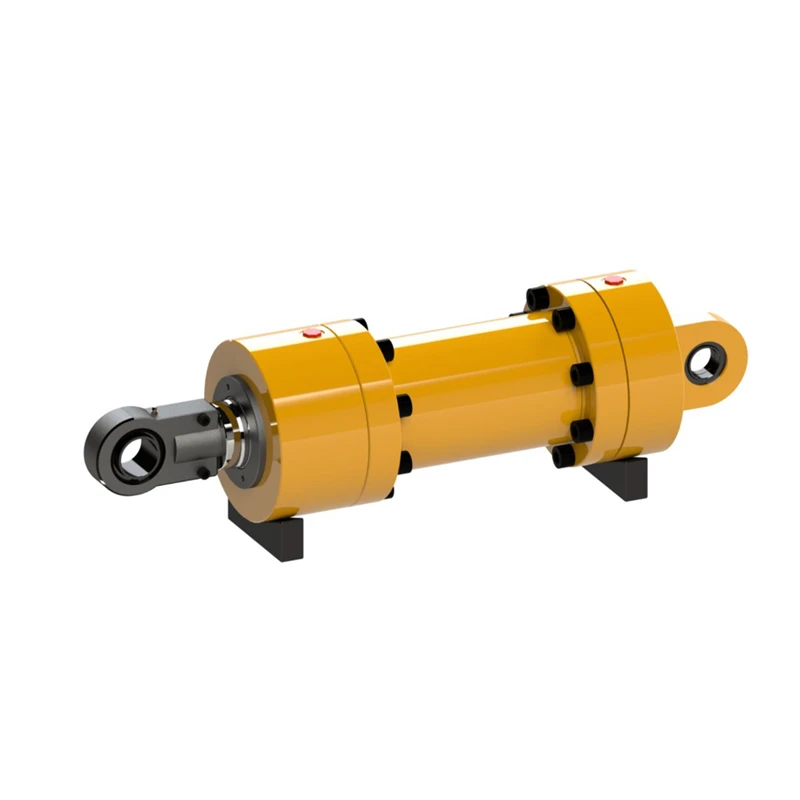
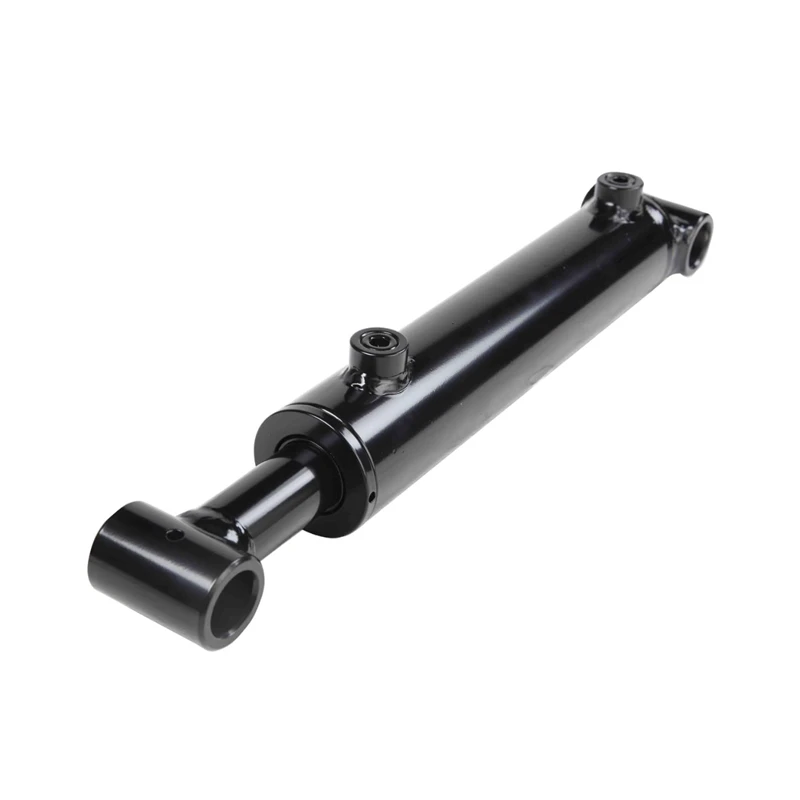
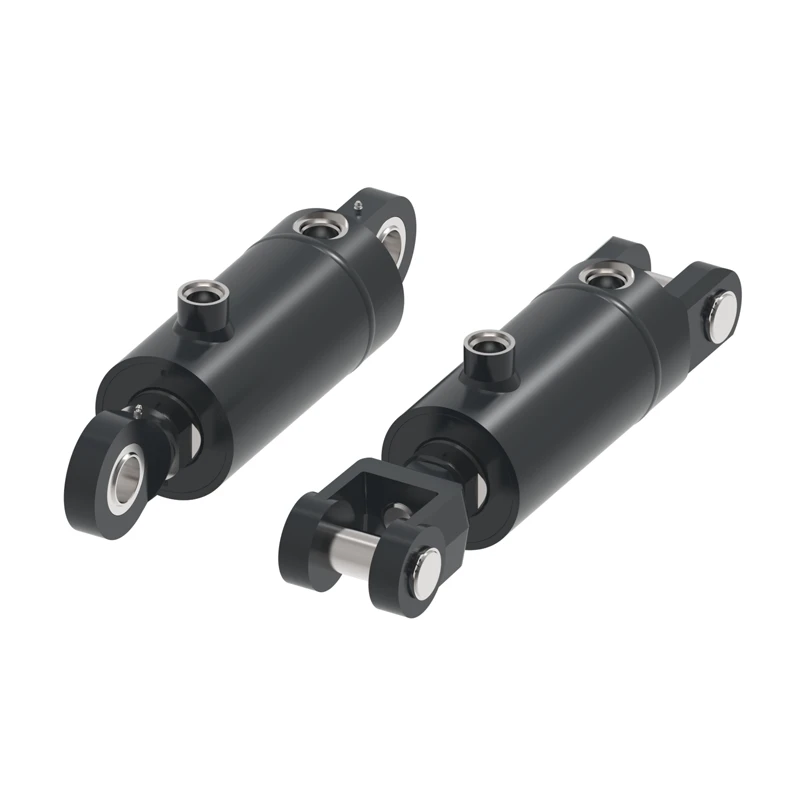
hydraulic cylinder factory in Jichangzhuang Village, Ningjin County, Xingtai City, Hebei, China. Forklifts hummed, weld arcs popped, and—this is not an exaggeration—you could smell clean hydraulic oil. The team was building the C-series hydraulic cylinders ЦС-75200-3, a workhorse for tractors, ag attachments, and trailer hitches. Many customers say these are the “fit-and-forget” kind. I’m inclined to agree.
Industry pulse, briefly: farmers want fewer breakdowns, faster coupling, and cylinders that don’t complain about dust, low temps, or long days. Electrification gets headlines, but hydraulics still shoulder the heavy lifting—especially where torque density and rugged duty cycles rule. Interestingly, I’m seeing more requests for salt-fog-resistant rods and ISO-traceable materials. Sustainability? Yes—longer service life and rebuildability are the real levers.
Product spotlight: C-series hydraulic cylinders ЦС-75200-3
| Product |
C-series hydraulic cylinders ЦС-75200-3 |
| Origin |
Jichangzhuang Village, Ningjin County, Xingtai City, Hebei, China |
| Rated / Max Pressure |
160 bar / 200 bar |
| Piston Diameter |
75 mm |
| Stroke |
200 mm |
| Seals |
NBR/PU standard; Viton on request (real-world use may vary) |
| Mounting & Ports |
Clevis/trunnion options; BSPP or metric ports ≈ G1/2 |
| MOQ / Capacity |
100 pcs MOQ; ≈10,000 pcs/month |
How it’s built (short version): tubes are typically ST52 honed to Ra ≈ 0.2–0.4 μm; rods are CK45/42CrMo with hard chrome or QPQ. Circumferential welding is done with jigs to keep coaxiality tight, then phosphating + powder coat or wet paint. Cleanliness is controlled to ISO 4406 targets, often 18/16/13 for assembly. Final testing? Pressure hold at up to 200 bar, stroke verification, and leak checks per ISO 10100. Service life, I’m told, can reach 1.5–2.0 million cycles at 160 bar if fluid is clean and rods aren’t abused by grit—pretty solid, to be honest.
Where it works: tractors, seeders, plows, balers, dump trailers, and 3-point hitches. Also small loaders where compact stroke and reliable sealing matter. One operator joked, “When the weather turns, I need the hitch to move—no drama.” That’s the brief.
Why choose this
hydraulic cylinder factory? Customization. You can tweak rod coatings (chrome, QPQ, nickel-chrome), seal brands (Parker/Hallite), ports, and mounts. Even laser-etching for traceability (EN 10204 3.1 material certs available). Lead times, frankly, are reasonable because machining and assembly sit under one roof.
| Feature |
Autolsty (Hebei) |
Vendor A (EU Import) |
Vendor B (Low-Cost) |
| Lead Time |
3–5 weeks |
6–8 weeks |
4–6 weeks (variable) |
| MOQ |
100 pcs |
50–100 pcs |
200+ pcs |
| Traceability |
Serial + 3.1 certs |
Serial |
Limited |
| Customization depth |
High (seals/ports/mounts) |
Medium |
Low–Medium |
| Price Range |
Competitive |
Premium |
Low (spec trade-offs) |
Case notes: a northern farm co-op swapped generic cylinders on grain trailers for the 75×200 units. Downtime fell by about 18% over harvest, mostly due to better rod sealing and cleaner porting—nothing flashy, just solid engineering. Mechanics mentioned smoother actuation at cold start, which, frankly, surprised me.
Certifications and tests: factory runs ISO 9001 QMS; designs reference ISO 6020-2 mounting envelopes; acceptance tests follow ISO 10100; cleanliness to ISO 4406. Typical test data (sample batch): leak rate ≤ 2 ml/min at 200 bar; pressure hold 60 s; rod hardness ≈ 28–32 HRC; paint salt-spray ≈ 240 h (ASTM B117). Numbers vary in the real world, but that’s the ballpark.
Final thought: if you need practical cylinders for tractors, implements, or hitches—and a partner who picks up the phone—this
hydraulic cylinder factory merits a visit. Ask about porting standards, seal materials for your climate, and the proof-test values for your exact spec. Small choices, big uptime.
References:
- ISO 6020-2:2019 — Hydraulic fluid power — Mounting dimensions for single-rod cylinders — 16 MPa series.
- ISO 10100:2001 — Hydraulic fluid power — Cylinders — Acceptance tests.
- ISO 4406:2017 — Hydraulic fluid power — Fluids — Method for coding the level of contamination.









 English
  Afrikaans
  Arabic
  Belarusian
  Bulgarian
  Esperanto
  French
  German
  Kazakh
  Polish
  Portuguese
  Romanian
  Russian
  Spanish
  Tajik
Tajik  Turkish
  Turkmen
  Ukrainian
  Uzbek
Uzbek  Vietnamese