






Hydraulic Castings: The Backbone of Modern Industrial Solutions
Hydraulic castings might not be on everyone’s everyday radar, but frankly, they are crucial components powering countless industries worldwide. From construction equipment to aerospace machinery, these castings ensure durability and precision where it truly counts. Understanding hydraulic castings isn’t just for engineers or manufacturing specialists — it offers insight into how complex systems get the job done reliably and efficiently, with sustainability increasingly in focus.
Global Relevance of Hydraulic Castings
The global industrial manufacturing sector is expected to cross $40 trillion by 2030 1, with hydraulic systems playing a significant role in heavy machinery, vehicles, and infrastructure projects. Hydraulic castings form the foundation of many of these systems, crafted meticulously to deliver strength and precision. Given the escalating demands for infrastructure development in Asia-Pacific and ongoing modernization in Europe and the Americas, the need for reliable hydraulic castings is more pressing than ever.
However, we face challenges: raw material shortages, environmental constraints, and ever-tougher regulatory requirements. Hydraulic castings offer solutions by enhancing efficiency and reliability, which means fewer breakdowns, longer service lives, and overall cost reductions — something every industry player craves.
What Are Hydraulic Castings?
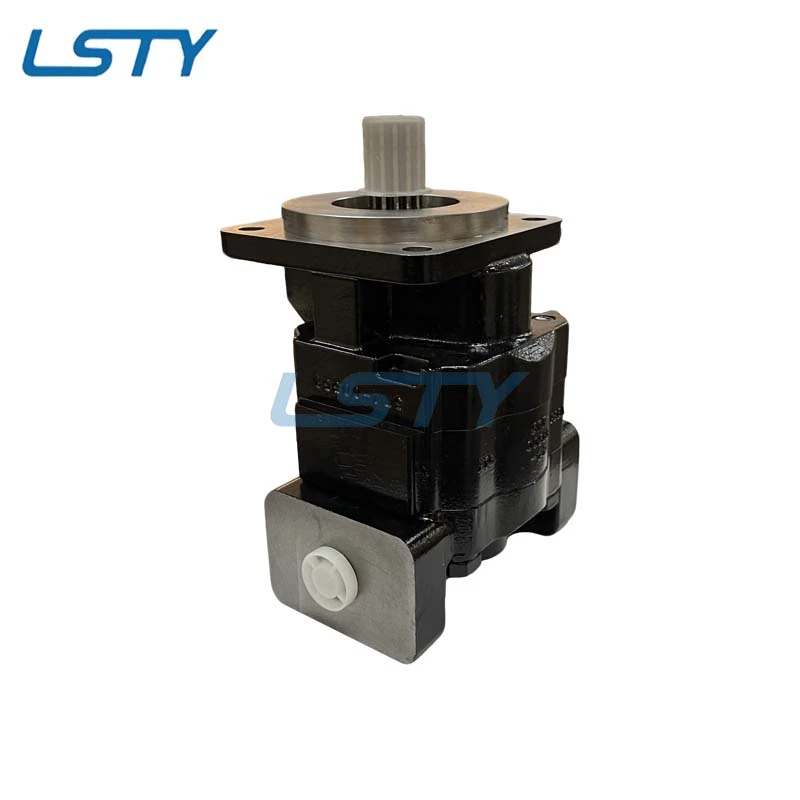
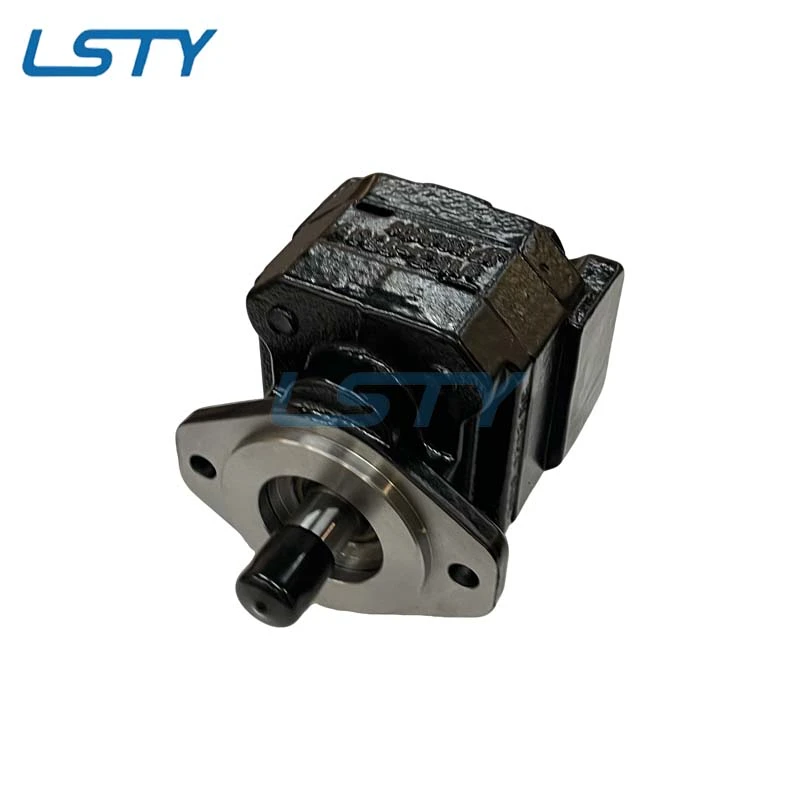
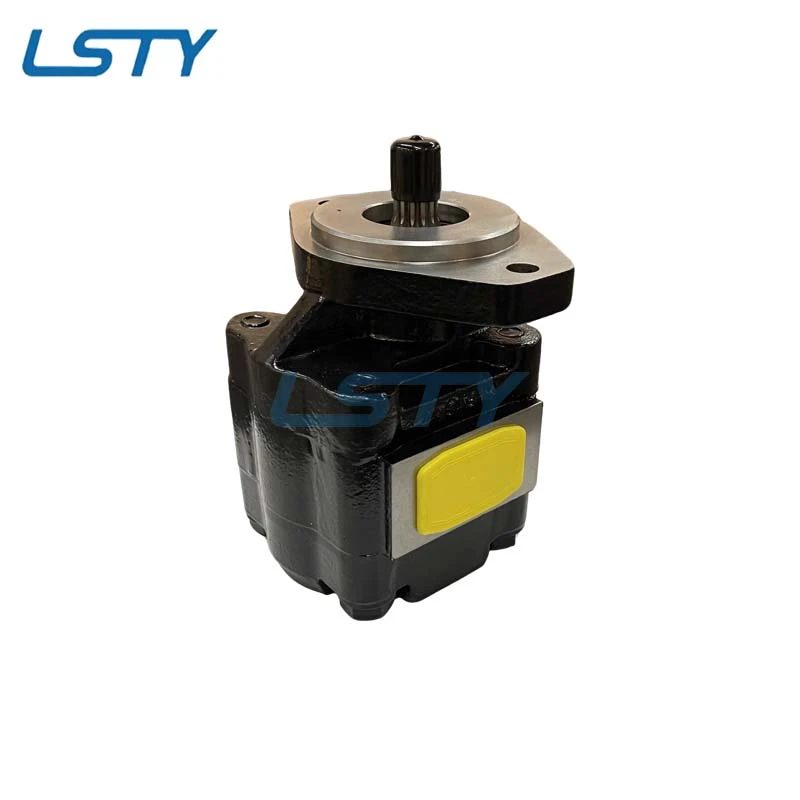
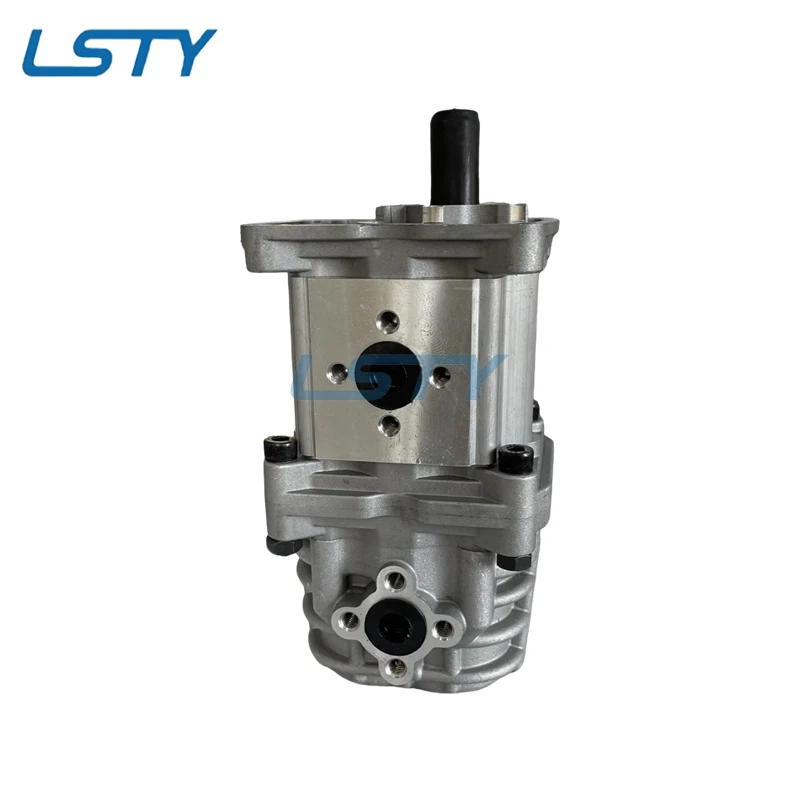
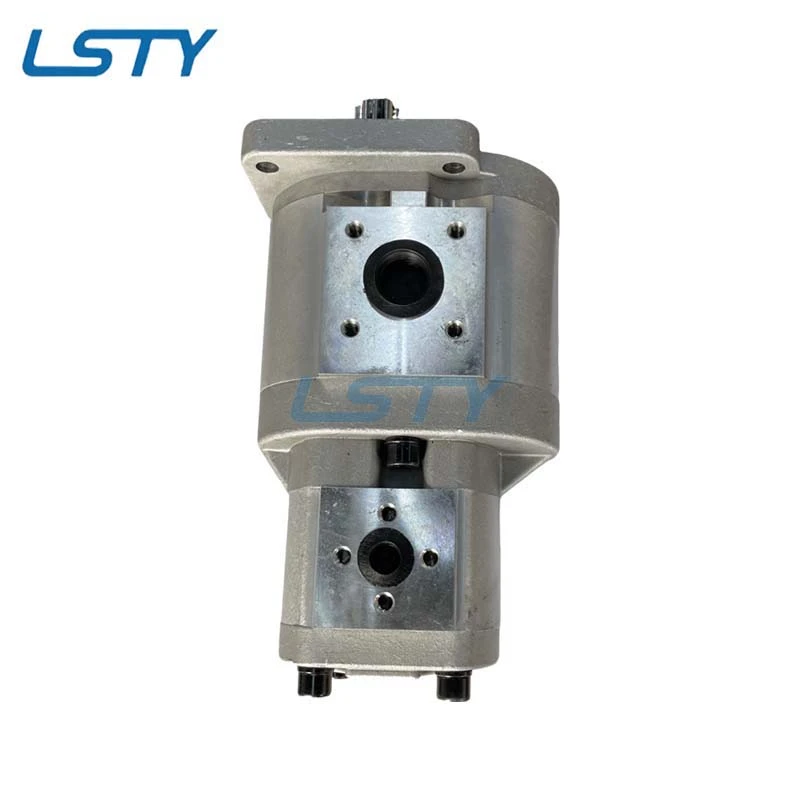
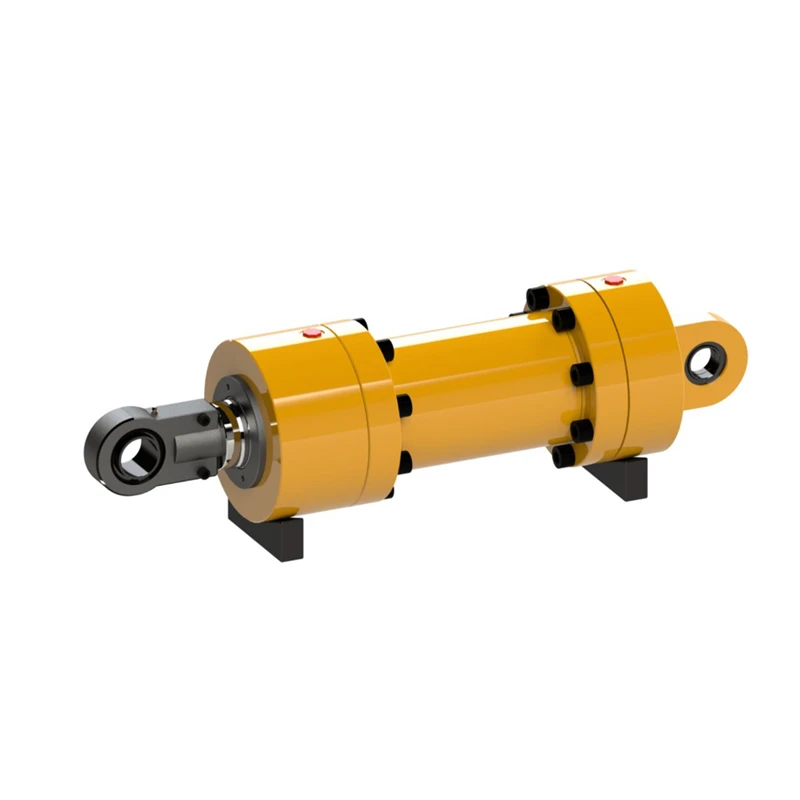
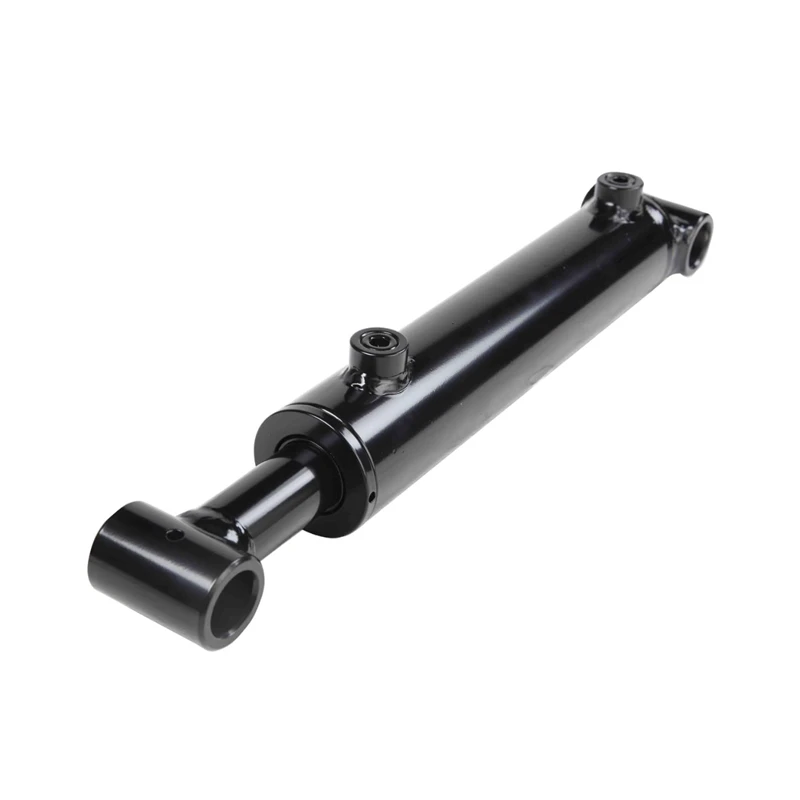
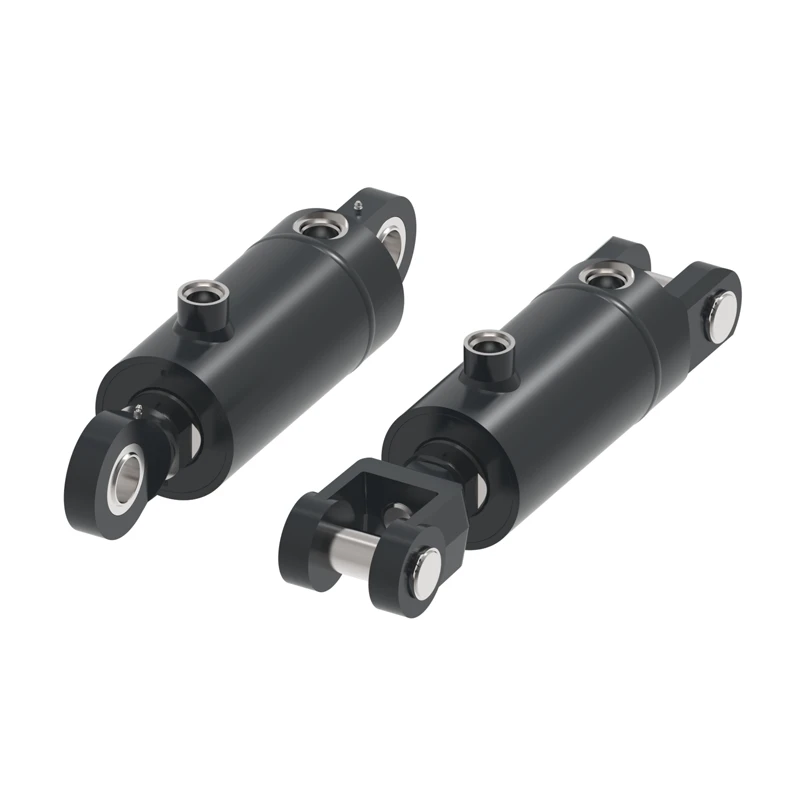
In simple terms, hydraulic castings are metal components shaped through casting processes designed explicitly for hydraulic systems — think cylinders, valves, pumps, and manifolds. These castings must withstand extreme pressure, resist corrosion, and maintain dimensional accuracy to keep fluid power systems running smoothly. They're engineered to meet the demands of modern industrial, agricultural, and even humanitarian equipment — like remote water pumps in developing regions or disaster relief machinery that must work immediately and without fail.
Key Factors Defining Hydraulic Castings
Durability and Strength
Hydraulic components experience significant force and wear. The casting materials, often various grades of steel, iron, or aluminum alloys, are chosen for their resistance to fatigue and deformation. This durability speaks to safety and longevity, which in real-world applications means less downtime and better investment returns.
Precision and Dimensional Stability
These parts must fit perfectly within hydraulic circuits. Even a slight deviation can cause leaks or failure. Advanced casting techniques, combined with CNC finishing, ensure tight tolerances crucial for leak-proof performance.
Cost Efficiency
While raw materials and production methods vary, hydraulic castings often offer a more cost-effective alternative to machining parts from solid billets. Plus, the ability to produce complex shapes in one step reduces assembly times.
Corrosion Resistance
Since many hydraulic systems operate in harsh environments — from underwater dredging to outdoor construction — anti-corrosion properties become paramount. Specialized coatings or alloy compositions help extend component life.
Customizability
Hydraulic castings can be tailored for size, weight, and material according to application specifics — a huge advantage for sectors where one size doesn’t fit all.
Scalability in Production
Whether you need hundreds or thousands, casting processes scale better than some precision machining routes, helping manufacturers respond flexibly to demand swings.
Product Specification Snapshot
| Specification | Typical Range |
|---|---|
| Material | Steel alloys, Ductile Iron, Aluminum |
| Weight Range | 0.5 kg to 150 kg |
| Pressure Tolerance | Up to 5000 psi (approx. 340 bar) |
| Typical Casting Process | Sand casting, Investment casting |
| Surface Finish | Machined to ±0.01mm tolerance |
Where Hydraulic Castings Make a Difference Globally
Industries worldwide are built on hydraulic castings. In Southeast Asia, heavy machinery like excavators used in infrastructure projects rely on these components for tough jobs. European manufacturers integrate hydraulic castings into precision automation and robotics, while North America’s agricultural sector depends on them for tractors and irrigation systems, especially in drought-prone zones.
Even humanitarian efforts aren’t exempt. For instance, in post-disaster relief operations, hydraulic castings enable the rapid deployment of equipment like portable water pumps and cranes—machines that have to operate immediately under almost impossible conditions.
Vendor Comparison Table
| Vendor | Material Options | Typical Lead Time | Custom Design Support | Sustainability Certifications |
|---|---|---|---|---|
| CastCo Inc. | Steel, Aluminum | 4-6 weeks | Yes | ISO 14001 |
| HydroFab Ltd. | Ductile Iron, Steel | 5-7 weeks | Partial | None |
| PrecisionHydro | Aluminum Alloy | 3-5 weeks | Yes | ISO 9001 |
Advantages and Long-Term Value of Hydraulic Castings
- Reliability: They ensure minimal system failures in critical hydraulic applications.
- Cost Savings: Longer lifespan and fewer repairs reduce total operational cost.
- Environmental Impact: Using recyclable alloys and eco-friendly processes aligns with sustainability goals.
- Safety & Trust: Reliable parts help protect workers and sensitive equipment.
- Innovation Support: Custom castings enable newer machinery designs.
In many ways, the emotional peace of mind knowing your machinery won’t fail when it matters — that’s something no budget sheet can fully quantify, but it’s often the real driving factor behind choosing quality hydraulic castings.
Future Trends and Innovations
The landscape is evolving. Additive manufacturing, or 3D printing, is beginning to touch hydraulic casting design, especially for prototypes or complex shapes that are hard to cast traditionally. Green energy sectors push for lighter, stronger castings, using novel aluminum and magnesium alloys. Furthermore, automation in foundries improves precision and reduces waste, while IoT sensors embedded in hydraulic systems will eventually allow predictive maintenance at a new scale.
Common Challenges & Expert Solutions
Hydraulic castings face hurdles such as porosity defects, dimensional inaccuracies, and lead time variability. However, advanced quality control methods and process automation increasingly identify and prevent these issues early on. For example, real-time thermal monitoring during casting melts down the number of rejects and boosts yield.
FAQ: Frequently Asked Questions About Hydraulic Castings
- Q: How do hydraulic castings differ from machined parts?
A: Hydraulic castings are formed by pouring molten metal into molds, typically offering cost-effective shapes and sizes with faster production for complex designs compared to machining, which cuts from solid metal and may be more precise but costlier. - Q: What materials are best for hydraulic castings in corrosive environments?
A: Stainless steel alloys and specially coated ductile iron are preferred for their corrosion resistance, especially in marine or chemical exposure scenarios. - Q: How can manufacturers ensure quality in hydraulic castings?
A: Implementing non-destructive testing (NDT) like X-ray or ultrasonic inspection along with dimensional checks helps maintain high product standards. - Q: Are hydraulic castings recyclable?
A: Yes, many hydraulic castings use recyclable metals like steel and aluminum, aligning with circular economy principles.
Conclusion: Why Hydraulic Castings Matter for the Long Haul
Ultimately, hydraulic castings quietly form the foundation for industries that build our future — from infrastructure projects to lifesaving humanitarian equipment. Their blend of durability, precision, and adaptability makes them invaluable. If you’re eager to explore high-quality hydraulic casting solutions, do check out hydraulic castings for an expansive range of proven products tailored to your needs.
It’s not just metal; it’s the pulse behind powerful systems we rely on daily.
References:
1. World Bank, Global Manufacturing Data (2022)
2. International Organization for Standardization (ISO) – Metal Casting Standards
3. Wikipedia contributors. Hydraulic Machinery. Wikipedia, The Free Encyclopedia.
-
Choosing the Right Bucket Truck Hydraulic Pump for Aerial LiftsNewsApr.16,2026
-
Ultimate Guide to Selecting a bi directional hydraulic pumpNewsApr.09,2026
-
Comprehensive Guide to Backhoe Hydraulic Pump Selection and MaintenanceNewsApr.07,2026
-
Comprehensive Guide to Hydraulic Pumps Types Applications and MaintenanceNewsApr.04,2026
-
Reliable Zetor Water Pump - Durable Cooling Solutions for Industrial EquipmentNewsJan.04,2026
-
Engine Water Pump Diagram – Durable & Efficient Solutions by AutolstyNewsJan.03,2026
-
Engine Water Pump Function: Essential Insights from Industry ExpertsNewsJan.03,2026


 English
  Afrikaans
  Arabic
  Belarusian
  Bulgarian
  Esperanto
  French
  German
  Kazakh
  Polish
  Portuguese
  Romanian
  Russian
  Spanish
  Tajik
Tajik  Turkish
  Turkmen
  Ukrainian
  Uzbek
Uzbek  Vietnamese