






Hydraulic Casting: Durable, Precise Solutions for Industrial Manufacturing | Autolsty
Back to listHydraulic Casting is a key solution in the industry, specifically within precision manufacturing and heavy machinery sectors. This article explores how https://www.autolsty.com supports professionals with durable, high-performance products, and explains why this product is an ideal choice for businesses in these sectors.
Table of Contents
- Hydraulic Casting Overview
- Benefits & Use Cases of Hydraulic Casting
- Cost, Maintenance & User Experience
- Sustainability & Market Trends
Hydraulic Casting Overview
Hydraulic casting is a specialized manufacturing process that involves using hydraulic pressure to force molten metal into molds. Frankly, it’s an ingenious method that allows for the creation of complex, high-strength metal components used in a variety of heavy-duty industrial applications. At its core, this process ensures uniform filling of molds, reducing defects that might arise with gravity-only casting. The precision and repeatability make it indispensable, especially for parts requiring tight tolerances.
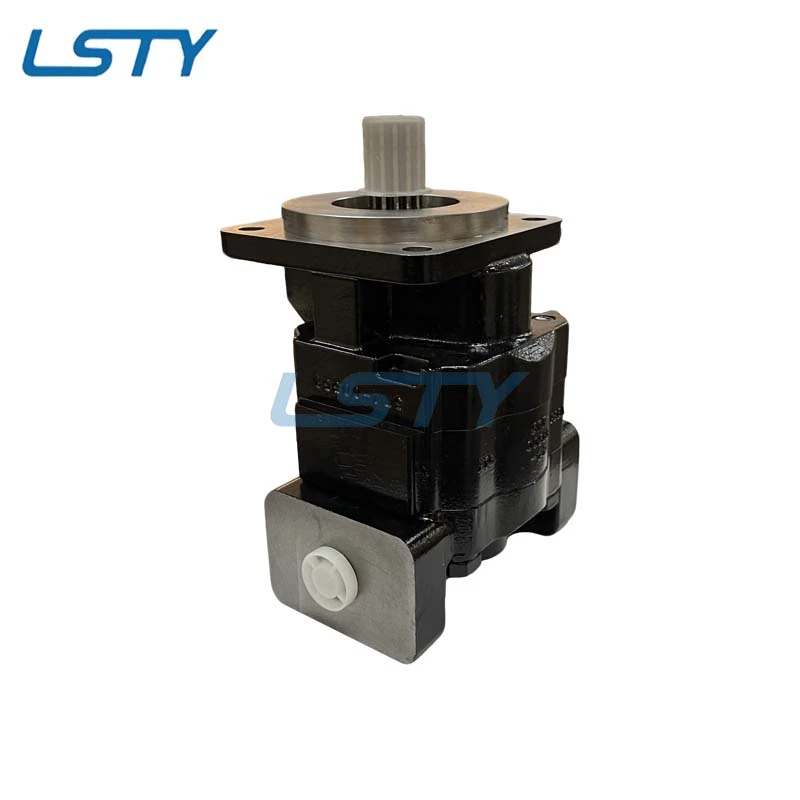
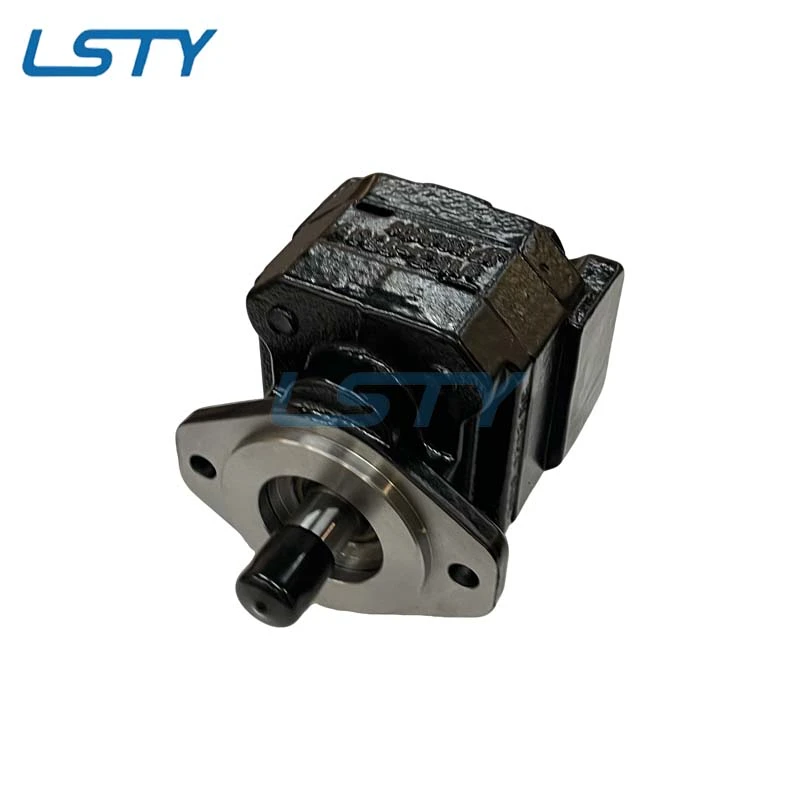
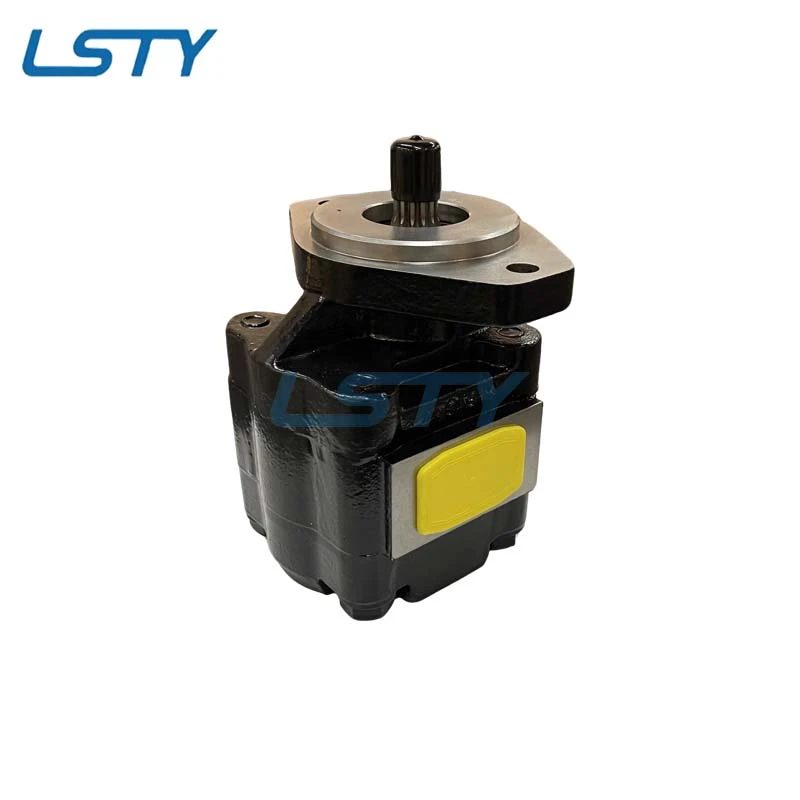
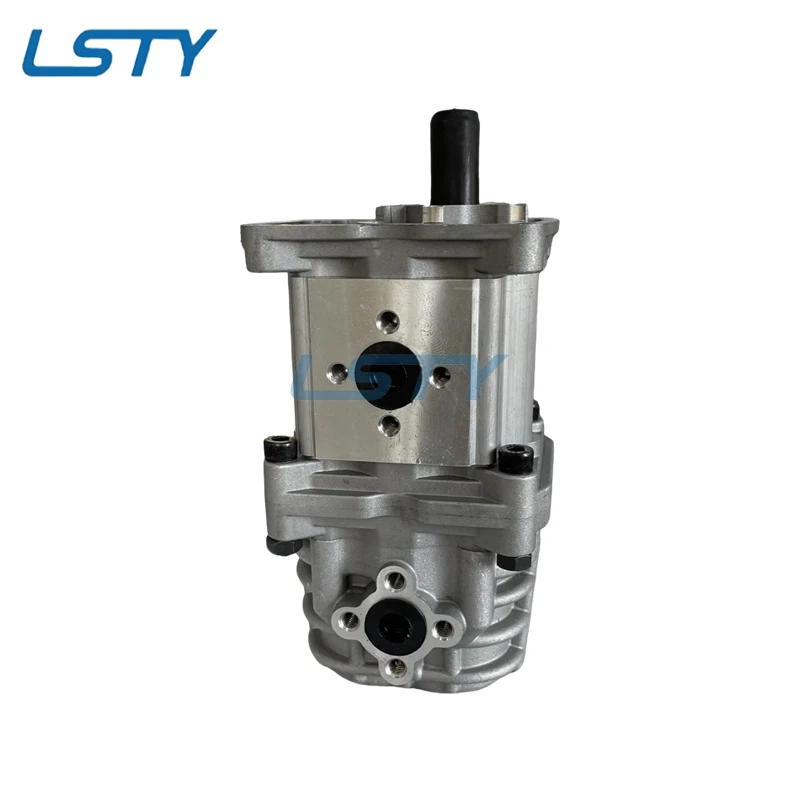
The technology combines the force of hydraulics with molten metal's fluidity, resulting in castings with impressive mechanical properties like superior density and less porosity. For example, many sectors rely on hydraulic casting for manufacturing hydraulic pump housings or critical engine clamps where durability can’t be compromised. If you peek at the specs of products offered at Autolsty, it’s clear they emphasize both material quality and precision engineering.
| Specification | Detail |
|---|---|
| Material Types | Aluminum, Steel, Iron alloys |
| Max Casting Size | Up to 1200 mm length |
| Tolerance | ±0.1 mm |
| Typical Applications | Hydraulic components, automotive parts, heavy equipment |
| Surface Finish | Up to Ra 1.6 μm |
Benefits & Use Cases of Hydraulic Casting
In practical terms, hydraulic casting notably improves manufacturing efficiency and component reliability. This method allows companies to produce parts that are not only strong but also lightweight – an essential factor in industries like automotive or aerospace where every gram matters. A big competitive advantage is that the process supports rapid prototyping as well as mass production, which is frankly quite rare.
Specific use cases are broad: heavy machinery manufacturers rely on hydraulic-cast parts because they can better withstand high stress and pressure, reducing the risk of failure in operation. The fine control over pressure also means you get minimal shrinkage and high dimensional accuracy — you know it’s a game changer for tooling and mold makers. Autolsty's products, for instance, embrace these virtues and provide tailored solutions for clients looking to optimize performance without compromising on durability.
Cost, Maintenance & User Experience
It’s tempting to think that advanced processes like hydraulic casting might come with hefty price tags. But in reality, the total cost of ownership often ends up lower compared to some traditional casting methods. Why? Because of fewer defects, reduced machining requirements, and longer lifespans of the cast parts. Durable components mean less frequent replacement – a clear win for ROI. Clients of Autolsty often report more predictable maintenance schedules and lower downtime, which to me is a critical success factor.
From what I’ve gathered, many users appreciate the consistency and quality, especially when parts are critical to safety or performance. The feedback indicates fewer returns or adjustments needed, which means teams can focus resources elsewhere. Oddly enough, this reliability also generates confidence internally, enabling better planning and reduced inventory buffers.
Sustainability & Market Trends
The industry is paying more attention to sustainability now, and hydraulic casting fits surprisingly well here. Because the process wastes less material and reduces the need for downstream machining, it inherently cuts energy usage and scrap metal. Additionally, manufacturers like Autolsty are increasingly adopting greener materials and tighter emission controls, aligning with global standards and regulations.
Market growth reflects this too; sectors like electric vehicles and renewable energy equipment need lightweight, high-strength parts — hydraulic casting helps deliver exactly that. Investing in this tech is kind of future-proofing for companies serious about growth and environmental responsibility.
| Feature | Autolsty | Competitor A | Competitor B |
|---|---|---|---|
| Max Casting Size | 1200 mm | 1000 mm | 1100 mm |
| Tolerance | ±0.1 mm | ±0.15 mm | ±0.12 mm |
| Material Variety | Aluminum, Steel, Iron alloys | Steel, Iron | Aluminum, Steel |
| Lead Time | 3–4 weeks | 5–6 weeks | 4–5 weeks |
| Warranty | 12 months | 6 months | 12 months |
Frequently Asked Questions about Hydraulic Casting
- What is Hydraulic Casting and how does it work?
- Simply put, hydraulic casting is a process where molten metal is pushed into a mold using hydraulic pressure instead of relying on gravity alone. This ensures a more uniform fill, which means denser, stronger parts with fewer defects.
- What are the main benefits of using Hydraulic Casting in industrial applications?
- It offers higher precision, improved mechanical properties, and reduced waste. Plus, parts tend to have better surface finish and require less post-processing, saving time and money.
- How does Hydraulic Casting compare to traditional alternatives?
- Compared to traditional gravity or sand casting, hydraulic casting yields denser, more uniform components with fewer internal defects. It’s faster too, which in real terms, means less downtime and improved production efficiency.
- What industries can benefit most from Hydraulic Casting implementation?
- Heavy machinery, automotive, aerospace, and even renewable energy sectors utilize hydraulic casting. These industries demand parts that combine precision with toughness, something hydraulic casting excels at delivering.
Conclusion on Hydraulic Casting from china
In essence, hydraulic casting is a solid win for businesses needing robust, precise metal parts. It combines advanced technology with practical benefits like cost savings, quality, and sustainability. If you’re exploring scalable, reliable casting solutions, I’d say it’s definitely worth your attention. For those ready to upgrade their production line, visiting Autolsty’s website could be the first step.
Reflecting on this, it’s clear that industries increasingly value processes that harmonize precision with sustainability — hydraulic casting delivers on both fronts. It feels like the future is quite bright for this method.
-
Choosing the Right Bucket Truck Hydraulic Pump for Aerial LiftsNewsApr.16,2026
-
Ultimate Guide to Selecting a bi directional hydraulic pumpNewsApr.09,2026
-
Comprehensive Guide to Backhoe Hydraulic Pump Selection and MaintenanceNewsApr.07,2026
-
Comprehensive Guide to Hydraulic Pumps Types Applications and MaintenanceNewsApr.04,2026
-
Reliable Zetor Water Pump - Durable Cooling Solutions for Industrial EquipmentNewsJan.04,2026
-
Engine Water Pump Diagram – Durable & Efficient Solutions by AutolstyNewsJan.03,2026
-
Engine Water Pump Function: Essential Insights from Industry ExpertsNewsJan.03,2026


 English
  Afrikaans
  Arabic
  Belarusian
  Bulgarian
  Esperanto
  French
  German
  Kazakh
  Polish
  Portuguese
  Romanian
  Russian
  Spanish
  Tajik
Tajik  Turkish
  Turkmen
  Ukrainian
  Uzbek
Uzbek  Vietnamese