






The engine water pump is the unsung hero of your vehicle’s cooling system, tirelessly circulating coolant to prevent overheating and ensure optimal performance. Whether in tractors, trucks, or automobiles, this component is critical for diesel, gasoline, or oil-based engines. Neglecting its maintenance can lead to catastrophic engine failure, costly repairs, and operational downtime. This comprehensive guide explores proactive maintenance strategies, addresses unique requirements for diesel engine water pump and oil engine water pump systems, and empowers you with practical knowledge to extend the lifespan of your equipment.
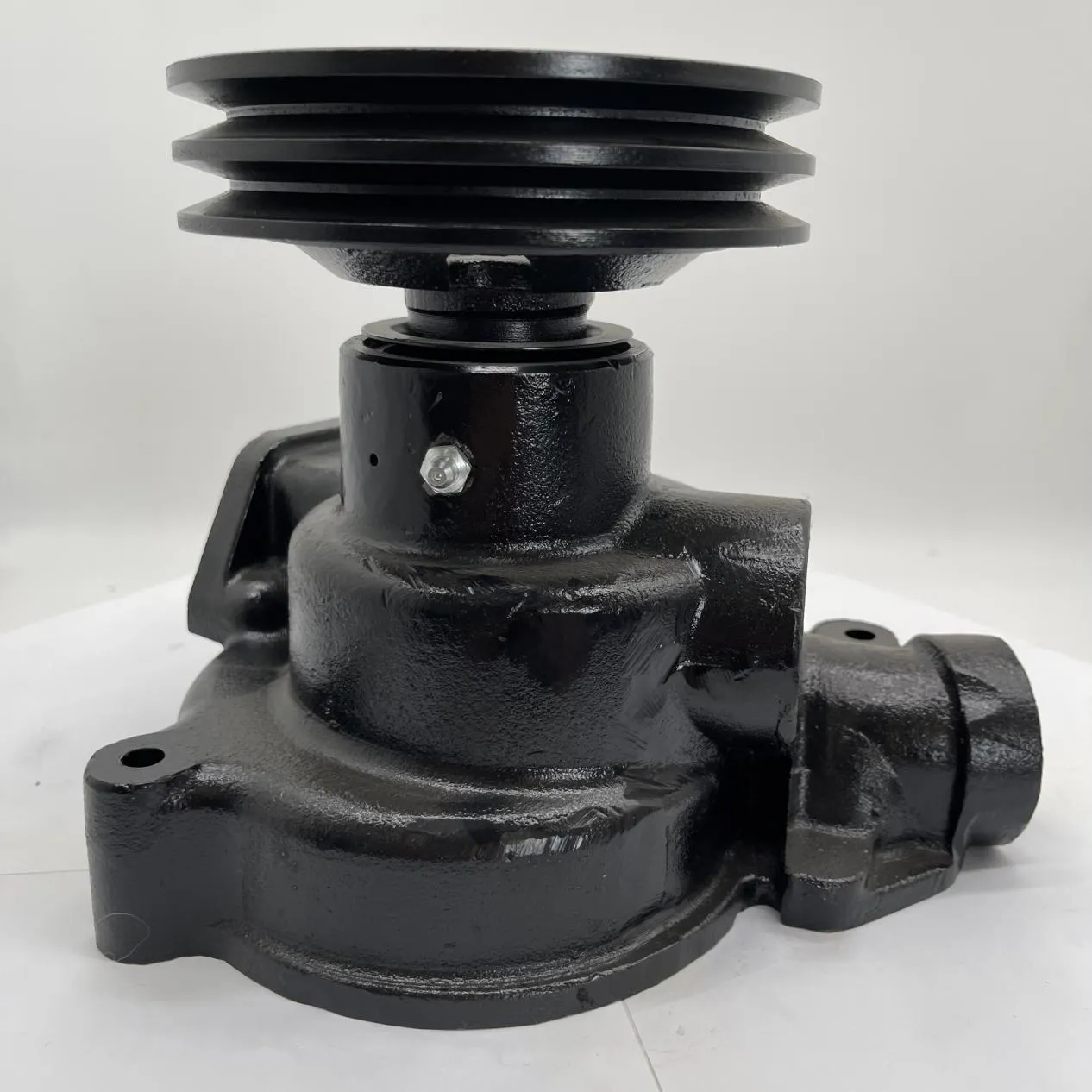
The Role and Mechanics of Engine Water Pumps
The engine water pump operates as the heart of the cooling system, driven by a pulley connected to the engine’s crankshaft. Its impeller forces coolant through the engine block, radiator, and hoses, dissipating heat generated by combustion. In diesel engine water pump applications, higher compression ratios and thermal loads demand robust materials like cast iron or reinforced composites to withstand extreme pressures.
HEBEI LONGSHENGTENGYU PUMP INDUSTRY CO., LTD (LSTY), founded in 2000, leverages many years of expertise to manufacture precision hydraulic components. Their engine water pumps integrate patented designs and CNC-machined parts, ensuring reliability for automotive and agricultural applications. Unlike industrial water extraction pumps, LSTY’s focus on vehicular systems prioritizes compactness, corrosion resistance, and seamless integration with OEM specifications.
Routine Maintenance Protocols for Diesel Engine Water Pumps
Diesel engine water pump maintenance demands vigilance due to higher operating temperatures and vibrational stresses. Follow these non-negotiable practices:
- Coolant Quality and Replacement:
Contaminated or degraded coolant accelerates impeller erosion. Use ethylene glycol-based solutions with anti-cavitation additives. LSTY’s chemically resistant seals prevent leakage, a common failure point in diesel systems. - Bearing and Seal Inspection:
Listen for whining or grinding noises indicating bearing wear. For diesel engine water pumpunits, inspect seals quarterly—cracked seals allow coolant seepage into bearing assemblies, causing rust. - Belt Tension and Alignment:
Loose drive belts cause slippage, reducing coolant flow. Check tension monthly; deflection should not exceed half an inch under moderate pressure. Misalignment strains the pump shaft, leading to premature failure.
Specialized Care for Oil Engine Water Pumps
Oil engine water pump systems, often found in vintage vehicles or marine engines, require unique attention:
- Oil-Coolant Cross-Contamination Prevention:
Inspect gaskets separating oil and coolant channels. Blown head gaskets or warped engine blocks can emulsify fluids, forming sludge that clogs the pump. Use dye-test kits to detect early leaks. - Thermal Cycling Management:
Frequent cold starts cause metal fatigue. Preheat engines in sub-zero conditions to reduce thermal shock on pump components. - Lubricant Compatibility:
Ensure coolants do not react with engine oils. Silicate-free formulations are ideal for older oil engine water pumpunits to avoid silicate gel formation.
Diagnosing Common Failures and Proactive Solutions
Recognize these warning signs to avert breakdowns:
- Overheating at Idle:
Suggests impeller damage or cavitation. Remove the pump and check for eroded vanes. LSTY’s laser-balanced impellers minimize turbulence, enhancing flow efficiency. - Coolant Leaks Around the Shaft:
Indicates seal failure. Replace seals immediately to prevent bearing corrosion. - Unusual Vibrations:
Implies bent shaft or imbalanced pulley. Use dial indicators to measure shaft runout.
Pro Tip: Flush cooling systems annually with citric acid solutions to dissolve mineral deposits. Avoid vinegar or harsh acids that corrode aluminum parts.
FAQs About Engine Water Pump Maintenance
What distinguishes a diesel engine water pump from a standard gasoline model?
Diesel variants endure higher combustion temperatures and cylinder pressures. They incorporate reinforced bearings, hardened steel shafts, and multi-channel impellers. LSTY’s diesel engine water pump range uses ductile iron housings to resist thermal distortion, making them unsuitable for industrial water extraction but ideal for heavy-duty transport.
How often should I inspect my oil engine water pump?
For oil engine water pump systems, bi-annual checks are crucial. Monitor oil-coolant interfaces via dipstick analysis. Milky residues signal cross-contamination, requiring immediate gasket replacement.
Can I use universal coolants in all engine water pump?
No. Diesel engine water pump systems need nitrite-amine additives to prevent liner pitting. Organic Acid Technology (OAT) coolants suit modern gasoline engines but harm older oil engine water pump setups with solder joints.
Why does my engine water pump fail prematurely despite regular coolant changes?
Incorrect belt tension or misalignment causes undue shaft load. Ensure pulleys are coplanar. LSTY’s integrated alignment guides simplify installation.
Are engine water pumps reliable for high-mileage vehicles?
Choose OEM-equivalent manufacturers like LSTY, whose engine water pumps undergo CAT-computerized endurance testing. Their 20 hydraulic patents ensure precision fitment for tractors and trucks, backed by 10-year design expertise.
Maintaining your engine water pump is non-negotiable for engine health. From selecting coolant chemistries to diagnosing seal failures, proactive care prevents most of cooling system catastrophes. Trust specialists like HEBEI LONGSHENGTENGYU PUMP INDUSTRY CO., LTD (LSTY) for engineered solutions. As a hydraulic pioneer with global reach, LSTY combines R&D innovation with stringent ISO standards, offering customized diesel engine water pump and oil engine water pump units. Their "power products, ensured quality" ethos delivers peace of mind—because when your pump thrives, your engine survives.
-
Choosing the Right Bucket Truck Hydraulic Pump for Aerial LiftsNewsApr.16,2026
-
Ultimate Guide to Selecting a bi directional hydraulic pumpNewsApr.09,2026
-
Comprehensive Guide to Backhoe Hydraulic Pump Selection and MaintenanceNewsApr.07,2026
-
Comprehensive Guide to Hydraulic Pumps Types Applications and MaintenanceNewsApr.04,2026
-
245-1307010-A1-01 Water Pump for MTZ Tractors | HEBOE LONGSHENGTENGYU PUMP INDUSTRY CO., LTDNewsApr.01,2026
-
Reliable Zetor Water Pump - Durable Cooling Solutions for Industrial EquipmentNewsJan.04,2026
-
Engine Water Pump Diagram – Durable & Efficient Solutions by AutolstyNewsJan.03,2026


 English
  Afrikaans
  Arabic
  Belarusian
  Bulgarian
  Esperanto
  French
  German
  Kazakh
  Polish
  Portuguese
  Romanian
  Russian
  Spanish
  Tajik
Tajik  Turkish
  Turkmen
  Ukrainian
  Uzbek
Uzbek  Vietnamese