






The tractor loader control valve is a critical component in hydraulic systems, enabling smooth operation of front-end loaders, backhoes, and other tractor attachments. Understanding how it works helps operators maintain efficiency and troubleshoot issues effectively.
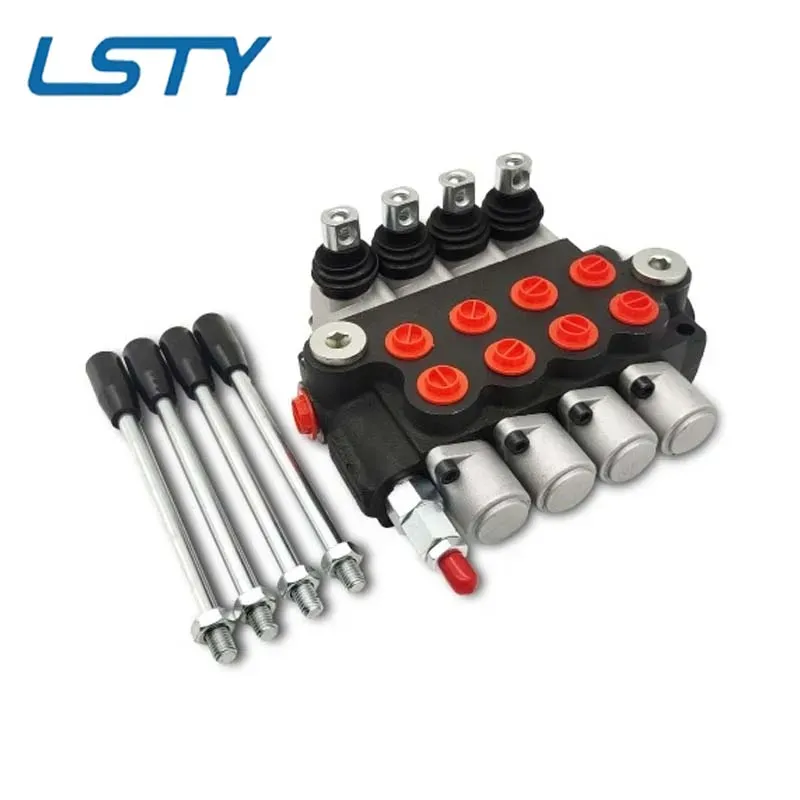
Components of a Tractor Loader Control Valve
A tractor front end loader hydraulic control valve consists of several key parts that ensure proper fluid flow and pressure regulation:
Valve Body: Houses the internal mechanisms and directs hydraulic fluid.
Spools: Control the direction of oil flow to different hydraulic cylinders.
Levers or Joysticks: Allow the operator to manually adjust the valve.
Pressure Relief Valve: Prevents system overload by releasing excess pressure.
Ports: Connect the valve to hydraulic hoses and cylinders.
O-rings and Seals: Ensure no leakage of hydraulic fluid, maintaining system efficiency and safety.
Filter: Keeps contaminants out of the hydraulic system, prolonging component life.
Check Valves: Prevent back flow of hydraulic fluid, ensuring smooth and controlled operation.
Decent Mechanisms: Secure the levers or joysticks in place, preventing unintended valve adjustments during operation.
Internal Passages: Precisely machined to provide the necessary fluid pathways, ensuring optimal flow and pressure distribution within the valve assembly.
Springs: Assist in returning levers or joysticks to their neutral positions, facilitating smooth and responsive control of hydraulic functions.
Bleed Ports: Allow for the release of air bubbles trapped in the hydraulic system, preventing cavitation and ensuring smooth operation.
Mounting Brackets: Securely attach the control valve to the tractor, providing a stable platform for operation and minimizing vibration.
Solenoids (in some models): Electrically actuated to automatically control valve functions, enabling advanced operational features and increasing efficiency.
Below is a table summarizing the key parameters of a standard P40 40LPM hydraulic directional control valve:
|
Parameter |
Specification |
|
Product Code |
2P40 A1A1 GKZ1 |
|
Flow Rate |
40LPM |
|
Spool Options |
1-7 spools (motor spool, cylinder spool, single-acting spool) |
|
Control Methods |
Manual, pneumatic, electric & hydraulic, cable control, joystick |
|
Material |
HT300 (heat-treated for durability) |
|
Applications |
Agriculture, construction, forestry machinery |
Working Principle of a Tractor Loader Control Valve
The tractor loader valve operates by directing pressurized hydraulic fluid to different cylinders, enabling lifting, tilting, and dumping motions. When the operator moves the control lever, the spool inside the valve shifts, opening or closing fluid passages.
Neutral Position: Hydraulic fluid flows back to the reservoir without activating cylinders.
Lifting/Lowering: Shifting the spool directs fluid to extend or retract the lift cylinder.
Tilting: Another spool controls the bucket tilt function for dumping or scooping.
A closed center directional control valve stops fluid flow when inactive, conserving energy, while an open center valve allows continuous flow.
Types of Hydraulic Controls for Tractor Loader Control Valve
Different hydraulic controls for tractors are designed for specific applications:
Manual Control Valves: Operated via levers or joysticks.
Electric Directional Control Valves: Use solenoids for remote operation.
Pneumatic Control Valves: Air pressure activates the spools.
Float Function Valves: Allow the loader to follow ground contours.
Choosing the right valve depends on tractor model, required flow rate, and attachment compatibility.
Maintenance Tips for Tractor Loader Control Valve
Proper maintenance ensures longevity and optimal performance of tractor hydraulic control valves:
Check for Leaks: Inspect hoses and seals regularly.
Clean Hydraulic Fluid: Contaminants can damage spools and seals.
Lubricate Moving Parts: Prevents wear on levers and linkages.
Monitor Pressure Settings: Adjust relief valves as needed.
Regular servicing prevents costly breakdowns and extends the valve’s lifespan.
Tractor Loader Control Valve FAQs
What is the difference between open-center and closed-center tractor loader control valve?
An open-center directional control valve allows continuous oil flow when inactive, while a closed-center valve blocks flow until activated, improving efficiency.
Can I use a tractor loader control valve for industrial machinery?
No, this water pump is suitable for tractors, trucks, and cars, not for industrial use. Industrial valves require higher flow rates and durability.
How do I know if my hydraulic tractor loader control valve is failing?
Signs include slow operation, leaks, unresponsive controls, or unusual noises. Regular inspections help detect issues early.
What is the minimum order quantity for P40 hydraulic tractor loader control valve?
The minimum order quantity is 100 pieces, with a supply capacity of 10,000 units per month.
Do you offer custom branding for bulk orders tractor loader control valve?
Yes, we provide OEM services, allowing wholesalers to print their logos on valves for branding purposes.A tractor loader control valve is essential for efficient hydraulic operations in farming and construction. Whether you need a manual, electric, or pneumatic directional control valve, selecting the right model ensures smooth performance.Wholesalers and distributors are encouraged to partner with us for high-quality hydraulic controls for tractors. Our P40 series valves offer reliability, durability, and customization options. Place your order today and benefit from competitive pricing and excellent after-sales support!For inquiries, contact us via email or visit our factory for product demonstrations. Let’s build long-term business relationships!
-
Choosing the Right Bucket Truck Hydraulic Pump for Aerial LiftsNewsApr.16,2026
-
Ultimate Guide to Selecting a bi directional hydraulic pumpNewsApr.09,2026
-
Comprehensive Guide to Backhoe Hydraulic Pump Selection and MaintenanceNewsApr.07,2026
-
Comprehensive Guide to Hydraulic Pumps Types Applications and MaintenanceNewsApr.04,2026
-
Reliable Zetor Water Pump - Durable Cooling Solutions for Industrial EquipmentNewsJan.04,2026
-
Engine Water Pump Diagram – Durable & Efficient Solutions by AutolstyNewsJan.03,2026
-
Engine Water Pump Function: Essential Insights from Industry ExpertsNewsJan.03,2026


 English
  Afrikaans
  Arabic
  Belarusian
  Bulgarian
  Esperanto
  French
  German
  Kazakh
  Polish
  Portuguese
  Romanian
  Russian
  Spanish
  Tajik
Tajik  Turkish
  Turkmen
  Ukrainian
  Uzbek
Uzbek  Vietnamese